
Live shows, movie nights, art openings, private parties, and corporate meetings at 20 N Main St — minutes from the University of Florida and Shands Hospital.
Stay in the Loop
Get the next show, screening, and event announcements sent to your inbox.
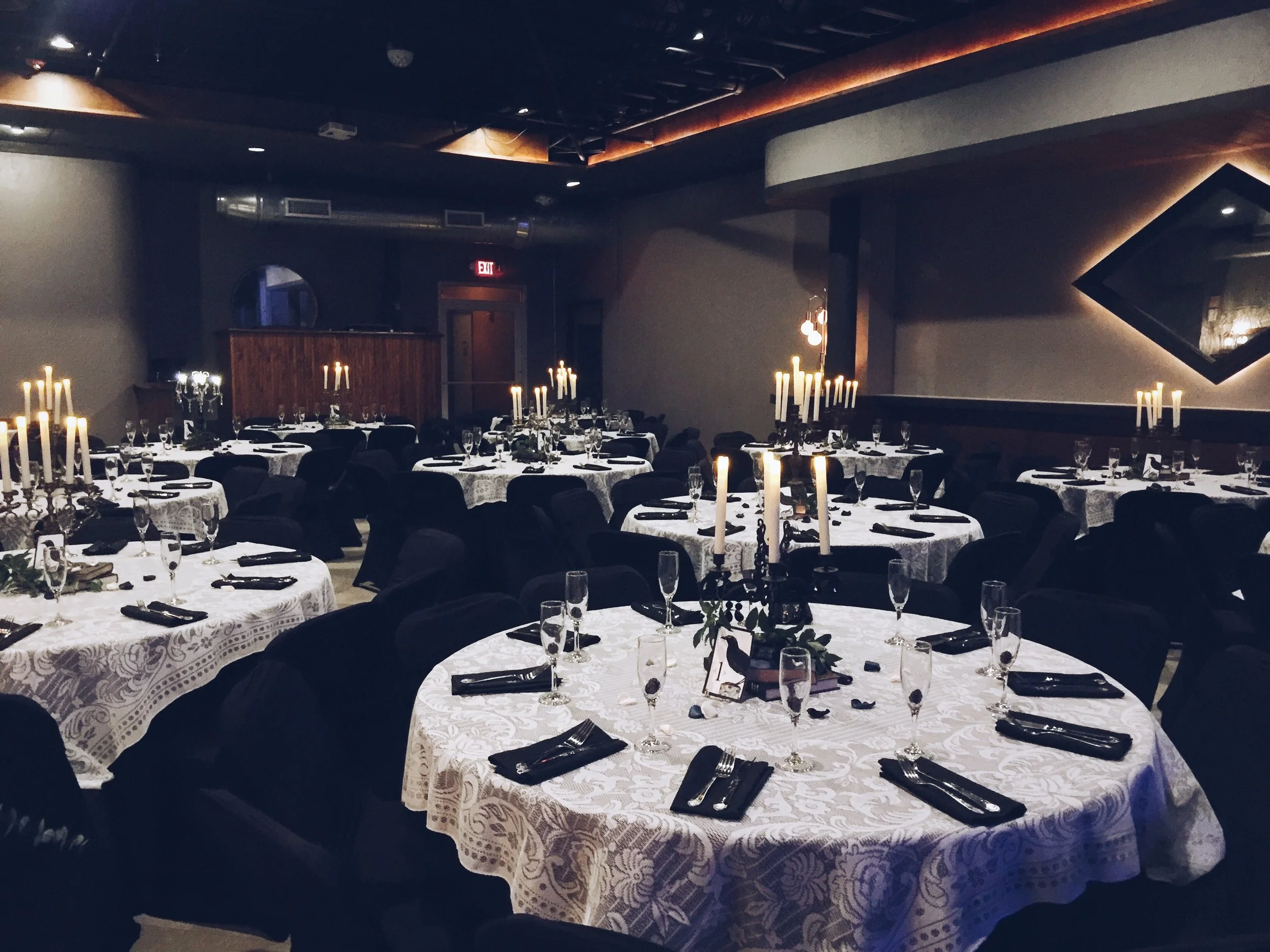
Inside the Room
A look at the stage, the floor, and the nights that move through them.

Designing a Health And Wellness Retreat At The Wooly
A retreat can feel restorative without taking place in a remote resort. The Wooly in downtown Gainesville, Florida, offers a flexible event environment where guided movement, educational sessions, nourishing meals, creative activities and social connection can share one carefully planned setting. Its adaptable floor plan makes it suitable for a compact leadership gathering, a practitioner workshop or a larger wellbeing programme.
For Australian organisers, the venue also creates an appealing change of scene. A team travelling from Melbourne, Sydney, Brisbane or Perth can combine professional development with the energy of a university city, while delegates near the University of Florida and Shands Hospital have a central location that is easy to reach. The contrast between a Florida venue and a familiar Australian workplace can help participants step out of routine.
The most successful retreat plans treat wellness as an experience rather than a decoration. Lighting, room layout, food service, sound levels, transitions and downtime all influence how people feel across the day. With professional audio-visual support, in-house catering, a full-service bar and space for both formal and informal activities, The Wooly can be shaped around the wellbeing goals of the group.
Shape The Space Around The Retreat
Begin by deciding what participants should be able to do in each part of the day. A morning might include breathwork, gentle yoga or a guided meditation, followed by a keynote on sustainable performance. The afternoon could move into small-group discussions, health screenings, creative workshops or a panel with local practitioners. The room should support these changes without making guests repeatedly relocate.
The Wooly’s flexible floor plan is useful because a wellness programme rarely stays in one format. Rows of chairs can support a presentation, while a circle or cabaret arrangement encourages conversation. Open floor space can be reserved for stretching, dance-based movement or mobility exercises. A separate quiet corner gives participants somewhere to pause, take a phone call or regulate their energy between sessions.
Movement sessions need a practical setup. Allow enough room between mats, keep bags and cables outside walking paths, and make water readily available. If an instructor is demonstrating postures or exercises, place them where every participant has a clear view. A low-stimulation arrival zone can also make the event more comfortable for guests who are sensitive to noise, crowds or intense lighting.
A retreat does not have to be silent or solemn. A short live performance, a mindful music session or a cultural activity can give the programme warmth. For a lively evening option, organisers might consider a Brazilian percussion or dance experience inspired by Samba Ipanema, balancing structured learning with the pleasure of moving together.
Build A Programme With Room To Breathe
A strong agenda alternates concentration with recovery. A useful rhythm is 60 to 90 minutes of content followed by a genuine break, rather than filling every minute with speakers. Participants may appreciate a quiet coffee period, a short walk along Main Street or an unstructured lunch where they can choose whether to network. The Wooly’s downtown position makes it easier to include a little city time without arranging a complicated transfer.
For Australian groups, scheduling deserves particular care. Guests travelling from Australia may arrive after a long journey and need a lighter first session. If the retreat includes a remote presenter in AEST, confirm the time conversion well ahead of time, especially when Florida and Australian daylight-saving dates do not align. Australian businesses may also plan around the end of financial year in June, school holiday periods and major industry conferences, so availability and airfare costs can shift quickly.
A half-day reset may suit a team that cannot disappear from work for several days. A full-day retreat can support deeper learning, while a two-day programme allows space for reflection and practical application. The agenda should state whether sessions are compulsory, optional or social. This small distinction helps attendees manage their energy and avoids making a wellness event feel like another high-pressure workday.
Good facilitation keeps the experience inclusive. Offer alternatives to floor-based movement, avoid assuming everyone drinks alcohol, and make dietary, access and sensory preferences easy to communicate privately. A qualified facilitator can frame breathwork, mindfulness and physical activity appropriately, while medical or therapeutic services should be delivered only by suitably credentialled professionals.
Make Food, Sound And Atmosphere Part Of The Care
Catering can reinforce the retreat’s purpose without turning the menu into a set of restrictive rules. A balanced spread might include fresh produce, substantial protein, grains, vegetarian and vegan choices, and snacks that support an afternoon session. Label common allergens clearly and collect dietary information during registration. In Australia, attendees often expect transparent handling of gluten-free, halal, vegetarian and dairy-free requirements, so vague menu descriptions can create avoidable stress.
In-house catering can simplify service timing and reduce the number of external suppliers moving through the space. Plan food around the programme: a plated lunch may suit a seated workshop, while grazing stations can keep a networking period relaxed. If the group is travelling internationally, familiar coffee options and a proper breakfast can be especially welcome after a long flight. Use the full-service bar thoughtfully, with alcohol-free drinks presented as a considered option rather than an afterthought.
The sound environment matters as much as the menu. A microphone that is too loud, background music during a reflective session or clattering crockery near a speaker can undermine the atmosphere. Professional audio-visual support can help manage microphones, presentations, film content and lighting changes. Ask for a technical run-through before guests arrive, including any music used for meditation, movement or guided relaxation.
The evening format should match the group’s purpose. A seated dinner creates a clear transition into conversation and celebration; a standing reception encourages circulation and informal introductions. The Wooly’s guidance on a seated dinner guide can help organisers compare layouts before confirming catering, furniture and service requirements.
Plan Safety, Access And The Guest Journey
Wellness events need the same operational discipline as any other professional gathering. Establish who is responsible for registration, first aid, emergency communication, venue liaison and participant questions. Keep aisles clear, secure loose equipment and check that movement activities are appropriate for the available surface. A simple incident process gives staff confidence if a guest becomes unwell or needs assistance.
Insurance and contracts should be reviewed early, especially when an Australian organisation is booking a venue in the United States. Confirm what the venue requires from the host, whether outside instructors need their own cover, and how cancellation, damage and alcohol-related responsibilities are handled. The Wooly’s information on wedding insurance addresses a different event type, yet its risk-planning principles are useful when preparing questions for a retreat booking.
Accessibility should be built into the experience rather than added at the last moment. Ask about step-free entry, accessible toilets, seating options, hearing support and the best way to accommodate mobility aids. Registration forms should invite access requirements in respectful language. Include clear directions from accommodation and transport points, and allow extra time for arrivals from the airport or nearby hotels.
Gainesville is a university town, so the calendar can become busier around University of Florida events, graduations and major sporting fixtures. Check dates early and consider how traffic, accommodation demand and local noise may affect the retreat. The proximity to Shands Hospital may be reassuring from a location perspective, but it should never replace proper event planning, qualified supervision or an agreed emergency procedure.
Turn A Flexible Venue Into A Memorable Experience
A retreat becomes easier to deliver when each space has a clear job. Rather than filling the room with decorations, use visual cues that help people understand where to go and what to expect. A welcome table can include the agenda, name badges and hydration information. Soft lighting, natural textures and uncluttered signage may create calm without competing with the venue’s character.
The following planning details help connect the programme to the physical environment:
Before guests arrive
- Confirm the floor plan, furniture, movement area and quiet zone with the venue team.
- Share dietary, accessibility and sensory requirements through one organised contact.
- Test microphones, presentation files, music playback and any streamed sessions.
- Prepare arrival information covering hotels, local transport, weather and time zones.
- Build a realistic run sheet with setup, breaks, meals, pack-down and staff handovers.
During the retreat
- Keep water, alcohol-free drinks and nourishing snacks visible throughout the day.
- Use a host or facilitator to explain transitions and point out optional activities.
- Offer seated and standing alternatives for movement, discussion and meal periods.
- Check sound, temperature, lighting and room flow after each major session.
- Leave a genuine buffer before the final activity so participants are not rushed.
An evening component can deepen connection when it remains consistent with the retreat’s tone. A short film screening, artist talk or live music set may work well after a day of learning. A movement-focused group may want to dance, while an executive team may prefer a moderated conversation over dinner. If dancing is part of the plan, review dance capacity guidance before promising a particular layout or headcount.
The Wooly can also support a retreat that blends wellbeing with communication, leadership or youth development. For ideas about accessible talks and participant-led learning, organisers may look at TEDx Youth Bath as an example of how a carefully framed programme can give emerging voices room to contribute. The content should still be tailored to the group, with enough context for Florida-based guests and enough relevance for an Australian organisation.
| Retreat element | Practical approach at The Wooly | Benefit for participants |
|---|---|---|
| Arrival and orientation | Welcome desk, clear signage and a calm opening activity | Reduces uncertainty after travel |
| Movement and mindfulness | Open floor area, mats, quiet lighting and seated alternatives | Supports different bodies and comfort levels |
| Learning sessions | Flexible seating, microphones and presentation support | Keeps content clear and engaging |
| Meals and connection | In-house catering, dietary labelling and considered breaks | Sustains energy without overloading the schedule |
| Evening experience | Film, music, discussion or dancing within the agreed layout | Builds connection in a less formal setting |
| Risk and access | Early requirements check, clear responsibilities and safe pathways | Makes participation more confident and inclusive |
For an Australian company, the final budget should show US-dollar venue costs, international transaction fees, flights, accommodation, travel insurance, facilitator fees and any local transport. Clarify whether quoted prices include service charges, taxes or production support, and allow for currency movement when seeking internal approval. A written schedule of payments is especially useful when several departments or an overseas finance team are involved.
The practical test is simple: every part of the day should help guests feel oriented, supported and able to participate. Once the floor plan, food, sound, safety arrangements and timing work together, The Wooly can become more than a hired room—it can provide a focused setting where a travelling Australian group learns, reconnects and leaves with wellbeing practices they can use back at work.
Follow the Calendar
News, ticket links, and last-minute additions posted across our channels.
Explore the Venue
Five pages covering the full run of programming and private bookings.
Browse the schedule for movie showings, live music, and art shows.
Weddings, holiday banquets, cocktail parties, and anniversaries.
Meetings, networking, luncheons, and fundraisers with AV support.
Concerts, film screenings, art showcases, and community pop-ups.
Photos from past concerts, private functions, and gatherings.