
Live shows, movie nights, art openings, private parties, and corporate meetings at 20 N Main St — minutes from the University of Florida and Shands Hospital.
Stay in the Loop
Get the next show, screening, and event announcements sent to your inbox.
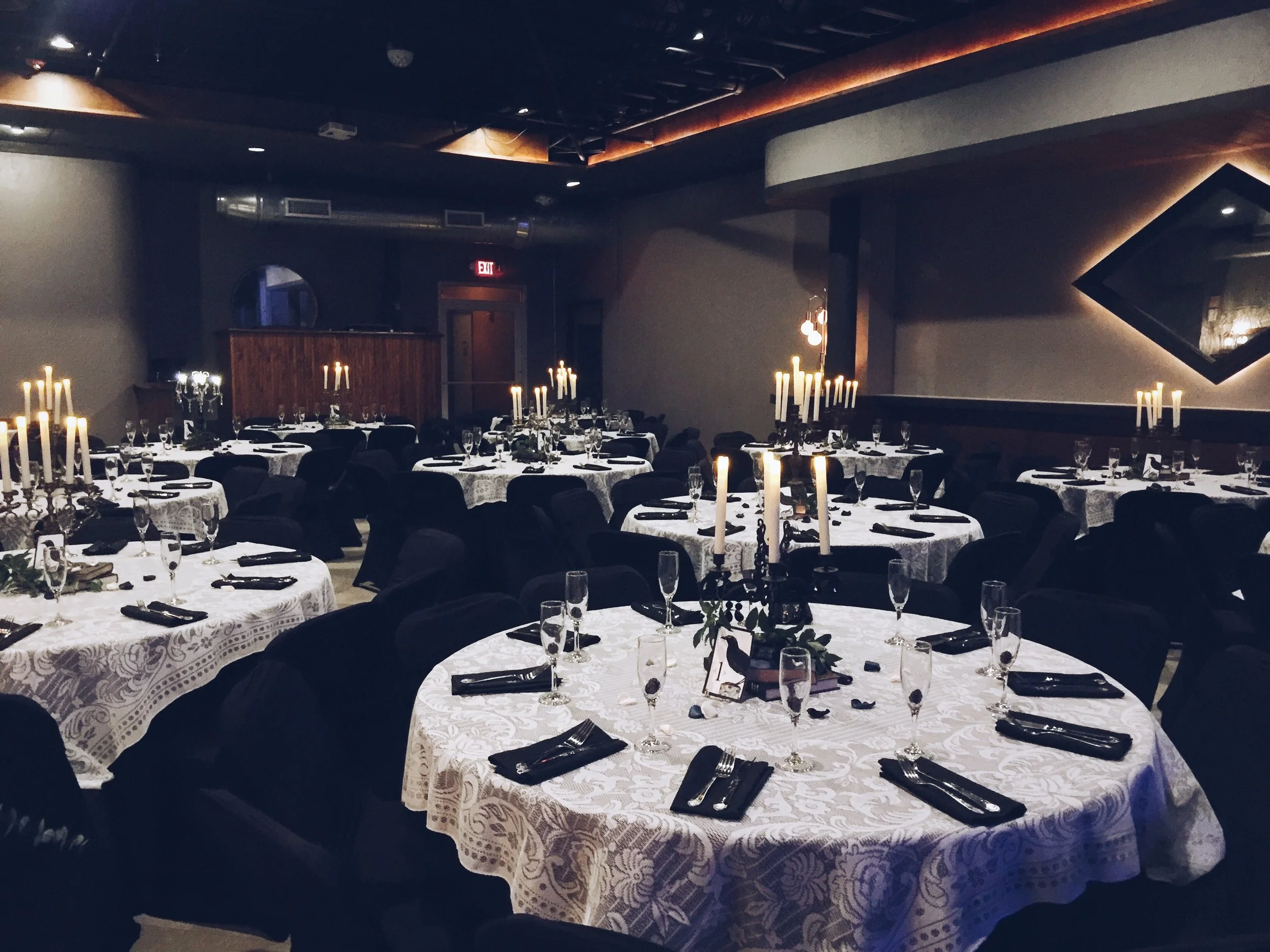
Inside the Room
A look at the stage, the floor, and the nights that move through them.

Wedding insurance and The Wooly: what you need to know
An Australian couple choosing The Wooly in downtown Gainesville is planning more than a reception. You are combining a destination-style celebration with contracts governed by US law, suppliers paid in US dollars and the particular risks of a Florida venue. Wedding insurance can absorb some financial consequences, but only when its wording, geographical scope and limits match the event actually booked.
At 20 N Main Street, near the University of Florida and Shands Hospital, The Wooly offers a flexible floor plan, professional audio-visual support, in-house catering and a full-service bar. That combination suits a ceremony, drinks party, dinner and late-night celebration in one building. The venue’s live music, film screening and art opening programme also provides useful context for considering equipment needs, sound levels and guest movement.
Start with the risks, compare the available protection, then align your policy with the venue agreement. Buying a policy after a supplier has cancelled may leave you without cover for that loss. A broadly worded policy can still contain gaps, particularly for overseas events, alcohol-related liability or hired equipment.
What wedding insurance can cover
Wedding insurance is a collection of protections rather than a single standard product. Event cancellation cover may reimburse non-refundable venue fees, supplier deposits and travel costs when an insured event cannot proceed. Other policies protect against a particular supplier failing to attend, third-party injury or property damage, lost jewellery or wedding attire, and damage to hired furniture, lighting or musical equipment.
Australian couples often buy wedding insurance as a single event policy through an insurer or broker. The local market is strongly split between “all-inclusive” packages and separately contracted suppliers, so the policy must reflect how your wedding is actually organised. A policy covering the venue, photographer, caterer and celebrant as one package may not respond when only a photographer cancels. A venue-only policy will do little for the wider wedding budget.
Several exclusions deserve close attention. Guest illness, a guest failing to attend, known venue problems and changes of mind are commonly excluded. Alcohol-related incidents often require a specific liquor liability extension. Overseas events may fall outside a policy written for an Australian wedding, and infectious-disease exclusions can affect cancellation cover. Read the definition of the insured event, not just the list of benefits.
Matching cover to the venue agreement
The venue agreement and the insurance policy answer different questions. The agreement establishes the date, spaces, services, deposit, minimum spending, guest limits and cancellation charges. Your policy determines which financial losses may be reimbursed. Review both documents together, including any requirement for an insurance certificate, minimum liability limit or cancellation notice period.
Clarify who is responsible for each risk. The venue’s liability policy may cover its own staff and premises, while you may remain responsible for an outside planner, photographer, entertainer or rental company. Food-borne illness is not always covered by ordinary public liability and may require products liability protection. Any band or other worker should confirm workers’ compensation cover for their personnel.
Alcohol needs particular attention in Florida. In-house service and a full-service bar do not automatically include liquor liability cover. Establish who sells and serves alcohol, whether service is included in the catering package, and whether your supplier carries the appropriate protection. A local event-risk perspective, including event risk resources, can help you identify questions to put to your own broker or insurer.
Comparing the main protection options
These protections answer different needs, so compare the layers rather than assuming one policy handles everything.
| Policy type | Main protection | Exclusions and limits to check | Relevance at The Wooly |
|---|---|---|---|
| Event cancellation | Non-refundable costs when an insured event cannot proceed | Notice periods, covered perils, geographic limits and excess | Protects deposits if cancellation becomes unavoidable |
| Public and products liability | Injury or damage caused to third parties | Guest behaviour, contractual assumptions and food-related illness | Addresses incidents during the celebration |
| Supplier failure | Financial loss when a specified supplier cannot attend | Named suppliers, minimum costs and payment method | Useful when bookings are made separately |
| Hired equipment and property | Damage to rented items or declared wedding property | Wear, electrical faults, theft and limits per item | Relevant to staging, lighting and sound equipment |
The numbers matter as much as the names. Compare the cancellation ceiling with your total committed expenditure, the liability limit with the venue’s requirements and the excess with the likely size of each loss. Check whether a supplier must be paid by credit card to qualify for reimbursement. Some policies also require a claim to be reported promptly, even where the insured loss later proves to be an exclusion.
Australian consumer protections may apply to a policy bought in Australia, but that does not make it suitable for a Florida event. An Australian cancellation policy may be tied to the country where the ceremony takes place. Check the territory, event definition, supplier requirements and currency of the benefit. Reviewing The Wooly’s live music and art programme can also help you understand the kind of production you want, whether a DJ, live band, screen presentation or installation is involved.
Essential policy and planning checks
Use two checklists: one for the financial protection and another for the practical operation of the event.
Policy and money checks
- Compare the insurer’s cancellation limit with every non-refundable deposit, including the venue, suppliers, accommodation and travel.
- Check geographic coverage explicitly, especially if the ceremony or reception is in the United States rather than Australia.
- Confirm that each supplier is named or otherwise covered, and retain contracts, invoices and payment records.
- Record the excess, notification period and claims process so a problem can be reported without delay.
- Ask whether deposits paid by credit card provide additional protection if a supplier fails to perform.
Venue and guest safety checks
- Obtain the venue’s current liability documentation and confirm that required coverage remains in force on your date.
- Confirm permitted guest numbers, emergency exits, accessibility arrangements and where a temporary ceremony can be held.
- Check the loading process, power supply, staging restrictions and insurance requirements for hired equipment.
- Establish who controls alcohol service, what happens if a guest becomes unwell, and where first aid and emergency contacts are kept.
- Review Florida weather alerts and the venue’s postponement or evacuation procedure for the season in which you marry.
Outside suppliers may also need to know how installations will affect the room. The venue’s art display tips can inform discussions about plinths, wall fixings, lighting and protection for decorative pieces. The same questions apply to florals, signage and photography backdrops.
Build a coordinated wedding risk plan
Australian guests may arrive through Orlando International Airport or another Florida gateway, sometimes after a long-haul flight from Sydney, Melbourne, Brisbane, Perth or Adelaide. Long-distance travel creates another layer of exposure, but ordinary wedding cover may not include cancelled flights, medical treatment or lost baggage. Travel insurance can fill that gap. Check visa and passport requirements, connection times and the consequences of a delayed arrival before finalising the wedding schedule.
Budget for local customs without letting them create confusion. Australian receptions commonly separate the ceremony from the celebration and build the evening around speeches, the first dance and cake-cutting. In the United States, a venue invoice may include service charges or gratuities, whereas Australian guests rarely budget for tipping as a separate wedding expense. Ask for an itemised catering and bar quote so that each charge is clear before you compare insurance and venue costs.
Your practical takeaway is simple: match the policy to the wedding you are buying, align it with the venue contract and document every material payment before the first non-refundable deposit.
Follow the Calendar
News, ticket links, and last-minute additions posted across our channels.
Explore the Venue
Five pages covering the full run of programming and private bookings.
Browse the schedule for movie showings, live music, and art shows.
Weddings, holiday banquets, cocktail parties, and anniversaries.
Meetings, networking, luncheons, and fundraisers with AV support.
Concerts, film screenings, art showcases, and community pop-ups.
Photos from past concerts, private functions, and gatherings.