
Live shows, movie nights, art openings, private parties, and corporate meetings at 20 N Main St — minutes from the University of Florida and Shands Hospital.
Stay in the Loop
Get the next show, screening, and event announcements sent to your inbox.
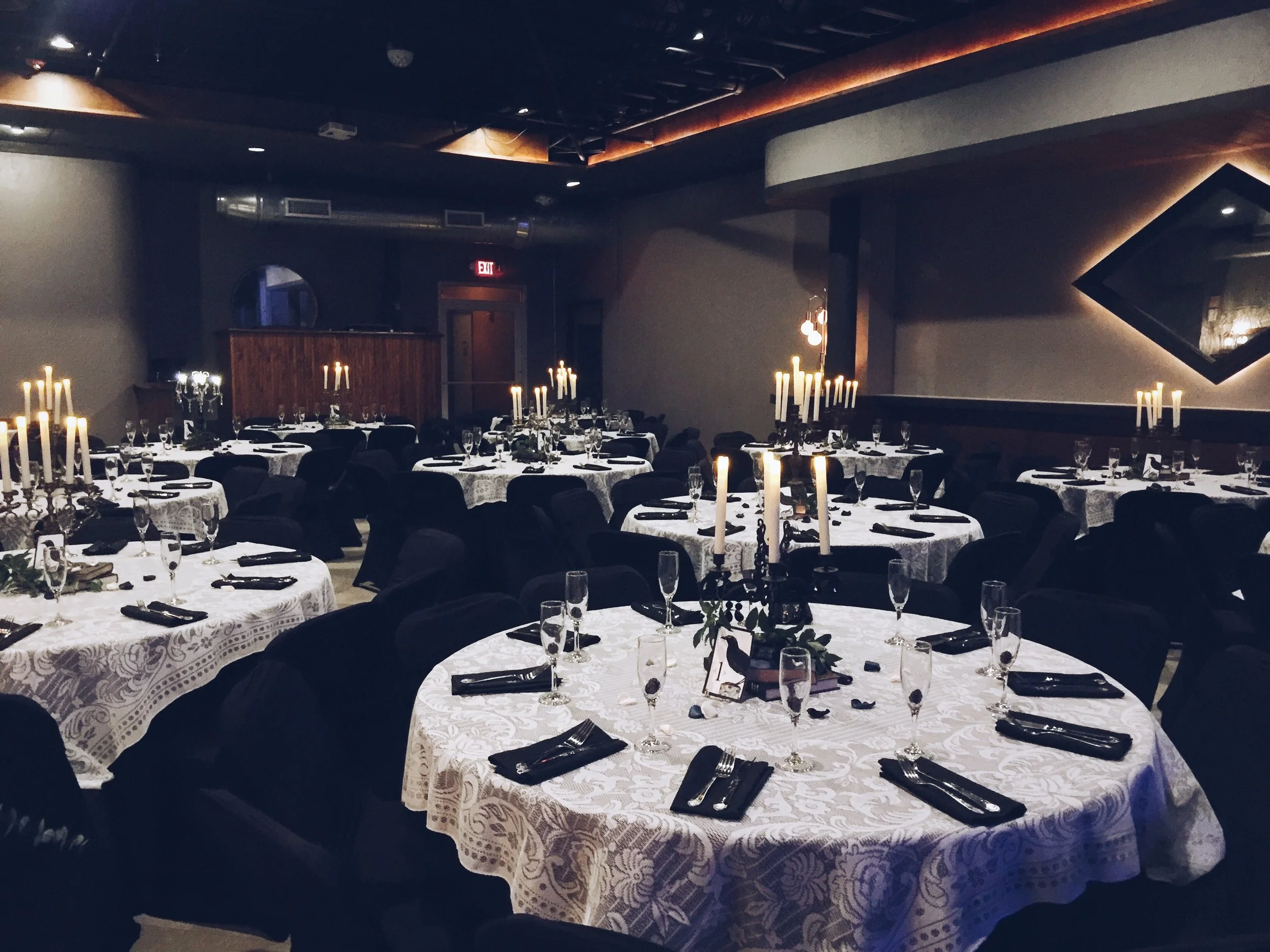
Inside the Room
A look at the stage, the floor, and the nights that move through them.
Insurance Essentials for Wooly Vendors and Performers
Booking a venue in another country requires more than arranging a date, load-in time and payment. Australian performers, caterers, production teams, photographers and market-style vendors also need to understand how their insurance documents will be assessed by an American venue. The Wooly in downtown Gainesville, Florida, hosts concerts, private functions, weddings, screenings, corporate gatherings and community events, so the risks can vary considerably from one booking to another. Learn more about Sambaipanema.net.
Insurance requirements are usually confirmed as part of the event agreement rather than treated as a universal checklist. A touring band may need cover for public interaction and equipment, while a food vendor may need product liability insurance and evidence that its staff are legally covered. Preparing the right certificates early can reduce delays, clarify responsibility and make an overseas booking easier to manage. Learn more about Conventionantwerp.com.
Why Coverage Matters at a Gainesville Venue
A venue’s insurance process protects several parties at once. The Wooly needs to manage risks involving guests, performers, contractors, employees, rented equipment, alcohol service and the building itself. A vendor or artist may cause an injury through a faulty cable, an unstable display, a spilled drink or an item sold to a guest. The relevant policy helps determine who responds if a claim arises.
The Wooly’s flexible floor plan can accommodate a dance floor, stage, screening arrangement, wedding reception or business presentation. That versatility changes the risk profile for each event. A band bringing amplifiers and lighting creates different exposures from a florist, pop-up retailer or corporate presenter. The venue may therefore request insurance evidence based on the booking, the number of attendees, the activity and the equipment involved.
For Australian organisers, it is useful to distinguish between insurance held by the venue and cover held by the supplier. The Wooly’s own policy does not automatically protect an independent vendor or touring act. A contractor’s public liability policy may respond to its negligence, while the venue’s policy may respond to a separate incident involving its own operations. Written contracts and certificates help keep those responsibilities clear.
The venue’s role in Gainesville’s music culture also means performers should treat insurance as part of professional preparation. A look at Gainesville live music shows why a busy calendar can involve local artists, touring acts, audiences and production activity in the same space. The more moving parts an event has, the more important accurate documentation becomes.
Documents Vendors Should Prepare
The central document is generally a certificate of insurance, often called a COI. It summarises the policyholder, insurer, policy number, coverage type, limits and dates. A certificate is evidence of insurance rather than the policy itself, so the venue may ask for policy wording, endorsements or a declaration page if the certificate does not answer a particular requirement.
A typical vendor package may include:
- A current certificate showing commercial or public liability cover
- The insured business name matching the booking contract
- Policy dates covering bump-in, event operation and bump-out
- Limits that meet the venue’s stated threshold
- An additional-insured endorsement if requested
- Contact details for the broker or underwriting company
Australian businesses should ask their broker whether an Australian policy responds to work performed in Florida. A policy arranged for activities in Sydney, Melbourne or Brisbane may contain territorial limits, United States exclusions or a requirement to obtain specific overseas approval. Simply carrying a high dollar limit does not guarantee that the policy will cover an American event.
A broker may also need the exact legal name and address supplied by The Wooly. The certificate could need to identify the venue as an additional insured, list a scheduled event, or include a waiver of subrogation. These are technical endorsements, not wording that should be improvised by a vendor. Sending the venue’s request to the broker well before the event gives the broker time to issue corrected documents.
If a business has several Australian trading names, the insured entity needs special attention. An ABN, company name and public-facing brand may differ. The name on the certificate should correspond with the contracting party, while any related business or subcontractor should be disclosed where appropriate. This prevents confusion if an incident involves casual staff, a hired supplier or a separate production company.
Cover for Performers and Production Crews
Performers commonly need public liability insurance for physical activity, interaction with the audience and the use of instruments or stage equipment. A DJ, band, dance group or solo artist may also need cover for hired equipment, owned gear, transit, cancellation or business interruption. These protections address different losses, so a basic liability policy may not replace a damaged guitar or compensate a cancelled tour date.
Performers should disclose the way their show operates. A quiet acoustic set, a high-energy dance act and a fire performance do not present the same risk. The application may need details about staging, pyrotechnics, aerial work, audience participation, temporary structures, electrical distribution and the number of crew members. If an act uses a production supplier, each party should understand whether the supplier’s policy covers the equipment and installation.
Useful questions for an artist or crew manager include:
- Does the policy cover performances in the United States?
- Are rented speakers, lighting rigs and instruments insured?
- Are volunteers, contractors and road crew included?
- Does the policy exclude stunts, pyrotechnics or audience participation?
- Can the broker issue an additional-insured endorsement?
- Is cover active during travel, load-in, soundcheck and pack-down?
An Australian touring act should also consider workers compensation obligations. Each state and territory has its own system, such as WorkCover arrangements in New South Wales, Victoria and Queensland. That cover may apply to employees in Australia but not to work undertaken overseas. A contractor who invoices through an ABN may not be an employee for one purpose and may still create legal or insurance obligations for another, so the tour manager should obtain professional advice rather than rely on labels.
A venue may ask an artist to comply with technical and safety requirements even when the artist has supplied a COI. Insurance does not replace safe rigging, suitable electrical equipment or competent operators. For a practical sense of how a local act can work within the venue’s performance environment, this local band experience can provide useful context before discussing production arrangements.
Food, Retail and Specialist Supplier Risks
Food vendors face an additional layer of exposure because a guest could become ill after consuming a product. Product liability insurance can respond to claims connected with contaminated, allergenic or incorrectly labelled food, subject to the policy terms. A caterer should disclose preparation methods, refrigeration, delivery, serving style and whether alcohol is supplied. The venue may also require evidence of food safety compliance or a separate agreement covering kitchen use.
Alcohol creates particular complexity for Australian operators. Responsible Service of Alcohol training is familiar to businesses in New South Wales, Victoria and other jurisdictions, but an RSA certificate is not a substitute for compliance with Florida rules. A visiting supplier should confirm who holds the relevant liquor licence, who purchases the stock, who serves guests and who carries responsibility for age verification. The contractual arrangement should match the actual operation.
Other suppliers may need tailored cover for their work:
- Florists and decorators may need cover for installation, candles and temporary structures
- Photographers and videographers may need equipment and professional liability protection
- Hire companies may need cover for furniture, marquees, staging or audiovisual equipment
- Retailers may need product liability for goods sold or displayed
- Mobile beauty or entertainment providers may need professional and public liability cover
Australian market habits can affect the assessment. A weekend artisan stall in Melbourne, a food truck at a Brisbane event and a wedding supplier in Perth may use different business structures, payment systems and casual staffing models. A US venue may not recognise an Australian certificate at face value, particularly where the policy uses Australian legal terminology. Providing an English-language policy summary and a broker contact can help bridge that gap, while the venue retains the right to request specific evidence.
Vendors should also consider the Australian Consumer Law. It governs many goods and services supplied in Australia, but it does not automatically determine how a claim arising in Florida will be handled. Product warranties, refunds and liability exclusions need to be reviewed alongside the US venue contract, especially when a business sells merchandise or services to American customers.
Contract Terms, Limits and International Details
The booking agreement should state the requested liability limit, certificate deadline, additional-insured wording and consequences of non-compliance. In the United States, venues often express limits in US dollars and may request a particular per-occurrence and aggregate amount. Australian policies may state limits in Australian dollars, creating a currency and adequacy issue that should be resolved with a broker.
A certificate should cover the complete period of the supplier’s involvement. That may include delivery, setup, rehearsals, soundcheck, the event itself and removal of equipment. If a vendor arrives on one day and dismantles on another, a single event date may be insufficient. The agreement may also require hired equipment, subcontractors and vehicles to be covered separately.
For corporate organisers, insurance belongs in the early planning stage rather than the final week. The Wooly describes its corporate event space as suitable for meetings and business functions, where a technology supplier, speaker, caterer and venue team may all have distinct responsibilities. A company travelling from Australia should compile certificates from every external provider, not assume that its own corporate policy extends to all contractors.
A sensible document trail includes:
- The signed venue agreement and event schedule
- The venue’s insurance instructions and legal entity details
- Certificates for each supplier and performer
- Relevant endorsements and policy summaries
- Equipment hire, subcontractor and transport information
- Broker correspondence confirming overseas activity
Foreign exchange, tax and legal terminology deserve attention as well. An Australian business may quote in Australian dollars, hold an ABN and charge GST at home, while the Gainesville booking involves US dollars and US tax treatment. Those commercial details do not replace insurance, but they can reveal whether the contracting entity is correctly identified. Specialist advice may be worthwhile where the event is large, recurring or involves employees travelling internationally.
If a policy cannot provide the requested endorsement, the supplier should raise that issue promptly with The Wooly. The venue may accept an alternative, require a different policy or decide that the activity cannot proceed. Last-minute substitutions are risky because a replacement vendor may have different cover, staff or operating procedures.
A Practical Preparation Timeline
Start the insurance review as soon as the date and event format are known. Give the broker the venue name, address, activity description, expected attendance, equipment list and travel dates. A broker can then check whether the existing policy covers the United States, whether an endorsement is required and whether the proposed limit is appropriate.
Four to eight weeks before the booking, request the certificate and compare every detail with the contract. Check spelling, policy dates, currency, limits, insured names and additional-insured language. If the venue has provided a template or exact wording, send it to the broker without editing it yourself.
One to two weeks before arrival, confirm that the certificate has been accepted and update the venue about any changes. Re-check suppliers, crew, vehicles, hired equipment and specialist acts. Australian visitors should also keep digital and printed copies of certificates, policy contacts and emergency numbers while travelling.
On event day, insurance paperwork should sit alongside operational documents rather than replace them. Keep incident reporting procedures available, ensure crew members know who manages an injury or property issue, and follow the venue’s instructions for loading, cables, food handling, alcohol service and audience access. Prompt reporting can help preserve evidence and meet policy conditions.
A useful final checklist is:
- Confirm the venue’s exact insurance requirements in writing
- Ask an Australian broker about US territorial cover
- Match the certificate to the contracting legal entity
- Include setup and pack-down in the insured period
- Disclose unusual acts, food service and specialist equipment
- Obtain approval before changing suppliers or event activities
For international vendors and performers, the practical standard is simple: secure suitable liability cover, document it accurately and submit it early. Treat the certificate, contract and event plan as one coordinated package, and the insurance conversation with The Wooly becomes a manageable part of producing a safe, well-organised Gainesville event.
Follow the Calendar
News, ticket links, and last-minute additions posted across our channels.
Explore the Venue
Five pages covering the full run of programming and private bookings.
Browse the schedule for movie showings, live music, and art shows.
Weddings, holiday banquets, cocktail parties, and anniversaries.
Meetings, networking, luncheons, and fundraisers with AV support.
Concerts, film screenings, art showcases, and community pop-ups.
Photos from past concerts, private functions, and gatherings.