Live shows, movie nights, art openings, private parties, and corporate meetings at 20 N Main St — minutes from the University of Florida and Shands Hospital.
Stay in the Loop
Get the next show, screening, and event announcements sent to your inbox.
Inside the Room
A look at the stage, the floor, and the nights that move through them.

A Local Band Finds Its Sound At The Wooly
For a local Gainesville band, playing The Wooly is more than another date on the gig calendar. The downtown venue brings together the practical elements musicians need on a working night: a flexible room, professional audio-visual support, a full-service bar, in-house catering and an audience already accustomed to live entertainment. At 20 N Main Street, close to the University of Florida and Shands Hospital, it sits in a part of the city where students, health workers, residents and visitors naturally cross paths.
That combination creates a useful point of comparison for Australian musicians and event organisers. A Melbourne indie group used to a late tram home, a Brisbane songwriter familiar with small bar circuits or a Sydney band planning a US tour may recognise the rhythm of the evening, while noticing the differences in licensing, transport, tipping and venue operations. The experience of a Gainesville quartet at The Wooly shows how a good room can turn a routine performance into a meaningful professional milestone.
Before Load-In, The Venue Sets The Tone
The band arrived with the usual mixture of confidence and nerves. They had played small clubs, patios and community events around Gainesville, yet The Wooly felt different because the booking involved more than an empty stage and a power outlet. The venue could host a concert, film screening, art opening, private party or corporate gathering, so the room had to adapt quickly to the event’s purpose.
That flexibility helped the musicians think beyond their own set. They discussed where the audience would stand, how much space the support act needed and whether tables should remain in place. Australian bands often make similar decisions when shifting between a compact inner-city room in Fitzroy, a warehouse in Brisbane’s Fortitude Valley and a festival side stage in Adelaide. The difference is that a versatile venue makes those changes part of the planning conversation rather than a last-minute compromise.
The location also reduced some of the uncertainty around arrival. The Wooly is within walking distance of the University of Florida, and a walking route guide can help visitors understand the connection between campus and the venue. For an Australian act, that is similar to checking the practical distance between a university precinct and a club in Carlton or Newcastle before promising an early soundcheck.
A Flexible Room Gives The Band Options
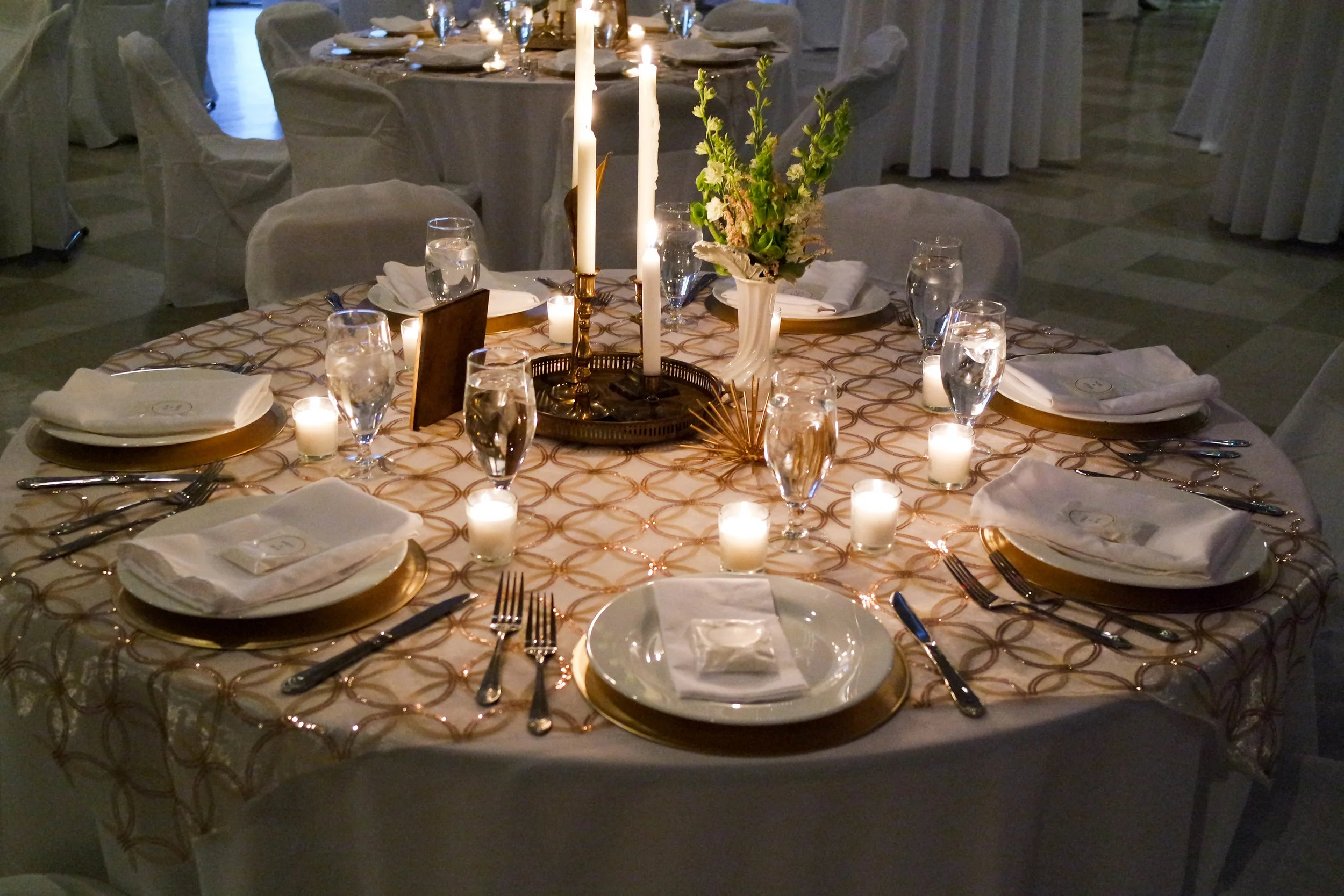
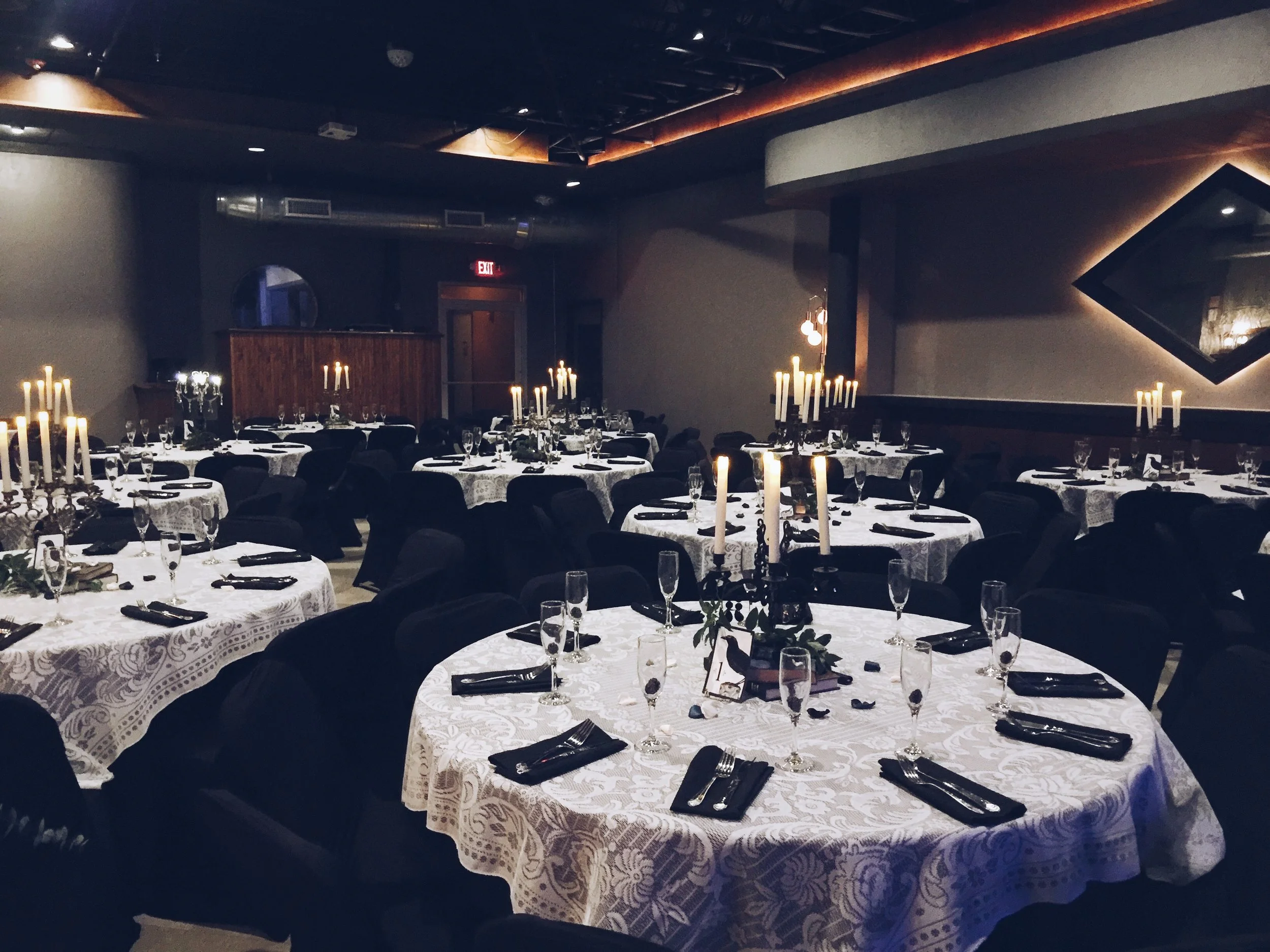
The quartet’s first impression came from the way the floor plan could be shaped around the crowd. A close, standing-room arrangement would keep energy near the stage, while a more open layout could accommodate an art display, cocktail function or seated screening. That versatility mattered because the band wanted its songs to feel intimate without making the room seem empty.
A venue’s physical character affects performance more than many musicians expect. In a narrow bar, the drummer may dominate the mix and the audience can press close to the monitors. In a larger hall, a singer needs stronger visual communication because people are spread across the room. The Wooly gave the band a middle ground: enough capacity for a lively audience, with a scale that still allowed the performers to read faces and respond to movement.
Readers comparing American and Australian venues can explore this practical distinction through Gainesville venue comparisons. For an Australian promoter, the relevant questions are familiar: Is the room suitable for a launch party? Can the furniture move? Is there a reliable bar operation? Does the venue support a polished corporate presentation as comfortably as a noisy Friday-night gig?
The answers influence the financial side of a booking as well. Australia’s live music market includes small rooms that depend on ticket sales, bar revenue and repeat local audiences, while larger venues may have stricter production requirements and minimum spends. A band assessing The Wooly would still need to clarify its agreement, settlement terms, merchandise arrangements and any hospitality costs before announcing the show.
Soundcheck Turns Preparation Into Performance
The technical team changed the band’s mood during soundcheck. Instead of racing through one chorus while a staff member adjusted a single microphone, the musicians could work through the details that make a set feel controlled. The engineer checked vocal clarity, guitar balance, drum levels and transitions between songs, while the band tested how the room carried quieter passages.
Professional audio-visual support is particularly valuable for a group that is still developing its live identity. A vocalist can concentrate on phrasing when the monitor mix is dependable. A guitarist can use dynamics rather than simply turning up. The drummer can play with restraint because the sound system does not require every instrument to be pushed to its limit.
This is where an Australian band may notice operational differences. In many local rooms, musicians are used to carrying their own leads, amplifiers and spare microphones, then settling quickly before a strict curfew. Australian noise restrictions, liquor licensing requirements and venue-specific sound limits can shape the night, especially in dense areas such as Sydney’s inner west or Melbourne’s live-music precincts. The Wooly experience still rewards preparation, but the available production support gives the performers more room to focus on the audience.
The soundcheck also gave the band a chance to arrange the set list around the room. They opened with a direct, rhythmic number, placed a slower song after the first burst of energy and saved their most recognisable track for the final third. That sequence made sense for a mixed crowd containing regular followers, university students and people who had discovered the gig through a community listing.
The Crowd Connects Through More Than Music
By the time the doors opened, the event had a social life of its own. Friends arrived together, students drifted in after campus commitments and local supporters greeted the band before the first note. The full-service bar kept the front-of-house experience moving, while the room’s layout encouraged people to stay rather than treat the performance as background noise.
That atmosphere matters to local artists. A band’s reputation is built in the spaces between songs: a conversation near the merchandise table, a recommendation from a friend, a promoter noticing that the group can handle a mixed bill. A performance at The Wooly can therefore become a networking opportunity without feeling like a formal business function.
The same principle applies to Australian festivals, showcases and industry gatherings. Musicians often meet potential collaborators while waiting for coffee, sharing a rideshare or comparing set times. Practical networking advice, such as festival connection ideas, is useful because strong professional relationships usually grow from specific conversations rather than vague promises to “keep in touch”.
Local habits can shape that interaction. Australians may grab an arvo coffee before a show, use a phone wallet or tap-and-go payment at the bar and organise a lift home around the last train. In Gainesville, visitors may rely more heavily on cars, rideshares or walking from campus, and the crowd’s timing can reflect American dining and entertainment patterns. Noticing those differences helps a touring band read the room without trying to imitate it.
Details That Help A Show Run Smoothly
The band learned that a successful venue experience depends on small decisions made well before the first song. Its preparation checklist included:
- Confirming arrival, parking, load-in access and the soundcheck window
- Sharing an accurate stage plot and input list with the production team
- Agreeing on set length, support-act changeover and encore expectations
- Preparing merchandise, payment options and a simple mailing-list system
- Allowing time for hospitality, photographs and conversations after the set
These habits translate easily to the Australian market. A group travelling from Perth or Hobart may need to account for flights, freight, accommodation and long distances between dates, while a Gainesville band can often reach regional supporters by car. Either way, an unclear schedule creates avoidable stress, especially when a venue is also hosting a private function, screening or corporate meeting.
The musicians also noticed the value of clear alcohol and safety procedures. In Australia, staff serving alcohol generally need Responsible Service of Alcohol training, and each state or territory applies its own liquor rules. American venues follow their own licensing and identification requirements, so an Australian performer should never assume that familiar practices apply overseas. The sensible approach is to ask the venue who handles service, what identification is accepted and how underage guests are managed.
Other local realities deserve attention too. Australian venues frequently communicate through EFTPOS, QR codes and digital ticketing, while a US venue may have different payment expectations and tipping customs. GST is built into many advertised Australian prices, whereas US pricing can be presented before sales tax. Clarifying the final cost of tickets, catering, room hire and production avoids confusion for a band or promoter working across currencies.
What The Band Took Home
The most valuable result was not simply a strong set. The musicians left with a clearer understanding of what their act could become when the venue supported both the artistic and operational sides of the night. They had played to familiar Gainesville listeners, reached new people and gained practical evidence that their songs worked in a professional room.
Their main lessons were straightforward:
- A flexible floor plan can change the emotional shape of a concert
- Technical preparation allows musicians to perform with greater confidence
- A good venue creates useful contact between artists, audiences and organisers
- Hospitality influences how long guests stay and how they remember the event
- Local shows can build momentum for touring, private bookings and festival work
The night also showed why a venue calendar matters. Concerts, movie nights, community events and art openings bring different audiences through the same doors. A band that understands this wider programme can position itself more intelligently, perhaps by proposing a themed bill, supporting a visiting act or contributing to a community-focused event rather than waiting for a standard Saturday booking.
For an Australian reader, the parallel is easy to see in a neighbourhood venue that hosts an album launch one week, a comedy event the next and a community fundraiser after that. The strongest rooms become part of the local cultural infrastructure. They give emerging performers a place to test material, give audiences a dependable night out and give organisers a setting that can change without losing its identity.
A Stage Experience That Keeps Working Afterwards
Performing at The Wooly gave the Gainesville band more than a favourable review or a full room. It placed the group inside a network of people who care about live music, flexible events and the character of downtown Gainesville. The venue’s proximity to the University of Florida, its adaptable layout and its production and hospitality services helped the band concentrate on connection rather than logistics.
That is the lasting value of a well-run local show. Musicians gain confidence, promoters see how an act behaves under real conditions and audiences discover artists they may follow to another venue. For Australian bands considering an American tour, the lesson is practical: study the room, understand the local rules, prepare a detailed technical brief and leave enough time for genuine conversations after the performance.
The next step is to build a one-page touring brief with the band’s stage plot, input list, set length, hospitality needs and preferred load-in time before approaching The Wooly for a date.
Follow the Calendar
News, ticket links, and last-minute additions posted across our channels.
Explore the Venue
Five pages covering the full run of programming and private bookings.
Browse the schedule for movie showings, live music, and art shows.
Weddings, holiday banquets, cocktail parties, and anniversaries.
Meetings, networking, luncheons, and fundraisers with AV support.
Concerts, film screenings, art showcases, and community pop-ups.
Photos from past concerts, private functions, and gatherings.