Live shows, movie nights, art openings, private parties, and corporate meetings at 20 N Main St — minutes from the University of Florida and Shands Hospital.
Stay in the Loop
Get the next show, screening, and event announcements sent to your inbox.
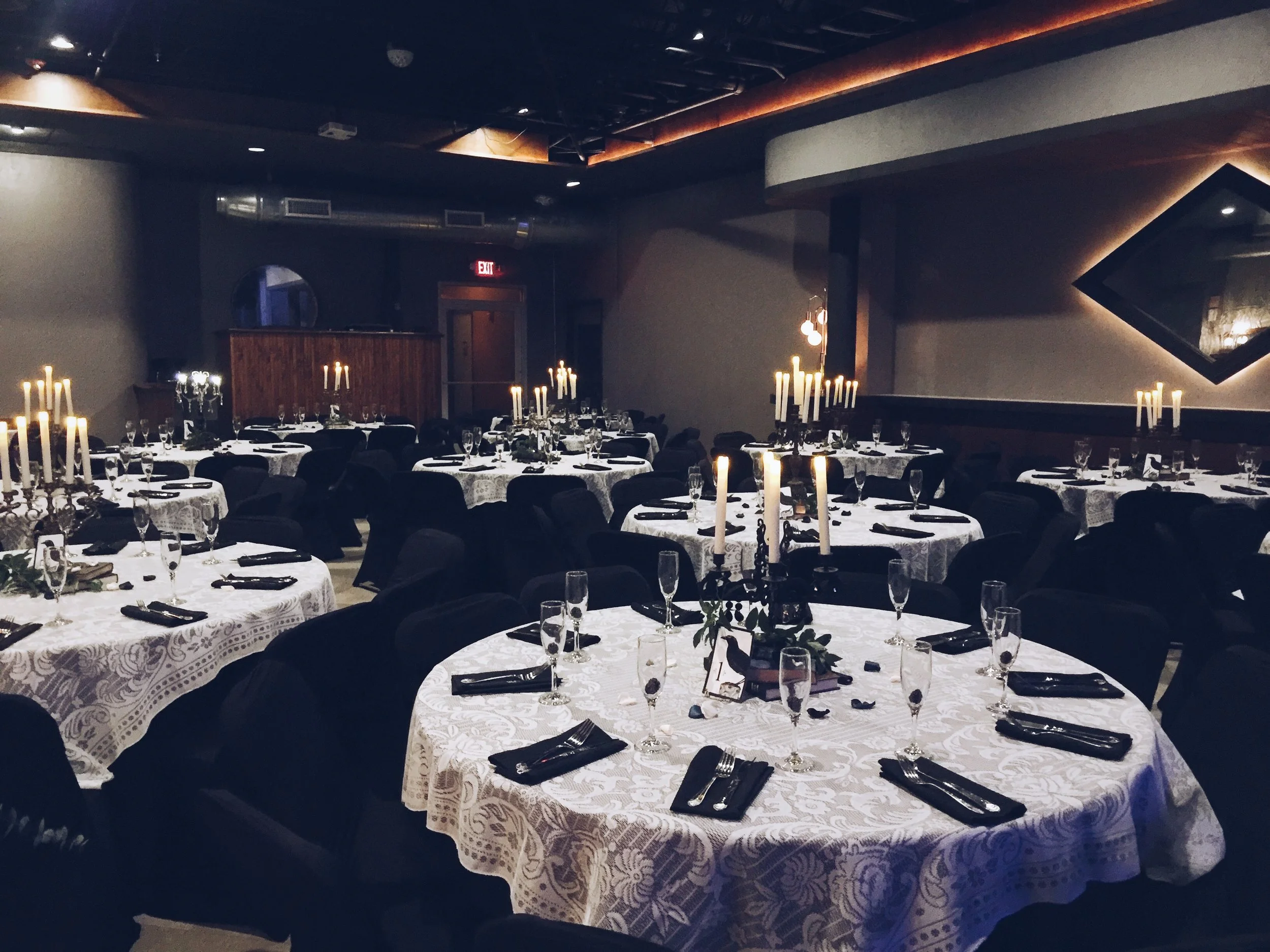
Inside the Room
A look at the stage, the floor, and the nights that move through them.

How The Wooly became Gainesville's live music powerhouse
When the lights drop inside the old brick building on North Main Street, the rumble of a kick drum carries out onto the footpath where students from the University of Florida drift between lectures and late lunches. That pause before the bassline lands has become a familiar ritual for a town that once relied on house parties and college bar backrooms for its music fix. The Wooly sits in the middle of that shift, tucked into a downtown block that is half café terraces, half sun-bleached parking spots, and a short walk from Shands Hospital and the edge of campus. Locals who grew up here will tell you the venue did not invent Gainesville's music scene, but it certainly gave the scene somewhere to land.
Gainesville has always had more bands per capita than its population suggests, a quirk of college-town economics where musicians keep their overheads low and the practice rooms stay full. The Wooly took that energy and gave it a roof with proper rigging, a stage tall enough for a full drum riser, and a PA that can match a touring rider without raising eyebrows. The result is a venue that pulls in songwriters from Nashville, indie rockers from Brooklyn, jazz quartets from New Orleans, and the occasional Australian act on a long-haul US swing who quickly learns that this room can handle their set just as well as the Corner Hotel in Richmond or The Triffid in Brisbane. What started as a flexible events venue has quietly grown into one of the most reliable stops on the regional touring circuit.
From empty floor to acoustically tuned room
The Wooly did not begin life as a temple of live sound. The bones of the building were once a retail showroom, the kind of wide-open rectangle that swallows up applause and turns lyrics into mud. The owners who took it over understood that a flexible floor plan was only useful if the room could also sound like a music venue, not a gym. They brought in acoustic treatment behind the stage, hung proper curtains along the side walls, and tuned the lighting rig so that an opener with a single acoustic guitar felt as considered as a four-piece headliner. The attention paid off: bands that had played bigger rooms in bigger cities started listing The Wooly as a highlight of the tour, the way Australian musicians often talk about Howler in Melbourne feeling like a proper gig even on the tightest of door deals.
That decision to treat the room seriously changed how agents booked the venue. A promoter once needed to apologise to a manager for the sound quality of a smaller Florida stop. Those conversations barely happen now. The crew at The Wooly walks touring sound engineers through the patch bay, hands them a proper stage plot, and trusts them to mix the way they would at The Gov in Adelaide or The Tote in North Melbourne. It is a quiet kind of professionalism that does not announce itself with signage, but it shows up in every front-of-house mix that lands clean on the first song, and in the fact that monitors stop being a problem by the second.
A booking philosophy built on range
Plenty of venues try to corner one slice of the market, lean into metal, or stack the calendar with EDM, or chase only singer-songwriter ticketed shows. The Wooly went the other way and made range the brand. On any given month you might find a roots-Americana act on a Tuesday, a hip-hop showcase on a Wednesday, a country songwriter from Texas on Thursday, and a community gospel choir on a Saturday afternoon matinee. The booking team reads the room and reads the town, balancing what brings in a proper Friday night crowd with what gives the local scene a place to grow.
That range has become its own marketing tool. A patron who turns up for a soul revue in January will see a flyer for an indie-folk record release in February and think nothing of coming back. It mirrors how Australian rooms like The Corner in Richmond or the Brisbane Powerhouse programme their seasons, mixing tribute nights, emerging artist showcases, and international touring acts under one roof. The Wooly has leaned into that same sensibility, treating the calendar less like a spreadsheet of one-off bookings and more like a thoughtfully built mixtape that you would happily hand to a mate. The strategy rewards patience: a band that fills the room in February will pull their friends back in March, and the audience grows by word of mouth rather than by paid reach.
Touring acts find a Gainesville stop worth keeping
Tour routing is a brutal arithmetic of miles, fuel, and hotel costs, especially for bands flying in from the other side of the world. An Australian band working a US run will often sit down over a late-arvo coffee somewhere in Brooklyn and wonder whether a stop in north-central Florida is worth the detour from Atlanta or the slog down from Jacksonville. The Wooly has made that math work by stacking the deck in the band's favour. Load-in is smooth, the green room is actually a green room, the hospitality rider gets more than a token effort, and the local crowd tends to show up early because the venue has trained them to.
That kind of reputation travels back through booking agencies and tour managers faster than any paid advertisement. Artists who once skipped Gainesville on a southeastern swing now pencil it in, partly because the room respects the band, partly because the audience respects the room. A Melbourne four-piece on a five-week US run can land at The Wooly and find a hospitality setup that reminds them of home, the kind of care that Triple J listeners have come to associate with venues that actually care about the artist beyond the door count. By the second visit on a later tour, that same Melbourne band will often bring a friend from Sydney along for the Florida date, which is exactly how a venue builds a touring roster that wants to come back.
A multi-use space that keeps the calendar full
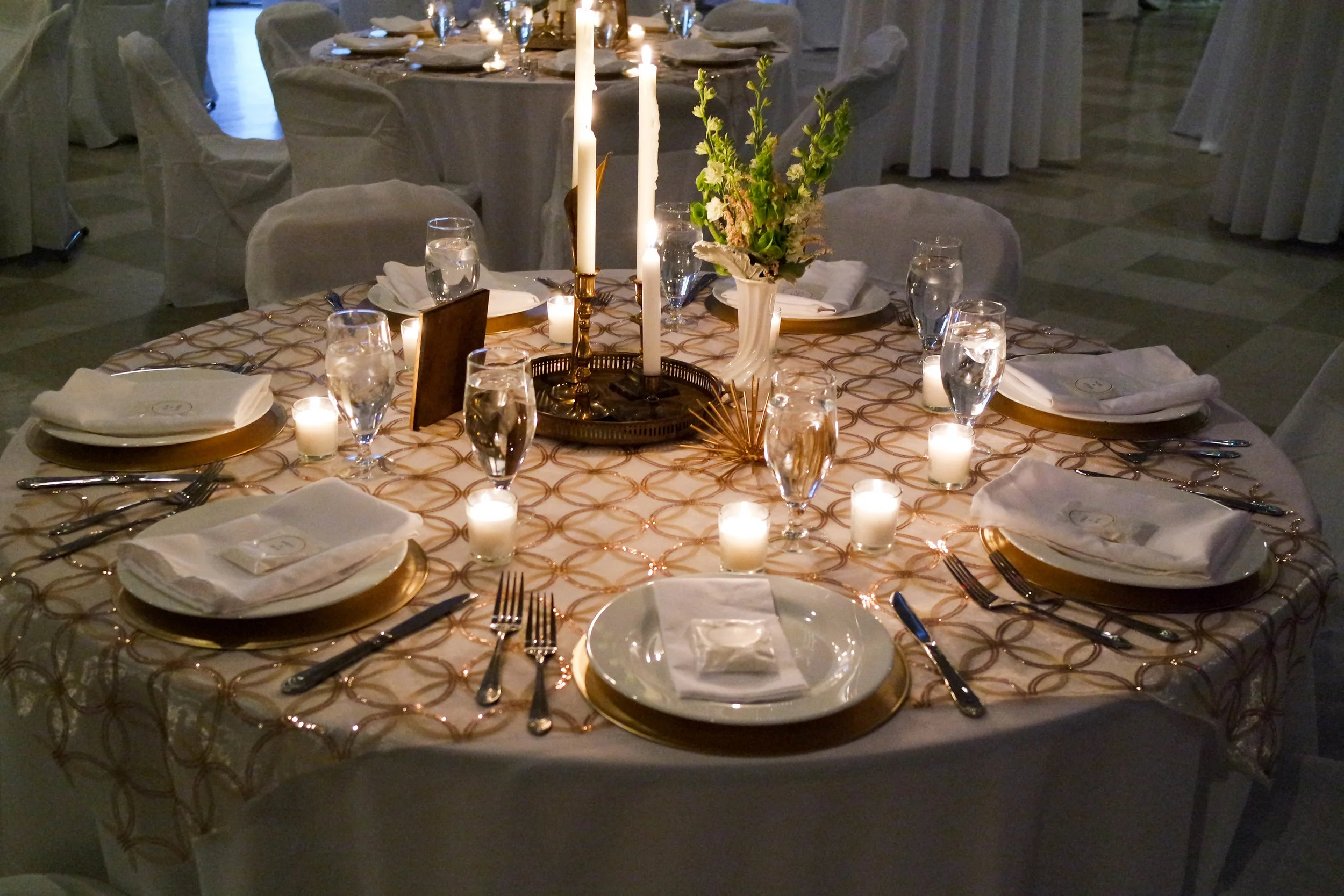
A live music venue that runs only on ticket sales lives and dies by the touring calendar, and the gaps between tours are usually where smaller rooms quietly close. The Wooly avoided that trap by staying genuinely versatile. The same flexible floor plan that supports a band setup can be reconfigured the next night for a film screening, a corporate meet-and-greet, a wedding reception, or a private birthday. The in-house catering team and the full-service bar mean a planner is not stitching together five vendors to pull off a single evening, which is the kind of operational relief that event organisers talk about over a long lunch for weeks afterwards.
That mix of uses does more than keep the lights on. It feeds the music programme by bringing in audiences who would never have bought a gig ticket on their own. A couple who came in for a wedding ends up spotting a poster for an upcoming show. A corporate client hosting a product launch walks past the dressing rooms and asks whether they can host a launch event with a live band. The Wooly's waste reduction efforts play into this same ethic, because running a versatile venue responsibly means thinking about what leaves the building, not just what comes through the door. Even the green-room leftovers from a catered function get redirected instead of tossed, a small operational detail that reflects a wider philosophy about treating every night as part of a longer pattern.
Community trust and the path forward
What really locks a venue into a city's identity is the slow accumulation of trust, the regulars who know the bartender by name, the sound tech who remembers which monitor mix a returning act prefers, the photographer who has shot three years of Monday night showcases in the same corner. The Wooly has accumulated that kind of trust across a wide cross-section of Gainesville. Students come for cheap weeknight shows, hospital staff from Shands duck in for a quiet drink and a band they have never heard of, longtime residents bring out-of-town family and treat the venue like the cultural centre it has quietly become.
That trust also shows up in how the venue thinks about who gets to come through the door. Accessibility is treated as part of the experience, not an add-on, and the wheelchair access features have been built into the room from the start rather than bolted on as an afterthought. A patron using a mobility aid should not have to plan their night around whether they will be able to get a decent view of the stage, and at The Wooly that planning is already done. It is the kind of quiet, practical respect that Australian venues have been pushing for over the past decade, and it is one more reason the room holds a soft spot for touring crews who pay attention to those details.
Looking ahead, the path forward for The Wooly is less about chasing scale and more about sharpening what already works. The booking team keeps an eye on emerging regional scenes from Atlanta to Athens, from Orlando's indie circuit to the surf-rock bands coming out of Tampa, while also staying open to international acts who can make the routing math work. Gainesville's music community is famously generous, the kind of place where a touring guitarist gets a guest-list spot and ends up sitting in with the local band the next night at a backyard house show. The Wooly aims to be the formal address for that kind of cross-pollination, a stage where the next great Gainesville band can sharpen their set in front of a room that actually knows how to listen.
The booking calendar is already filling with a fall lineup that leans into hip-hop, indie-Americana, and a long-awaited return from a Jacksonville jazz collective that has not played downtown in three years.
Follow the Calendar
News, ticket links, and last-minute additions posted across our channels.
Explore the Venue
Five pages covering the full run of programming and private bookings.
Browse the schedule for movie showings, live music, and art shows.
Weddings, holiday banquets, cocktail parties, and anniversaries.
Meetings, networking, luncheons, and fundraisers with AV support.
Concerts, film screenings, art showcases, and community pop-ups.
Photos from past concerts, private functions, and gatherings.