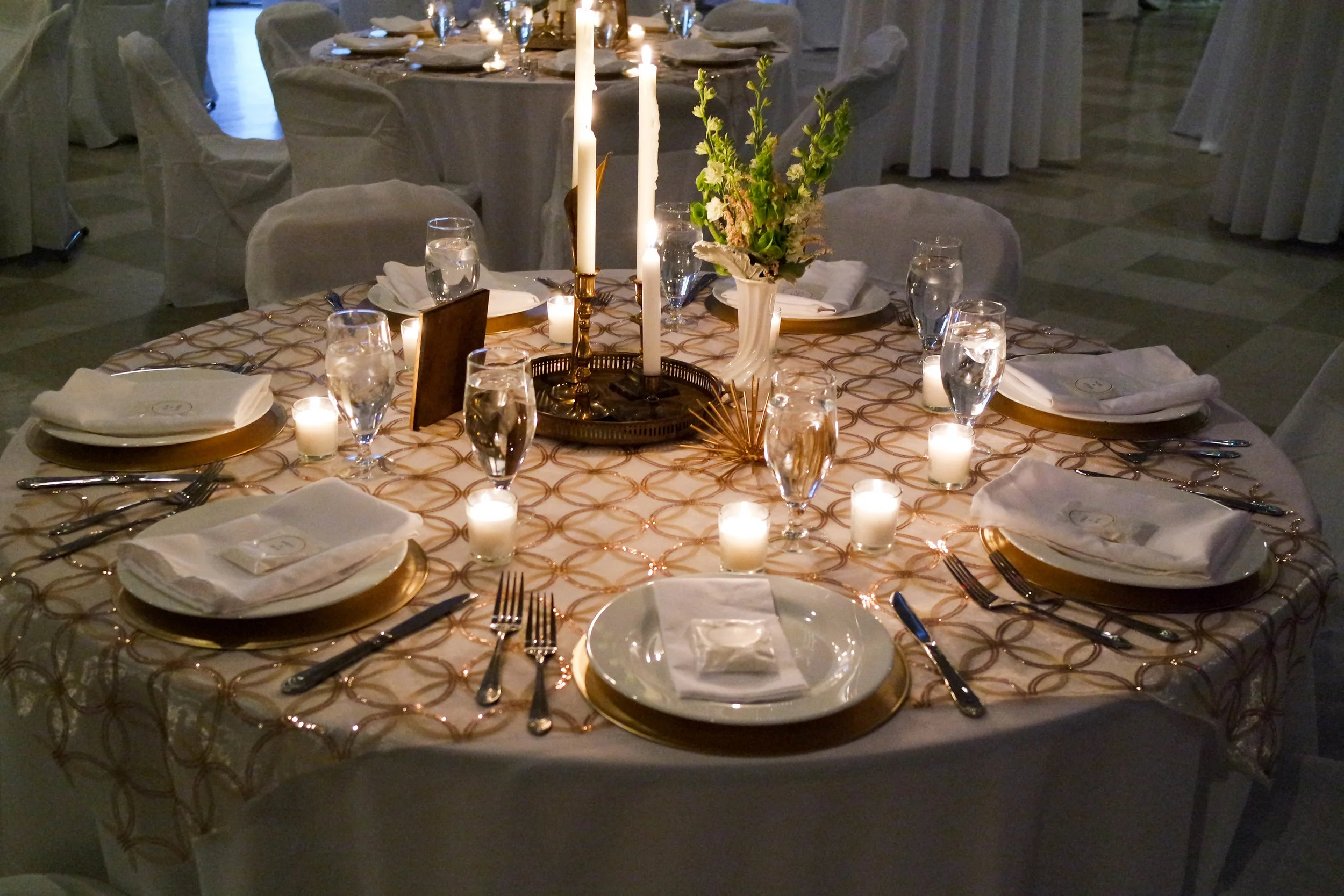
Live shows, movie nights, art openings, private parties, and corporate meetings at 20 N Main St — minutes from the University of Florida and Shands Hospital.
Stay in the Loop
Get the next show, screening, and event announcements sent to your inbox.
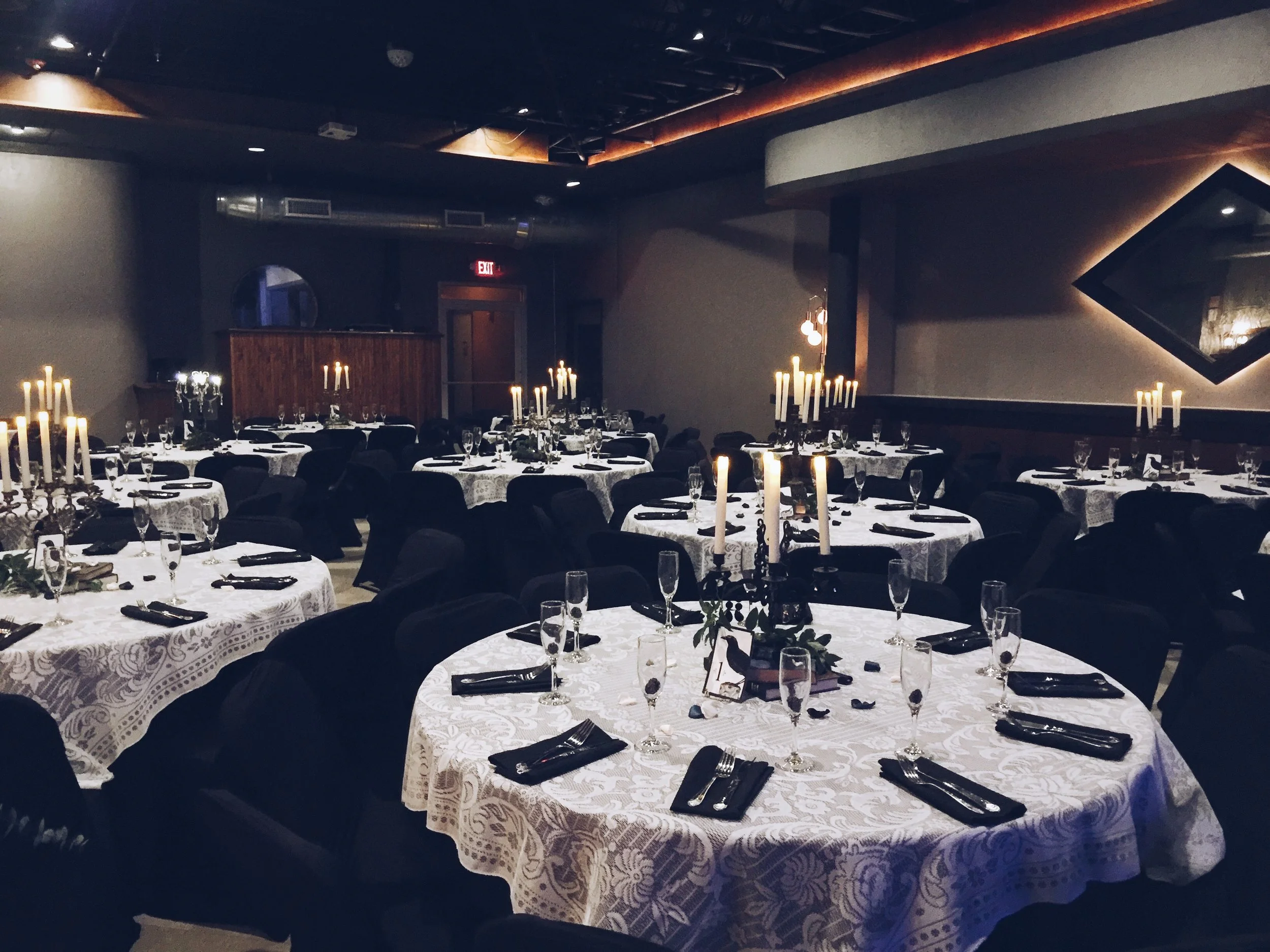
Inside the Room
A look at the stage, the floor, and the nights that move through them.
How The Wooly’s technical crew supports your event
A successful event depends on far more than a room, a stage and a playlist. Guests notice when voices are clear, performers can hear themselves, videos start on time and lighting makes the space feel intentional. The technical team is the quiet structure holding those details together, allowing hosts, artists and audiences to focus on the occasion rather than the equipment. Learn more about Istanbuldance.org.
At The Wooly in downtown Gainesville, Florida, that support is shaped around a flexible venue. The space can accommodate live music, film screenings, weddings, private celebrations, corporate meetings, art openings and community events. Each format brings different requirements, from microphone placement and projection surfaces to stage power, room layout and the timing of a catered meal.
For an Australian organiser, the practical questions may feel familiar even when the location is overseas. You might be planning around an arvo reception, a footy finals weekend, school holidays or guests arriving from different parts of town. The same principles apply in Brisbane, Melbourne or Sydney: confirm the run sheet early, allow time for bump-in and soundcheck, and give the crew enough information to build a reliable production plan.
The Wooly is located at 20 N Main Street, close to the University of Florida and Shands Hospital. That central position makes it useful for local audiences, visiting artists and business groups, while its in-house audio-visual support, catering and full-service bar reduce the number of separate suppliers an organiser must coordinate.
The technical team starts with the event’s purpose
Production planning begins by identifying what the gathering needs to achieve. A touring band may require a stage plot, input list, monitor mixes and changeover schedule. A company presentation may prioritise speech intelligibility, presentation playback and a polished image for attendees. A wedding often needs dependable microphones, music cues, speeches, dancing and adaptable lighting across several parts of the evening.
This discovery stage helps the crew match equipment and labour to the event rather than treating every booking as a standard package. The team can consider the expected audience size, the number of presenters or performers, the location of the dance floor, catering movements and whether the room should feel intimate, energetic or formal.
A venue’s technical staff also provide an important translation service between creative ideas and practical production. Someone may ask for “a big concert feel” or “a cinematic atmosphere”; the crew turns that brief into speaker coverage, lighting positions, screen size, playback formats and a workable floor plan. Organisers do not need to arrive with specialist terminology to have a productive conversation.
That process is especially valuable for Australian clients arranging an event from another time zone. A clear advance brief can cover access times, supplier arrivals, dietary service windows, presentation files, music licensing questions and who has authority to approve last-minute changes. It also prevents the common assumption that a room will automatically suit every layout.
Audio support keeps the room connected
Good sound is central to nearly every event. The audience should hear a keynote without straining, a singer should receive a useful monitor mix, and background music should support conversation rather than overpower it. The technical crew manages microphones, speakers, mixing consoles, playback sources and stage monitoring as one connected system.
For live music, preparation may include reviewing the band’s technical rider, checking instrument inputs, placing microphones, setting monitor levels and balancing the front-of-house mix. The crew also works around the band’s stage arrangement and changeover needs. A local act’s perspective can help organisers understand what this feels like in practice; a band’s Wooly experience shows why communication between performers and venue staff matters before the first note.
For spoken events, the priorities change. A lectern microphone, handheld unit or lapel microphone must suit the speaker and the room. Presenters may move, share a stage or answer questions from the floor, so the team plans for transitions rather than simply switching on one microphone. Clear sound is particularly important when an event includes older guests, remote participants or a large amount of spoken information.
Australian event professionals will recognise the value of a proper soundcheck before doors open. Whether the booking is a Melbourne panel discussion or a Gainesville showcase, a few minutes spent testing every microphone, video clip and playback source is far less disruptive than troubleshooting in front of guests. The crew can also help account for the different acoustic demands of a mostly seated meeting compared with a lively dance floor.
Lighting and video shape the guest experience
Lighting gives a flexible room its visual identity. A concert might use colour, movement and contrast to energise the audience, while a wedding may call for warm illumination around the bar, stage and dance floor. An art opening can benefit from controlled light that supports viewing without flattening the atmosphere, and a corporate event needs presenters to remain visible in photographs and video.
The technical crew considers sightlines as well as mood. Lighting fixtures must be positioned so they do not shine directly into guests’ eyes or wash out a projection. Presenters need enough light to read notes and engage with the room. Performers need to see one another. These choices become more important when the floor plan changes between a ceremony, meal and dancing.
Video support can include screens, projectors, presentation playback, film audio and connections for a client laptop. The organiser should provide presentation files and films in advance where possible, with fonts, videos and audio embedded or supplied separately. A technical check can reveal aspect-ratio problems, incompatible adapters, low-resolution images or a film soundtrack that needs balancing.
For organisers comparing a screening with a live event, this film screening guide offers useful context on the planning involved. In Australia, outdoor cinema and pop-up screenings often require extra attention to ambient light, weather and audience comfort; an indoor venue still benefits from the same disciplined checks for image quality, room darkness and sound coverage.
| Event format | Main technical priorities | Crew support to discuss early |
|---|---|---|
| Live music | Stage sound, monitors, microphones and lighting | Stage plot, input list, soundcheck and changeovers |
| Film screening | Projection, playback, screen visibility and film audio | File testing, aspect ratio, room blackout and seating |
| Corporate meeting | Speech clarity, presentation playback and presenter visibility | Microphone style, laptop connections, cueing and recording |
| Wedding or private party | Speeches, music, lighting and smooth transitions | Run sheet, ceremony layout, dance floor and key announcements |
| Art opening | Ambient lighting, background audio and guest movement | Artwork visibility, hanging or display areas and opening remarks |
Flexible layouts make production more reliable
Technical planning works best when it is integrated with the physical layout. The position of the stage, audience seating, bar, catering stations and presentation screen affects cable runs, speaker coverage, lighting angles and staff movement. The Wooly’s adaptable floor plan allows the room to be shaped around the booking instead of forcing every event into one arrangement.
For a wedding, the crew may need to support a ceremony setup before helping transform the room for dinner and dancing. For a corporate meeting, the screen and presenter position should be visible from every seat, with clear paths for guests and service staff. For a concert, the stage and audience relationship may be the priority, while a film night calls for carefully aligned seats and an unobstructed view.
The production team also coordinates with other venue functions. Catering timing can affect access to the room, a bar queue can create unwanted noise near a speaker, and a late furniture change can interfere with a cable route. Collaboration between technical, hospitality and event staff helps keep the production safe and discreet while the event is underway.
This is where local Australian planning habits can be useful. Professional venues commonly distinguish between bump-in, doors, show time and bump-out, and those terms should appear clearly in the schedule. A supplier arriving during the same window as guests is likely to create pressure anywhere, whether the event is in a Brisbane warehouse or at a downtown Gainesville venue. Allowing a realistic pack-in period gives the crew room to test systems rather than rushing through them.
Advance communication reduces last-minute surprises
The strongest technical result usually comes from information shared early. An organiser should provide the event date, access requirements, estimated attendance, timetable, room style, performer or presenter details, media files and any special requests. It is also useful to identify who will make decisions on the day, especially when a client, production company, caterer and entertainment supplier are all involved.
A simple run sheet can include every cue: guest arrival, welcome remarks, meal service, speeches, film playback, band sets, breaks and finish time. The crew can then plan transitions and identify moments that require a lighting change, microphone handover or playback cue. If the programme includes a surprise performance or a last-minute speaker, confidential details can still be communicated privately to the relevant technician.
Australian organisers should also confirm commercial and regulatory details early. A business event may involve GST-inclusive budgeting, supplier insurance or procurement requirements. A licensed event needs clarity around service arrangements and responsible service expectations, while accessibility planning should account for step-free movement, seating positions, hearing needs and clear sightlines. The venue team can advise on what is practical within the space and its existing services.
Weather is another familiar consideration for Australian planners, especially when guests are travelling from different suburbs or when an event includes an outdoor arrival area. Gainesville has its own climate and seasonal conditions, so transport, wet-weather access and equipment protection should be part of the conversation. A good technical plan includes contingencies for delayed arrivals, a changed programme or a presentation that must run from a backup device.
The crew’s role continues after the doors open. Technicians monitor levels, manage cues, respond to equipment issues and adjust to the natural rhythm of the room. They may quietly lower music while speeches begin, correct a microphone position, prepare the next video or support a performer during a changeover. Their work is often most successful when guests barely notice it.
The Wooly’s combination of flexible space, professional audio-visual support, in-house catering and a full-service bar gives organisers a coordinated base for events of very different kinds. The technical crew adds value by turning the booking brief into a practical production system: clear sound, dependable visuals, considered lighting, safe access and smooth transitions.
For anyone planning from Australia, the essential habit is to share the run sheet and technical requirements well before the event, allow proper bump-in and testing time, and treat the venue team as part of the planning process. What the reader should remember is simple: strong event production begins long before guests arrive, and The Wooly’s crew helps make every technical detail serve the experience.
Follow the Calendar
News, ticket links, and last-minute additions posted across our channels.
Explore the Venue
Five pages covering the full run of programming and private bookings.
Browse the schedule for movie showings, live music, and art shows.
Weddings, holiday banquets, cocktail parties, and anniversaries.
Meetings, networking, luncheons, and fundraisers with AV support.
Concerts, film screenings, art showcases, and community pop-ups.
Photos from past concerts, private functions, and gatherings.