Live shows, movie nights, art openings, private parties, and corporate meetings at 20 N Main St — minutes from the University of Florida and Shands Hospital.
Stay in the Loop
Get the next show, screening, and event announcements sent to your inbox.
Inside the Room
A look at the stage, the floor, and the nights that move through them.

Wheelchair Access at The Wooly in Gainesville
For wheelchair users visiting Gainesville from Australia, a venue’s atmosphere matters, but practical access matters first. The Wooly is a versatile event space at 20 N Main Street in downtown Gainesville, close to the University of Florida and Shands Hospital. Its programme includes concerts, film screenings, art events, private celebrations, weddings and corporate functions, so the access experience can change with the event layout.
The venue’s flexible floor plan, professional audio-visual support, in-house catering and full-service bar provide a useful foundation for inclusive events. However, wheelchair access is more than reaching the front door. Entry thresholds, internal routes, toilet access, seating positions, queue management, lighting and staff communication all affect whether an evening feels genuinely welcoming. Confirming current arrangements before travelling is the safest approach, particularly for visitors unfamiliar with American venue standards.
Accessible Arrival In Downtown Gainesville
The Wooly’s central position makes it convenient for guests staying near the University of Florida, Shands Hospital or downtown accommodation. Visitors arriving from Australia should remember that Gainesville’s street environment differs from a typical Australian city centre. Footpaths, kerb ramps, crossing signals and construction conditions can vary from block to block, so a short distance on a map may take longer for a manual wheelchair user or someone using a power chair.
The venue’s street address should be shared with drivers, taxis, rideshare services and support workers exactly as written: 20 N Main Street, Gainesville, Florida. Ask the venue which entrance is step-free and whether the accessible entrance is the same one used by general admission guests. If a side or alternative entrance is required, confirm whether it remains open throughout the event and whether staff will be present to provide access.
Parking arrangements also deserve early attention. Ask about nearby accessible parking spaces, the distance between those spaces and the entrance, kerb ramps, and the safest drop-off point. A passenger van may need additional clearance for a ramp or lift. Australian travellers who normally rely on a Disability Parking Permit should check how their permit is recognised in Florida rather than assuming local enforcement will accept it automatically.
Moving Through The Event Space
A flexible floor plan can support wheelchair users when the venue leaves clear routes between the entrance, bar, toilets, seating, exits and event areas. The most useful arrangement is a continuous, unobstructed path with enough turning space for mobility scooters and larger power chairs. Cables, temporary merchandise tables, lighting stands and queue barriers should be positioned so they do not narrow the route.
Ask whether wheelchair spaces are integrated into the audience rather than isolated at the back or side. Good placement allows a guest to attend with friends, maintain a clear view and leave without disrupting the performance. For a standing concert, confirm whether there is a designated viewing area, whether a companion can stand or sit nearby, and how staff manage crowd movement in front of that space.
The Wooly hosts events with very different physical demands. A seated film screening may require a clear route to a fixed seat, while a dance party or live show may involve a denser crowd and changing furniture. A wedding or corporate meeting could use different table layouts, buffet positions and presentation equipment. When booking a private function, include wheelchair circulation in the floor plan rather than treating it as a last-minute adjustment.
Toilet access should be confirmed separately from entrance access. Ask whether an accessible toilet is available on the event level, whether its door and transfer space are suitable for the guest’s chair, and whether furniture or storage can block the approach. If a personal assistant is attending, clarify whether they can enter the accessible facilities when support is needed.
Concerts, Films And Community Events
The Wooly’s varied calendar gives wheelchair users several ways to enjoy the venue. Music events may include local performers and touring artists, film nights can provide a more predictable seated format, and art openings may allow guests to move at their own pace. The venue’s music and art programme is a useful starting point for checking the type of event before contacting staff about access requirements.
For live music, ask about the accessible viewing position, crowd density and sound levels. Some wheelchair users prefer a space with a clear sightline to the stage, while others need room to reposition, transfer or remain close to a companion. A power chair user may also need information about charging access, although indoor charging should never be assumed without approval.
Film screenings raise different questions. Confirm whether the screening uses fixed seating, whether a wheelchair position can be reserved, and whether the audio-visual setup includes captions or assistive listening equipment. Captions are helpful for deaf and hard-of-hearing guests as well as people who process speech more easily through text. If an Australian visitor uses a particular hearing device or captioning system, staff may need advance notice to explain compatibility.
Art openings and community gatherings can be less predictable because people circulate, talk and cluster around displays. Clear routes should remain available throughout the evening, including around catering stations and the bar. Guests may also appreciate a quieter place to pause away from loud music or busy social areas. These details are especially relevant for people who combine wheelchair use with chronic pain, fatigue, sensory sensitivity or another disability.
Communication, Companions And Service Animals
Reliable access begins with clear communication. When contacting The Wooly, describe the practical support required rather than using a broad phrase such as “Is the venue accessible?” Useful questions cover step-free entry, toilet access, seating, companion arrangements, parking, venue staff and the expected crowd. Ask for written confirmation where possible so details are not lost between a booking conversation and the event night.
Australian visitors may be familiar with companion-card arrangements, which are used by many venues across Australia to help people who require essential support. These systems do not automatically apply in the United States. Ask about companion admission, ticketing and whether a support person can remain beside the wheelchair user in the accessible viewing area. The answer may differ between a public concert, a private booking and a ticketed film.
Service-animal rules also differ between countries. In the United States, trained service dogs have specific protections, while emotional-support animals are treated differently. The venue can explain its policy, and guests should avoid assuming that an Australian assistance-animal card will operate in exactly the same way. A clear conversation before arrival helps prevent an uncomfortable discussion at the door.
Staff awareness is as important as physical design. Team members should know how to direct a guest to the accessible entrance, keep routes clear, explain emergency procedures and respond respectfully to assistance requests. Guests can also ask whether event staff will be identifiable during a busy concert. This is valuable in the same way that an accessible usher or front-of-house contact is valuable at a major Melbourne arts venue.
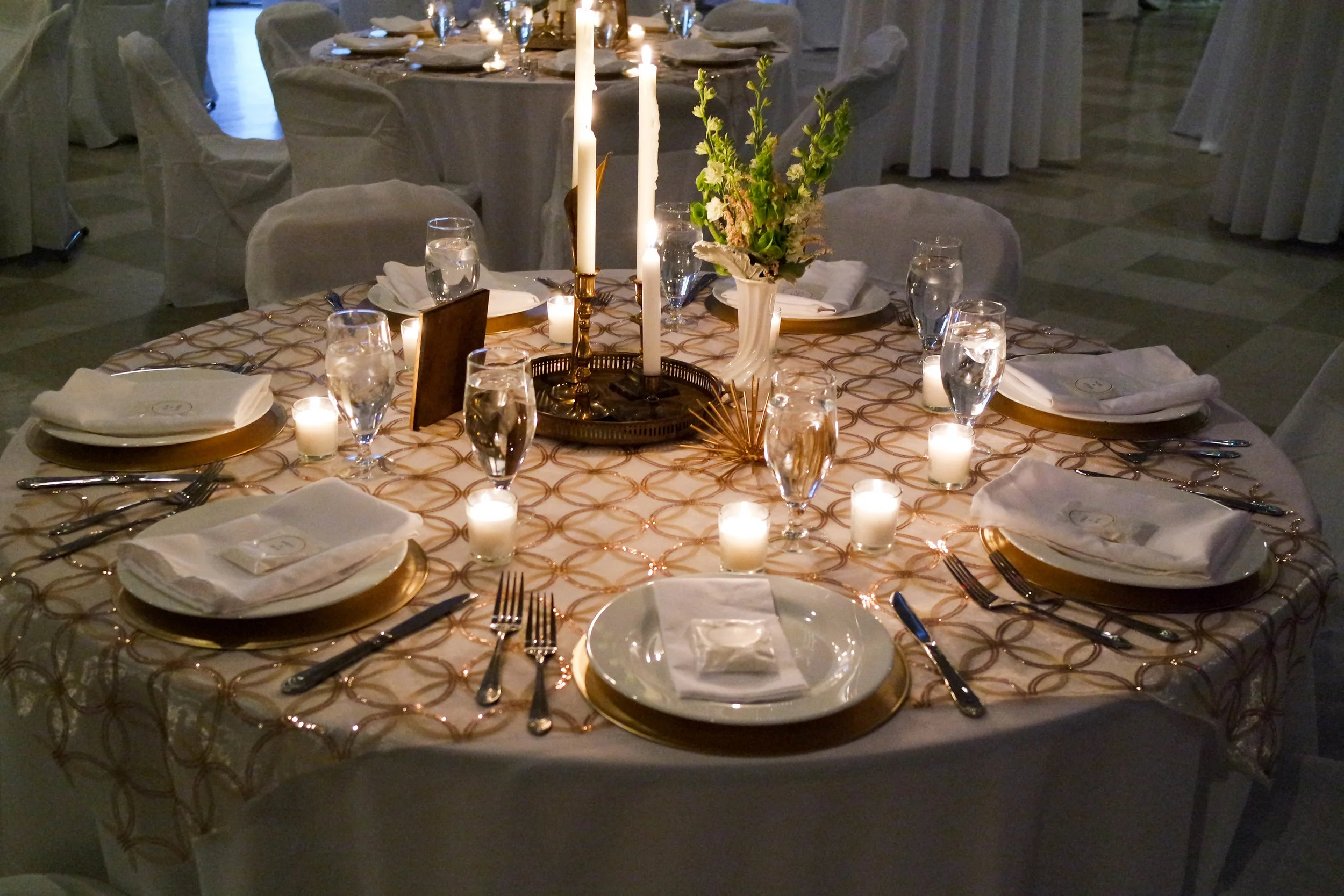
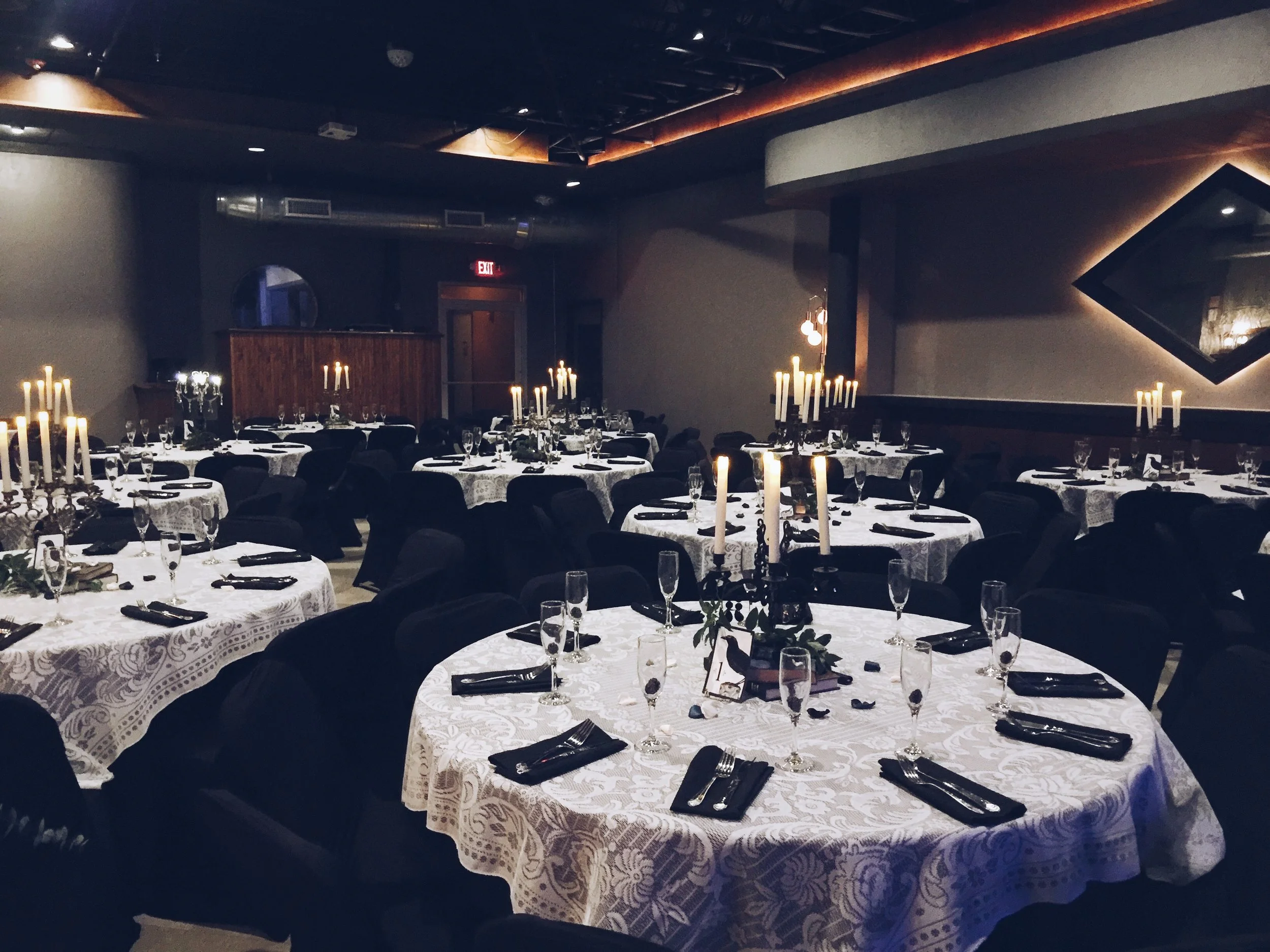
The venue gallery can help visitors understand the room’s scale, stage position and general atmosphere, although photographs cannot confirm measurements or guarantee the layout for a particular event. A guest planning a visit from Brisbane, Perth or Adelaide should treat images as useful background and obtain current access information directly from the venue.
Practical Planning For A Comfortable Visit
A short access plan can reduce uncertainty without taking away from the enjoyment of the event. Before buying tickets or finalising a private booking, record the answers to the key questions below. Share relevant details with companions, a support worker, driver or tour organiser so everyone knows where to go and whom to contact.
- Confirm the step-free entrance, door width, threshold and route from the kerb or drop-off area.
- Ask whether an accessible toilet is available and free from temporary furniture, stock or event equipment.
- Reserve an integrated wheelchair position and confirm companion seating, sightlines and exit access.
- Check accessible parking, rideshare drop-off points and clearance for a van ramp or lift.
- Ask about captions, assistive listening equipment, quieter areas and the expected crowd level.
- Save the venue’s contact details and request a named staff contact for arrival and urgent access concerns.
Timing can make a significant difference. Arriving early may allow staff to explain the route before queues form, secure the agreed viewing position and identify any temporary obstacles. It also gives a guest time to settle without feeling hurried. For someone managing fatigue or pain, the ability to enter calmly and avoid a long standing queue can determine whether the whole evening remains comfortable.
Weather and transport should be considered as well. Gainesville can be hot, humid and affected by heavy rain, so an outdoor wait or a poorly protected drop-off point may create problems for wheelchair users. Australian travellers used to Melbourne’s trams, Sydney’s trains or Brisbane’s accessible bus networks should allow extra time for an American rideshare trip and should not rely on public transport connections being as intuitive as they are at home.
For event organisers, access should be built into the booking brief. Provide a clear floor plan, keep circulation paths open, place food and drinks within reachable areas, and brief every supplier from the caterer to the security team. The best arrangement feels ordinary: wheelchair users can enter with their group, enjoy the programme, use the facilities and leave safely without having to negotiate each part of the evening separately. A confirmed step-free route, suitable viewing position and named staff contact are the most practical essentials to secure before attending The Wooly.
Follow the Calendar
News, ticket links, and last-minute additions posted across our channels.
Explore the Venue
Five pages covering the full run of programming and private bookings.
Browse the schedule for movie showings, live music, and art shows.
Weddings, holiday banquets, cocktail parties, and anniversaries.
Meetings, networking, luncheons, and fundraisers with AV support.
Concerts, film screenings, art showcases, and community pop-ups.
Photos from past concerts, private functions, and gatherings.