Live shows, movie nights, art openings, private parties, and corporate meetings at 20 N Main St — minutes from the University of Florida and Shands Hospital.
Stay in the Loop
Get the next show, screening, and event announcements sent to your inbox.
Inside the Room
A look at the stage, the floor, and the nights that move through them.

Cutting Event Waste at The Wooly Without Killing the Vibe
Operating a multi-use venue in a college town comes with a peculiar mix of pressures. Crowds change every night, budgets are tight, and expectations for an Instagram-worthy experience are high. At The Wooly, on North Main Street near the University of Florida and Shands Hospital, the team has spent recent years quietly overhauling how it handles the mess events create. The result is a working playbook that respects live entertainment while shrinking rubbish bound for landfill.
Australian audiences have long understood the friction between a great night out and responsible waste management. Sydney's music venues, Melbourne's rooftop bars and Brisbane's brewery taprooms all wrestle with the same trade-off: punters want generous serves and quick turnarounds, but nobody wants a sea of plastic cups the next morning. The Wooly's approach borrows from those conversations, adapting practices common at places like Brisbane's The Triffid or Sydney's Oxford Art Factory to a smaller, more flexible space.
What follows is not a manifesto. It is a working account of the decisions shaping how a venue hosts weddings, film screenings, corporate functions and touring bands while reducing what gets thrown away. The story matters because the live events sector globally produces enormous single-use waste. Australian research from bodies like the Australia Council for the Arts has highlighted how venues can either become part of the problem or part of the cleanup.
The Wooly has chosen the latter path without lecturing its guests. Most changes happen backstage, in the kitchen, or in the contracts the venue signs with suppliers. The trick is making the sustainable choice the easier and more economical one, so green behaviour becomes the default. That philosophy underpins everything from menu design to bar service to how leftovers from a wedding are handled the next morning.
Tracking What Actually Leaves the Building
You cannot manage what you do not measure, and that old adage has become the spine of The Wooly's waste programme. Before any new initiative is rolled out across the venue's calendar of concerts, movie nights and corporate gatherings, the team runs a waste audit. Bags are sorted, weighed and categorised by material: compostable food scraps, recyclable glass, mixed paper, soft plastics and genuine landfill. The numbers are then compared against attendance figures to establish a baseline.
This kind of measurement echoes the approach taken by Australian venues signed on to programs like Green Music Australia or the NSW Environmental Protection Agency's Bin Trim initiative, both of which encourage hospitality businesses to track waste streams before introducing changes. The Wooly's audits have already produced uncomfortable findings, including the fact that single-use plastic cups were, for a time, the single largest contributor to landfill volume on busy weekends.
Once the baseline is set, the venue targets reductions in percentages rather than absolute numbers, which allows goals to flex with event size. A 500-person corporate gala is judged differently from a 150-person art opening, but both are expected to shrink waste-per-head figures year on year. Targets are revisited quarterly, and the team is honest when an initiative fails to deliver. That habit of checking the data keeps the programme honest and prevents greenwashing from creeping into marketing.
Reining In Food Waste From the Kitchen
Food waste is the next battleground, and the in-house catering team has overhauled its approach from prep through service. The kitchen plans menus using a reverse logistics model: it tracks what is left over from previous events and adjusts quantities before ordering. Portion sizes for buffet service have been recalibrated after the team noticed guests consistently left certain items untouched, an observation common in Australian hospitality research from groups like OzHarvest.
Where possible, surplus food is diverted before it reaches the bin. Local shelters and community fridges in the Gainesville area, along with student-run initiatives at the University of Florida, regularly collect unserved plated food. The kitchen donates sealed, untouched stock to nearby pantries. The model resembles the work done by organisations such as SecondBite in Melbourne, which rescue surplus food from commercial kitchens and redistribute it to communities in need.
Compost is the second line of defence. The Wooly partners with a regional composter that collects food scraps and approved compostable serveware, turning what would otherwise be landfill into soil conditioner used on local farms. The transition to compostable plates, bowls and cutlery required careful vendor selection, because not every product labelled "eco" actually breaks down in industrial facilities. The venue insists on certification from recognised bodies before any new serveware makes it into the rotation. For anyone curious about how these decisions shape the experience at a wedding or product launch, the venue's page on corporate meetings at The Wooly offers a useful rundown of how the catering team operates under pressure.
Rethinking Bar Service and Single-Use Items
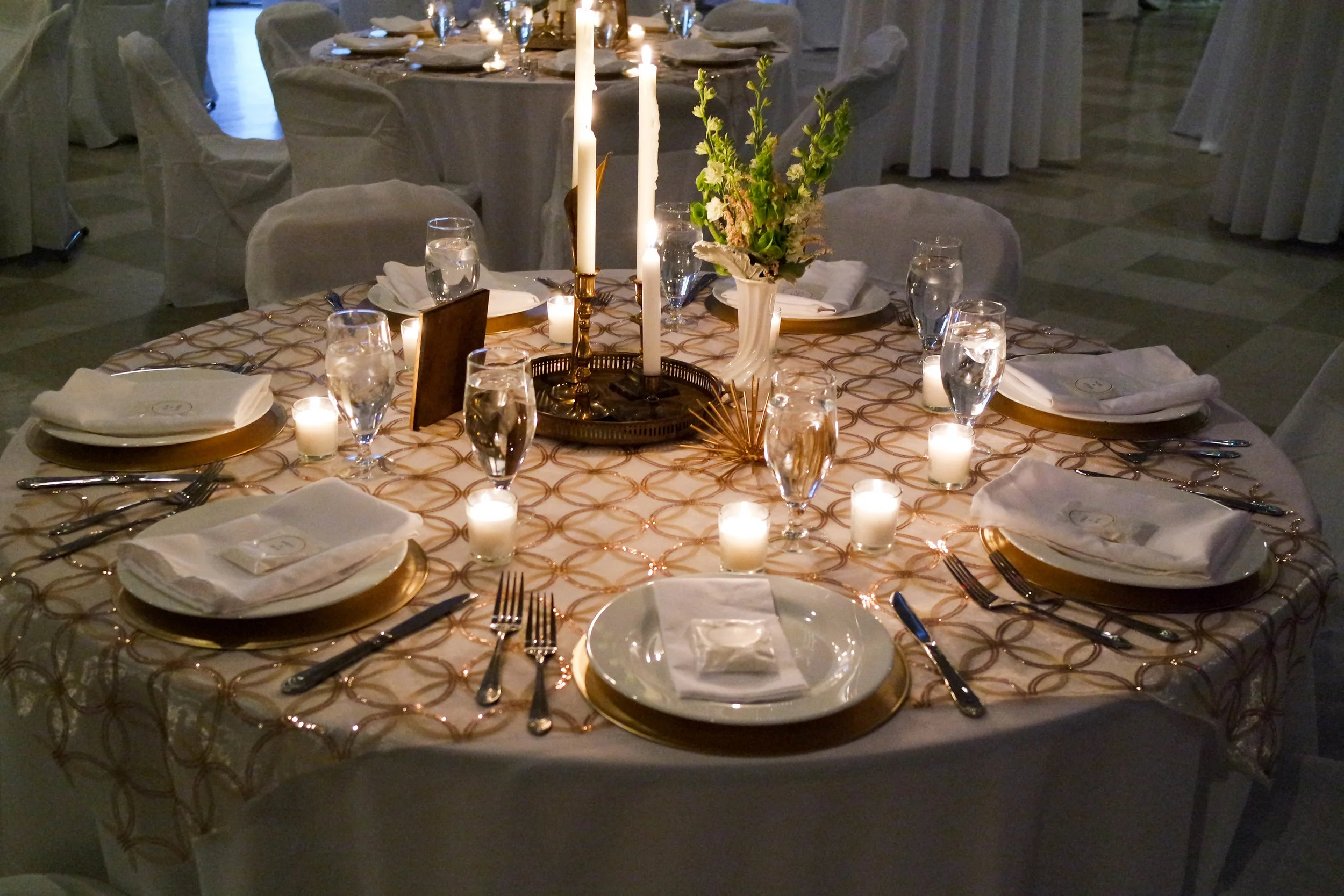
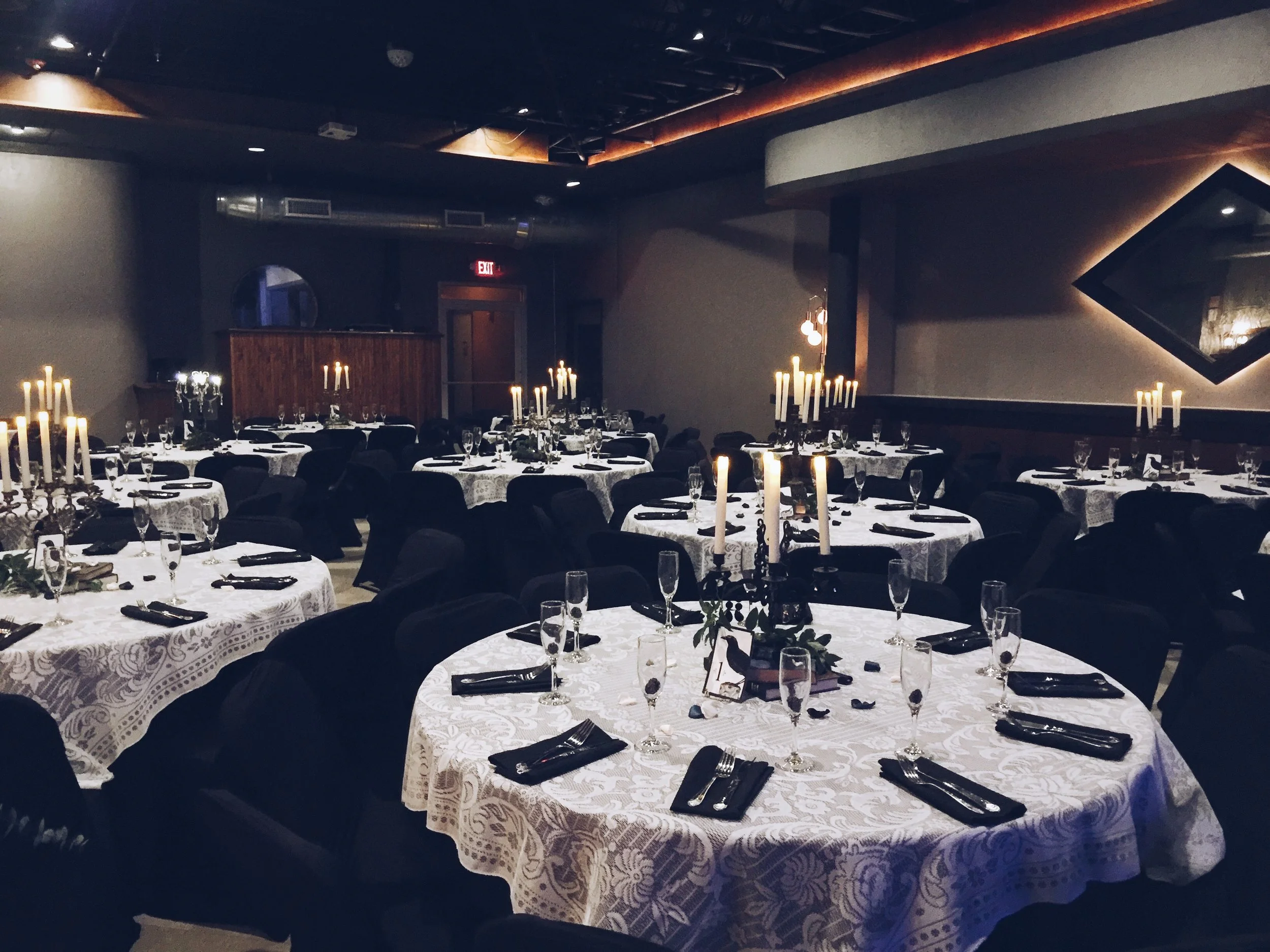
The bar is where most event waste begins, particularly at concerts where speed matters more than ceremony. The Wooly has invested in durable, dishwasher-safe serveware for corporate events, weddings and private parties, replacing disposables with glasses, ceramic mugs and stainless steel pints. For high-volume shows where glass is impractical, the venue now uses reusable polycarbonate cups washed on site rather than sent to landfill. The model mirrors the one used at festivals like Sydney's Vivid and Melbourne's Meredith, where wash-and-return systems have proven their worth at scale.
Where single-use items remain necessary, the venue has standardised on materials with a clear recycling pathway. Aluminium cans have replaced plastic bottles for most canned beverages because aluminium is infinitely recyclable and accepted by municipal programs across the United States and, increasingly, in Australia's container deposit schemes in states like Queensland and New South Wales. The bar also offers a discount for guests who bring a reusable cup or bottle, a small nudge that echoes campaigns run by Responsible Cafés and similar movements across Australian capital cities.
Printing and paper use have come under the same scrutiny. Posters for art openings, flyers for film nights and event signage have moved largely online, with QR codes replacing printed programmes. The few printed materials that remain are produced on recycled stock with vegetable-based inks. These changes are particularly visible on nights when the venue hosts community-focused events such as those listed under upcoming events, where marketing reach matters as much as material footprint.
Working With Vendors and Clients on Greener Events
A venue can do everything right inside its own walls and still lose the war on waste if suppliers and clients do not follow suit. The Wooly has therefore rewired its vendor agreements to favour partners with credible sustainability credentials. Linen rental companies, florists, lighting hire firms and AV providers are asked about their waste policies before contracts are signed. Preferred suppliers take back packaging, reuse crates and offer take-back schemes for items like floral foam and cable ties.
Clients planning weddings and corporate functions are brought into the conversation early. Event coordinators walk planners through a sustainability checklist covering invitations, gift wrapping and transport. Couples are encouraged to use digital RSVPs, digital save-the-dates and registry gifts that do not require bulky packaging. Corporate clients are guided toward plant-based menu options where possible, not as a moral position but because plant-forward catering typically generates less kitchen waste and a smaller carbon footprint per guest.
The Wooly also leans on its flexible floor plan to reduce material waste. Modular staging, adjustable lighting rigs and reconfigurable seating mean the same kit can serve a film screening one night and a wedding the next without rebuilding from scratch. This modular approach, which Australian venues like Brisbane's Tivoli have championed for years, eliminates the throwaway décor and custom builds that historically dominated large-scale event production.
Communicating the Story Without the Lecture
The hardest part of running a sustainable venue is not logistics but messaging. Green claims can sound preachy, and guests switch off the moment a venue starts lecturing. The Wooly has learned to let the changes speak for themselves. Compost bins are placed next to recycling and landfill stations with clear signage, but there are no signs telling guests they are saving the planet by sorting their waste. The bar offers reusable cups without a speech. Sustainability is woven into the experience rather than bolted on as an announcement.
That subtlety reflects a broader shift in how Australian venues talk about environmental responsibility. Hospitality operators in Adelaide, Perth and Hobart have found that quiet, well-designed systems outperform overt campaigns. Behaviour change research suggests that guests respond best when the sustainable option is also the convenient option, and The Wooly's design choices flow from that insight. The result is a venue where waste reduction feels less like a campaign and more like the way things are simply done.
The Wooly is far from finished. New challenges arrive with every season, from packaging changes suppliers introduce to the evolving expectations of corporate clients. But the foundation is in place: measurement, kitchen reform, smarter bar service, supplier engagement and clear communication. Together, those five pillars form a working model that other venues can study and adapt. The memory to take away is simple. Sustainable event operations are not about perfection. They are about building habits, checking the numbers and trusting that the small, unglamorous decisions made behind the scenes eventually shape what guests experience and what the landfill does not.
Follow the Calendar
News, ticket links, and last-minute additions posted across our channels.
Explore the Venue
Five pages covering the full run of programming and private bookings.
Browse the schedule for movie showings, live music, and art shows.
Weddings, holiday banquets, cocktail parties, and anniversaries.
Meetings, networking, luncheons, and fundraisers with AV support.
Concerts, film screenings, art showcases, and community pop-ups.
Photos from past concerts, private functions, and gatherings.