Live shows, movie nights, art openings, private parties, and corporate meetings at 20 N Main St — minutes from the University of Florida and Shands Hospital.
Stay in the Loop
Get the next show, screening, and event announcements sent to your inbox.
Inside the Room
A look at the stage, the floor, and the nights that move through them.

Inside The Wooly’s Kitchen Setup With A Local Caterer
A good event menu begins long before the first tray leaves the kitchen. At The Wooly in downtown Gainesville, Florida, catering has to work within a busy, adaptable venue that can shift from a live concert to a film screening, wedding reception, corporate meeting or community gathering. The kitchen setup is therefore less about a single fixed service style and more about supporting different kinds of events smoothly.
To understand how that works, we spoke with Maya Ellis, a local caterer who has prepared food for private functions and public events at The Wooly. She describes the venue kitchen as a practical production base: compact enough to encourage careful planning, yet well connected to the main event space, bar and flexible floor plan.
For Australian organisers, there are familiar points of comparison. A Melbourne gallery opening, a Brisbane product launch or a Sydney wedding often needs food that can be served without interrupting conversation, speeches or entertainment. The same principle applies in Gainesville, though the menu may lean towards Southern American flavours, local produce and the relaxed hospitality associated with North Central Florida.
Ellis explains how caterers assess the room, manage dietary requirements, coordinate with the bar and keep food service moving when the event programme changes. Her observations offer a useful look at what happens behind the scenes when a venue kitchen must serve both the practical needs of a caterer and the atmosphere guests came to enjoy.
A Kitchen Designed Around The Event
“ The first thing I look at is the event format,” Ellis says. “A plated dinner, a cocktail reception and a concert all use the kitchen differently. The menu is important, but the timing and traffic pattern are just as important.”
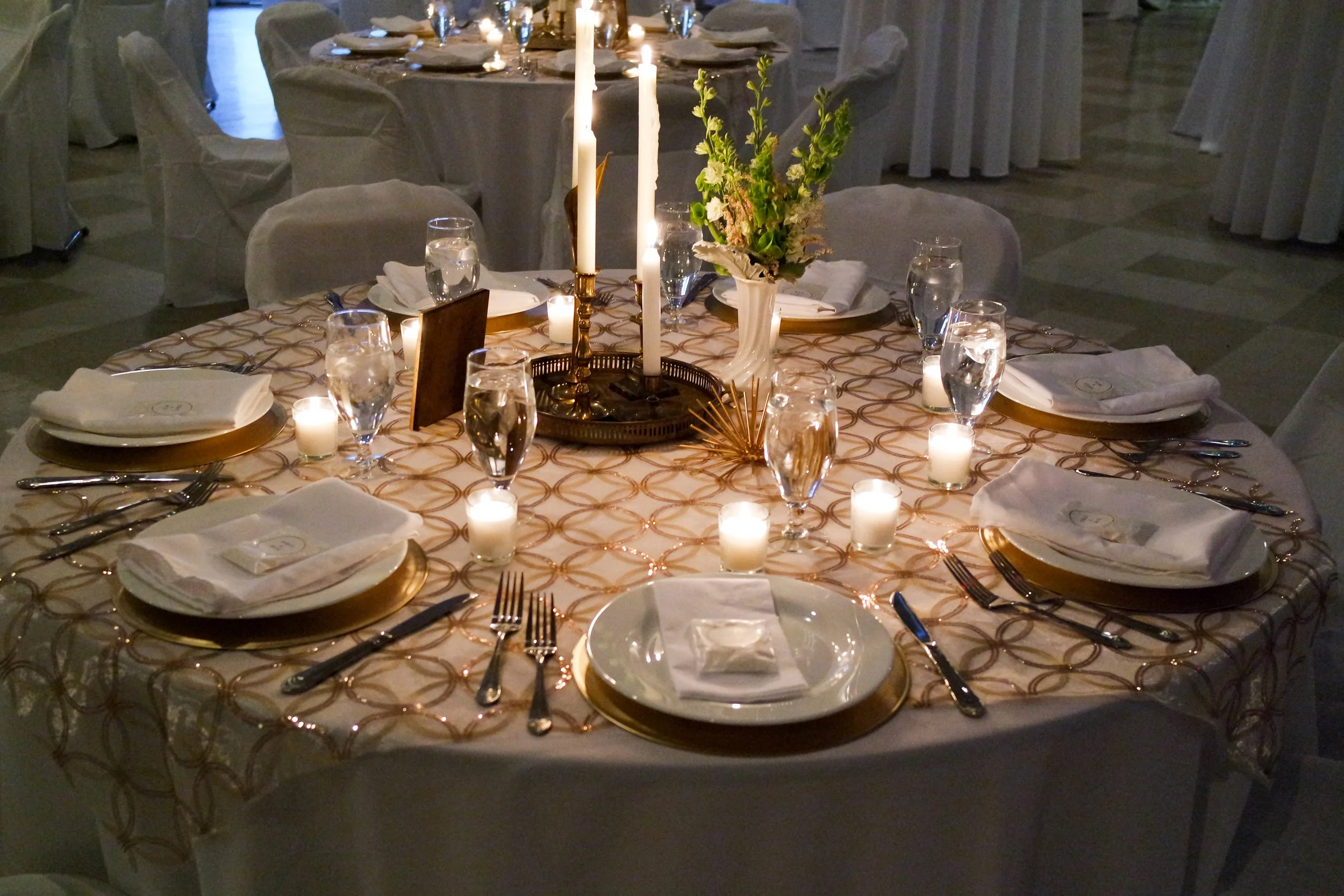
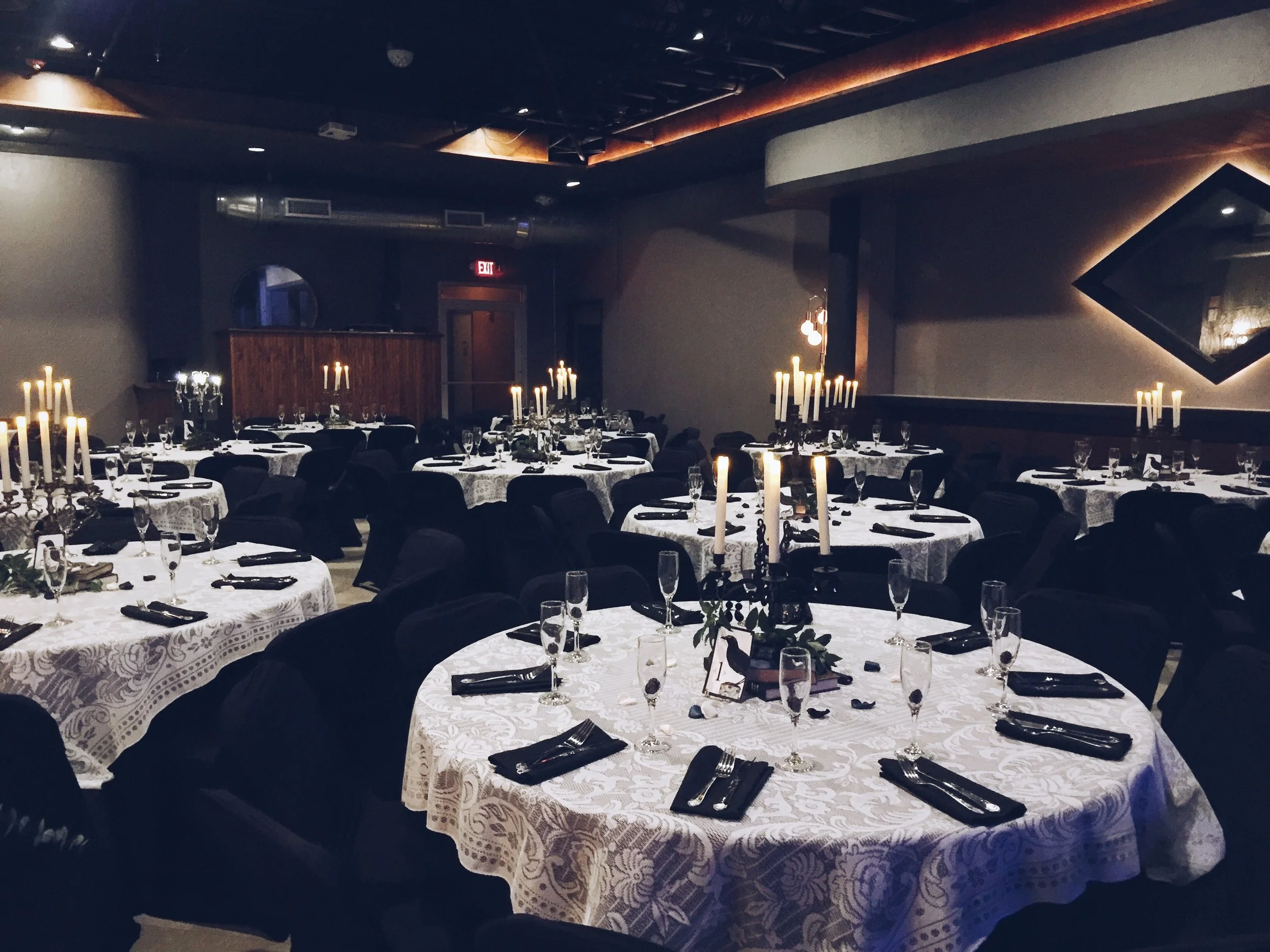
The Wooly’s flexible layout allows tables, seating, staging and standing areas to be rearranged. That gives a caterer room to position a buffet away from the entrance, create a discreet clearing station or set up passed appetisers near the bar. It also means the kitchen team can plan service around the audience rather than forcing every event into the same footprint.
For an Australian client, this may feel similar to working in a converted warehouse or inner-city arts venue. A venue in Fitzroy or Surry Hills might have an impressive room but limited back-of-house space, making early coordination essential. Ellis recommends confirming guest numbers, service style, furniture placement and entertainment timings before finalising the menu.
“The kitchen is most effective when we know what the room will be doing,” she says. “If there is a band load-in, a film screening or a presentation, we need to protect access routes. Food service should feel effortless to guests, even when several teams are sharing the venue.”
Prep, Holding And Service Flow
Ellis says the kitchen works best as a preparation and finishing space rather than as a place for complicated last-minute cooking. Menus can be designed around dishes that hold their quality, travel well from the prep area and can be replenished in stages.
“Braised items, composed salads, roasted vegetables and small bites are reliable because they can be prepared in a controlled way,” she explains. “We can finish certain dishes close to service, but we do not want every item depending on a single pan at the exact same minute.”
That approach is familiar to Australian caterers who work in venues with restricted kitchens. A grazing table, substantial canapés or shared platters can offer a more forgiving service rhythm than individually plated meals. It also suits events where guests move between a screening, gallery display and bar rather than sitting down for two uninterrupted hours.
Temperature control and holding time still require close attention. Hot food needs to remain safe and appealing, while chilled items must stay properly refrigerated. Ellis prefers smaller replenishment batches, which keep the buffet looking fresh and reduce unnecessary exposure. “Guests notice freshness before they consciously think about it,” she says. “A tidy, well-stocked station gives them confidence.”
Menu Planning For Gainesville Guests
The Wooly’s location near the University of Florida and Shands Hospital brings together students, academics, healthcare professionals, local residents, visiting artists and corporate groups. Ellis says that mix makes menu flexibility especially valuable.
“We often plan a menu with a recognisable base and a few distinctive touches,” she says. “People may want familiar comfort food, but they also appreciate something seasonal or regional. The goal is to give them enough choice without turning the kitchen into a short-order restaurant.”
That might mean pairing vegetable-forward salads and grain dishes with chicken, seafood or Southern-inspired mains. Small plates can include local flavours while remaining easy to eat during a conversation. For a wedding or formal reception, the same kitchen can support a more polished menu with coordinated courses and dessert service.
Dietary planning is part of the first conversation, not an afterthought. Vegetarian, vegan, gluten-free and nut-free requirements need to be identified early, with clear labelling and separate preparation procedures where appropriate. Australian event planners will recognise the importance of this, particularly in markets where dietary information is commonly requested during ticket sales or RSVP collection.
Ellis also keeps the local calendar in mind. Gainesville’s heat and humidity can affect menu choices, especially for outdoor arrivals or events with doors opening frequently. Lighter dishes, cold drinks and food that remains attractive in warm conditions may be more practical than a menu built around rich sauces and delicate pastry.
Coordinating Food With The Bar
The Wooly offers a full-service bar, so the catering plan must account for how guests collect drinks, where they gather and when they are likely to eat. Ellis says the bar and kitchen should be treated as partners rather than separate suppliers.
“If guests are carrying a drink, food needs to be easy to manage,” she says. “That usually means smaller portions, stable plates and no unnecessary cutlery for a standing reception. If there is a seated meal, we can be more elaborate.”
Bar placement also influences queueing. A buffet positioned directly beside the drinks station can create congestion, while separating the two areas encourages better movement through the room. For a concert, food service may need to be concentrated before the headline set or placed where guests can eat without blocking sightlines.
This is where local customs can shape expectations. Australians are comfortable with informal grazing, shared plates and a long social period before or after the main programme. At a corporate event in Perth or Adelaide, though, guests may expect strong coffee, clear dietary labels and an efficient lunch window. Ellis says the same principles apply in Gainesville: know the audience, anticipate peaks and make the food easy to access.
Alcohol service also affects timing. Caterers need to understand when the bar opens, whether there is a toast or formal speech and when staff should clear glassware. A well-timed canapé round can support arrivals, while later service may need to be more substantial if guests are staying for a full evening of music.
Supporting Weddings And Private Celebrations
Private events often require greater personalisation than a standard corporate function. Couples may have family recipes, cultural preferences, late-night snacks or a signature dessert they want incorporated. Ellis says the kitchen setup can accommodate creativity when the details are agreed well in advance.
“People sometimes think flexibility means we can decide everything on the day,” she says. “It really means we can adapt the service to the event. The more precise the brief, the more freedom we have to make the experience feel personal.”
For weddings, the timeline is particularly important. Arrival drinks, ceremony transitions, photographs, speeches, dinner and dancing each create a different service window. The kitchen team must know when the room will be occupied and when staff can move through it. A floor plan that works for a concert may need to be completely revised for a wedding breakfast.
Catering teams also need a clear plan for cake storage, dessert plating, vendor meals and leftovers. In Australia, wedding menus frequently combine formal courses with grazing tables or late-night items such as sliders, chips or nostalgic sweets. A similar balance can work at The Wooly, provided the kitchen has enough notice to allocate refrigerator space, serviceware and staff.
Even smaller parties benefit from this level of detail. A birthday gathering or anniversary dinner may look informal, but guests still notice whether hot food arrives together, whether plates are cleared quietly and whether the host has to solve operational problems during the celebration.
Food Service For Corporate And Community Events
Corporate meetings and convention breakout sessions place different demands on a venue kitchen. Food must arrive at predictable times, accommodate short breaks and avoid disrupting presentations. The Wooly’s adaptable event areas can support these formats, and organisers considering the room for breakout sessions should discuss catering access alongside seating and audiovisual requirements.
“For a meeting, timing is everything,” Ellis says. “If a break is scheduled for fifteen minutes, the food has to be ready before people leave the room. We may use individual portions, clearly marked stations or pre-set refreshments depending on the schedule.”
Morning service might include coffee, fruit, pastries and savoury items, while lunch could be arranged as boxed meals, a buffet or a compact plated service. The best option depends on whether attendees need to network, return quickly to a presentation or remain in the same room.
Community events require another kind of flexibility. A fundraiser, local screening or arts opening may have a wider range of budgets and guest expectations. Ellis says menus can be scaled through portion size, service style and ingredient selection without making the event feel sparse.
Planning resources for challenge-based fundraisers and community gatherings, such as the Lake Powell Challenge, can also remind organisers to think beyond the menu. Attendance patterns, volunteer roles, sponsor commitments and guest movement all influence how much food is needed and where it should be served.
Working Around Sound, Lighting And Production
The Wooly is also a performance and media venue, which means catering operates alongside sound checks, lighting adjustments and production equipment. Ellis says a kitchen team needs to understand the technical schedule, particularly when service areas are close to a stage or audience entrance.
“We do not want a trolley, clattering dishes or kitchen traffic competing with a quiet moment in a film or a speaker’s presentation,” she says. “The venue team helps us identify the moments when we can move confidently and the moments when we need to hold.”
This coordination is especially important for podcasts, filmed events and panel discussions. The venue has dedicated audio-visual capabilities, and organisers can review its podcasting audio guide when planning a recorded programme. Catering can then be scheduled around microphone checks, recording takes and audience silence.
Noise is not the only consideration. Lighting can affect buffet presentation, while cables, cameras and speaker positions can reduce available routes. Caterers may need to use smaller service points or move food in timed waves. Keeping plates and glassware away from technical equipment also protects both the event and the venue.
For an Australian comparison, think of catering at a festival side stage, a university lecture theatre or a live podcast recording in a converted venue. The food still needs to be attractive and accessible, but the production schedule sets the tempo.
What Organisers Should Confirm Early
Ellis’s main advice is to treat the kitchen briefing as part of the event design. Organisers should confirm the final guest count, menu, dietary requirements, service style, kitchen access, refrigeration needs, bar timing and clean-up responsibilities. They should also explain the event schedule in practical terms rather than providing only a start and finish time.
A venue like The Wooly can support a wide range of occasions because the room is adaptable and the event team can coordinate multiple functions. Its downtown Gainesville venue profile gives organisers a sense of the broader setting, while a direct conversation with the catering and venue teams reveals the operational details that photographs cannot show.
“Bring us into the conversation early,” Ellis says. “We can often solve a problem before it becomes a problem. Maybe the buffet needs to move, maybe the dessert should be served later, or maybe a menu item needs to change because of the weather. Those are manageable decisions when there is time.”
For Australian clients planning from interstate or overseas, a detailed run sheet is particularly useful. Include arrival times, supplier access, speeches, entertainment, meal breaks and any cultural or family traditions. Clarify whether guests expect a formal meal, cocktail-style service, shared dishes or a relaxed grazing format. Those details help a Gainesville caterer create an experience that feels natural to the audience.
The strongest kitchen setup is rarely defined by its equipment alone. It is defined by how well the space, staff, menu, bar and programme work together. At The Wooly, that coordination allows food to support the event without competing with the music, film, conversation or celebration.
What readers should remember is simple: successful catering begins with the room and the schedule. When the kitchen plan reflects the event’s movement, audience and atmosphere, every plate arrives with less fuss and the venue feels ready for whatever the occasion demands.
Follow the Calendar
News, ticket links, and last-minute additions posted across our channels.
Explore the Venue
Five pages covering the full run of programming and private bookings.
Browse the schedule for movie showings, live music, and art shows.
Weddings, holiday banquets, cocktail parties, and anniversaries.
Meetings, networking, luncheons, and fundraisers with AV support.
Concerts, film screenings, art showcases, and community pop-ups.
Photos from past concerts, private functions, and gatherings.