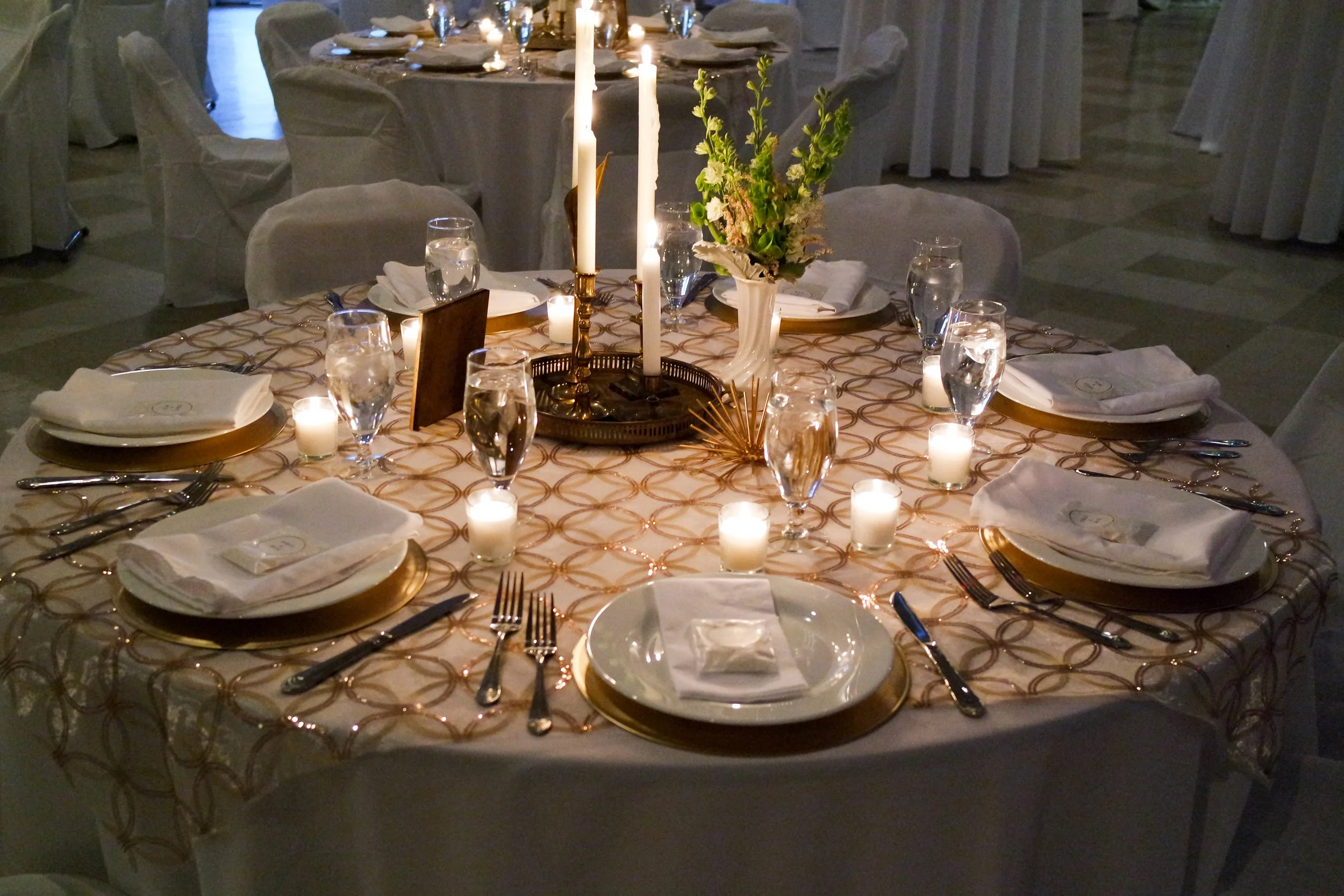
Live shows, movie nights, art openings, private parties, and corporate meetings at 20 N Main St — minutes from the University of Florida and Shands Hospital.
Stay in the Loop
Get the next show, screening, and event announcements sent to your inbox.
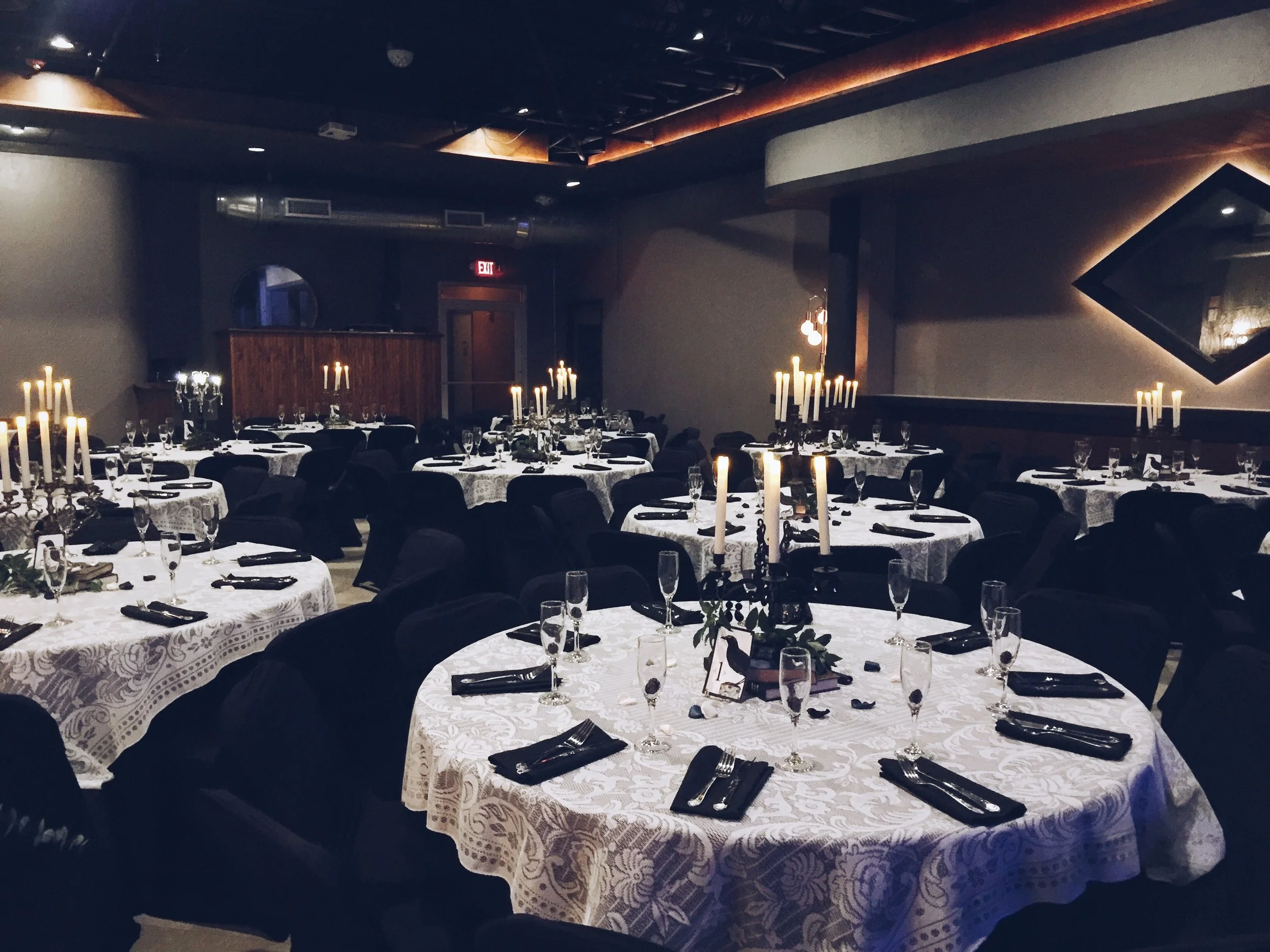
Inside the Room
A look at the stage, the floor, and the nights that move through them.
Practical Ways to Use The Wooly for Convention Breakout Sessions
The Wooly can be an unusually effective base for convention breakout sessions because it pairs a flexible downtown floor plan with professional audio-visual support, in-house catering and a full-service bar. For organisers running a US programme, that combination keeps delegates in one recognisable setting while allowing the tone to shift from focused discussion to live presentation or informal networking.
Located at 20 N Main Street near the University of Florida and Shands Hospital, the venue is designed around live events rather than a conventional hotel ballroom. Using The Wooly for convention breakout sessions therefore begins with a sound operational question: how can a performance environment support clear sightlines, comfortable conversation and dependable presentation technology without losing its character? The answer lies in session design, room configuration and careful coordination with the venue team.
A live venue with useful conference credentials
The Wooly’s background in live music gives it a visual identity that can make a breakout feel more engaging than a neutral meeting room. A stage, strong lighting and a flexible audience arrangement create natural focus, while the venue’s record of hosting famous performers shows that its technical infrastructure is built for demanding public events. Breakout organisers can draw on that energy without treating every session like a concert.
The advantage is strongest for short presentations, panels and creative working sessions. Theatre-style seating supports a facilitator-led brief, scattered tables support debate, and an informal arrangement can turn a report-back into a group exchange. Professional audio-visual assistance matters because a lively room still needs intelligible speech, clean screen content and reliable playback. The right technical brief is specific to the session outcome, not a generic request for a laptop and projector.
That approach also suits the communication style many Australian teams bring. Australian facilitators are often comfortable with first-name address, direct questions and a less ceremonial tone than some US corporate formats. Short challenge questions, visible parking spaces and a genuine working wall can encourage participation. Informality works when participants still know what they must decide, test or report before they leave.
Designing sessions around outcomes and attention
Start with the decision a group must make, the problem it must solve or the capability it must build. A 60-minute block might contain a 10-minute context brief, a 25-minute exercise, a 15-minute discussion and a 10-minute synthesis. Put the desired output on the opening slide, assign roles such as facilitator, timekeeper and rapporteur, and make the final ten minutes visible to everyone. Delegates then experience the room as a working environment rather than a queue for another speaker.
Create formats that change with the task. Use a theatre set for a decision briefing, small clusters for discovery, a horseshoe for candid debate and a reception layout for stakeholder exchange. Avoid repeating the same arrangement for every hour; variety helps attention, especially after a plenary. Where a session depends on movement, protect the route between stations and confirm that furniture, cables and catering points will not create bottlenecks.
International programmes need deliberate pacing. Gainesville can be roughly 12 to 15 hours ahead of Australian cities such as Perth, Brisbane, Sydney or Melbourne, depending on daylight-saving dates and departure city. Rotate any live link across Australia rather than forcing one session time to suit every office. Label every date as “12 May 2026,” for example, because Australian teams commonly read day before month while US event schedules often use month before day.
Matching formats to the work
The best configuration is the one that removes friction from the intended work. Venue staff should review expected numbers, sightlines, speaker positions, power distribution, catering service and transitions between consecutive groups before the floor plan is finalised. The following comparison connects common convention needs with practical uses of the venue.
| Session need | Suitable layout at The Wooly | Production brief | Key consideration |
|---|---|---|---|
| Leadership briefing | Theatre rows with a central aisle | Confidence monitor, lectern, panel lighting and wireless microphones | Keep questions concise so the schedule remains intact |
| Working group | Mixed tables or small clusters | Movable chairs, writable surfaces, dependable Wi-Fi and accessible power | Confirm outlet locations and avoid awkward cable routes |
| Hands-on workshop | U-shape or collaborative pods | Task lighting, screen sharing and charging points | Protect movement routes and provide sufficient surface area |
| Panel discussion | Stage with tiered or angled seating | Multiple microphones, content playback and controlled stage lighting | Test sightlines from every section of the audience |
| Networking reception | Standing tables with open circulation | Bar service, catering stations, background audio and a photo area | Keep music low enough for comfortable conversation |
Use the comparison as a starting point, then adapt it to the audience and running order. A session may need more room than a standard hotel breakout, particularly when delegates must move between tables or handle materials. For hybrid delivery, clarify who controls slides, who moderates remote questions and where the remote audience will be able to see the presenters. Professional support can solve technical problems, but organisers must still define the workflow and nominate one person to make decisions during the session.
Décor, food and a coherent guest experience
Décor should support the subject, not compete with the stage or obscure the venue’s architecture. Check the current venue décor policy before promising custom installations, branded backdrops or hanging elements. This protects the event from last-minute costs and ensures that temporary structures do not affect lighting, sprinklers, exits or sightlines.
Keep branding purposeful and relatively light. A branded welcome wall, table signage, name cards and a presentation template can create a coherent appearance without turning the room into a trade-show booth. Use removable, venue-approved methods rather than attaching materials to walls, windows or acoustic surfaces. Test all branding from the seats that will be occupied, because a display that looks balanced from the stage may block the view for delegates at the back.
In-house catering can support the session flow, especially when the programme is tight. Schedule coffee breaks between longer working blocks and keep food service away from the main stage and registration point. Provide clear labels for dietary requirements and confirm how allergens are handled. If the bar opens during a networking period, designate a server or bartender to manage the queue and maintain a non-alcoholic option that feels equally considered. The objective is smooth service without distracting from discussion.
Production, hospitality and reliable documentation
Run a production rehearsal with the people who will actually operate the event, not only the AV supplier. Confirm microphone types, slide formats, video resolution, playback devices, internet access, lighting cues and timing signals. Test from the room rather than only from the technician’s position. A short rehearsal immediately before doors open can reveal low batteries, missing adapters, changed presentation files or an obstruction that a floor-plan view would not reveal.
Session documentation should be planned alongside the room setup. For example, a convention that needs speaker portraits, candid delegate images or same-day social content can include professional event photography in its production schedule. Brief the photographer on the approved arrival points, sponsor requirements and any areas where staff, guests or restricted content must not be photographed. Clear internal distribution also helps organisers move quickly from captured material to recap content.
Australian delegates need practical information about US operating differences. Type I plugs at 230–240 volts are standard in Australia, whereas The Wooly’s US power supply is typically 120 volts using Type A or Type B fittings. Multi-voltage chargers may work with an appropriate adapter, but appliances and equipment still need to be checked. Tipping is another customs difference: Australian travellers do not tip as routinely, while US restaurants commonly add or expect around 18 to 20 percent. Explain gratuity practices in arrival information and include any agreed service charge in the catering budget.
Turning a Gainesville visit into a broader delegate experience
A convention does not have to end when the final breakout closes. Regional events, including the Southeast US Boat Show, can be woven into an extension itinerary when dates and delegate interests align. The event offers a useful view of the wider regional market and gives overseas visitors a change of setting. Organisers should verify the current schedule rather than build the extension around an assumed annual date.
Downtown Gainesville also provides access to the University of Florida, nearby Shands Hospital, local restaurants and the surrounding creative community. The Wooly’s own calendar of concerts, film screenings, art openings and community events can make a visit feel connected to the city rather than isolated within the convention venue. An informal gathering at another local event may also help delegates continue conversations in a less structured setting, provided the programme remains optional and travel information is clear.
The lasting lesson is that The Wooly can host breakout sessions successfully when organisers respect its live-event strengths, define the work before choosing the layout and build dependable production around participant needs. Used in that way, it offers more than a conference room: it gives delegates a distinctive Gainesville setting in which focused exchange, local colour and genuine hospitality reinforce the convention’s purpose.
Follow the Calendar
News, ticket links, and last-minute additions posted across our channels.
Explore the Venue
Five pages covering the full run of programming and private bookings.
Browse the schedule for movie showings, live music, and art shows.
Weddings, holiday banquets, cocktail parties, and anniversaries.
Meetings, networking, luncheons, and fundraisers with AV support.
Concerts, film screenings, art showcases, and community pop-ups.
Photos from past concerts, private functions, and gatherings.