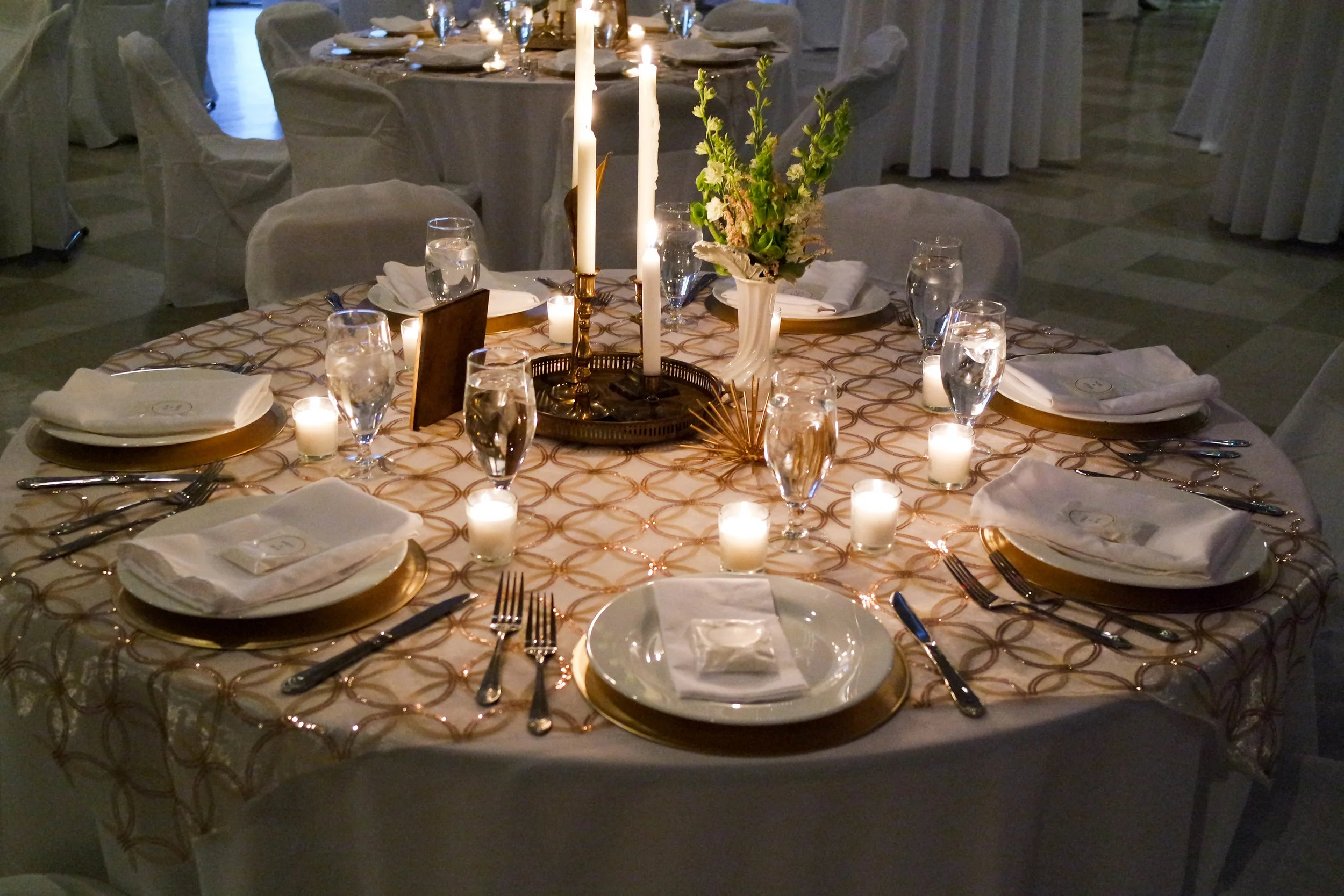
Live shows, movie nights, art openings, private parties, and corporate meetings at 20 N Main St — minutes from the University of Florida and Shands Hospital.
Stay in the Loop
Get the next show, screening, and event announcements sent to your inbox.
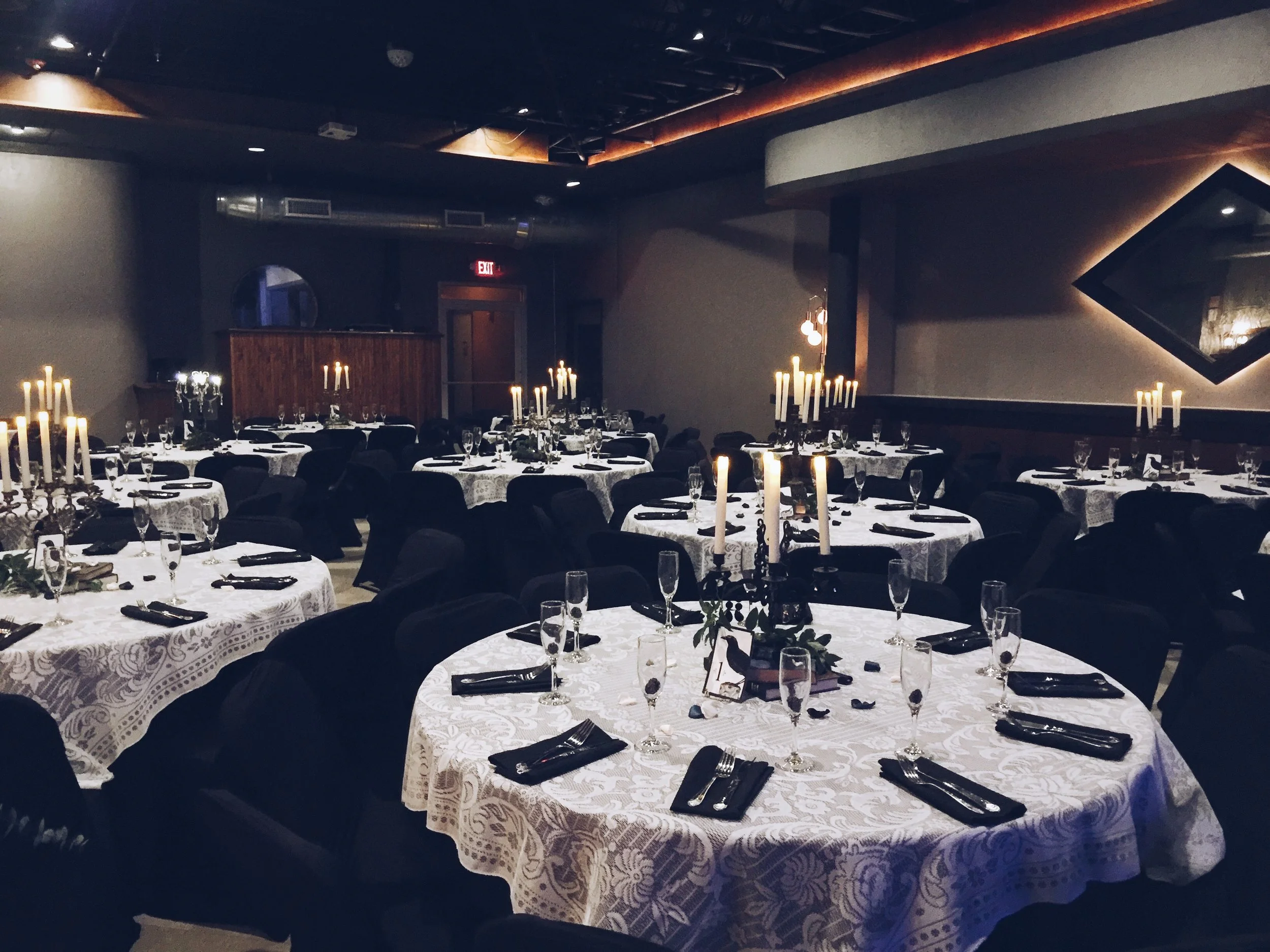
Inside the Room
A look at the stage, the floor, and the nights that move through them.
Presenting Art Beautifully at The Wooly
Displaying art in an events venue calls for a different approach from presenting work in a quiet, purpose-built gallery. The Wooly in downtown Gainesville has a flexible floor plan, professional audio-visual support, a full-service bar and in-house catering, so an exhibition can sit comfortably alongside a concert, film screening, wedding, private celebration or business gathering. That variety creates energy, although it also means the artwork needs to be planned for changing light, sound and visitor movement. Learn more about 足関節捻挫後の筋機能低下と固有感覚再教育の効果.
For Australian artists, curators and event organisers, the key is to balance visual impact with practical installation. A Melbourne-style salon hang, a restrained Sydney photography display or a community exhibition from Brisbane can all work in the room when the pieces, fixings and visitor experience are considered together. The venue at 20 N Main Street is close to the University of Florida and Shands Hospital, placing the display in an active downtown setting rather than an isolated gallery precinct.
Start With The Room’s Everyday Rhythm
Before choosing frames or arranging a catalogue, find out how the space will be used during the exhibition. A wall that looks ideal during a daytime viewing may sit beside a speaker stack for an evening concert. A clear area for a large painting could become a circulation route for guests at a wedding or a meeting. The floor plan should therefore be reviewed alongside the event schedule, expected attendance and furniture layout.
Ask the venue team which walls, freestanding surfaces and hanging points are available, and whether any areas must remain clear for doors, service staff, performers or accessible movement. The Wooly’s adaptable layout is an advantage because it can support different display formats, but flexibility works best when the art plan is prepared early. Provide a simple sketch showing artwork dimensions, labels, plinths and power requirements.
Think about how people actually move through the venue. At an opening, visitors may gather near the bar or entrance before gradually circulating through the room. During a film night, they may focus on the screen and overlook work placed behind seating. A strong display uses these patterns deliberately: place the most immediate pieces where guests naturally pause, then use quieter corners for smaller or more contemplative works.
For an Australian organiser, this is similar to planning a pop-up exhibition in a converted warehouse in Collingwood or a community hall in Adelaide. The room may have character and multiple uses, yet the installation must work around practical operations. Treat the venue as a live environment rather than a blank white cube.
Build A Cohesive Visual Sequence
A successful art display does not require every work to match. It needs a clear visual relationship between pieces. Group artworks by colour, subject, scale, medium or mood, then decide where the eye should begin and how it should travel. A large statement work can anchor a wall, while smaller pieces can create a rhythm around it without becoming visually crowded.
For mixed exhibitions, consider a salon hang with consistent spacing or use small clusters separated by generous breathing room. Photography often benefits from a precise grid, while textile pieces, sculpture and painted works may need more varied placement. Keep the viewing height comfortable for a broad audience rather than setting every piece according to the tallest installer. The centre of most framed works should sit around average eye level, adjusted for furniture and the venue’s sightlines.
Scale matters when the room is hosting music or social events. Small works can disappear beside a stage, dark walls or a busy bar area. Use larger pieces, bold colour or a concentrated group to create presence. Conversely, delicate works can be placed in areas where visitors naturally slow down, with enough distance from food service and crowded pathways to protect the viewing experience.
Create labels that are easy to read without competing with the artwork. Include the artist’s name, title, year, medium and dimensions, followed by a price or sales note if appropriate. Keep the wording concise and use a consistent typeface. If you are bringing work from Australia, check that prices, currency and any GST information are clear for the intended audience; an overseas artist may need a separate sales process from a US-based event.
Plan Lighting, Sound And Visitor Comfort
Lighting can transform colour, texture and atmosphere. Ask whether the venue uses adjustable fixtures, ambient lighting or event-specific illumination, and test the display at the times when guests will actually arrive. Warm lighting may suit an intimate painting exhibition, while photographs and works on paper often need more controlled illumination to prevent glare. Avoid aiming bright fixtures directly at glass, since reflections can make an otherwise excellent piece difficult to see.
Artwork should hold its own without competing with entertainment. If the exhibition coincides with live music, keep particularly sound-sensitive video or audio works away from loud speakers unless the overlap is intentional. Professional audio-visual support can help coordinate screens, projectors and playback, but the equipment should be included in the floor plan from the beginning rather than added after the art has been installed.
The venue’s bar and catering facilities can support a welcoming opening, yet refreshments introduce spills, queues and changing sightlines. Place food stations away from unprotected works and avoid positioning valuable pieces where guests will naturally hold drinks. The venue’s full-service bar guide can help organisers understand how the bar contributes to the event atmosphere and how it may affect the display layout.
Small comfort details influence how long visitors stay. Leave enough room for prams, mobility aids and groups to pass without brushing against frames or plinths. Make captions readable from a standing position, keep cables secured and provide seating where the exhibition includes video, performance or detailed works that reward longer viewing.
Protect The Work During Installation And Events
Prepare an installation kit suited to the venue rather than relying on improvised supplies. Bring appropriate hooks, hanging wire, level tools, labels, removable fixing materials, gloves, cleaning cloths and spare hardware. Confirm which methods are permitted before placing anything on the walls. Heavy or valuable works may need a professional hanging system, especially when the venue will host dancing, amplified music or a high-traffic reception.
Packaging and storage deserve the same care as the display. Mark each crate or box with the artist’s name and installation position, then keep packing materials in a clean, dry location that does not obstruct exits or staff operations. Photograph every work before installation and record existing frame damage. This creates a practical condition report for loans, transport and deinstallation.
Safety should be treated as part of the visitor experience. Secure plinths, remove trip hazards and keep electrical leads out of walking routes. Where a raised platform or temporary floor treatment is used, check transitions carefully. A short review of movement safety research reinforces why stable footing and clear pathways matter when guests are moving through a busy event space, even though the research concerns ankle function rather than exhibition design.
Australian teams may be familiar with bump-in and bump-out procedures from arts festivals, theatre venues and weekend markets. Use a written schedule with arrival times, vehicle access, unloading responsibilities and collection deadlines. If works are travelling from Sydney, Perth or Hobart, allow for delays, customs or courier handling rather than planning installation immediately before doors open. Build in time for a final safety inspection after all furniture and event equipment are in place.
Connect The Exhibition With The Event
Art becomes more memorable when it has a clear relationship with the reason people are gathering. A concert can feature work by local musicians or visual artists responding to the same themes. A film screening can include a small display of posters, storyboards or photography. A corporate meeting can use commissioned work to reflect a company’s Gainesville connections, environmental goals or community partnerships.
The Wooly’s programme includes concerts, movie nights and community events, making it possible to develop a display that feels connected to the venue’s cultural calendar. Browse the music and art calendar when considering dates, audience overlap and promotional language. An exhibition shown beside a touring artist may need a bold, quick-to-understand presentation, while a quieter community event may allow more interpretation and conversation.
Interpretation can be simple. A short wall text might explain the exhibition’s central idea, while a QR code can lead to artist biographies, process images or a digital catalogue. Do not make visitors use their phones for basic information; title, medium and price should remain visible in the room. If several artists are involved, use a consistent label system and provide a printed checklist at the bar or welcome desk.
Promotion should reflect the mixed audience. Australians planning from abroad can coordinate social media timing across US and Australian time zones, while local organisers can work with university groups, collectors, arts networks and nearby businesses. A Melbourne gallery audience may expect detailed artist statements, whereas a general event crowd may respond better to a strong image, a clear event description and one accessible sentence about the exhibition’s purpose.
Installation Details Worth Checking Early
- Approved wall-hanging methods, weight limits and available fixing points
- Lighting positions, power outlets, projection surfaces and audio equipment
- Delivery, bump-in, storage, collection and deinstallation times
- Insurance, condition reports, sales arrangements and responsibility for damage
- Accessible routes, emergency exits, cable management and safe spacing
- Caption format, artwork dimensions, prices and contact details for sales
A private preview or opening reception can give the display its own moment before the room becomes busy. Keep speeches brief, provide enough space for guests to view the work and nominate someone who can answer questions about the artists. If catering is planned, arrange the food and drinks so they support conversation without forcing visitors into the artwork’s immediate viewing area.
Final Checks Before Guests Arrive
- Walk through every visitor route from the entrance to the bar and exits
- View each artwork from seated, standing and side-on positions
- Check labels for spelling, readability, prices and artist attribution
- Test projectors, screens, lighting levels and any audio components
- Photograph the completed installation for records and promotion
- Confirm who will monitor the display during the event
The most effective installation at The Wooly will feel intentional without fighting the character of the venue. Use the flexible floor plan to create a clear sequence, allow the bar and entertainment programme to shape the atmosphere, and protect the work through careful logistics. For an Australian artist or organiser, the result can combine the polish of a gallery presentation with the warmth and unpredictability of a live cultural gathering.
Begin by sending The Wooly a scaled artwork list, preferred event date and one-page layout showing each piece, equipment requirement and visitor route.
Follow the Calendar
News, ticket links, and last-minute additions posted across our channels.
Explore the Venue
Five pages covering the full run of programming and private bookings.
Browse the schedule for movie showings, live music, and art shows.
Weddings, holiday banquets, cocktail parties, and anniversaries.
Meetings, networking, luncheons, and fundraisers with AV support.
Concerts, film screenings, art showcases, and community pop-ups.
Photos from past concerts, private functions, and gatherings.