Live shows, movie nights, art openings, private parties, and corporate meetings at 20 N Main St — minutes from the University of Florida and Shands Hospital.
Stay in the Loop
Get the next show, screening, and event announcements sent to your inbox.
Inside the Room
A look at the stage, the floor, and the nights that move through them.
Theatrical lighting techniques for memorable events at The Wooly
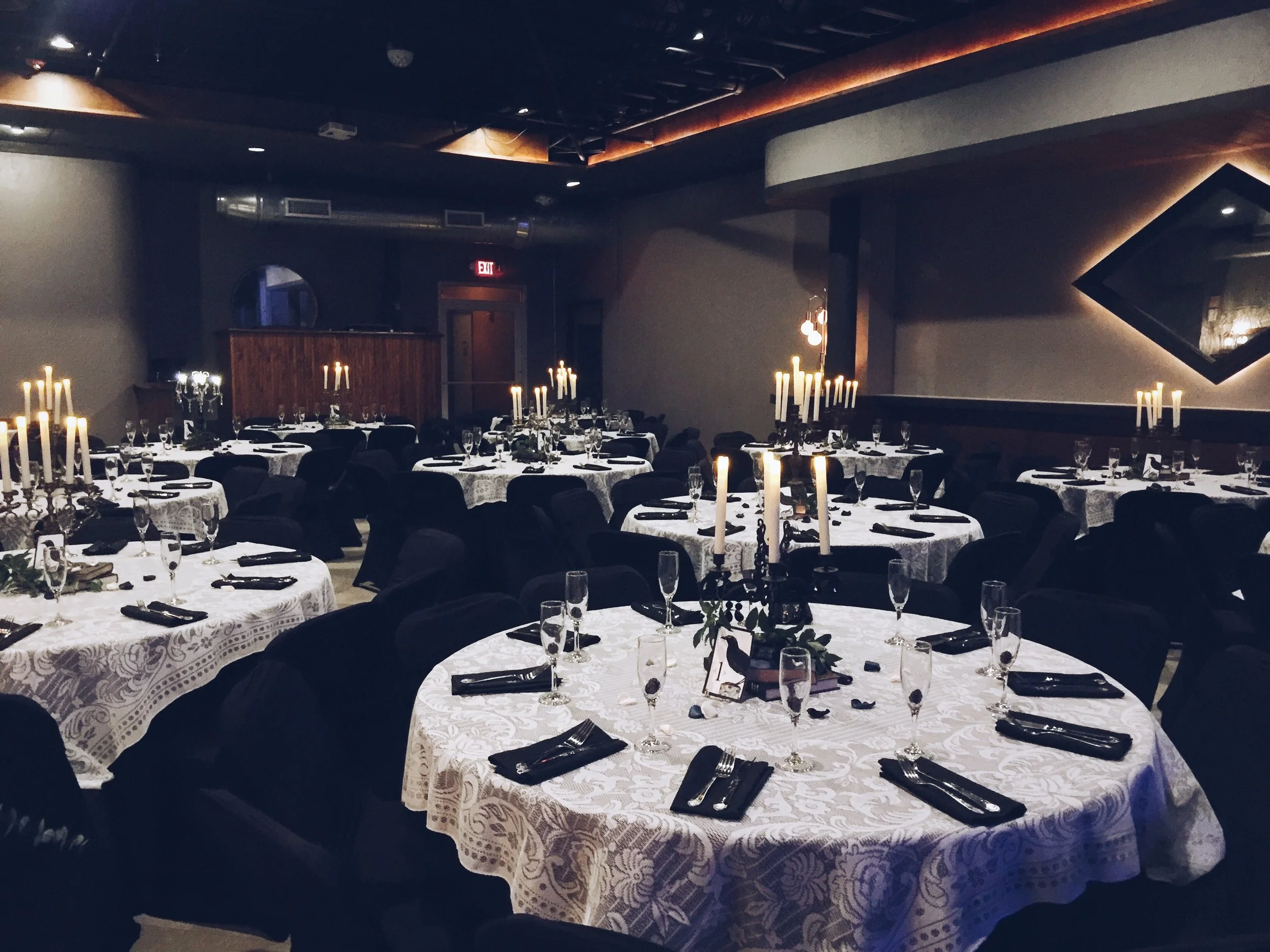
At 20 N Main Street near the University of Florida and Shands Hospital, The Wooly turns an industrial-feeling downtown venue into a stage, gallery, cinema and social hall. Its flexible floor plan, professional audio-visual support, in-house catering and full-service bar make lighting a shared design tool rather than a late addition. Used well, stage lighting guides attention, shapes the room and gives each part of an event its own visual identity.
A theatrical approach begins with hierarchy. A wash supplies general visibility, a key defines the main subject, and backlight separates people from the background. Specials draw attention to a performer, artwork or speaker. These layers can be quiet enough for a corporate meeting or bold enough for a touring band, so one rig can support film screenings, art openings, private parties, weddings and concerts without changing the character of the venue.
For Australian planners, translation matters. Gainesville uses 120-volt power and North American electrical conventions, whereas Australian venues generally operate at 230–240 volts with Type I plugs and portable appliance testing requirements. Southern Hemisphere seasons also alter daylight: a Florida evening may remain bright long after a Melbourne or Adelaide winter event has reached darkness. Temperature, sunset and audience arrival therefore belong in the lighting brief alongside lux levels, colour temperature and cue points.
The aim is not to make every event look like a conventional theatre show. It is to use stage-lighting discipline selectively: enough contrast to establish a focal point, enough softness for conversation, and enough control to support projection, food service and dancing. When lighting is planned around the audience experience, The Wooly retains its relaxed community character while gaining the polish expected at a professional live event.
Design a visual hierarchy before choosing fixtures
Begin with sightlines rather than fixture counts. Stand at the rear, centre and sides of the room, then identify where guests look during each segment. A raised band needs separation from the rear wall; a speech requires even facial light; a projected film needs controlled spill. Mark those priorities in a simple plan and only then decide which instruments will deliver them.
Build each scene in three layers. A soft front wash keeps expressions visible, side light or a narrow key gives people shape, and a back or rim light lifts them from the background. On a dance floor, moving beams add energy, but static warmth often works better for mingling. In a room with hard surfaces, angled light can reveal texture, yet excessive contrast leaves guests feeling watched rather than welcomed.
Focus matters as much as brightness. A precisely aimed profile or spot can isolate a vocalist, bride, speaker or artwork while the rest of the room falls into a lower wash. This is often more economical than lighting the entire venue uniformly. Confirm the ceiling structure, rigging points and sightlines with the venue’s technical team, because a beautiful cue cannot compensate for an audience member’s view being blocked.
Build depth with colour, contrast and texture
Colour should begin with people. A warm wash around 3000–3200 K can flatter skin tones and suit receptions, while a cooler 4500–5600 K mix feels crisp for meetings and exhibitions. Contemporary LED fixtures can shift between those extremes without mechanical colour changes. Check the result with performers present, since cameras, clothing and décor can shift the apparent colour away from the intended tone.
Texture adds depth without filling the room with more hardware. Gobos can cast leaves, lines or architectural patterns across walls and floors, while shutters and framing can create pools of attention. An adjacent Florida production reference, the Southeast US Boat Show, illustrates why reflective surfaces and branded environments demand careful control: a beam that looks effective on a matte wall can produce unwanted glare on glass, chrome or polished décor.
Haze can make gobos and shafts of light visible, but it should be used with restraint and only with venue approval. Fine haze reveals depth; excessive haze reduces clarity and can irritate guests. Air handlers, fire systems and local rules may affect how much can be used. Planners arriving from Brisbane’s warm, humid climate should also allow equipment to acclimate after transport and avoid assuming an outdoor haze effect will behave the same way in an air-conditioned interior.
Make movement readable on the floor
Live performance requires cues linked to action, not just a general colour change. Observe entrances, lifts, turns and the moment a vocalist reaches the microphone, then place focus and intensity around those events. A backlight can mark an entrance, a warm special can hold a face during a quiet line, and a wider wash can release the room when the song ends. Rehearsal is the point where this visual grammar becomes dependable.
Recitals provide a useful example because every entrance has a designed place and time. The Wooly’s dance recital guide is a practical starting point for understanding the venue, but lighting should still be built from the choreography rather than imposed on it. Mark each entrance on the plot, check the audience view and use softer edge light where formations overlap.
Movement fixtures save crew time when several zones need rapid changes, yet they need careful restraint. Too many sweeping beams compete with the performers and spill into the audience. A strong design often combines two or three static looks with a limited number of moving effects. In Melbourne, Sydney and Brisbane, experienced production crews and rental inventories make these combinations practical, although city-specific crew availability and freight costs can materially affect the final quote.
Tune lighting for weddings and social occasions
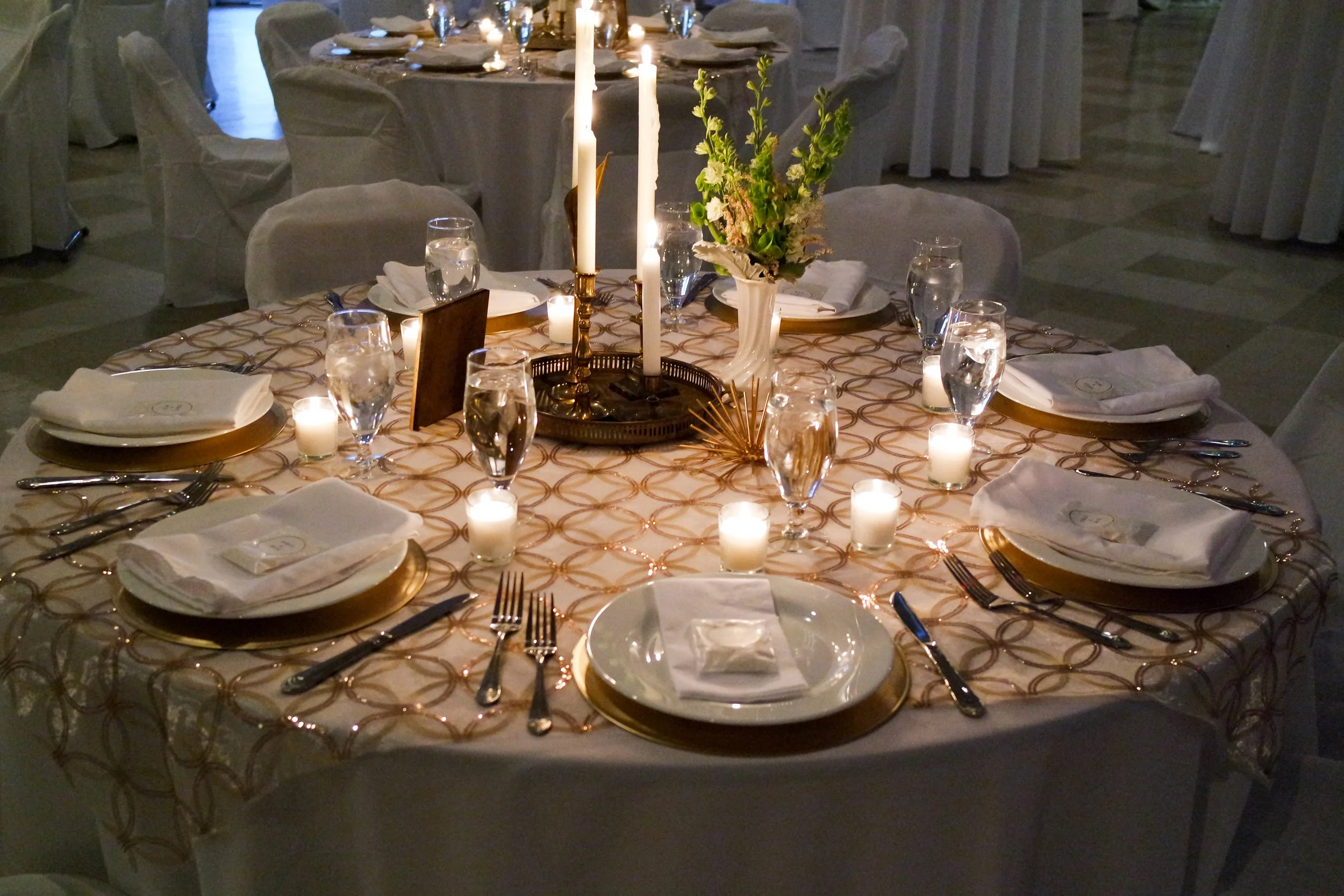
Lighting for a wedding changes substantially between ceremony, meal, speeches and dancing. The ceremony needs stable, flattering faces and enough contrast for a photographer working without distracting front light. The meal can move into a warmer, lower look, but faces should remain readable. For the first dance, a controlled pin spot can establish intimacy; after that, the floor can open into saturated colour as the room becomes a party.
Reception choreography benefits from movement resources and rehearsal notes. For broader ideas about staging movement, international practitioners can review Istanbul Dance programming while the local team maps entrances to the venue’s actual sightlines. At The Wooly, the bar, catering stations and band position all influence where light can safely travel, so the lighting plot should be reviewed alongside the floor plan rather than created in isolation.
The same discipline applies to private parties and corporate meetings, with different visual priorities. Art openings benefit from accurate accents on the work and low ambient spill. Meetings need even faces and screen support. Film nights require deep blackout conditions without making arrival and exit feel awkward. Building these looks into a cue sequence lets one technical system shift gracefully as the programme evolves.
Practical recommendations for Australian planners
Treat the technical advance as a creative meeting rather than a collection of rental line items. A lighting designer, venue technician, entertainer or producer should agree on focal points, audience experience, operating hours and contingency cues. Ask whether the production team is working locally or flying in, because freight, rehearsal access and the availability of a local crew can change both the design and its cost.
Reception operations also belong in that review. The Wooly’s published bar package choices can be considered alongside service locations, timing and power distribution, helping lighting cues follow the actual flow of guests rather than an assumed schedule. Confirm Australian electrical compliance for any imported equipment and build a local technical contact into the plan.
- Create a venue-specific plot showing performers, audience sightlines, truss positions, projection areas, power and safe cable routes.
- Confirm fixture voltage, plugs, rigging certification, dimmer capacity and local electrical testing before shipping equipment from Australia.
- Rehearse transitions with the people who will operate them, including musicians, hosts, speakers and service staff where cues are needed.
- Set a documented dimmer curve and maximum brightness so faces remain comfortable while the room still reads as a theatrical environment.
- Test haze, effects and moving-light positions with the venue, then establish a reduced-effects option for speeches and screenings.
- Build a daylight and arrival plan around the event date, preserving usable light for entry without weakening the first major visual moment.
These measures keep the design portable without making it generic. The floor plan, performers and audience may change across The Wooly’s calendar, but the process remains consistent: identify what must be seen, decide how it should feel, and assign a controllable cue to each change.
A practical takeaway from the lighting desk
The strongest lighting at The Wooly will feel connected to the event rather than added as spectacle. Clear washes support conversation, deliberate specials establish importance, and changes in colour or focus coincide with what the audience is hearing and seeing. That balance suits live music as well as civic gatherings, including the university and Shands community that surrounds the venue.
For Australian planners, the essential adjustment is to translate theatre principles into local conditions: electrical standards, reversed seasons, variable daylight, climate, crew structure and market pricing. The practical takeaway is simple: establish reliable visibility first, create depth second, and reserve dramatic movement for the moments that have earned it.
Follow the Calendar
News, ticket links, and last-minute additions posted across our channels.
Explore the Venue
Five pages covering the full run of programming and private bookings.
Browse the schedule for movie showings, live music, and art shows.
Weddings, holiday banquets, cocktail parties, and anniversaries.
Meetings, networking, luncheons, and fundraisers with AV support.
Concerts, film screenings, art showcases, and community pop-ups.
Photos from past concerts, private functions, and gatherings.