Live shows, movie nights, art openings, private parties, and corporate meetings at 20 N Main St — minutes from the University of Florida and Shands Hospital.
Stay in the Loop
Get the next show, screening, and event announcements sent to your inbox.
Inside the Room
A look at the stage, the floor, and the nights that move through them.

Hosting A Dance Recital At The Wooly
A dance recital needs more than an open room and a playlist. Performers need a dependable stage area, dancers need somewhere calm to warm up, families need comfortable sightlines, and the organiser needs a schedule that keeps every transition moving. The Wooly in downtown Gainesville, Florida, offers the adaptable setting needed to bring those pieces together.
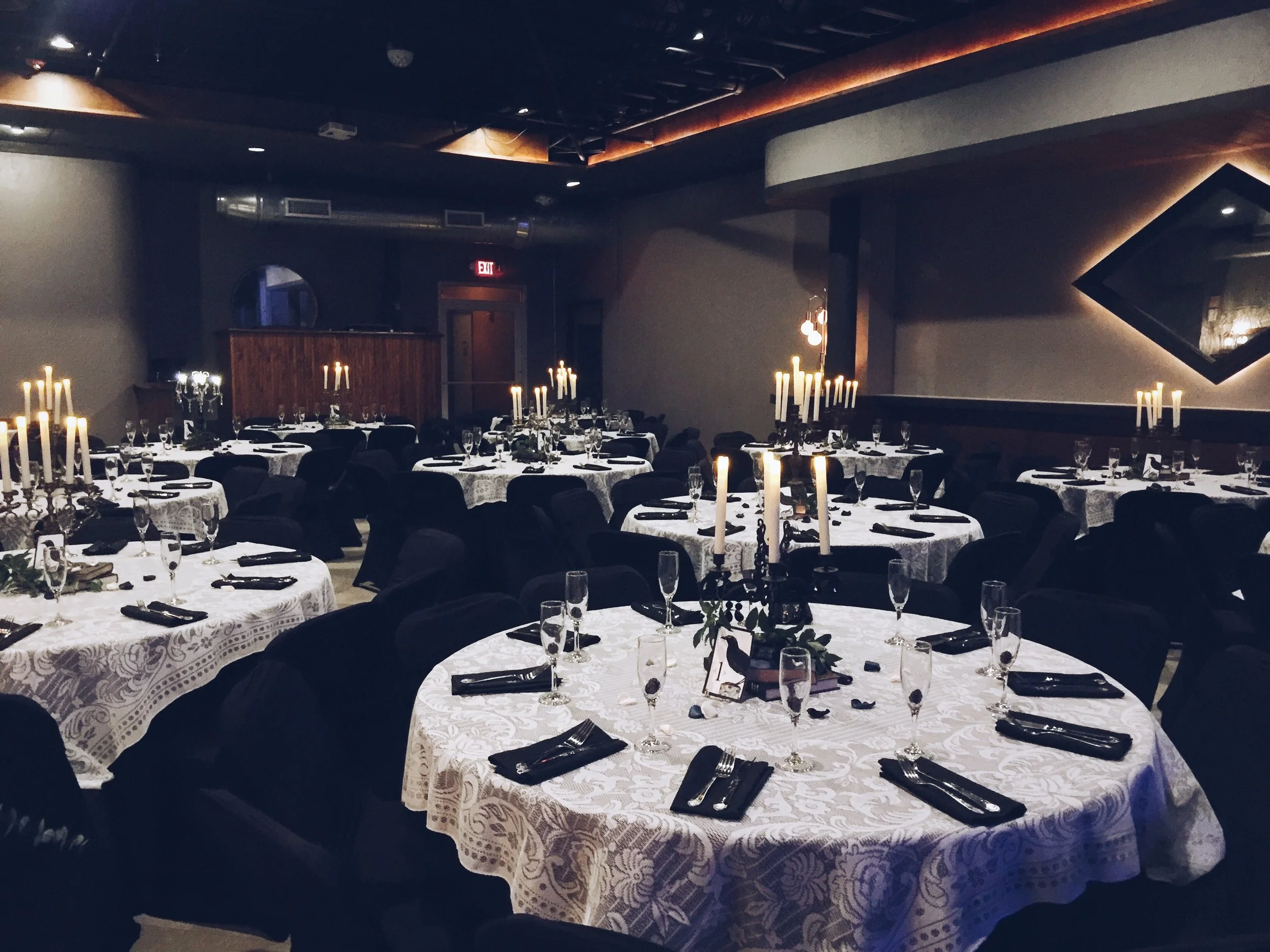
Its flexible floor plan can suit a small studio showcase, a school production, or a polished end-of-year performance with several age groups. Professional audio-visual support, in-house catering and a full-service bar also make it possible to create an event that feels considered from doors-open to the final bows.
For an Australian organiser, the planning process has a few extra layers. Currency, international travel, school-term timing and different venue regulations all need attention before costumes are packed. Gainesville is close to the University of Florida and Shands Hospital, at 20 N Main Street, placing the event in a walkable central area rather than an isolated function complex.
The result can feel quite different from a recital in a suburban Australian community hall. Instead of working around fixed seating and limited production equipment, a venue such as The Wooly gives you room to shape the audience experience, coordinate a proper technical rehearsal and add hospitality that suits parents, guests and performers.
Shape The Recital Around The Room
Start by deciding what the recital should feel like. A studio showcase may need an intimate arrangement with the audience close to the dancers, while a larger annual concert benefits from a defined performance zone, clearer aisles and a backstage holding area. The Wooly’s flexible layout allows the room to be arranged around the scale and style of the programme.
List every space requirement before choosing a floor plan. Include the performance surface, audience seating, check-in, costume changes, props, warm-up, photography and refreshments. Younger dancers may need a supervised quiet zone, while older performers often require a place to stretch without being visible to arriving guests.
Build the audience layout around sightlines rather than simply filling the room with chairs. Avoid tall décor, bulky cocktail tables or equipment cases in front of seated families. If the recital includes floorwork, travelling sequences or large groups, leave sufficient width at the edges of the performance area for entrances and exits.
Australian dance schools often work around school terms, with end-of-year showcases clustered in November and December and mid-year concerts around June or July. If families are travelling from places such as Brisbane, Perth or Melbourne, provide the venue address, arrival guidance and a realistic timetable well in advance. A concise running sheet is especially useful when a recital becomes part of a holiday itinerary.
Build A Calm And Precise Running Order
A successful dance concert feels effortless because the backstage schedule is highly specific. Allow time for load-in, floor checks, sound checks, costume changes, dancer arrivals, audience entry and a full technical rehearsal. Work backwards from the advertised start time and include small buffers for the moments that rarely go exactly to plan.
Give every performance a clear cue name rather than relying only on the song title. “Junior Jazz, Act One” is easier for a stage manager to identify than a track name that may be duplicated in a music folder. The same labels should appear on the running sheet, costume notes, music files and backstage signage.
Keep the youngest performers near the beginning of the programme if possible. Families appreciate seeing children perform before attention spans fade, and younger dancers are less likely to become tired or anxious. A short interval can help with costume changes and audience comfort, though it should be long enough to be useful without losing momentum.
Useful items to include in the production schedule are:
- Arrival times for teachers, dancers, volunteers and suppliers
- Music file names, cue points and emergency playback instructions
- Costume-change windows and the person responsible for each group
- Props, entrances, exits and any floor markings required
- Photographer access, award presentations and the final bows
- A clear finish time for families arranging transport or dinner
Brief every teacher and volunteer in person or through a single written pack. Conflicting instructions create delays, particularly when several age groups share one holding area. One person should have authority over the running order, while the venue and technical teams receive the latest version before doors open.
Make The Stage Safe For Every Style
A recital can include ballet, contemporary, tap, hip-hop, musical theatre and acrobatics in the same programme. Each discipline places different demands on the floor, sound system and available clearance. Confirm the surface is appropriate for the movement vocabulary, then discuss any specialist flooring or protective measures with the venue before booking suppliers.
Ballet dancers need confidence in turns and jumps, tap performers need a surface that supports clean sound, and contemporary dancers need enough room for floorwork. Acrobatics and lifts require additional safety planning, including suitable clearance, trained supervision and a decision about whether the venue is appropriate for the choreography.
Make backstage movement simple. Mark entrances and exits with discreet tape, keep cables covered, and separate performer traffic from audience circulation. A designated prop table is safer than leaving items beside the stage, while labelled garment racks reduce frantic searches during quick changes.
Accessibility should be part of the first floor-plan discussion, not an afterthought. Reserve clear spaces for wheelchair users and companions, keep aisles unobstructed, and offer seating options for older relatives. Families with young children may also value a quieter place to wait before or after a performance.
For an Australian audience, explain the differences between local expectations and the Gainesville venue early. A dance school used to hiring a council theatre in Adelaide or a performing arts centre in Sydney may expect fixed backstage rooms, formal foyer signage or a specific stage manager system. A clear venue briefing helps everyone arrive with realistic assumptions.
Coordinate Sound, Lighting And Visual Support
Music playback is the backbone of a recital, so supply final audio files in an agreed format and test every track in the venue. Do not rely on a teacher’s phone, a streaming service or a last-minute playlist assembled in the foyer. Keep a labelled backup drive and a second copy stored separately from the primary playback device.
Lighting should support the dancers’ faces, formations and costume details without creating glare or harsh shadows. Share the programme with the technical team early, including moments that need a colour change, blackout, spotlight or house-light adjustment. Simple, consistent cues are usually more effective than constant changes that distract from the choreography.
The Wooly’s technical support can be especially valuable when the organiser is coordinating from overseas. Read about the venue’s technical crew support to understand how production assistance can fit into the planning process. Confirm what is included, what needs to be supplied by the studio and when the technical rehearsal can take place.
If the event calls for a stronger visual identity, a specialist creative or production partner may also be useful. A company such as scenic production support can help develop a considered backdrop, branded element or visual treatment when the recital needs to feel more like a finished production than a standard studio presentation.
| Recital format | Best room approach | Main planning priority | Hospitality style |
|---|---|---|---|
| Small studio showcase | Close audience seating with a compact performance zone | Warm atmosphere and quick transitions | Light refreshments and simple bar service |
| Multi-age annual concert | Defined stage area with organised backstage holding | Accurate running order and costume changes | Family-friendly food with an interval |
| Competitive dance presentation | Clear sightlines and strong technical control | Music playback, lighting cues and timing | Short programme with efficient service |
| Fundraising recital | Flexible seating with space for displays or silent-auction items | Guest flow and revenue tracking | Catering, bar service and sponsor visibility |
| Wedding or private celebration with dance elements | Performance area integrated into the main event | Balancing dancing, speeches and guest comfort | Full meal or grazing service with bar options |
Add Décor Without Compromising Movement
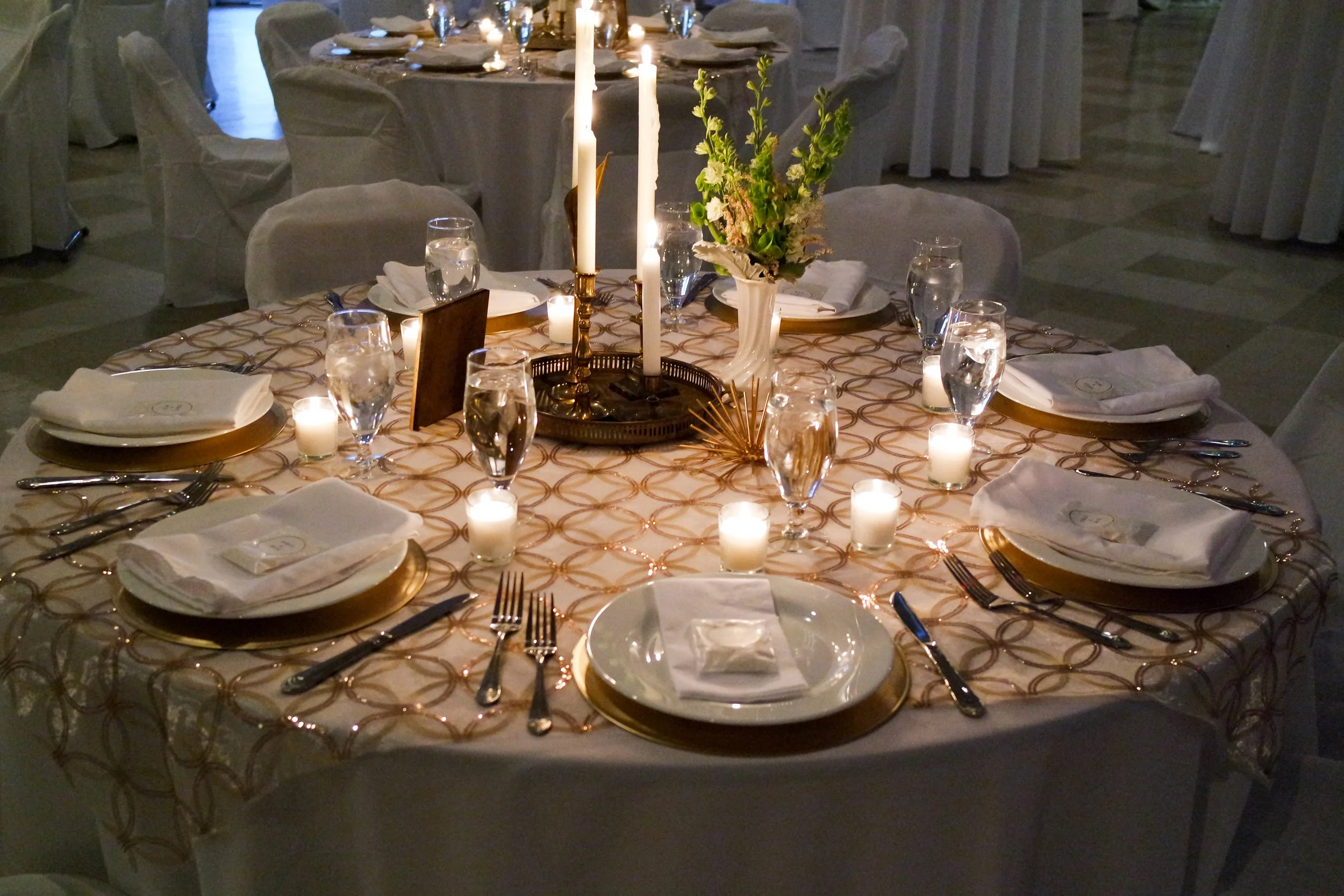
The room does not need to be heavily dressed to feel special. A restrained colour palette, a welcome sign, programme cards and coordinated table details can create a polished result while keeping the dancers and choreography central. Use décor to guide guests through the venue rather than filling every available surface.
Check the venue’s rules before ordering balloons, hanging pieces, floral installations or branded backdrops. The guidance on Can you bring your own decor to The Wooly can help clarify what is permitted and how outside décor should be handled. This is particularly important when suppliers are travelling from another city or when the organiser is arranging items remotely.
Think about the practical life of each decoration. A freestanding sign should not narrow an aisle, loose petals can become a slip hazard, and glitter can be difficult to remove from a performance floor. Keep anything breakable away from changing areas, and make sure scenic pieces do not obstruct emergency exits or technical sightlines.
A useful styling approach is to separate public and performance zones. Put the strongest visual elements near check-in, the bar or a photo point, then keep the stage area uncluttered. This gives families an attractive arrival experience while protecting the space needed for choreography and safe backstage operations.
Plan Food, Drinks And Guest Comfort
Catering should match the rhythm of the recital. A seated meal may suit a formal private performance, while a family showcase often works better with food that can be eaten during an interval or after the final bows. In-house catering can simplify timing because the food service, venue access and event schedule are coordinated through one team.
Choose options that work for children, performers and adults. Include vegetarian choices, identify common allergens and avoid serving messy food immediately before dancers perform. If guests are arriving straight from work or school, a substantial grazing service or early light meal may be more practical than a late formal dinner.
The venue’s full-service bar can support adult guests, but service should remain secondary to the recital. Offer water and non-alcoholic choices prominently, especially for families and performers. Decide whether the bar will open before the show, during an interval or after the performance, and communicate that arrangement in the event information.
The venue’s experience with private functions can also inform the hospitality plan. Its guidance on rehearsal dinner planning offers useful ideas about coordinating food, drinks, speeches and guest movement in the same flexible setting. Those principles transfer well to a recital with awards, presentations or a post-show celebration.
Guest comfort often comes down to details that are easy to miss:
- Provide a clear check-in point and a digital or printed guest list
- Share approximate show length, interval timing and finish time
- Offer water access for dancers, teachers and volunteers
- Keep family seating, accessible seating and pram storage organised
- Use discreet signage for toilets, exits, bar service and photo areas
Australian organisers should also allow for the practical differences in billing and travel. Confirm whether prices are quoted in US dollars, how deposits are scheduled and whether international card fees apply. Families travelling from Australia may need hotel information near central Gainesville, while local guests may prefer straightforward directions from the University of Florida area or Shands Hospital.
Set A Budget That Reflects The Real Event
A recital budget should include more than room hire and performer costs. Consider technical labour, extra rehearsal time, floor protection, catering, bar arrangements, décor, photography, printing, transport and contingency funds. International organisers should also account for exchange-rate movement between Australian dollars and US dollars.
Ask for a written proposal that separates included services from optional additions. Clarify the number of venue hours, access for load-in and pack-down, staffing levels, cleaning responsibilities and any external supplier charges. A lower initial hire price can become expensive if essential production elements are added later.
If families are buying tickets, decide whether the price covers only admission or includes food, a programme, a drink or a post-show gathering. For a studio fundraiser, make the purpose of the ticket clear and track complimentary seats for teachers, volunteers, sponsors and performers’ siblings.
A simple financial check can compare the likely impact of each choice:
- Venue and access: room hire, rehearsal access, load-in and pack-down
- Production: sound, lighting, stage management and specialist equipment
- Guest experience: catering, drinks, seating, signage and décor
- People: photographers, volunteers, security and additional event staff
- Contingency: exchange-rate changes, replacement items and schedule overruns
Keep a single master budget in the organiser’s working currency, then record the venue’s actual US-dollar figures beside it. This avoids confusion when Australian families, a US venue and overseas suppliers are all involved. Set payment deadlines in calendar form and assign one person to approve variations.
Give The Performance A Memorable Finish
The final stage of planning is audience communication. Send a concise event guide with the address, arrival time, parking or transport notes, seating arrangements, accessibility information and expected finish. Avoid promising details that have not been confirmed, particularly around photography, food service or late arrivals.
A strong finale can be simple: a complete-company number, a thank-you from the artistic director, presentation of certificates and a final bow with suitable lighting. Allow enough room for every group to enter safely, and brief teachers on where dancers should stand once the applause begins.
After the recital, gather feedback while details are fresh. Ask teachers about backstage flow, families about comfort and communication, and the technical team about music, cues and access. Keep the running sheet, supplier contacts and floor plan for the next production; a well-documented event becomes a valuable template.
The best dance recital at The Wooly will feel carefully produced without feeling over-managed. Dancers should have a safe, supportive environment, families should enjoy clear communication and comfortable hospitality, and the venue should allow the choreography to take centre stage. What guests remember most is the confidence of the performers, the warmth of the room and the smoothness of every transition.
Follow the Calendar
News, ticket links, and last-minute additions posted across our channels.
Explore the Venue
Five pages covering the full run of programming and private bookings.
Browse the schedule for movie showings, live music, and art shows.
Weddings, holiday banquets, cocktail parties, and anniversaries.
Meetings, networking, luncheons, and fundraisers with AV support.
Concerts, film screenings, art showcases, and community pop-ups.
Photos from past concerts, private functions, and gatherings.