
Live shows, movie nights, art openings, private parties, and corporate meetings at 20 N Main St — minutes from the University of Florida and Shands Hospital.
Stay in the Loop
Get the next show, screening, and event announcements sent to your inbox.
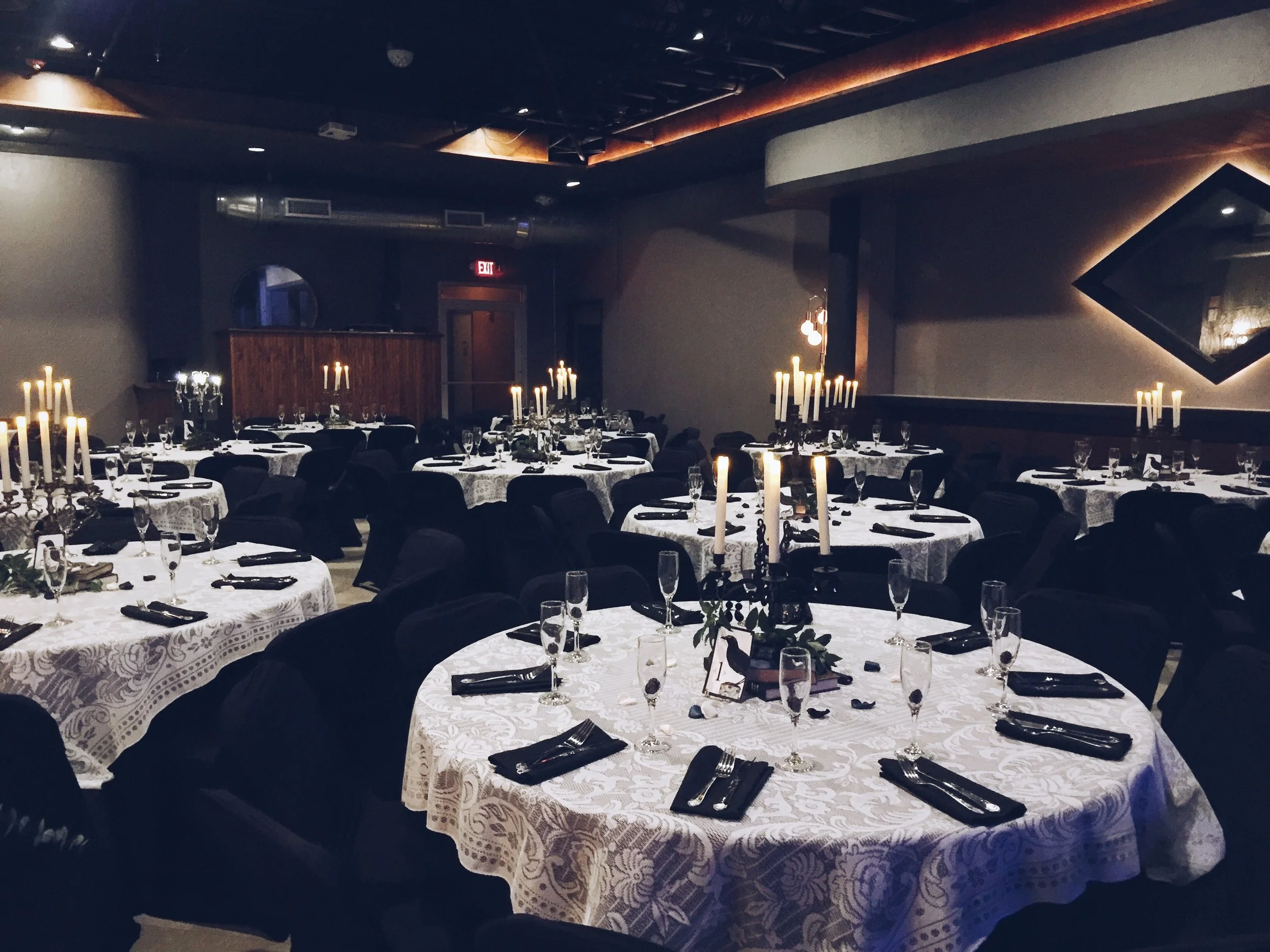
Inside the Room
A look at the stage, the floor, and the nights that move through them.

How The Wooly Connects With UF Student Organisations
The Wooly sits in the centre of Gainesville at 20 N Main Street, close to the University of Florida and Shands Hospital. That location gives student organisations a practical link between campus life and the wider city. A club can move an event beyond a lecture room, residence hall or university meeting space without sending guests far from central Gainesville.
For UF student groups, the venue’s value lies in its flexibility. A society may need a small gathering one month, a ticketed concert the next and a formal reception later in the semester. The Wooly can support live music, film screenings, art openings, private parties, weddings and corporate-style meetings, making it suitable for different event formats under one roof.
This relationship is best understood as an event partnership rather than a single kind of booking. Student leaders bring a community, theme and audience, while the venue contributes an adaptable floor plan, professional audio-visual support, in-house catering and a full-service bar. Together, those elements can turn a student idea into a polished public programme.
Australian readers will recognise the appeal of a city-centre venue that connects a university to local culture. A club in Melbourne might leave campus for a laneway gallery, while a society in Brisbane could use a small music room near the CBD. In Gainesville, The Wooly offers a similar bridge between student activity, independent artists and the surrounding hospitality economy.
A Natural Link Between Campus And Downtown
UF has a large and varied student population, so student organisations operate across many interests: cultural associations, performance groups, academic societies, residence-based clubs, volunteering networks and professional organisations. A downtown venue helps these groups reach beyond their existing members. The event can remain student-led while welcoming alumni, local residents, visiting artists and prospective students.
The Wooly’s central position also supports simple travel planning. Guests may arrive from campus, nearby apartments, hospitals or downtown businesses without requiring a remote event site. That matters for evening programmes, when organisers must consider transport, accessibility and safe movement between venues. It also makes the space useful for events that combine a UF activity with a Gainesville-wide audience.
The connection can work in both directions. A student organisation may bring a new audience to a local concert, while The Wooly’s calendar can introduce students to touring musicians, independent filmmakers, visual artists and community organisers. This shared audience helps student clubs participate in Gainesville’s cultural life instead of treating campus and downtown as separate worlds.
For an Australian comparison, the pattern resembles a university society working with a venue near Melbourne’s Swanston Street or Sydney’s inner-city cultural precinct. The setting feels more public than a campus room, yet it remains accessible to students. That balance can give a club’s event a stronger civic identity without losing its connection to university life.
Flexible Formats For Student-Led Events
A student organisation does not have to define itself by one event type. A film society might arrange a screening followed by a panel discussion. A dance group could present a showcase with a reception afterwards. An international students’ association might host a cultural night with food, performances and music. The Wooly’s open layout allows organisers to think about how guests move, gather and participate.
The venue’s audio-visual capabilities are particularly useful for groups that need more than background sound. A speaker programme may require microphones and presentation playback, while a live showcase may depend on stage sound, lighting and a reliable changeover between performers. Early conversations about equipment can help a student committee avoid discovering technical limits during the final week of semester.
Visual identity matters as well. Art clubs, design societies and fashion groups can use the venue as a setting for installations, displays or launch events. Reviewing the venue gallery can help organisers imagine how the room might look with exhibition panels, sponsor signage, a registration desk or a performance area.
A flexible plan is valuable because student events often change as ticket sales develop. A room first arranged for seated discussion may need to become a standing reception, or a small performance may require space for cameras and audience interaction. Clear diagrams, realistic guest numbers and an agreed schedule help the room remain functional rather than simply full.
Production Discipline Behind A Smooth Night
Student organisers sometimes concentrate on promotion and ticketing while underestimating production. Load-in, sound checks, furniture placement, catering arrival, doors opening and performer call times all compete for the same hours. This is where venue experience can protect a volunteer committee from preventable delays.
A practical production schedule should identify who arrives first, where equipment enters, when technical staff need access and how the space changes between activities. For a large formal event, The Wooly’s guidance on wedding load-in planning offers a useful example of how detailed timing can support a complex booking. The same principles apply to student galas, award nights and multi-act showcases.
This planning is also a learning opportunity. A committee member responsible for production can gain experience in venue coordination, while another can manage artist liaison, front-of-house duties or audience access. Those roles translate into useful skills for careers in events, communications, hospitality, arts administration and media.
The strongest relationship between a venue and a student organisation is therefore collaborative. Students should arrive with a clear brief, realistic timings and a named decision-maker. Venue staff can then advise on room use, technical requirements, catering and bar operations. Responsibility remains shared, but uncertainty is reduced before guests arrive.
Hospitality, Compliance And Audience Care
Food and drink can shape the tone of a student event. In-house catering may suit a reception, networking evening or awards function, while bar service can support a concert or private celebration. Organisers should decide early whether refreshments are included in admission, sold separately or limited to a particular service period.
Alcohol planning requires particular care when student audiences are involved. In Florida, licensed service, age verification and venue procedures matter; a university-affiliated club cannot treat a social event as an informal house party simply because most guests are students. The booking brief should make expectations clear for organisers, performers, volunteers and attendees.
Australian organisers will recognise comparable responsibilities under responsible service of alcohol rules, commonly known as RSA. A student society in Queensland, New South Wales or Victoria must consider licensed service, age checks and crowd safety, with exact requirements varying by state. In the United States, the legal framework differs, but the practical principle is similar: hospitality arrangements need to be settled with the licensed venue rather than improvised by volunteers.
Other details deserve equal attention. Ticket information should state the event format, start time, access arrangements and any age restrictions. A committee should consider step-free access, quiet points, dietary requirements and a clear process for reporting concerns. Local council expectations, fire capacity and any permit obligations may also affect public events, especially when amplified sound, temporary signage or extended operating hours are involved.
Building A Sustainable Student-Venue Connection
A single successful booking can become the beginning of a longer relationship. A cultural club might return for an annual celebration, a film group could establish a semester screening series, or several societies could share a careers and networking night. Regular activity helps committees learn the venue’s rhythm and allows staff to anticipate the needs of student audiences.
The relationship can also create a pathway for emerging performers. Student musicians, DJs, filmmakers and visual artists often need professional environments where they can present work to a real audience. The Wooly’s connection to concerts, movie nights and community events places student creativity within a broader calendar, giving new artists a setting that feels more substantial than an informal campus showcase.
External collaborators can add depth when they fit the event’s purpose. An organisation planning a music or arts programme may review an artist or creative project such as Hakeichi’s work when considering potential programming, visual references or partnership ideas. Any booking should still be assessed for suitability, availability, technical needs and audience fit.
Sustainability is also a practical consideration for student committees. Reusable signage, digital tickets, sensible catering quantities and consolidated transport can reduce waste and cost. A group in Adelaide or Perth may plan around public transport and hot weather in a different way from a Gainesville organiser, yet the underlying habit is the same: event design should account for the local environment, not just the programme.
Practical Ways To Build A Student Event
- Appoint one student contact who can make timely decisions during planning and on the event day.
- Prepare a concise brief covering audience size, event purpose, timings, seating, catering, bar service and technical needs.
- Ask about room capacity, accessibility, equipment, staffing, load-in and pack-down before promoting the event.
- Build a detailed run sheet that includes supplier arrival, sound check, doors, performances, breaks and closing procedures.
- Set a realistic budget with separate allowances for venue hire, production, catering, promotion, security and contingency costs.
- Share clear guest information about tickets, age requirements, accessibility, transport and behaviour expectations.
- Review the event afterwards, recording costs, attendance, technical lessons and ideas for a future booking.
A strong student-venue connection does not require every event to be large. A well-run workshop, intimate screening or small society dinner can be as valuable as a packed concert. The important point is that the space supports the organisation’s actual purpose, whether that is building community, presenting creative work, celebrating a milestone or bringing a specialist conversation into public view.
The Wooly gives UF student organisations a downtown base where campus energy can meet Gainesville’s cultural and hospitality scene. With careful scheduling, responsible service arrangements and open communication, student groups can use the venue as more than a room to hire. They can make it part of a continuing relationship between university life, local audiences and the creative work that gives a city its character.
What readers should remember is simple: the best student events begin with a clear idea, then become successful through thoughtful venue planning, dependable production and respect for the audience.
Follow the Calendar
News, ticket links, and last-minute additions posted across our channels.
Explore the Venue
Five pages covering the full run of programming and private bookings.
Browse the schedule for movie showings, live music, and art shows.
Weddings, holiday banquets, cocktail parties, and anniversaries.
Meetings, networking, luncheons, and fundraisers with AV support.
Concerts, film screenings, art showcases, and community pop-ups.
Photos from past concerts, private functions, and gatherings.