Live shows, movie nights, art openings, private parties, and corporate meetings at 20 N Main St — minutes from the University of Florida and Shands Hospital.
Stay in the Loop
Get the next show, screening, and event announcements sent to your inbox.
Inside the Room
A look at the stage, the floor, and the nights that move through them.

Why a Load-In Schedule Matters for a Large Wedding at The Wooly
A load-in schedule is essential for a large wedding at The Wooly, yet its importance is easy to underestimate because guests experience only the finished room. The calm before doors open depends on flowers, dresses, staging, sound equipment, food, drinks and furniture arriving in the right order. A load-in schedule aligns suppliers with one another and gives the venue team a shared plan for every arrival, handoff and changeover.
A load-in schedule does more than list van times. It connects venue access, supplier labour, power, sound checks, catering preparation and the point when guest areas must become guest-ready. It also reserves time for surprises: a late floral delivery, damaged table linen, a missing adaptor or a band needing longer to rig. Without that visibility, small delays accumulate at the front door and leave capable crews following a timetable that no longer works.
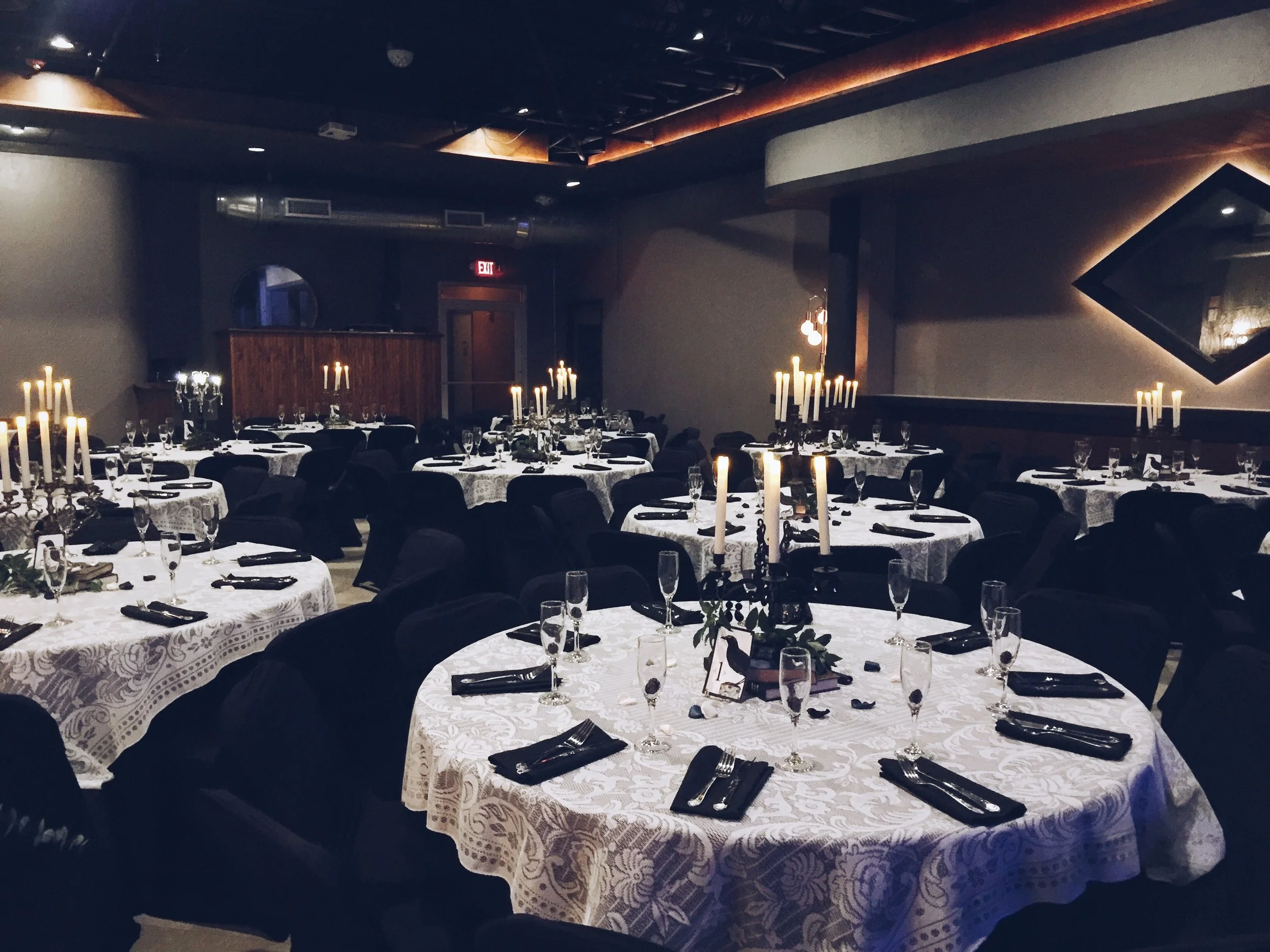
At The Wooly, that coordination is especially valuable. The downtown venue at 20 N Main Street, near the University of Florida and Shands Hospital, combines live performance, film, art and private-event possibilities in a flexible setting supported by professional audio-visual services, in-house catering and a full-service bar. A large wedding can require a ceremony set, dining layout, dance floor, stage, bar and photo backdrop within the same footprint.
For Australian planners and couples, four familiar realities sharpen the need. Sydney and Melbourne suppliers often work around tight loading windows, council occupancy conditions and urban traffic restrictions. Budgets are usually prepared in Australian dollars, with 10% GST included in consumer prices, while a Florida event introduces US-dollar charges and exchange-rate movement. Australia’s October-to-April wedding season brings warmer weather at home, whereas Gainesville’s autumn and winter evenings have earlier sunsets and require more lighting for arrivals. Speeches, toasts, the first dance and a late bar are also familiar Australian reception milestones that need protected transitions.
Turning the Venue Brief into a Working Timeline
Start with the signed event brief, floor plan and supplier list. Ask The Wooly’s event team which entrances, lifts, stairs, parking areas and delivery routes are available, and who has authority to approve changes. Mark the ceremony zone, dining area, bar, stage, kitchen handovers, storage and guest circulation on the working plan. Every supplier should receive the same version, including contacts for the venue, planner, production lead and on-site floor manager.
The Wooly’s professional workshop guidance shows how the venue supports organised, presentation-led events with appropriate technology and coordination. A wedding demands similar discipline: power must reach the correct places, microphones must be tested, screens must face the audience and confidential notes must remain with the planner. A production check should happen before decorative pieces arrive, because rigging and cabling are easier to adjust while the room is still clear.
Build the timeline backward from guest arrival. Work out how long each installation needs, which tasks can happen in parallel and which cannot share a corridor or power supply. Identify when the room must be released for final cleaning, catering and safety checks. Use relative milestones such as T-minus 90 minutes where exact access times remain unconfirmed. The venue should approve the final clock, and changes should be issued in one controlled version rather than scattered messages.
Mapping People, Equipment and Access
Group suppliers by dependency rather than simply by arrival time. Rentals may need to precede florals; florals may need tables in position; catering may need the bar stocked before doors open; and entertainment may need power at the stage before its sound check. A large bridal party may also require separate changing space, while photographs and décor must not block emergency routes. Assign a named lead to each workstream and state who signs off when it is complete.
Garments need special handling because their condition is visible. A practical dress shopping guide can help planners consider fittings, collection and transport, while the on-site plan should reserve a clean hanging or dressing area away from kitchens, cases and foot traffic. Bridesmaids’ dresses, veils, shoes and jewellery should be logged, and only authorised people should retrieve them. Last-minute steaming must not overlap with the final guest sweep.
Map the physical route as well as the timing. Confirm where vehicles may wait, how long unloading is permitted, who controls any lift and whether trolleys can cross public areas. In central Sydney or Melbourne, planners may need permits and traffic marshals for kerbside deliveries; at 20 N Main Street, the venue’s access instructions and Gainesville’s traffic arrangements take precedence. A late truck should have a fallback holding place and a telephone contact rather than circling the block while the wedding party waits inside.
Include a delivery manifest with each supplier’s name, vehicle type, contents, arrival window, parking instruction and departure time. Ask large trucks to call ahead and require smaller suppliers to consolidate boxes where possible. Record every item that must leave again, particularly lighting, furniture, glassware and hired linen. This makes load-out a plan as well and prevents valuable equipment from being abandoned when the day ends.
Protecting Guests, Suppliers and Performances
Safety and guest experience are inseparable from timing. Keep fire exits, aisles, accessible routes and service paths clear; cover or ramp cables; prevent cases from becoming trip hazards; and establish who supervises suppliers outside guest areas. Alcohol service should not begin until the bar is ready, staffed and included in the venue’s service plan. During setup, the planner and venue representative should conduct a joint walk-through before declaring the room open.
Performances add another layer. The Wooly’s famous live acts page reflects its credibility as a live-music setting, and a wedding band or DJ should be treated as a production team rather than a last-minute arrival. Its technical requirements need checking against the stage, inputs, monitors, lighting, power and changeover time. If the ceremony and reception share the room, performers need a defined window for packing, repositioning and completing a line check.
Set a short production meeting for the planner, band or DJ, stage manager, caterer, bar lead and venue technician. Record the exact cue for each speaker, song, toast and service change. A shared cue sheet should include walk-on positions, microphone handoffs, sound levels, blackout points and the expected finish. Keep a spare cable, adaptor and playback device onsite, but assign one technician responsibility for testing them; an untested spare can create another delay.
Australian reception customs deserve protected time rather than improvised gaps. Speeches can run longer than planned, a toast may add another microphone and guests often expect the bar to remain open into the late evening. The run of show should include a hospitality allowance for those overruns, while the licensed team retains control of service. This matters at The Wooly just as it would at a marquee in Brisbane, Perth or Adelaide.
Budgeting Time, Labour and Australian Costs
Price the schedule as carefully as the décor. Labour may include venue setup, supplier crews, bar staff, cleaners, security, production personnel and overtime, while transport can be affected by waiting time or an additional trip. Early access might carry a premium, but it can prevent rushed rigging or damage. Ask for written rates, minimum hours, break rules and cancellation terms, then tie each payment to a milestone such as access, build completion, guest-ready handover and load-out.
Build a contingency budget for common failures and keep a small reserve for urgent replacements. An external risk planning resource can prompt a second review of access, restricted areas and emergency assumptions, but it must not replace directions from The Wooly’s team. Before confirming final numbers, test whether the schedule can absorb a late supplier, failed lighting cue or extra hour of band setup without pushing every subsequent task into the guest arrival window.
Australian budgets need a currency and tax plan. Use Australian dollars as the planning baseline, record the exchange-rate date and note that Australia’s 10% GST is not the same as any tax or service charge applied in Florida. Suppliers may invoice in US dollars, and card or bank fees can move the total further. Reserve a defined percentage for currency movement and another for on-the-day labour. The planner should also identify which costs are fixed, which are estimates and which become more expensive when load-in begins late.
Time carries financial risk as well. A delayed start compresses sound checks, meal service and speeches, potentially causing rushed food, overtime labour or a late finish. Overgenerous buffers can hold staff and vehicles for hours without adding value. Review labour rates against the critical path and remove tasks that do not affect the guest experience, while retaining enough flexibility for realistic problems.
A Practical Run of Show for Every Team
The same planning principles apply when the brief grows beyond a reception, and The Wooly’s corporate event services provide a useful reference for larger, presentation-led formats. A wedding may include a welcome screen, staged announcements, projection or a full production booth. Each feature needs a power source, operator, test time and fallback. Technology should be added only when the schedule, crew and guest sightlines can support it.
Convert the approved schedule into a shared chronology before suppliers arrive. A concise timeline prevents a detailed plan from becoming folklore and separates crew-only periods from guest-access times.
- Access opens: Record the venue contact, authorised vehicles, arrival gates and supervisor for each crew.
- Core build begins: Release furniture, décor, catering and production areas only after access checks.
- Production check: Test microphones, playback, lighting, screens and every cue used during the ceremony.
- Guest-ready handover: Complete a joint visual inspection, record sign-offs and secure all supplier equipment.
- Load-out closes: Track hired items, clear the venue and confirm that no cases or supplies remain.
The floor manager should use a second checklist to verify the room rather than merely the completion of tasks. The final walk should be visual, audible and operational, with every issue assigned immediately.
- Routes and exits: Confirm that aisles, emergency exits, accessible paths and service corridors remain unobstructed.
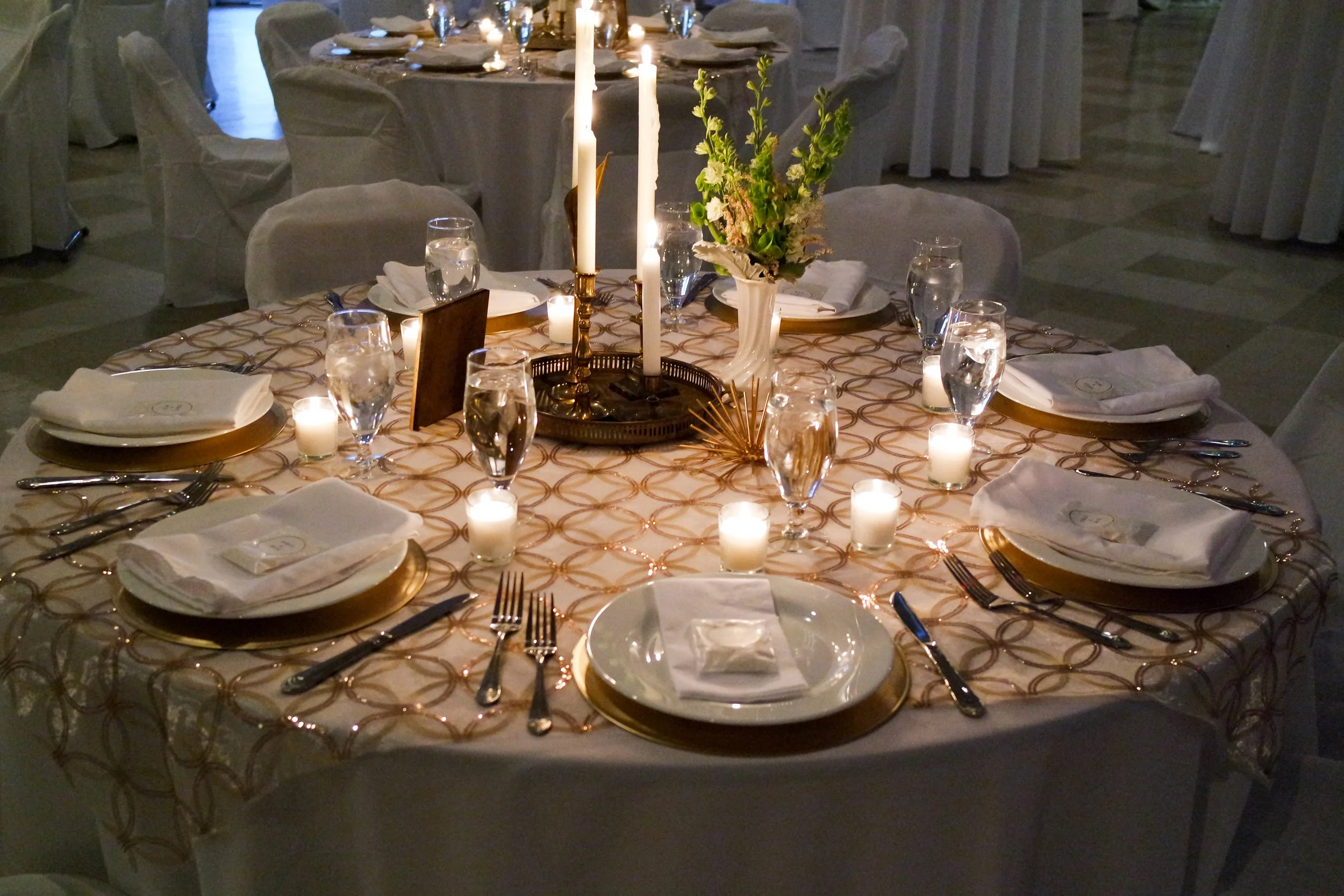
- Tables and guest flow: Check spacing, linen, centrepieces, place settings and the route from entrance to seating.
- Power and presentation: Verify cables, batteries, microphones, screens, cue sheets and backup playback equipment.
- Catering and bar: Reconcile service counts, glassware, drinks, accessibility provisions and the staffed service period.
- Teams and contacts: Distribute the final revision, emergency numbers, supplier departures and next-person responsibilities.
The final document should contain emergency contacts, venue rules, parking instructions, delivery windows, cue sheets, supplier names and the latest revision time. Everyone receives it before arrival, and the planner keeps one printed copy with the venue lead. The thing every team should remember is that a memorable wedding is built on an invisible sequence of timely handoffs, so protect the load-in schedule as carefully as the ceremony itself.
Follow the Calendar
News, ticket links, and last-minute additions posted across our channels.
Explore the Venue
Five pages covering the full run of programming and private bookings.
Browse the schedule for movie showings, live music, and art shows.
Weddings, holiday banquets, cocktail parties, and anniversaries.
Meetings, networking, luncheons, and fundraisers with AV support.
Concerts, film screenings, art showcases, and community pop-ups.
Photos from past concerts, private functions, and gatherings.