Live shows, movie nights, art openings, private parties, and corporate meetings at 20 N Main St — minutes from the University of Florida and Shands Hospital.
Stay in the Loop
Get the next show, screening, and event announcements sent to your inbox.
Inside the Room
A look at the stage, the floor, and the nights that move through them.

How The Wooly works with local florists
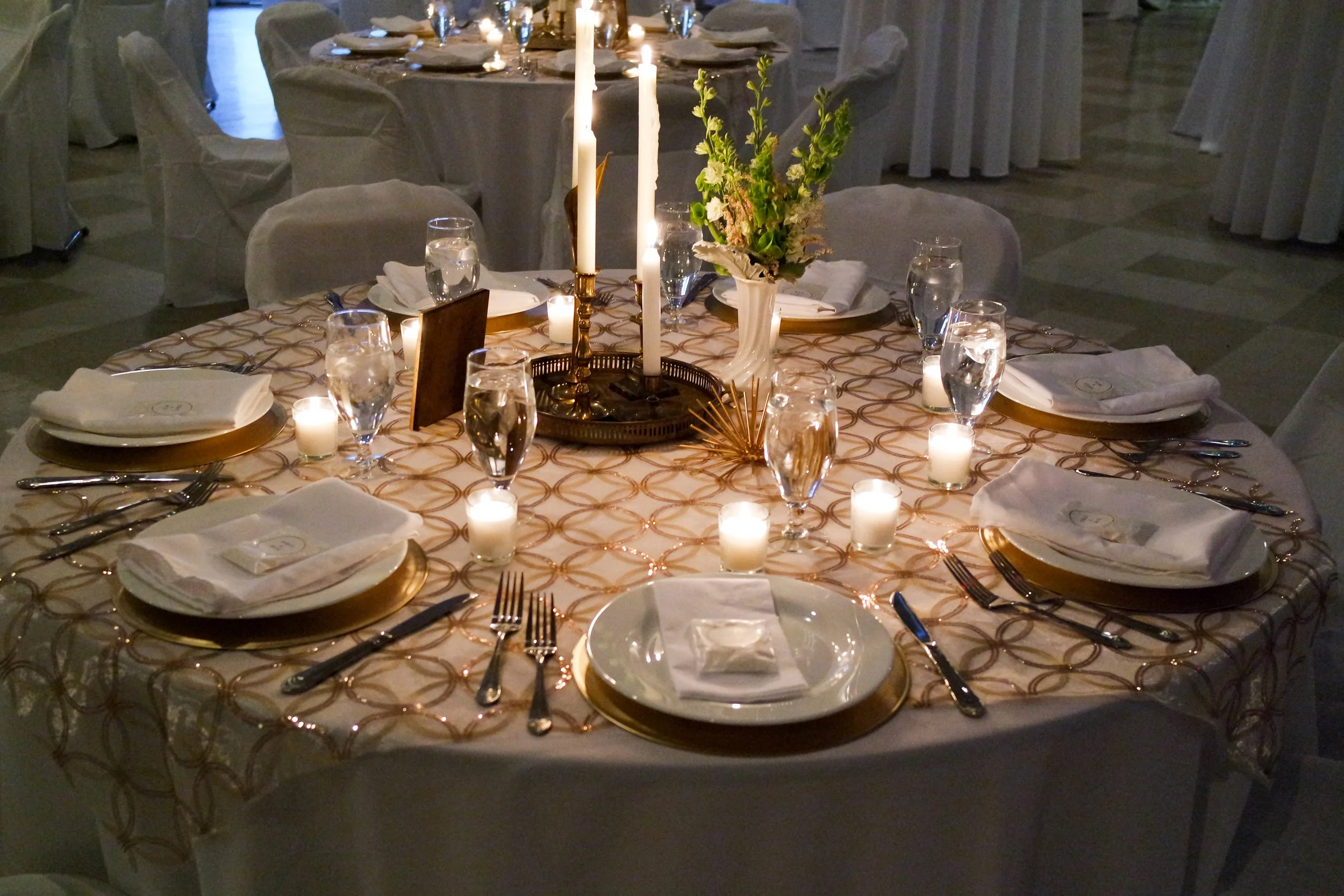
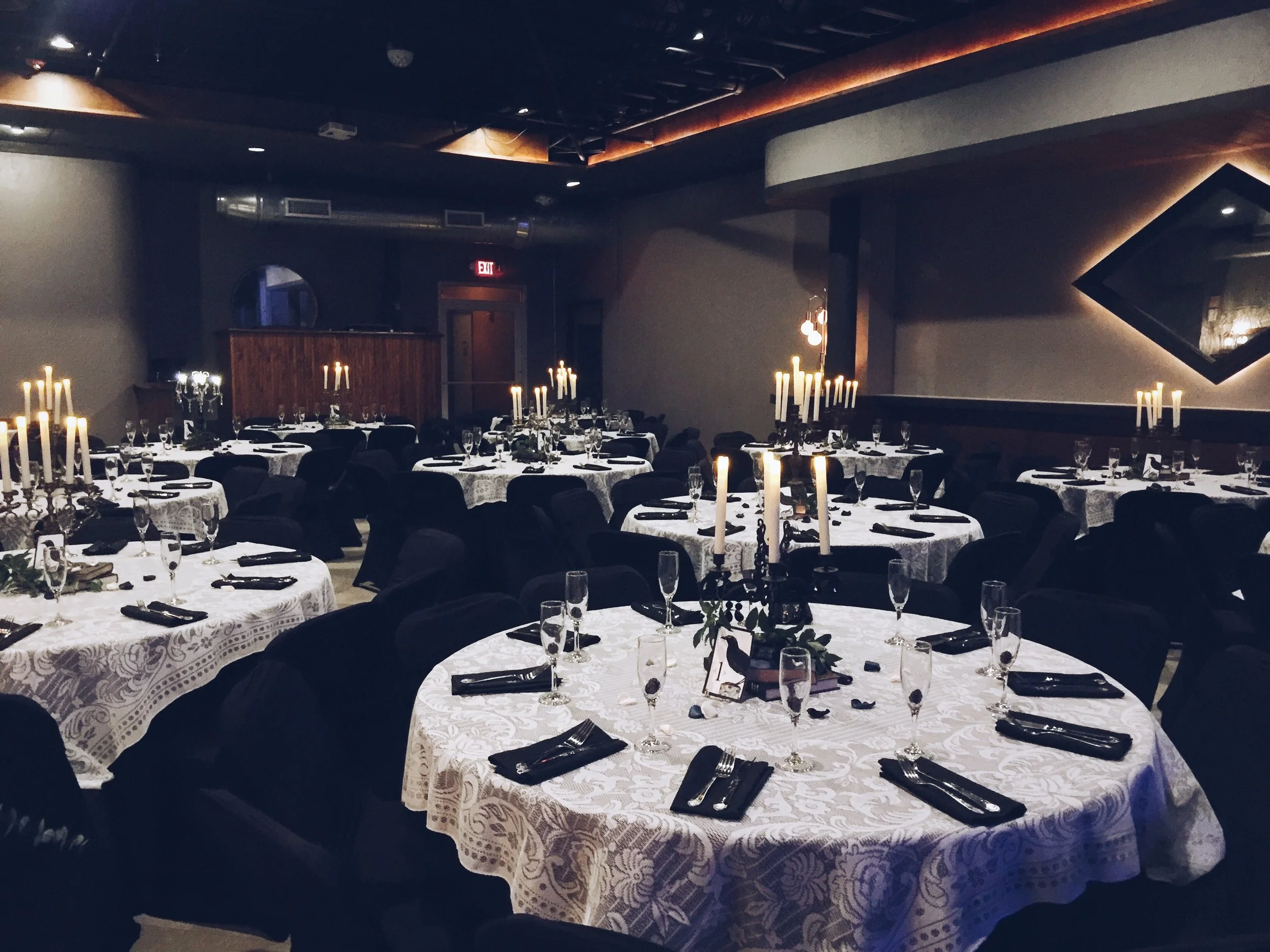
At The Wooly, event flowers are part of the room’s atmosphere, not a detail added after the main production decisions. The Wooly’s partnership with local florists connects fresh arrangements and botanical styling with a flexible floor plan, professional audio-visual support, in-house catering and a full-service bar. The result is a setting in which flowers complement performances, screens, dining areas and crowded dance floors without competing with them.
The venue’s address at 20 N Main Street places it in downtown Gainesville, close to the University of Florida and Shands Hospital. That position brings together students, medical staff, artists, residents and visitors, so floral choices need to work for a mixed public audience as well as for private wedding parties and corporate gatherings.
For Australian event professionals, the partnership offers a useful cross-market example. The working methods translate well to Sydney, Melbourne and Brisbane, while differences in climate, native species and wholesale flower networks add useful context. The central principle remains familiar: a local floral team should understand the building and the guest journey before it selects stems.
A local partnership built around the room
A local florist sees more than an empty venue on paper. Familiarity with access points, floor coverings, power positions, stage dimensions and service routes helps the designer judge where an arrangement can sit without blocking a projector, narrowing a corridor or interfering with catering. This venue-specific knowledge is especially valuable when one room must move quickly from a seated dinner to a live concert.
The venue overview outlines the range of uses covered by The Wooly, from film screenings and art openings to weddings, private parties and corporate meetings. Each occasion calls for a different balance of scale and formality. A grand floral installation might suit an opening night, while restrained bud vases or low foliage accents can preserve sightlines during a film or panel discussion.
Florists also help the creative team make transitions. The same event may begin with arrivals, move into presentations, pause for a meal and finish with live music. Repurposed branches or smaller vessels can change the mood between phases. Local suppliers are therefore not simply decorating a room; they are helping choreograph how guests experience it across the programme.
From first brief to final stem count
The useful brief begins with an accurate floor plan and a clear event purpose. It should identify guest numbers, ceremony and dining layouts, stage use, bar positions, brand colours, lighting temperatures, scent restrictions and the exact time each area must be ready. With catering and audio-visual suppliers also working on site, the florist can avoid placing tall, fragrant or fragile pieces where service teams need access.
Stem choice follows the brief and the season. Florists can draw on Florida foliage and tropical blooms while ordering roses, lilies and other staples from established suppliers. Substitutions may be necessary when heat, rain or availability changes a delivery, making it useful to agree on an acceptable palette and backup materials before production begins.
Australia also provides a strong reference point for fresh-flower logistics. Melbourne’s Flemington Flower Market connects growers, wholesalers and event florists, showing how a mature local network can improve choice and pricing. Australian biosecurity controls on imported cut flowers also make domestic sourcing and clear traceability particularly valuable. The same preference for dependable local supply translates well to Gainesville.
| Planning point | Standalone floral order | Venue-connected collaboration |
|---|---|---|
| Design brief | General colours and container sizes | Layout-aware advice based on rooms, stages and guest flow |
| Delivery | Kerbside drop-off | Confirmed access route, service window and setup responsibilities |
| Installation | Often handled separately | Florists install and adjust pieces around other suppliers |
| Plant material | Pre-selected seasonal stems | Approved alternatives for weather, scent and budget |
| Aftercare | Disposal after the event | Reuse, donation or composting arrangements confirmed in advance |
Once scope is agreed, a detailed timeline should connect design approval, purchasing, delivery, installation and removal. Pricing can then distinguish the floral design, specialist vessels, labour, transport, strike time and any contribution to waste sorting. Clear ownership prevents a beautiful installation from becoming the source of delays on event day.
Floral choices with Australian relevance
Adelaide’s East End Markets show another market model, where flower stalls sit among food vendors and makers and can serve both public events and commercial buyers. Brisbane presents a warmer case: arrangements for hotels, restaurants and cultural venues around South Bank need to account for humidity, fast colour change and the limited time cut flowers can remain outdoors. These are practical differences, not reasons to copy one city’s floral language everywhere.
Native Australian planting offers ideas without requiring a literal copy. Banksia, eucalyptus, grevillea, bottlebrush and carefully sourced wattles create recognisable texture and can work as sculptural features, foliage frameworks or locally resonant bouquets. The same broad palette of leaf, stem and bloom can translate well to a Florida event, provided the florist selects species that will hold their shape and colour through the programme.
There is also a social dimension to custom floral work in Australia. Celebrations often use personal flowers, family-significant plants or locally meaningful botanicals, while formal tributes and remembrance events require restrained, appropriate choices. Event teams should ask whether particular colours or plants carry meaning for the people involved, and they should source native material from responsible growers rather than collecting it from the wild.
What travels across markets is the need for restraint. Strong scent can make a dinner unpleasant, vivid arrangements can distract during a screening and oversized foliage can reduce usable space. The best collaboration replaces a generic wish list with a palette, a feeling and a set of practical constraints. Australian audiences, like audiences in Gainesville, are made up of many cultures, so inclusive consultation is more valuable than assuming one style suits everyone.
Delivery details and setup flow
Fresh flowers are vulnerable, so the route from van to venue matters as much as the arrangement itself. Early-morning delivery gives florists time to hydrate stems, inspect damage and install without competing with the full event setup. During a Florida summer, cool indoor staging and regular water checks are essential; in Sydney or Melbourne, winter rain and wind can create a different set of problems, while Brisbane conditions can resemble Gainesville’s heat and humidity.
The venue’s loading dock guide explains how a more organised arrival can ease event setup. Florists who know the dock rules, service times and lift or trolley options can move bulky stems and stands efficiently, then stage supplies where they will not obstruct catering, bar staff or technical crews. A scheduled slot also protects the flowers from being left in vehicles or exposed to guest traffic.
Coordination should extend beyond placement. The florist needs to know where water can be accessed, whether vehicles may reach a nearby door, who will remove installations and whether reusable containers can be collected after the event. If petals or leaves fall, the cleanup plan matters as much as the strike deadline. Sharing one contact list and a simple event-day sequence reduces confusion among otherwise skilled suppliers.
Recommendations for strong floral collaboration
The partnership works best when floral suppliers are treated as part of the venue’s wider event network. That network includes food and drink businesses whose staff shape the pace of service and the look of the room. A Gainesville dining guide offers a practical view of the surrounding hospitality scene, helping planners understand which local partners may support an event without confusing dining operations with floral production.
For planners adapting this approach in Australia, the following practices make the collaboration clearer and more resilient:
- Start with a venue-aware brief. Share the floor plan, event sequence, guest count and sightline requirements before discussing flowers. This lets the florist recommend scale, vessels and placement that suit the actual room.
- Approve the palette before the purchase. Include seasonal substitutions in writing, along with any limits on scent, colour, allergy concerns and sustainability goals. That gives suppliers permission to adapt without creating last-minute surprises.
- Agree on delivery and responsibility. Confirm the access route, installation window, strike time, water supply and named decision-maker for both the florist and venue team.
- Balance statement pieces with everyday surfaces. Use a few memorable installations for arrival or stage areas, then choose durable lower arrangements for dining, bars and high-traffic zones. This controls cost while keeping the event visually coherent.
- Build a post-event plant plan. Decide which branches, blooms and containers can be moved to another event, donated to a community project or composted. The plan should be simple enough that every supplier can follow it.
A written brief, a timed setup and an agreed reuse strategy turn individual creative decisions into one coordinated production. They also protect the local relationship: a florist who understands the venue can recommend better solutions next time, while venue staff who value that expertise gain a dependable creative partner.
What the partnership makes possible
The Wooly’s floral collaboration demonstrates that flowers can be both expressive and operational. Local knowledge makes it possible to create dramatic features for weddings or art openings while using modest, durable accents for screenings, meetings and live music. The same partnership also allows the venue, caterer and technical team to work from a shared view of space and timing.
For Australian planners, the transferable lesson is to treat sourcing as a relationship rather than a transaction. Sydney, Melbourne and Brisbane each have distinct growing conditions and established flower markets, but every city benefits from suppliers who understand local venues, agree on realistic substitutions and account for the full life of the stems. Gainesville’s partnership adds a cross-border example of that practice. The point to remember is simple: when florists, venue staff and other suppliers share one plan, fresh flowers become a coordinated part of the event rather than a fragile afterthought.
Follow the Calendar
News, ticket links, and last-minute additions posted across our channels.
Explore the Venue
Five pages covering the full run of programming and private bookings.
Browse the schedule for movie showings, live music, and art shows.
Weddings, holiday banquets, cocktail parties, and anniversaries.
Meetings, networking, luncheons, and fundraisers with AV support.
Concerts, film screenings, art showcases, and community pop-ups.
Photos from past concerts, private functions, and gatherings.