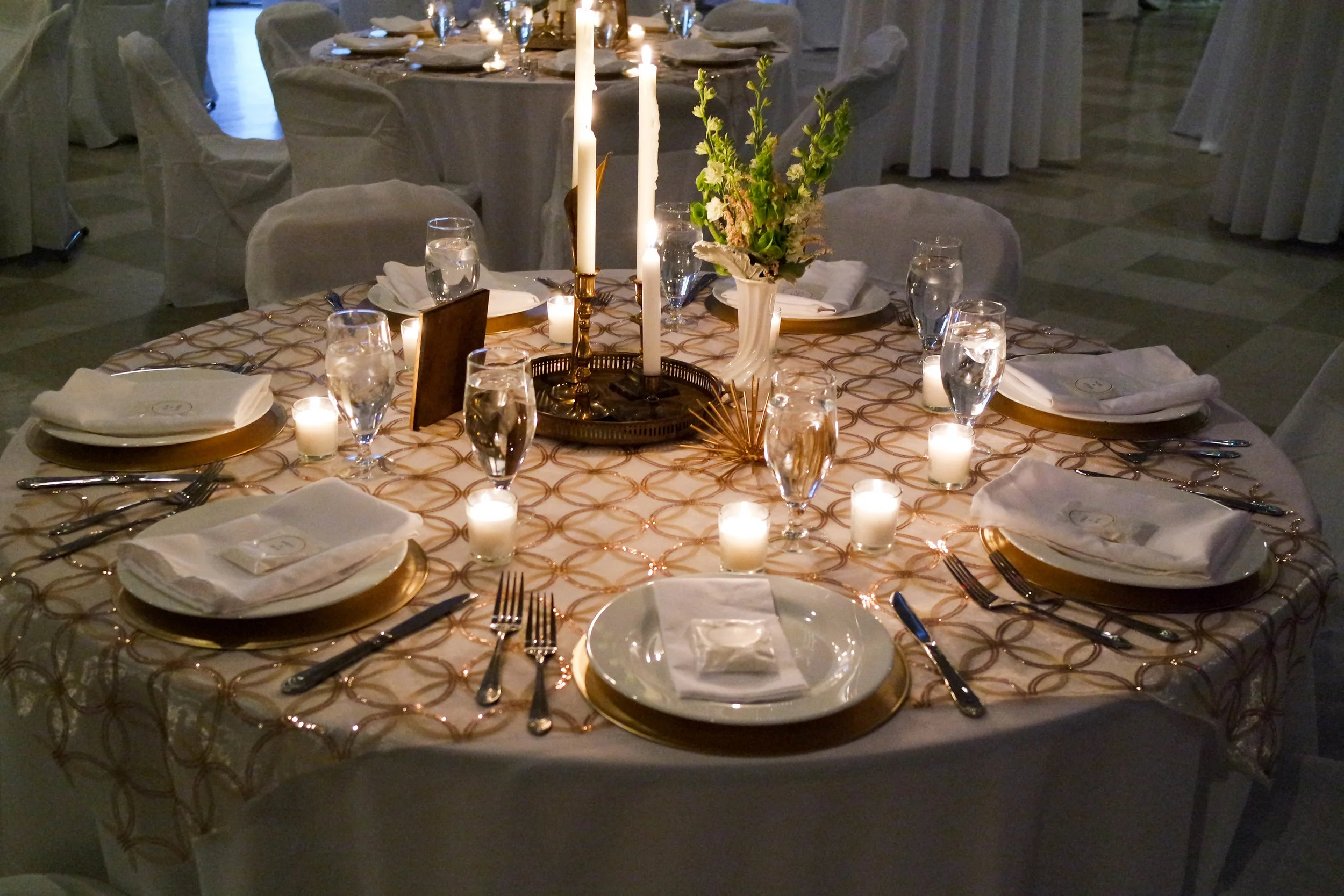
Live shows, movie nights, art openings, private parties, and corporate meetings at 20 N Main St — minutes from the University of Florida and Shands Hospital.
Stay in the Loop
Get the next show, screening, and event announcements sent to your inbox.
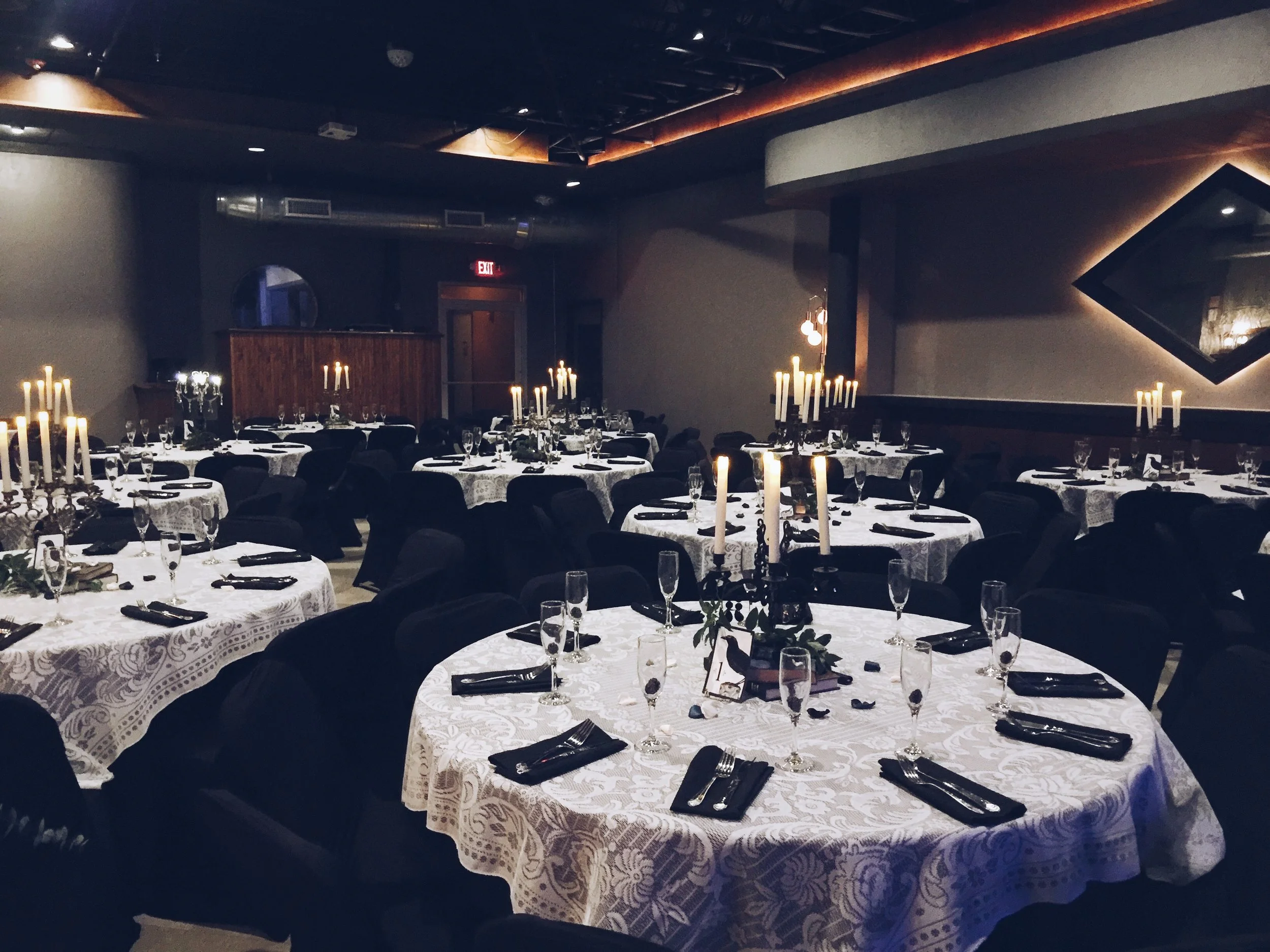
Inside the Room
A look at the stage, the floor, and the nights that move through them.
Behind the calm: how The Wooly's loading dock eases event setup
The Wooly sits at 20 N Main Street in downtown Gainesville, a few blocks east of the University of Florida and a short cab ride from Shands Hospital. By night it hosts film screenings, live bands, art openings, weddings, and corporate meetups; by day the same room has hosted everything from chamber music brunches to product launches. What most guests never see is the side of the building that decides whether any of those nights actually start on time: a working loading dock.
Anyone who has helped set up a gig, wedding, or screening knows the dread of a narrow laneway, a stiff roller door, and a courier circling the block twice. It is the kind of operational wrinkle that turns a five-minute load-in into a forty-minute scramble, the sort of thing Australian event crews meet often enough to call it a personality trait. Brunswick pubs through the back alley, Brisbane heritage theatres with a single man-door, an old Adelaide bank with a goods lift the size of a fridge — the headaches translate. Behind the scenes, the dock can quietly decide the night.
The Wooly happens to sit on a corner block with genuine back-of-house access, and for planners sketching out international venues, whether for a US tour stop, a destination wedding, or a conference with art-house polish, this is the kind of detail that decides whether doors open on time. The dock is the reason setup looks calm from the audience side, even when three trucks, four road cases, and a florist are all circling the same ten minutes.
A back-of-house built for real work
The dock itself is wide and at-grade, with a full-height rolling door that meets a level concrete pad. Trucks pull up without having to negotiate a kerb, a step, or a tight inner-city U-turn, and the layout keeps the footpath clear for passing trade along Main Street. Lighting is bright enough for a late load-in, and there is secure overnight staging for trucks that arrive the night before a morning call.
This matters more than it sounds. Many of Australia's favourite inner-city venues, those Brunswick terraces, Fitzroy warehouse rooms, converted bank halls, and the corner-of-the-suburb pub with the alley entrance, were not built with a 53-foot semi in mind. A truss case that simply rolls off a tail-lifter here would need to be manhandled past a bar, around a corner, and through a fire door at a smaller venue, which is why load-ins often eat the headliner set up. The Wooly's dock is designed around gear rather than around a façade, which trades a quiet street view for a much quieter evening.
A quick comparison makes the difference clearer:
| Loading dock element | Typical inner-city heritage venue | The Wooly |
|---|---|---|
| Vehicle access | Tight U-turn, single lane | Wide bay with truck room |
| Bay door clearance | 1.9–2.2 m, often a single hinged door | Full-height rolling bay door |
| Surface under the truck | Cobbles or uneven asphalt | Level concrete pad |
| Path from dock to stage | Through a public bar or hallway | Direct side-of-house staging corridor |
The dock flows straight into a side corridor that runs parallel to the main room, which is the moment most load-ins stop feeling like load-ins. Bass bins and lighting trusses ride straight from the truck onto the riser without crossing a dance floor or blocking a drinks service. The gallery room and the small salon both sit off the same corridor, so a film crew can park the dolly track in one room while a band tests a stage plot in the next.
Pre-event coordination that saves hours
Smooth load-ins rarely start at the dock itself. They start weeks earlier, when a tour manager in Sydney or a wedding planner in Adelaide sends through an advance, a stage plot, and a call sheet. The Wooly's events team handles this kind of coordination the way seasoned Aussie roadies expect: a single point of contact, a confirmed load-in window, signage waiting at the dock, and clear instructions for couriers who have never pulled into Gainesville before. Overnight truck parking is on the same block, so drivers can clock off without circling for an hour.
That staging corridor keeps its tidy look between events. A peek at the Wooly's gallery shows the same corridor between sets, after a wedding breakdown, mid-festival. Whatever the night was, the dock leaves the venue clean enough for the next morning's brekkie service to begin without anyone sweeping road-case dust off the dance floor first.
This kind of coordination matters whenever a programme flips between very different event types on consecutive days. A conference running today, a film series tomorrow, and a wedding on Saturday produce three totally different load-in profiles, and the dock has to flex with each. Research into what attendees praise after multi-track events, such as the post-event survey notes gathered from large programming festivals, repeatedly flags logistical smoothness as the second-strongest predictor of repeat attendance — right after content. A dock that handles changeovers cleanly is, surprisingly often, the lever.
From dock to floor in minutes, not hours
Walk the route with the loaders and the gap shows up immediately. Cases roll off the truck, tag left for soft goods, tag right for hardware, and end up within ten metres of where they will be plugged in. Theatrical fixtures route up a wall-mounted patch that drops into the main hall; mic stands, drums, and amp heads wait in the corridor while the stage rises. With Australian pragmatism — the "she'll be right" instinct that defines a tour-ready crew — this is exactly the kind of flow that keeps stress off the tech team.
The venue's technical crew briefing plays the same role as a tour rider: it tells the production manager what is already rigged on stage, what is already patched, and what the crew expects to do themselves. By the time the truck backs in, the patch bays, the FOH position, and the monitor world have all been mapped against the headliner's plot. Anything in the rider that asks the venue to do less is welcome news at midnight.
This is also why the dock quietly shapes the audio experience inside the room. Fewer cable runs along public corridors means fewer tripping hazards, fewer gaff-tape scars on the floorboards, and more time for an actual soundcheck. The Wooly's flexible floor plan — barrier-free main room, smaller screening salon, separate green room, side-of-house bar — lines up with how touring bands want to move between soundcheck and doors, and the dock is the funnel that makes that geometry work.
Smart habits for a smooth load-in
Before any truck pulls into the bay, the difference between a slick load-in and a chaotic one usually comes down to a handful of operational habits worth building into every event plan. The Wooly benefits from them, and so does any venue with a real dock.
The checklist tends to split into two halves: what is locked in before the truck rolls, and what the team on the ground does once the truck has arrived. Both halves are written down rather than left to chance.
Setup window and freight:
- Confirm dock dimensions, overhead clearance, and pad power with the venue in writing
- Lock a load-in window that respects local curfews, street cleaning, and shared tenants
- Schedule palletised freight for the afternoon before, not the morning of
- Stage empty road cases back at the dock door so they return to the truck quickly
- Keep a printed contact sheet, with the venue's dock marshal on it, in the truck glovebox
Day-of choreography:
- Walk the route from the dock to the stage with the venue's tech lead before cases come off
- Label both ends of every road case — an old touring habit that always pays off
- Build a fifteen-minute buffer into the call sheet for a missing cable or a strike holdup
- Park the truck's tail-lifter so it can leave without reversing past power cables
- Brief the bar team on when the corridor will be moving cases, so drinks service stays safe
These habits tend to live in the muscle memory of Australian crews who have learned them on pub-gig circuits from Newtown to Northcote, where the difference between doors-open-on-time and doors-open-thirty-late often lives in a single kerbside decision.
Where the loading dock changes the day
Not every event stresses a dock in the same way. A three-piece indie band can unload through almost any doorway; a touring symphony orchestra, a film projection team with a cinema truck, or a wedding with eight centrepieces of fresh florals cannot. The Wooly benefits most when the load-in profile is bulky, time-boxed, or unusual, which is exactly the kind of programming the venue has built around.
Film series rely on this kind of planning more than most casual audiences realise. Reading through the venue's film series guide shows why: each screening involves a different print, a different aspect ratio, sometimes a live composer, and a hospitality partner running the bar in a different corner of the room. A dock that swings between theatrical print drops, hospitality deliveries, and guest speaker arrivals without anyone reversing into a bassist's kit is part of what keeps the cinema nights feeling intimate instead of logistical.
Wedding and milestone planning tells the same story from the other direction. Floral arrangements, signage rigs, lighting trusses, and cake tables all arrive in the same one-hour window, often from vendors who have never met. A planner working off a checklist like this graduation party décor guide — which breaks a typical load-in into labelled, sequenced drops — can rely on the dock to absorb each delivery without anyone chasing a courier around the block.
Corporate clients running a half-day off-site, art collectors delivering a fragile canvas, or a touring band rolling in after a long-haul drive from Byron Bay or a flight out of Sydney — each of them reaches the back of the building through the same bay door. The dock is rarely the headline of a venue, but it is almost always the deciding factor when the evening either feels effortless or does not.
For any Australian crew looking at The Wooly for the first time, the cleanest move is to email the venue for its load-in brief before signing the contract — a single message that returns dock dimensions, pad power, and staging-corridor notes, and answers most of the questions the rest of the production is built around.
Follow the Calendar
News, ticket links, and last-minute additions posted across our channels.
Explore the Venue
Five pages covering the full run of programming and private bookings.
Browse the schedule for movie showings, live music, and art shows.
Weddings, holiday banquets, cocktail parties, and anniversaries.
Meetings, networking, luncheons, and fundraisers with AV support.
Concerts, film screenings, art showcases, and community pop-ups.
Photos from past concerts, private functions, and gatherings.