Live shows, movie nights, art openings, private parties, and corporate meetings at 20 N Main St — minutes from the University of Florida and Shands Hospital.
Stay in the Loop
Get the next show, screening, and event announcements sent to your inbox.
Inside the Room
A look at the stage, the floor, and the nights that move through them.

Planning Dinner Layouts At The Wooly In Gainesville
The Wooly gives event organisers a practical choice between a seated dinner and a buffet without forcing either format into a fixed room design. Its flexible floor plan can be arranged for formal dining, relaxed grazing, speeches, dancing or a combination of these uses. That adaptability is especially useful for Australian hosts planning an event in Gainesville from overseas.
A sit-down meal creates a clear sense of occasion. Guests are seated at assigned tables, courses move in a planned sequence and speeches can be timed between dishes. A buffet feels more social and informal, allowing people to move around, return for seconds and settle into the evening at their own pace.
The best arrangement depends on guest numbers, the role of the bar, the amount of dancing planned and whether the dinner is the main event or one part of a broader programme. A wedding reception may need a dance floor and a head table, while a corporate dinner could require a presentation screen, stage and unobstructed sightlines.
For Australian event planners, the venue’s downtown position near the University of Florida and Shands Hospital also matters. Guests can combine dinner with a concert, screening or local outing, while hosts can coordinate a polished American event experience without sacrificing the relaxed hospitality Australians often expect at a wedding, fundraiser or end-of-year function.
| Planning factor | Sit-down dinner | Buffet |
|---|---|---|
| Guest movement | Guests remain mainly at their tables | Guests move between tables, buffet and bar |
| Space priority | Tables, chairs and service aisles | Buffet line, queue space and wider circulation |
| Service style | Courses delivered to each table | Guests choose from shared food stations |
| Atmosphere | Formal, structured and celebratory | Relaxed, social and flexible |
| Best for | Weddings, awards dinners and formal receptions | Community events, parties and mixed-age gatherings |
| Main planning concern | Comfortable spacing for servers | Preventing queues and congestion |
Matching The Format To The Occasion
A seated dinner suits an event where presentation and timing matter. Guests arrive at a named table, find their place setting and receive a consistent meal service. This arrangement works well for a wedding breakfast, anniversary dinner, awards evening or business gathering where the host wants everyone focused on the same stage or speaker.
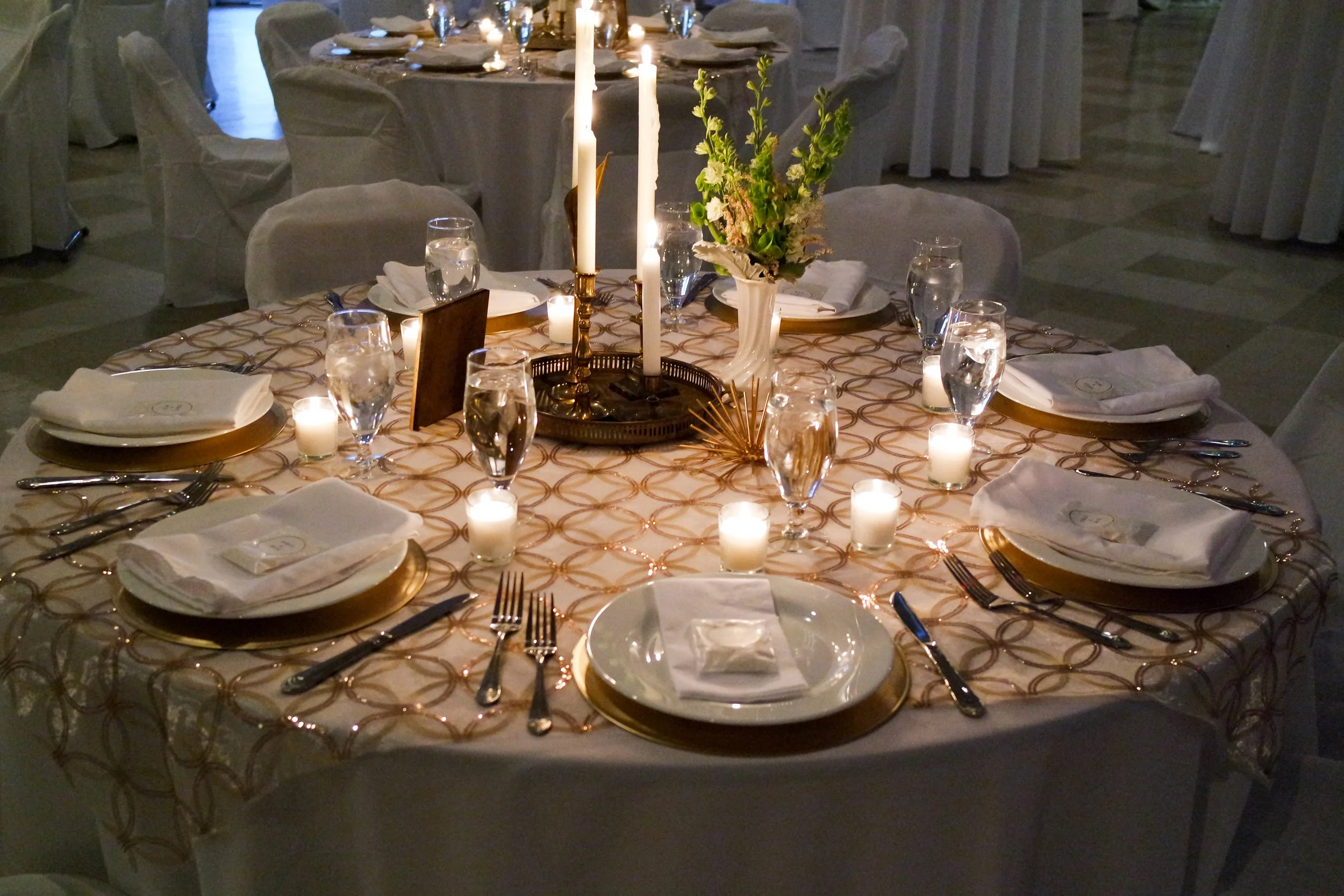
The format also supports a stronger visual rhythm. A decorated table can carry flowers, menus, candles and place cards, while the room can be styled around a central aisle or dance floor. In Australian terms, it has the feel of a formal reception rather than a casual backyard get-together, even if the menu and music remain relaxed.
A buffet is a better fit when guests have different dietary preferences, when the menu is designed for sharing or when the event needs to move between activities. It can work particularly well for a community fundraiser, family celebration or live-music night where people may arrive at different times. Guests can eat when convenient rather than waiting for every course to be served.
The Wooly’s event calendar can help Australian visitors understand the venue’s changing atmosphere before booking. Browsing the upcoming events shows how the same downtown space can support music, screenings and community gatherings, giving planners useful context for choosing a more formal or more fluid dinner arrangement.
Creating A Comfortable Seated Floor Plan
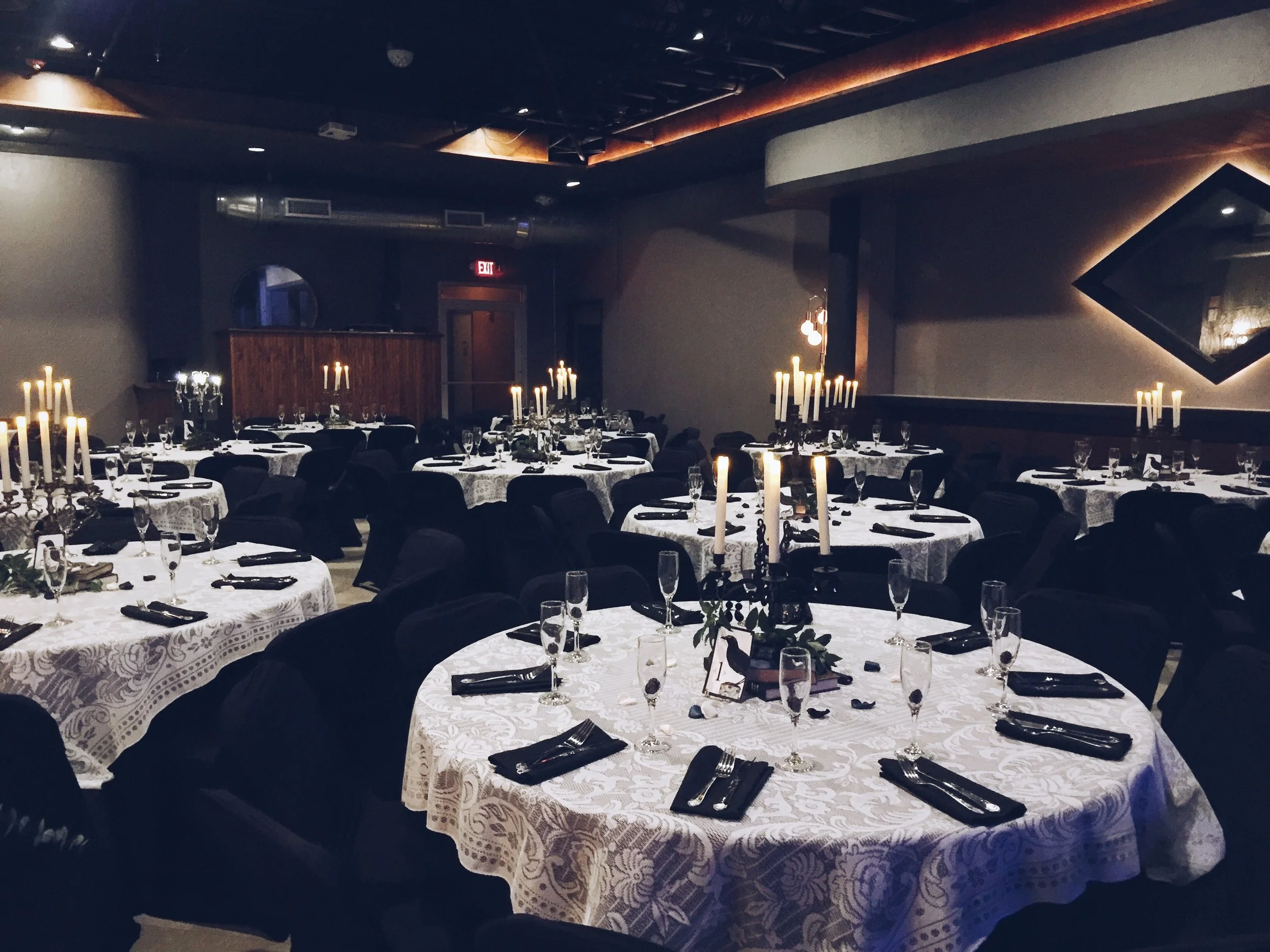
For a sit-down dinner, the principal space is devoted to dining tables and service lanes. Round tables encourage conversation and suit weddings, while long banquet tables create a communal feel that can be attractive for a rehearsal dinner or corporate celebration. A smaller head table, sweetheart table or speaker’s table can be positioned where it remains visible without blocking the room.
The layout should leave enough room for guests to pull out chairs and for staff to move safely with plates and glassware. The number of tables is only part of the calculation. A room that appears to fit a large crowd on paper may feel cramped once linen, centrepieces, mobility access, camera positions and a bar queue are added.
Aisles should lead naturally from the entrance to the tables, toilets, bar and any presentation area. Guests should not need to cross behind a speaker or squeeze past a table to reach the dance floor. If the dinner includes speeches, a small stage or microphone position should be visible from every table, with a clear route for the host and presenters.
Australian planners should also allow for the way guests use a formal room. At a Brisbane or Melbourne wedding, people may spend several hours seated, then gather around the bar or move outside for photographs. A generous transition zone between dining and social areas makes that shift feel easy rather than crowded.
Designing A Buffet That Keeps People Moving
A buffet needs more than a serving table against a wall. It requires a queue approach, space for plates and cutlery, room for guests to pause, and a return route that does not collide with people still waiting. If the buffet is too close to the bar or entrance, the busiest parts of the evening can produce a bottleneck.
The most efficient sequence usually places plates first, followed by salads, sides, main dishes, sauces and bread, with cutlery and napkins at the end. Drinks are best collected separately so guests are not balancing a glass while serving food. Dessert can have its own station, allowing the main queue to clear before people begin the second course.
A double-sided buffet can reduce waiting time when the room permits it. For a smaller gathering, two shorter stations may work better than one long line, especially if one serves hot food and another offers salads or vegetarian dishes. Clear labels should identify allergens and dietary choices, using plain language that international guests can understand.
Buffet dining also benefits from deliberate table placement. Tables should be close enough for easy conversation but not so close that guests carrying plates brush against seated diners. A central dance floor, lounge area or performance zone can sit beyond the dining section, keeping the buffet active without making it the visual centre of the entire reception.
Balancing Food, Bar And Entertainment
The bar is a major influence on either floor plan. In a seated arrangement, servers may deliver wine or water to tables, reducing movement during dinner. In a buffet arrangement, guests are already circulating, so the bar can become an additional queue. Separating food and drinks helps the room feel calmer and protects the buffet from accidental spills.
The Wooly’s full-service bar and in-house catering can simplify coordination because food, drinks and room setup can be discussed as one operational plan. Hosts should confirm how many service points are needed, where replenishment occurs and whether staff will clear plates between courses or after guests finish at the buffet.
Entertainment changes the calculation again. A band needs performance space, equipment access and sound coverage, while a DJ may require less room but still needs a power supply and a clear position. A sit-down dinner can frame a stage effectively, whereas a buffet may leave more guests standing or moving during the performance.
If the evening includes a film or presentation, sightlines become especially important. The Wooly’s film screening guide explains technical considerations that are useful when a dinner shares the programme with projected content. For a seated meal, screens should be visible above or between tables; for a buffet, guests should have somewhere to watch without blocking the serving line.
Making The Guest Experience Feel Intentional
A well-designed seated dinner gives every guest a clear place and a predictable service journey. Place cards can manage family groupings, VIP seating and accessibility requirements. Menus at each setting make the meal feel considered, while a short welcome before service tells guests when to expect speeches, courses and dancing.
This format is particularly helpful when the guest list includes older relatives, formal clients or people who may not know one another. The seating plan creates a temporary social structure, giving everyone an easy starting point. It can also reduce confusion at a wedding where guests are travelling from several countries or regions.
Buffets create a different kind of hospitality. Guests can select portions, avoid ingredients they do not want and return for more without asking a server. This flexibility suits mixed groups and can make a long evening feel less regimented. It is worth providing some seated service for guests who have mobility limitations or would find it difficult to carry a plate.
The menu should reflect the audience rather than simply copy an Australian function menu. Australians may expect vegetarian choices, clear allergen information and options that are not overly heavy in a warm season. Hosts can draw inspiration from the storytelling approach used by Made In Philly when considering how food identity, regional character and event atmosphere can work together.
Planning From Australia For Gainesville
An Australian organiser can plan effectively from Sydney, Perth or Adelaide by requesting a scaled floor plan, sample layouts and a detailed production schedule. Ask for measurements between tables, the buffet footprint, the bar location, stage dimensions, screen placement and the position of power points. Visual documents reduce uncertainty when the event team is working across time zones.
Time differences should be built into approvals. A menu change sent from Australia in the morning may arrive in Florida while the local team is still asleep, so key decisions need earlier deadlines than a domestic event. Confirm payment stages, cancellation terms, tax treatment and whether quoted prices include service charges or other fees. US event costs do not always map neatly onto Australian expectations around GST-inclusive pricing.
Catering conversations should cover serving temperatures, replenishment, dietary labelling and late arrivals. If the event includes Australians travelling to Gainesville, explain familiar preferences in practical terms rather than relying on shorthand. “Arvo drinks” may mean a relaxed pre-dinner gathering, while “entrée” can mean a starter in Australia but may be understood differently in the United States.
Local logistics deserve attention as well. Gainesville’s university setting can create busy periods around campus events, and downtown access, parking and accommodation should be checked against the chosen date. A local coordinator can advise on loading times, supplier access and the best sequence for setup. Charities or sporting groups using the venue can also benefit from a branded, easy-moving buffet; the community focus of the Lake Powell Challenge illustrates how an event identity can carry through food, signage and guest engagement.
Whichever arrangement is selected, the room should be tested as a live experience rather than judged from a diagram. Walk the route from entrance to table, table to bar and bar to entertainment. Check whether a guest can see the speaker, reach the toilet comfortably and join the meal without crossing a service path.
The essential choice is simple: use a sit-down layout when structure, presentation and shared timing matter most, and choose a buffet when flexibility, movement and menu choice are the priority. At The Wooly, the strongest result comes from matching the floor plan to the event’s rhythm, then allowing enough space for guests, staff, food and entertainment to work together.
Follow the Calendar
News, ticket links, and last-minute additions posted across our channels.
Explore the Venue
Five pages covering the full run of programming and private bookings.
Browse the schedule for movie showings, live music, and art shows.
Weddings, holiday banquets, cocktail parties, and anniversaries.
Meetings, networking, luncheons, and fundraisers with AV support.
Concerts, film screenings, art showcases, and community pop-ups.
Photos from past concerts, private functions, and gatherings.