Live shows, movie nights, art openings, private parties, and corporate meetings at 20 N Main St — minutes from the University of Florida and Shands Hospital.
Stay in the Loop
Get the next show, screening, and event announcements sent to your inbox.
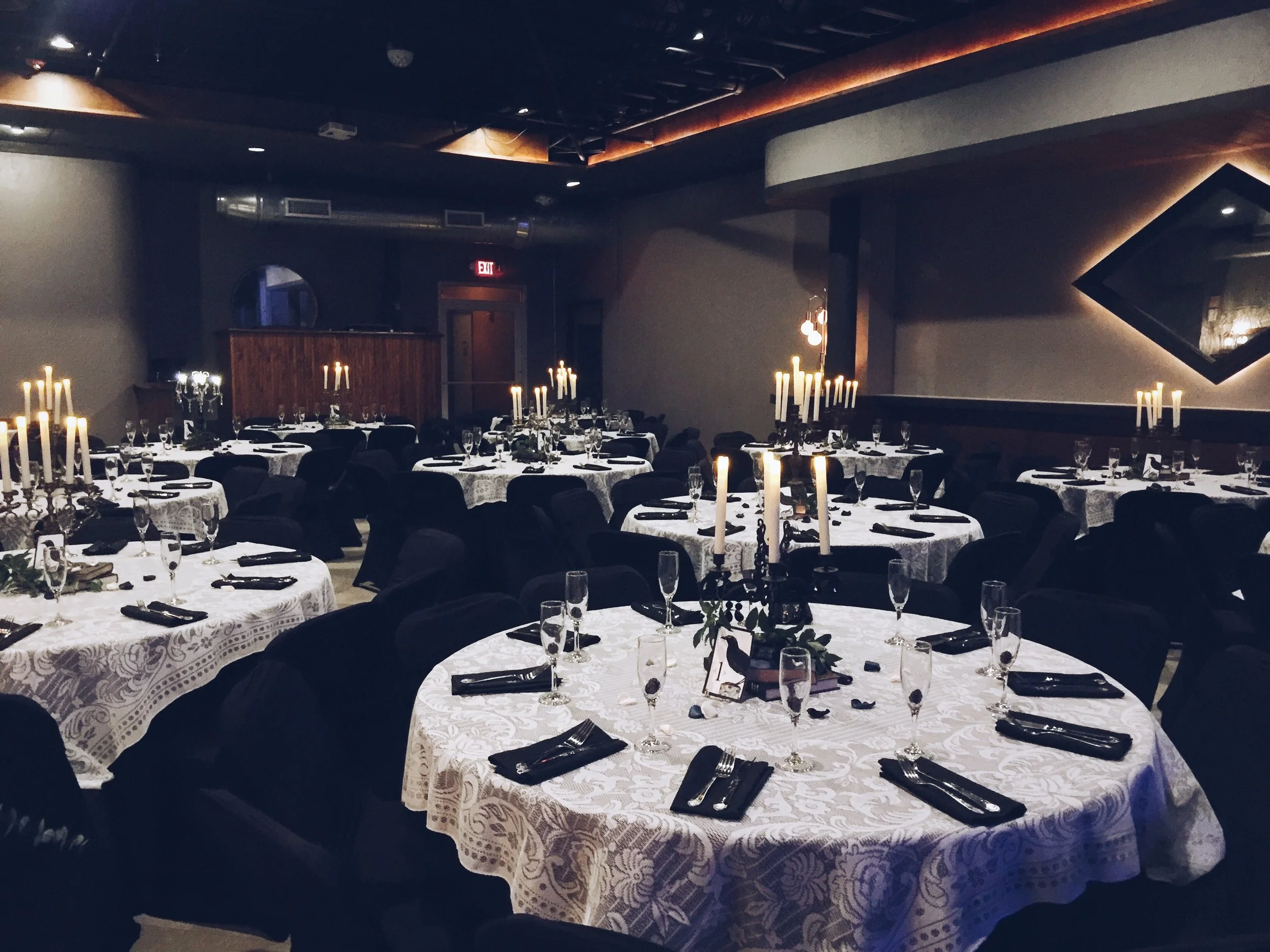
Inside the Room
A look at the stage, the floor, and the nights that move through them.

Keeping guests comfortable at The Wooly in Florida weather
The Wooly stands at 20 N Main Street in downtown Gainesville, close to the University of Florida and Shands Hospital. Its central location and varied calendar—from live music and film screenings to art openings, weddings and corporate meetings—bring different groups into the same flexible space. Florida weather sets the conditions outside, but the indoor environment determines whether a long event feels effortless or uncomfortable.
Guests arriving from Australia carry useful expectations. Melbourne’s famously changeable days can move from sunshine to chill within hours, so familiar venues there often pair air-conditioning with the ability to add warmth. Brisbane’s subtropical summer brings a heavier humidity challenge, while Sydney’s coastal evenings can feel damp even when the temperature is moderate. Australians may say they are “chucking the air-con on” or “airing the room”; both phrases describe familiar efforts to improve indoor comfort.
The seasonal rhythm is reversed, too. Australia’s summer runs from December through February, while Florida’s most difficult cooling period often arrives from late spring into early autumn. A traveller packing for Gainesville in July needs to think about heat, rain and thunderstorms; an Australian event planner accustomed to a summer function at home should not assume the same indoor conditions or seasonal timing.
At The Wooly, comfort is more than a thermostat setting. Guest numbers, body heat, stage lighting, catering equipment, bar service, door openings and a changing floor plan all affect the room. Heating is rarely the centre of life in Gainesville, yet it has a useful supporting role during cool mornings, winter evenings and drafts caused by frequent entry. The most reliable result comes from coordinating the mechanical systems with the event itself.
Why indoor comfort belongs on the event plan
A standing audience creates a different climate from a seated dinner. People retain heat, compact floor plans restrict airflow, and stage lights, sound equipment, catering and bar refrigeration add to the load. The Wooly’s flexible floor plan therefore changes not just sightlines and dance space, but the way warm air moves through the room. Comfort planning has to happen before chairs, tables and staging are placed.
The venue’s music and art programme shows how widely the space can be used. An art opening may encourage slow movement and conversation, while a concert brings a denser crowd, louder sound and more equipment. These conditions require different airflow priorities even when the thermostat is set to the same temperature.
Australian corporate bookers will recognise another layer of the event market. End-of-financial-year functions, Christmas parties, milestone celebrations and weddings often come with quotes based on attendance, operating hours, catering, bar service and audiovisual support. Indoor comfort should sit within that planning process, since a change in guest count or room layout can alter the operating requirements of the heating and cooling systems.
Cooling, humidity and the Florida afternoon
Mechanical cooling removes both heat and moisture from the air. In a typical commercial system, warm indoor air passes across an evaporator coil, refrigerant absorbs the heat, and moisture condenses on the coil before the water is drained. Heat is then released outside through the condenser. The thermostat controls the cycle, while the cooling process provides the dehumidification that makes a crowded room feel less sticky.
Performer requirements add another source of heat. For a live act such as the featured artist, the room must handle amplifiers, lighting, stage temperatures and a standing audience while keeping performers and guests comfortable. Equipment cases and cables can also affect circulation, so the layout should leave air movement unobstructed and avoid placing heat-producing equipment where it discharges directly into occupied areas.
Australian venue experience provides a useful comparison because air-conditioning is routine in pubs, clubs and function rooms. It is common for an operator to start cooling before guests arrive, then adjust the system as the building fills with body heat. The same habit makes sense in Gainesville, where an afternoon event may begin under intense sun and continue into a warm, humid evening.
Doors create the sharpest changes. A hot queue outside can send a large amount of warm, moist air into the venue each time the entrance opens. Afternoon rain has the opposite effect by bringing cool, damp air inside. Good operation accounts for those swings, coordinates entrance and exit flow, and avoids unnecessary heating or cooling while a room is still being loaded.
Heating for Gainesville’s cooler spells
Inside The Wooly, heating is best treated as a supplementary comfort measure rather than the main environmental strategy. Gainesville’s winters are generally mild, but early-morning events, windy nights and prolonged air-conditioning can leave the room feeling cooler than expected. Heating is especially useful before doors open, during setup and for events that begin in the evening after a warm day.
The comparison with Melbourne is instructive. A “four seasons in one day” forecast is ordinary there, and Australians often carry a jacket or jumper even when the morning feels mild. In Gainesville, guests may need a lighter layer for the same reason. The venue’s heating should be available when the event schedule calls for it without warming the entire space so aggressively that the room feels dry or uncomfortable.
The venue’s guide to a seated-dinner conversion makes the operational point clear. Moving from seated dining to a standing concert changes occupancy, movement and heat production. Heating and cooling controls must be adjusted around that transition rather than left on settings designed for the previous arrangement.
One room, several thermal demands
A film screening, private dinner, standing concert and corporate meeting use the same room in fundamentally different ways. Seated guests occupy a stable area and generate less movement, but tables can limit circulation. A dance floor concentrates people and equipment, while queues at the bar or entrance add further bursts of warm air. These patterns matter more than a single headline temperature.
For a wedding, private party or company gathering, the venue’s private-event enquiries can be matched to the planned layout, service schedule and expected attendance. That coordination includes when the room is cooled or warmed, when catering equipment arrives and whether doors need to remain open during a busy arrival period.
Ventilation is a separate consideration from cooling. Air-conditioning lowers temperature and manages moisture, while ventilation introduces outdoor air and supports the occupied space. The two work together, particularly when many people are present or doors open regularly. Temperature comfort can still be poor if the air feels stale, so air movement and fresh-air provision should be discussed as part of the event plan rather than treated as an automatic by-product of the cooling system.
A practical comfort checklist
Guests and planners can prepare for the differences between a Florida evening and an Australian event. The aim is not to predict every temperature change, but to anticipate the most common sources of discomfort and give the venue useful information about the event.
Small clothing choices and clear communication can prevent most avoidable discomfort. Planners should also account for occupancy, service equipment and doors when the room changes from one format to another.
For guests and organisers
- Carry a light layer, particularly for early evening events held during Gainesville’s cooler months.
- Expect stronger air movement near entrances, bar areas and doorways where outdoor air enters.
- Tell the host if you are sensitive to cold, strong draughts or prolonged heat.
- Allow time for an outdoor queue and bring water, particularly during the warmer and more humid part of the year.
- Sit away from direct air outlets if a strong stream of cold air is likely to be uncomfortable.
For planners and venue teams
- Share the final guest count, event timeline, seating plan and expected areas of heavy foot traffic.
- Flag stage, dance-floor, buffet and bar layouts because each affects airflow and heat distribution.
- Confirm how heating and cooling are scheduled around setup, guest arrival and any change between formats.
- Coordinate the use of doors, catering equipment, lighting and audiovisual systems with the room’s thermal plan.
- Build a weather contingency into arrival, loading and departure plans rather than treating the forecast as fixed.
The takeaway that keeps every event comfortable
Heating and cooling work best when they are treated as part of event design rather than a last-minute adjustment. The Wooly’s varied programme means the ideal settings depend on attendance, layout, equipment, doors and the time of year. Clear information from planners and responsive operation by the venue team keep those variables from turning into guest discomfort.
The practical takeaway is to confirm the operating plan early, match the room setup to the expected crowd and allow the systems time to adjust as occupancy changes, so guests experience steady comfort throughout the event.
Follow the Calendar
News, ticket links, and last-minute additions posted across our channels.
Explore the Venue
Five pages covering the full run of programming and private bookings.
Browse the schedule for movie showings, live music, and art shows.
Weddings, holiday banquets, cocktail parties, and anniversaries.
Meetings, networking, luncheons, and fundraisers with AV support.
Concerts, film screenings, art showcases, and community pop-ups.
Photos from past concerts, private functions, and gatherings.