Live shows, movie nights, art openings, private parties, and corporate meetings at 20 N Main St — minutes from the University of Florida and Shands Hospital.
Stay in the Loop
Get the next show, screening, and event announcements sent to your inbox.
Inside the Room
A look at the stage, the floor, and the nights that move through them.
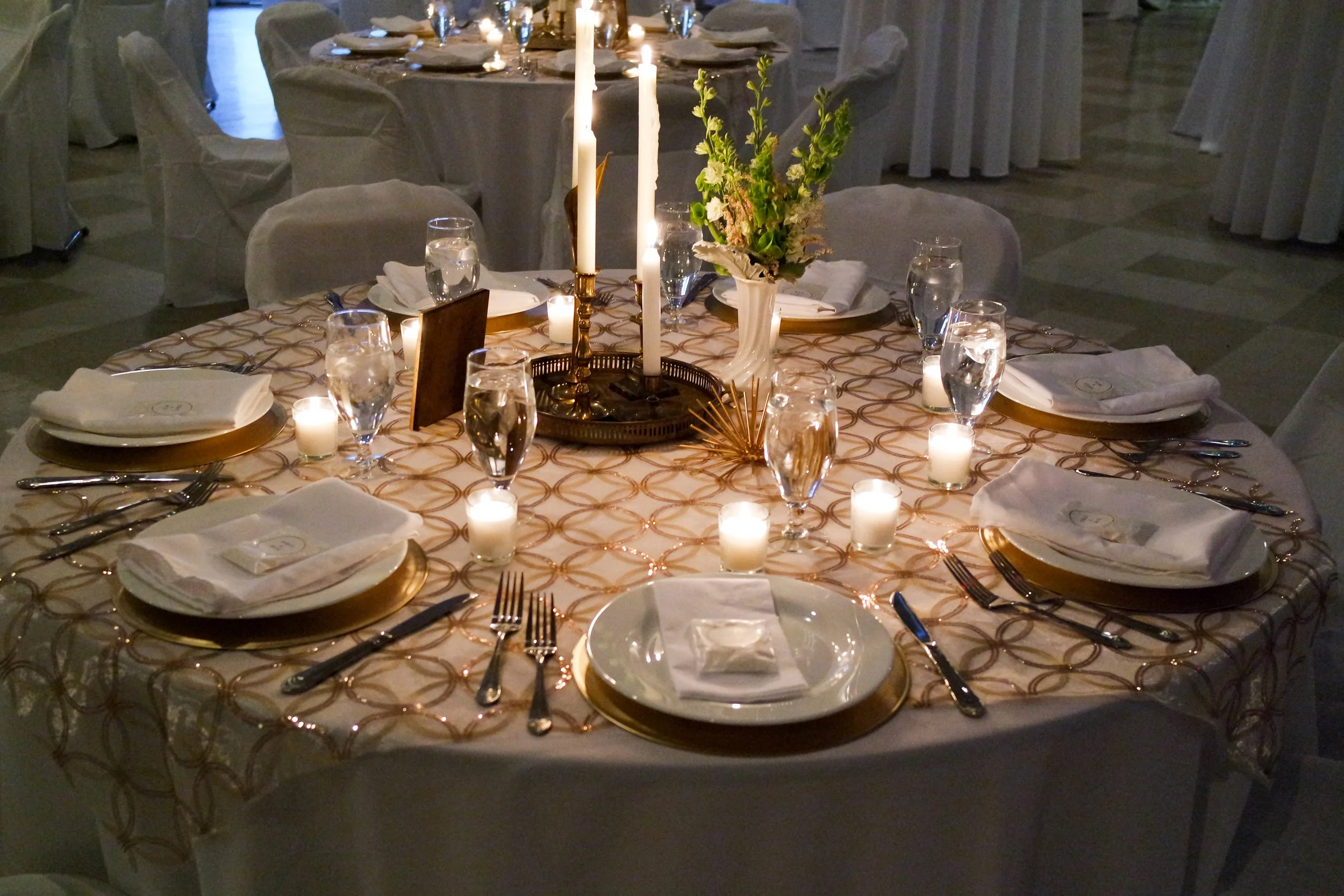
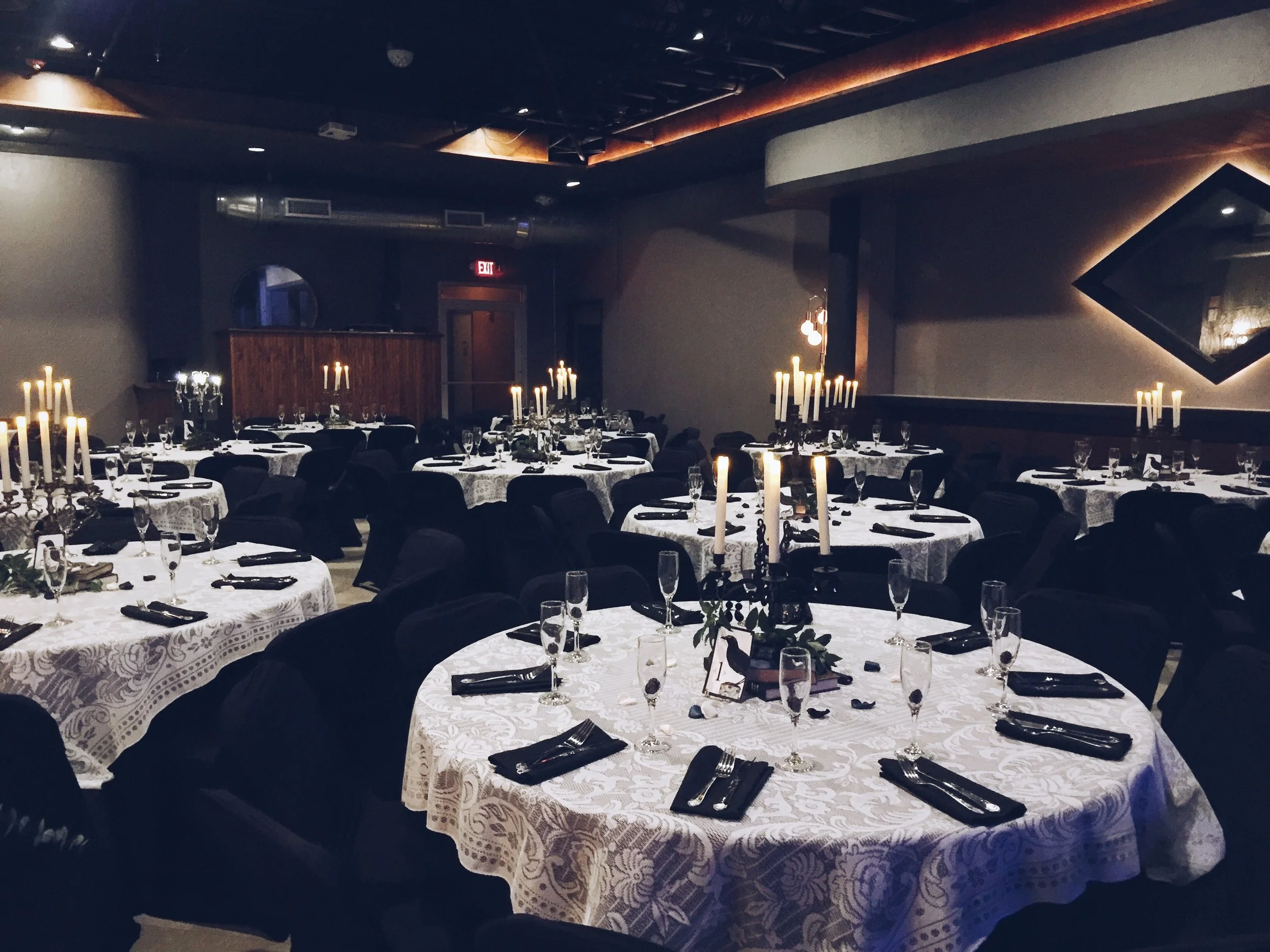
How The Wooly transforms for a seated dinner versus a standing concert
At 20 N Main Street in downtown Gainesville, The Wooly is a flexible event venue close to the University of Florida and Shands Hospital. Its adaptable floor plan supports live music, film screenings, art openings, weddings, private parties and corporate meetings. The appeal is not one fixed format; it is the ability to make one urban space serve very different gatherings. Learn more about Hotel Recommendations For Out Of Town Guests At The Wooly.
A seated dinner and a standing concert demand different movement, sound and service patterns. Dinner depends on clear sightlines to speakers, comfortable spacing and enough quiet for conversation. A concert depends on an unobstructed view of the stage, concentrated audience energy and rapid movement at the bar. Trying to make every seat and standing zone work at once compromises both.
The change is more than removing chairs. Lighting shifts from warm and even to directional and dramatic; a speech microphone may become a full performance system; catering moves from synchronised courses to service between sets. Professional audio-visual support, in-house catering and a full-service bar let these changes be planned as one production rather than assembled through last-minute adjustments.
For Australian guests, much of this feels familiar. Dinner-and-show venues and pub-based live music are common in cities such as Sydney, Melbourne and Brisbane, where teams juggle reserved dining, walk-ins and late-night bar service. Local conditions still matter: alcohol rules, pricing conventions and north-central Florida’s weather differ from those at home, so the same event can feel noticeably different.
One venue, two operating models
Planning should start with the audience experience, not an equipment list. Dinner needs a flow through arrival, dining, speeches and exit; a concert needs flow towards the stage, bar, toilets and exits without queues crossing the main sightline. The Wooly’s downtown setting is walkable, but its internal plan still requires deliberate zoning.
| Feature | Seated dinner | Standing concert |
|---|---|---|
| Guest layout | Assigned seating with clear routes | Open floor, viewing zone and high tables |
| Primary focus | Dining, conversation and speeches | Stage, performance and crowd response |
| Sound | Clear speech and restrained background music | Wider coverage, monitoring and higher energy |
| Lighting | Warm and even | Directional stage light and stronger colour |
| Catering | Courses timed to the programme | Quick service or grazing between sets |
| Bar operation | Attentive service around seated areas | Managed queues kept out of sightlines |
| Main risk | Blocked views or service interruption | Congestion, heat or obstructed exits |
These are planning modes, not permanent personalities. Furniture changes intimacy, while an open floor lets the audience respond collectively. A small reset can also change how the room feels: dining furniture creates conversation, lighting directs attention, and sound establishes the tempo. The best choice depends on the programme, expected attendance and whether food or music remains the social centrepiece.
Designing a seated dinner that still feels like The Wooly
A seated dinner begins with furniture placement and sightlines. Guests must be able to see speakers, pull up their chairs without hitting staff and reach place settings comfortably. If speeches are part of the evening, reserve the clearest acoustic zone for people who need to follow a presentation or hear a toast. The room can retain The Wooly’s character while becoming calmer than a live-music night.
Hospitality should match the meal rather than interrupt it. In-house catering can coordinate arrival drinks, a main course and a late snack around announcements, but the run of service must be agreed beforehand. During speeches, keep trays and bar queues away from the main sightline. Afterwards, reopen the bar and release staff to create a more informal finish.
Out-of-town guests need a stay plan as well as a seating plan. A central hotel reduces fatigue, especially for interstate Australian visitors arriving after a long-haul flight. The venue’s nearby hotel guide helps check proximity and transport, though rates and availability need direct confirmation. A clear accommodation note in the invitation is more useful than a generic instruction to book early.
Turning the floor into a standing concert
The concert version reverses those priorities. The performance area becomes dominant, and the floor is planned in layers: standing room near the stage, a relaxed zone farther back, and clear circulation around the edges. High tables can give guests a break from the crowd, but should not create bottlenecks. Accessible viewing and resting positions belong in the original crowd plan.
Staging and rigging then shape the change. A seated arrangement needs a discreet system for voices; a concert needs wider coverage, monitoring and control without making the room unsafe for staff. The Wooly’s professional audio-visual support provides the foundation, while load-in timing determines how smoothly the reset happens. When specialist input is needed, a company offering production support can coordinate equipment and crew.
Crowd comfort matters as much as density. Position the bar so its queue does not obscure the stage, provide water and schedule pauses for speeches or quieter sets. Staff should know when to slow entry or redirect guests. This avoids a common failure: a successful dinner becomes an uncomfortable concert because drink service, conversation and coat collection were all planned for a seated schedule.
Letting sound and light set the mood
Sound is the largest perceptual shift. A dinner system should make voices easy to understand from every seat, use background music for arrivals and avoid excessive volume during conversation. A concert system must support vocals, instruments and an audience that moves, cheers and absorbs energy differently. The same speakers may stay in place, but zoning, equalisation, monitoring and operator cues change.
Lighting needs equal discipline. Warm, even light helps guests see place settings, faces and food; a performance setup can use stronger stage illumination, tighter beams and richer colour without leaving service areas too dark. As The Wooly also hosts films and art events, production teams should reproduce the exact cue sequence rather than depend on manual changes throughout the evening.
A technical rehearsal protects both formats. During dinner setup, test a toast from several positions and check that microphones do not feed back. During the concert reset, verify that stage, monitors, bar and entry lanes work together. Timed cues for doors, service, speeches and performance should sit in one run sheet, with a named owner for every transition.
Food, drinks and the rhythm of service
The in-house catering team can use the change in pace to advantage. Seated service suits deliberate courses and staggered seating; standing service suits smaller portions, food stations or grazing. Neither should feel rushed. Match service volume to what guests can consume at that moment, especially between sets when many people return to the bar at once.
Australian guests will notice the billing convention. U.S. dinner prices commonly exclude sales tax and gratuity, while Australian consumer prices usually include the 10% GST and tipping is optional rather than a standard 15–20% addition. This affects guest expectations and event budgets. Hosts should state service-charge and tipping policies plainly and explain dietary or allergen arrangements directly.
Alcohol service changes too. The Wooly’s full-service bar suits a seated reception and a busy standing room, but floor staff still need active management. Florida’s legal drinking age is 21. In Australia, alcohol service is regulated through state and territory laws, with responsible service training and licensing conditions differing across New South Wales, Victoria and Queensland. Interstate habits should not be assumed to transfer unchanged.
Guest journeys and local event life
Before the doors open, guests may want an activity rather than another event ticket. Gainesville’s entertainment mix ranges from small music rooms to university programming and specialist attractions. For visitors with time and curiosity, this high-roller guide offers a distinctly local stop, though transport, opening hours and suitability should be checked before it enters an itinerary.
The city’s calendar also shifts with the season. The regional Southeast US Boat Show brings marine exhibitors and visitors into the wider market, showing how a winter event can attract people who would not otherwise choose north-central Florida for a city break. Major calendars also affect parking, hotel demand and how long out-of-town guests stay.
Australians often plan functions around a city’s live-music network, linking local supports, touring acts and late finishes by public transport or short taxi rides. Downtown Gainesville is smaller, yet proximity to the University of Florida and Shands Hospital brings students, medical staff, families and business visitors. Weather is another adjustment: June to August is winter in Australia but hot, humid and storm-prone in Gainesville, making covered queues valuable.
Practical choices and the memory to keep
The best conversion begins before anything moves. Confirm the programme and guest priorities, draw the room as it will be used, and give venue management, caterers, production crew and bar staff the same plan. Flexibility creates options, not automatic answers; every change still needs an owner and a deadline.
- Choose the event’s primary purpose—conversation, ceremony, performance or dancing—and design each zone around it.
- Map arrivals, food, bars, toilets, stage and exits before placing seating or standing zones.
- Test sightlines, speech intelligibility and lighting from guest eye level, not only from the control position.
- Put meals, bar opening and technical cues on one run sheet, including who can call each change.
- Confirm alcohol service, accessibility, insurance and payment requirements in writing for the Florida event.
For organisers accustomed to Australian markets, some differences are administrative rather than creative. A public liability policy or responsible-service procedure made for Australia may not satisfy a Florida venue’s requirements, and GST-inclusive menu comparisons need conversion into U.S. prices before approval. A local supplier list for transport, florists, rentals and technical staff can also save time when the distance between rehearsal and event is shorter than in a sprawling capital.
What the reader should remember is that The Wooly need not become a conventional banquet hall or remain a fixed concert room. Its flexible plan can shift from an intimate seated meal to an energetic live show, with professional production, catering and bar services supporting each version. The transformation works when sightlines, service timing, crowd flow and guest expectations are designed together rather than treated as separate problems.
Follow the Calendar
News, ticket links, and last-minute additions posted across our channels.
Explore the Venue
Five pages covering the full run of programming and private bookings.
Browse the schedule for movie showings, live music, and art shows.
Weddings, holiday banquets, cocktail parties, and anniversaries.
Meetings, networking, luncheons, and fundraisers with AV support.
Concerts, film screenings, art showcases, and community pop-ups.
Photos from past concerts, private functions, and gatherings.