Live shows, movie nights, art openings, private parties, and corporate meetings at 20 N Main St — minutes from the University of Florida and Shands Hospital.
Stay in the Loop
Get the next show, screening, and event announcements sent to your inbox.
Inside the Room
A look at the stage, the floor, and the nights that move through them.

The Wooly's Decor Installation And Removal Guidelines
Decor can transform a venue from an open room into a polished wedding reception, branded conference, film screening, or live music setting. At The Wooly in downtown Gainesville, the aim is to achieve that transformation without damaging the building, interrupting venue operations, or creating avoidable safety risks.
For Australian organisers, this guidance is useful when planning an event in Florida from Sydney, Melbourne, Brisbane, Perth, or another city. Local expectations may differ: Australian venues often refer to bump-in and bump-out, suppliers may carry public liability insurance, and event teams are familiar with strict access, fire, and waste procedures.
The Wooly offers a flexible floor plan, professional audio-visual support, in-house catering, and a full-service bar. Those services work best when the decoration schedule is coordinated with the venue’s event manager, caterers, production crew, and any external styling company.
The central principle is simple: every installation should be secure, reversible, accessible, and removed within the agreed booking period. A clear plan protects the venue, the suppliers, and the client while keeping the guest experience smooth from doors open through final pack-down.
Start With The Approved Event Plan
Before ordering florals, signage, draping, furniture, or display structures, confirm the room layout and the timing of access. The Wooly is located at 20 N Main Street near the University of Florida and Shands Hospital, so deliveries and collection vehicles need to account for downtown traffic, kerb access, loading conditions, and nearby pedestrian activity.
The venue team should receive a decor schedule that identifies what is arriving, who is installing it, where it will go, and when it will be removed. Include sketches, dimensions, supplier contacts, equipment weights, power requirements, and any flame, hanging, or structural elements. A concept that looks suitable in a warehouse may need adjustment once aisles, bar service, stage equipment, exits, and guest seating are included.
| Decor element | Approval and installation focus | Removal expectation |
|---|---|---|
| Freestanding signs and backdrops | Stable base, safe placement, no blocked access | Dismantle and remove all parts |
| Table styling and centrepieces | Keep service paths and sightlines clear | Pack items by supplier or client |
| Wall or window graphics | Use approved temporary fixing methods | Remove adhesive and residue |
| Lighting and AV decor | Coordinate with technical staff and power needs | Disconnect safely and return equipment |
| Florals and organic materials | Protect floors and surfaces from moisture | Remove containers, leaves, soil, and waste |
| Hanging installations | Obtain written approval and qualified installation | Remove by the approved crew only |
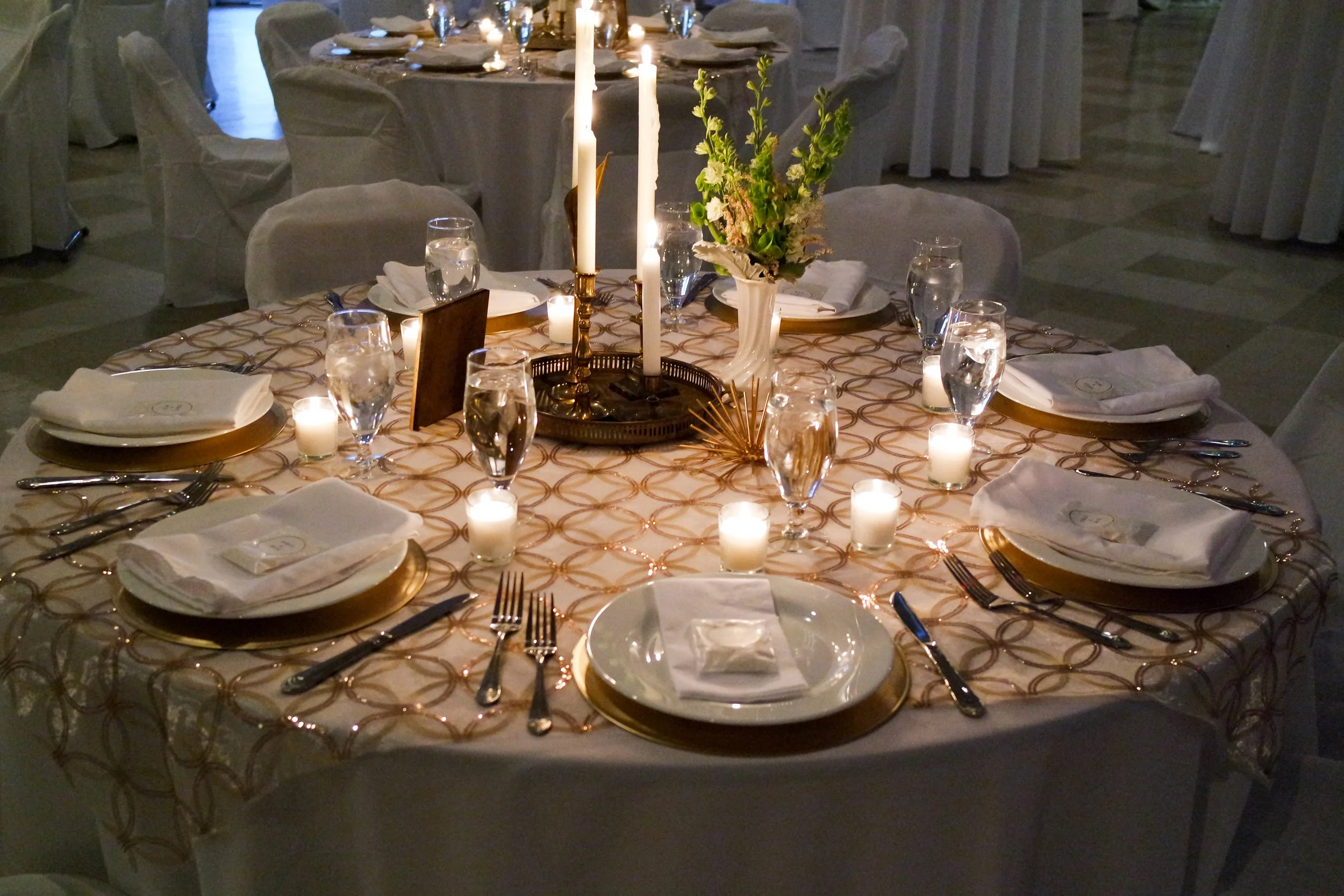
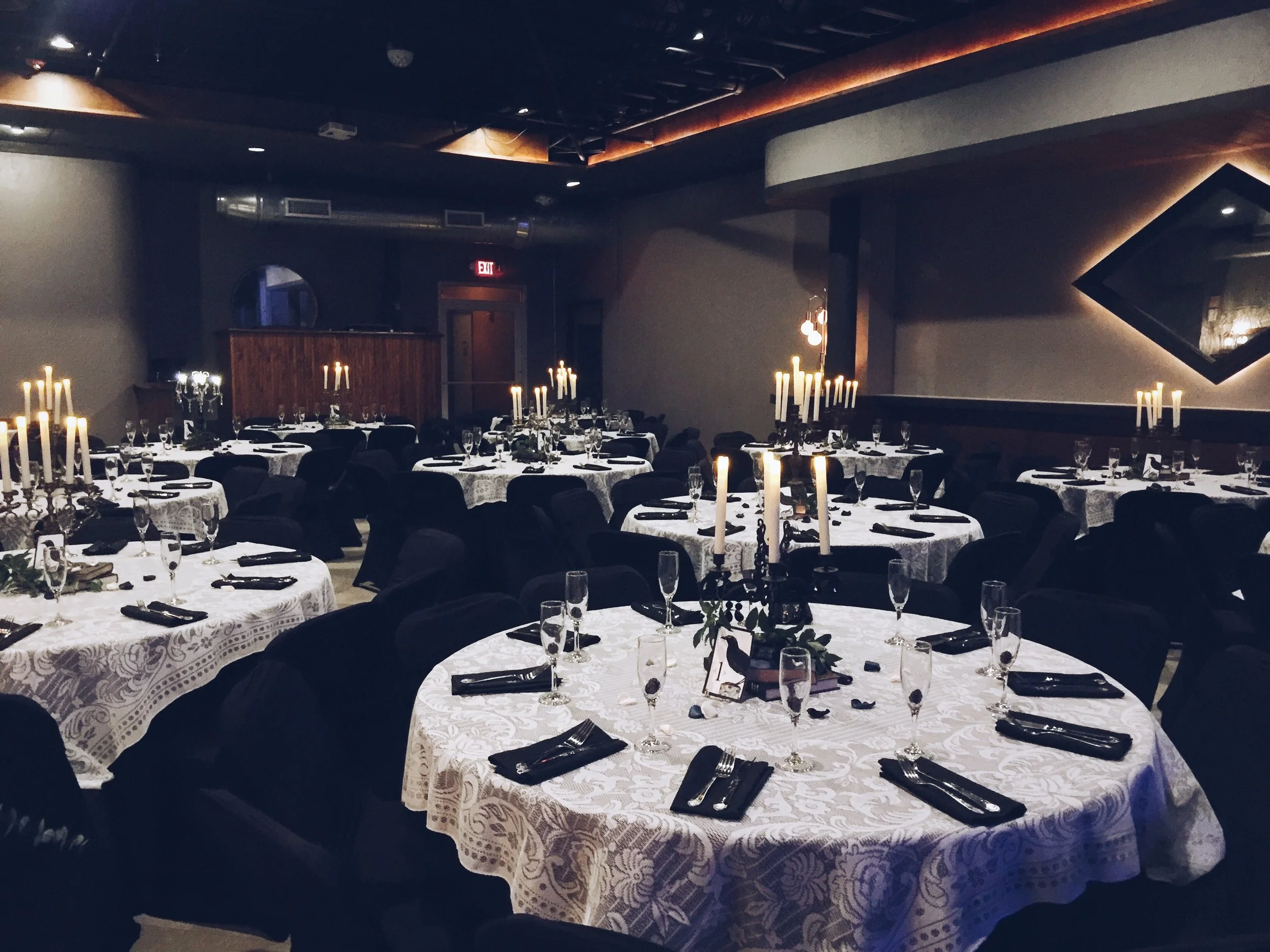
Use the venue’s gallery of past events to understand how different layouts, lighting styles, and decorative treatments can work within the space. Images are a useful starting point, but they do not replace a site check or written approval.
Select Materials That Respect The Space
Temporary decor should be lightweight where possible, stable without permanent fixing, and easy to remove without specialist repair. Freestanding frames, weighted bases, fabric drapes, removable signs, battery-operated candles, and reusable plinths are generally easier to manage than drilled fixtures, wet installations, or loose materials scattered across the floor.
Do not attach items to walls, ceilings, doors, windows, architectural features, stage equipment, lighting bars, speakers, or furniture without permission. Nails, screws, staples, pins, glue, silicone, packing tape, and aggressive double-sided tape can leave marks or damage finishes. Even removable products can fail when exposed to heat, humidity, painted surfaces, or prolonged use, so the venue team should approve the proposed fixing method in advance.
Avoid glitter, loose confetti, sand, soil, artificial snow, feathers, powder, and small decorative pieces that can enter drains, ventilation systems, equipment, or carpet fibres. Balloon fragments and floral foam also require careful collection. If a styling brief depends on these materials, ask about an approved alternative and allow extra time for detailed cleaning.
Australian event suppliers may be used to venues specifying low-tack floor tape or reusable cable covers for bump-in. That practice is helpful here, but the product still needs approval before use. A Melbourne-style pop-up backdrop or a Brisbane wedding installation should be assessed for this venue’s floors, walls, access points, and event schedule rather than copied without adjustment.
Manage Access, Deliveries, And Bump-In
Installation time begins when the venue grants access, not when a supplier arrives nearby. Build a realistic bump-in window that includes unloading, checking every item, assembling structures, styling tables, testing lighting, removing packaging, and completing a safety walk-through. Late arrivals can affect catering preparation, bar setup, soundcheck, and guest entry.
Every supplier should know the approved entrance, vehicle restrictions, contact person, parking instructions, and unloading procedure. Downtown Gainesville conditions can change around university activity, hospital traffic, concerts, and public events. A courier or freight truck should never be left in a position that obstructs emergency access, neighbouring businesses, pedestrians, or venue operations.
Installation crews should protect corners, doorways, floors, and existing equipment while moving cases and furniture. Use appropriate dollies, lifting methods, and team members for heavy items. Do not drag props, plinths, staging, or metal frames across finished surfaces. Keep cartons, tool bags, ladders, and spare materials out of public areas and emergency routes.
For a corporate gathering involving specialist sectors such as biotechnology or healthcare, a carefully managed conference event resource can help shape the wider programme, but decorative displays still need a venue-specific installation plan. Branded walls, product stands, and information stations must fit around audiovisual equipment, catering stations, and accessible circulation.
Keep Guest Safety And Operations Central
Decor must never narrow an exit route, cover exit signage, obstruct fire equipment, block an accessible path, or interfere with doors. The same rule applies to cords, rugs, low plinths, tripods, easels, table corners, and freestanding signs. A visually attractive arrangement is unsuitable if guests, staff, or emergency responders cannot move through the room safely.
Open flames, candles, fog, haze, pyrotechnics, and heat-producing equipment require advance approval. Battery-operated candles may be a safer option, particularly near fabric, florals, paper goods, or crowded tables. Any electrical item should be in good condition, used according to its instructions, and connected in a way that does not overload circuits or create a trip hazard.
The Wooly’s bar, catering areas, stage, and AV systems need practical clearance. Centrepieces should not obstruct plates, glassware, microphones, screens, or guests’ view of a performance. Hanging fabric should remain away from hot lights and speakers. Large branding structures should not create acoustic problems or prevent the technical team from reaching equipment.
Allow sufficient space for mobility devices, prams, service animals, and people moving between tables. Australian planners will recognise this as a familiar accessibility principle from venues in Sydney or Adelaide: a clear route should be built into the floor plan from the beginning rather than improvised after styling is complete.
Installation Checks For Different Event Types
A wedding may require a ceremony backdrop, aisle markers, table florals, seating charts, and a gift table. Each item should have a stable footprint and a designated removal owner. Florists should use leak-resistant containers, protect surfaces from water, and collect every stem, leaf, pin, cable tie, and piece of packaging before leaving.
A concert or community event usually has less tolerance for decorative items near the stage, speakers, mixing position, and audience movement. Any banner or scenic element should be reviewed with the production team. For a film screening, avoid reflective surfaces or lighting that can distract from the screen, and keep any promotional display away from projection paths and darkened walkways.
Corporate meetings often include sponsor walls, registration desks, directional signs, branded lecterns, and exhibitor displays. These installations should be sized around the expected attendance and the available power. A large backdrop can become a bottleneck at registration, while a small freestanding sign may be moved into a fire route when guests arrive.
For a last-minute change, the venue’s guidance on handling a venue change provides useful planning context. The same mindset applies to decor: simplify the design, identify the essentials, and avoid rushing an unapproved installation into the room.
Practical Checks Before Doors Open
A final inspection should happen after all styling is complete but before guests enter. The organiser, venue representative, decorator, and production lead can walk the room together and record any changes. This is the point to remove a loose cable, shift a sign, stabilise a plinth, clear a blocked aisle, or protect a damp surface.
Use a short checklist so small details are not missed during a busy event day.
- Confirm every freestanding item is stable and positioned as approved
- Check exits, fire equipment, doors, aisles, and accessible routes
- Remove cartons, tools, packaging, spare stock, and unused materials
- Test decorative lighting without overloading sockets or crossing walkways
- Photograph the finished room and note any pre-existing damage
The event manager should also confirm who has authority to move decor during service. Guests, performers, caterers, and venue staff may need to reposition a sign or table for operational reasons. A named contact prevents conflicting instructions and protects the approved layout.
Weather can affect arrivals and removal, even in Florida’s warm climate. Wet umbrellas, damp florals, muddy footwear, or condensation from chilled equipment can affect floors and furnishings. Australian planners accustomed to sudden weather changes in Melbourne or tropical conditions in Darwin will understand the value of having protective coverings, towels, storage tubs, and a revised access plan ready.
Pack Down And Remove Every Item
Removal begins at the agreed time and should be treated as a separate production phase. Schedule enough labour for dismantling, sorting, wrapping, loading, sweeping, wiping, and checking the room. If the booking ends at midnight, a large-scale wedding or corporate activation may need a dedicated overnight crew rather than expecting one exhausted stylist to complete everything.
Decor should be removed in a controlled order. Clear guest-facing areas first, then dismantle larger structures, disconnect approved lighting, pack reusable items, and finish with waste and surface checks. Do not leave abandoned boxes, floral containers, signage, cable ties, tape backing, broken balloons, or food-related decorations for venue staff unless a separate cleaning or disposal arrangement has been agreed.
- Assign each item to a named supplier, client representative, or venue-approved crew
- Separate hired stock, client property, rubbish, recycling, and donation items
- Remove all fixing materials from walls, floors, furniture, and windows
- Check under tables, behind curtains, near the stage, and around the bar
- Photograph the cleared room and report damage or missing items promptly
Suppliers should take their equipment with them unless the venue has approved temporary storage. Items left behind can interfere with the next booking, attract disposal charges, or create uncertainty about ownership. If a charity, school, or community group is collecting flowers or reusable materials, arrange the collection time before the event ends.
For an event with an endurance, fundraising, or outdoor-programme theme, such as one inspired by the Lake Powell challenge, plan the removal of sponsor boards, route maps, water stations, and temporary displays as carefully as the installation. A clear inventory makes it easier to confirm that every branded asset has been recovered.
Confirm The Room Is Ready For Its Next Use
The final handover should leave the space clean, undamaged, unobstructed, and ready for the next scheduled activity. This matters at a versatile venue such as The Wooly, where a wedding reception may be followed by a concert, film night, art opening, private party, or corporate meeting. The turnaround may be short, so decorative materials cannot remain in corners or storage areas without permission.
Inspect floors for moisture, wax, scuffing, adhesive, floral residue, glitter, and food debris. Check walls and windows for marks from signs or backdrops. Confirm that furniture, AV equipment, staging, bar items, and venue-owned decor have returned to their original or approved positions. Any incident should be documented immediately with photographs and a concise written note.
A strong removal plan is part of responsible event design, not an afterthought. It protects the venue’s finishes, keeps venue staff from performing unplanned labour, supports suppliers who need to return hired stock, and gives the organiser a clear record of what happened. It also makes future bookings easier because the event team can identify which materials and methods worked well.
The most reliable approach is to send The Wooly a complete decor schedule before arrival, use approved temporary fixing methods, keep all safety and service routes clear, assign responsibility for every item, and reserve enough time for a thorough pack-down. That simple process turns installation and removal into predictable parts of the event rather than last-minute problems.
Follow the Calendar
News, ticket links, and last-minute additions posted across our channels.
Explore the Venue
Five pages covering the full run of programming and private bookings.
Browse the schedule for movie showings, live music, and art shows.
Weddings, holiday banquets, cocktail parties, and anniversaries.
Meetings, networking, luncheons, and fundraisers with AV support.
Concerts, film screenings, art showcases, and community pop-ups.
Photos from past concerts, private functions, and gatherings.