
Live shows, movie nights, art openings, private parties, and corporate meetings at 20 N Main St — minutes from the University of Florida and Shands Hospital.
Stay in the Loop
Get the next show, screening, and event announcements sent to your inbox.
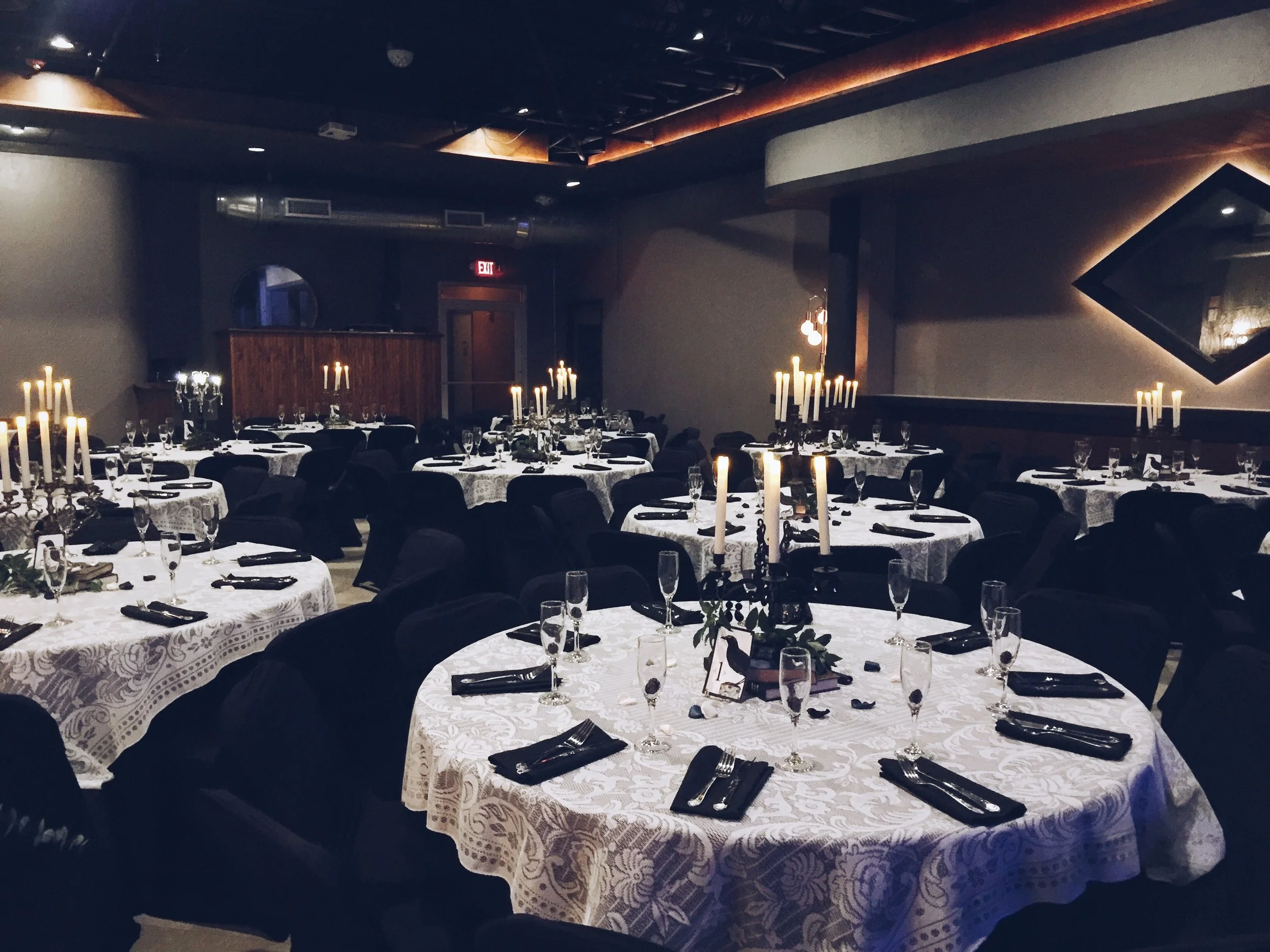
Inside the Room
A look at the stage, the floor, and the nights that move through them.

Handling a last-minute venue change to The Wooly
A last-minute venue change to The Wooly can rescue an event, but only if the organiser treats the move as a compressed re-contracting and re-production exercise rather than swapping the address on a booking. This guide is for Australian planners, performers and private-event hosts who may be travelling to Gainesville or managing an Australian client.
The Wooly at 20 N Main Street offers a flexible floor plan, professional audio-visual support, in-house catering and a full-service bar. Its downtown location near the University of Florida and Shands Hospital creates dependencies too: campus traffic, hospital access, parking rules and competing events can shape a same-day move.
Compare the move before deciding
Start with capacity and contractual control, not the attractive photos. Compare what is already committed at the original venue with what The Wooly can actually deliver on the available date, then identify who has authority to approve the change and pay any difference.
| Decision point | Retain the original venue | Move the event to The Wooly | Immediate verification |
|---|---|---|---|
| Contract | Existing hire terms remain | New agreement or amendment | Written approval and revised fees |
| Space | Existing layout stays | Flexible floor plan | Signed capacity and furniture layout |
| Production | Existing rider and crew remain | In-house AV support | Equipment, power, load-in and spares |
| Hospitality | Current caterer and bar | In-house catering and bar | Menu, minimum spend, service and alcohol |
| Guest access | Familiar route and signage | New downtown location | Parking, transit, accessible route and wayfinding |
| Risk | Current certificates apply | Venue requirements apply | Cover, cancellation, local rules and approvals |
Moving usually adds work even when The Wooly’s in-house systems are strong. The original site may already have a signed technical rider, caterer, security team and guest communication sequence. At The Wooly, confirm every inclusion and deadline in writing, including cleaning, load-in, bar service, event hours and any capacity limit imposed by the final furniture layout.
Confirm the new booking
An urgent verbal agreement can keep the event moving, but it must be converted into a written confirmation immediately. The document should name the date, arrival and finish times, rooms included, capacity, hire fee, deposit, cancellation terms, production equipment, catering, alcohol service, cleaning, access, security and the authorised contacts for both sides. Every later instruction should carry a timestamp.
Australian commercial habits deserve attention. A supplier quote may be in Australian dollars, include or exclude the standard 10% GST, or use a rolling hire invoice, while The Wooly will quote in US dollars under Florida terms. Record the exchange-rate basis, taxes, payment deadlines and who bears currency movement. An Australian consumer’s rights under the Australian Consumer Law may also affect the client relationship, depending on the contract and governing law.
Insurance is equally specific. Ask the venue and broker what public liability, property, cancellation, workers’ compensation and non-appearance cover is required, and obtain any certificate naming relevant parties. The performance occurs in Florida, so venue, employment, alcohol and building requirements are governed locally; an Australian state’s WorkSafe or equivalent rule should not be assumed to replace Florida compliance. Australian legal or insurance advice can resolve cross-border questions.
Rebuild the production plan
Redraw the room before confirming production. Mark entrances, exits, stage, seating, bars, catering stations, accessible routes, power, cable runs and equipment storage. The Wooly’s guide to breakout session setup is a useful reference for how the venue can support programmed sessions, but the organiser must still test the proposed layout for this event.
Build a minute-by-minute run sheet in Gainesville local time. It should cover supplier access, floor marking, sound check, lighting focus, doors, meal service, performances, speeches, bar close and clearing. Include a short buffer for late crew, then set a firm freeze point after which layout or technical changes are not accepted. Circulate the final version to the venue, crew and front-of-house lead.
Technical riders need exact quantities and formats: microphones, playback devices, show control, projection, stage dimensions, rigging points and power distribution. Ask which items The Wooly provides, which arrive from local suppliers, and who carries the spare. Check that furniture, signs and cables do not narrow exits or accessible routes, and confirm the venue’s fire, noise and load-in procedures in writing.
Reset ticketing and guest communication
Decide what happens to the ticket before sending any map. Existing tickets should remain valid if the date and event are unchanged, with venue details updated. If a ticket names a different location, the organiser should explain the change, refund or transfer policy, and how guests receive revised admission information. A new barcode or ticket can create confusion when thousands are already stored in mobile wallets.
Use one source of truth and send the update through the channels guests already use: email, SMS, the ticket platform, event page and relevant social accounts. Australian teams accustomed to rapid mobile updates should also leave a phone line or staffed help point for guests who cannot use the app. Include a plain-text location, parking advice, accessible arrival instructions and the time of the last update in local time.
Check the move against the wider regional calendar. Events such as Freedom Old Home Week can affect travel, accommodation, volunteers and local attention when they overlap, so include them in the conflict review rather than discovering the clash on the day. Send one coordinated message to staff and suppliers, and update the website only after the venue has confirmed the final location and access arrangements.
Finalise hospitality and access
Lock catering and alcohol numbers to a deadline that still allows the venue’s in-house teams to adjust. Agree covers, service style, dietary labels, allergy handling, bar package, drink prices, staffing, glass policy, last service and cleaning. Confirm whether the final headcount includes performers, contractors and guests. The Wooly’s catering and full-service bar may simplify the move, but inclusions and minimum spend still need to be stated clearly.
Liquor service must follow the rules where the event occurs. Australian liquor licensing differs across states and territories, so familiar RSA staffing or bottle-service assumptions cannot simply be transferred to Florida. Confirm the licence holder’s role, acceptable identification, refusal-of-service process and responsible service staffing with The Wooly. For Australian guests, explain the venue’s policy plainly without presenting Australian legal terminology as if it were the local legal test.
For a wedding or private celebration, MetBride’s wedding planning resources can help with sequencing, supplier questions and family expectations. Pair that planning detail with an access audit: step-free entry, accessible toilet, seating, service animals, hearing support and evacuation arrangements. Collect specific requirements confidentially, assign an accommodation owner and confirm each arrangement directly with the venue rather than assuming US terminology matches Australian wording.
Coordinate people, suppliers and travel
Use one local coordinator to own the supplier list. Australian production teams often arrive with a familiar crew and a preferred hire network, but Gainesville’s smaller local market still has finite technicians, staging, lighting and security capacity. The Wooly’s in-house team may cover several needs, yet freelance specialists, special rigging or after-hours labour can be harder to secure at short notice than in Sydney, Melbourne or Brisbane.
The venue’s music and art calendar helps organisers see recurring activity and likely busy periods, although it is not a live availability check. Ask directly about loading bays, parking passes, neighbourhood noise limits and nearby University of Florida or hospital traffic. Give every external supplier the same access sheet and require an arrival acknowledgement from the local contact.
Travelling from Australia adds a different kind of dependency. Eastern Australian cities are roughly 14 to 15 hours behind Gainesville, depending on daylight saving, so calls must include both time zones. Australian passport holders should verify current ESTA or visa requirements, carry appropriate insurance and avoid assuming an Australian bank card or mobile plan will work seamlessly. Build a delay buffer around flights, check-in and freight rather than assuming all crew and equipment will arrive together.
Close every open loop
Run a final go/no-go review with the producer, venue representative, production lead and ticket lead together. Compare the signed booking, approved layout, run sheet, supplier acknowledgements, insurance, catering figures, access plan and guest communications. Any unresolved item needs an owner and a deadline. If a requirement is missing, resolve it, document the accepted compromise and remove it from the critical path.
Keep a contingency for the issues most likely to change on the day: a late flight, failed playback device, weather disruption, staff absence or queue outside the downtown entrance. The Wooly’s fixed location near UF and Shands means traffic diversions can matter, while Gainesville’s summer storms can affect loading. Agree who can authorise relocation within the building, pause entry or delay the programme, and how guests will be told.
Once approved, freeze the event map, store the agreement and run sheet in a shared location, and issue a single final message to guests, crew and suppliers. Label the version date and time so obsolete directions are withdrawn. Keep the venue’s emergency contacts, local transport options and final headcount accessible to the front-of-house team. The next action is to issue one signed venue confirmation and one final run sheet by 10:00 a.m. Gainesville time, with the guest update attached and every supplier copied.
Follow the Calendar
News, ticket links, and last-minute additions posted across our channels.
Explore the Venue
Five pages covering the full run of programming and private bookings.
Browse the schedule for movie showings, live music, and art shows.
Weddings, holiday banquets, cocktail parties, and anniversaries.
Meetings, networking, luncheons, and fundraisers with AV support.
Concerts, film screenings, art showcases, and community pop-ups.
Photos from past concerts, private functions, and gatherings.