
Live shows, movie nights, art openings, private parties, and corporate meetings at 20 N Main St — minutes from the University of Florida and Shands Hospital.
Stay in the Loop
Get the next show, screening, and event announcements sent to your inbox.
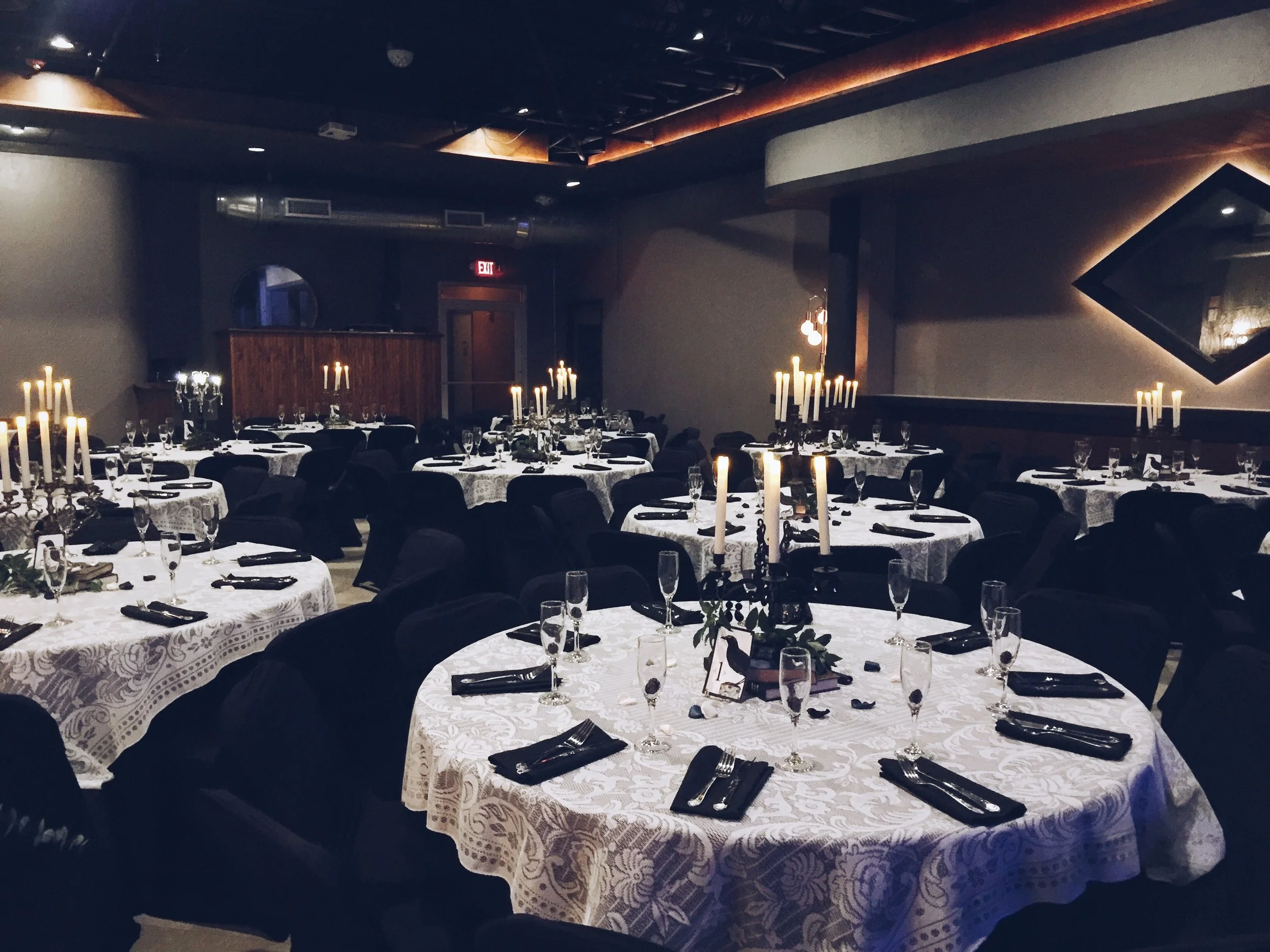
Inside the Room
A look at the stage, the floor, and the nights that move through them.

Event insurance for small business owners at The Wooly
Small-business owners who book a venue rarely know whether the building’s insurance also protects their event. It usually does not. The venue may carry premises and liquor liability cover for its own operations, while the client or company organising the event needs cover for its legal liabilities, contracted costs and lost income. Understanding The Wooly's event insurance for small business owners starts by separating those two layers rather than assuming a certificate of insurance settles everything.
For Australian owners, an event at The Wooly is also a cross-border insurance issue. The venue is at 20 N Main Street in downtown Gainesville, Florida, near the University of Florida and Shands Hospital, so the booking may involve international travel and contracts governed by Florida law. A policy bought in Australia can have territorial limits, and public liability cover is often Australia-focused unless the insurer confirms that claims arising in the United States are included. The same review is needed for travel, medical costs, cancellation and business interruption.
Australian conditions make this more than a technical distinction. Public liability insurance is not generally compulsory nationwide, although councils, shopping centres and commercial hirers commonly demand a minimum limit. The Australian Consumer Law governs many Australian event agreements and marketing claims, while the Insurance Contracts Act 1984 applies to many insurance contracts. Liquor service also falls under state and territory rules, including responsible service and venue risk-management requirements, so liability cannot be separated from legal compliance.
The solution is not one policy labelled “event insurance.” A small business may need public liability, products liability, property cover, business interruption or event cancellation, professional indemnity, workers compensation and cyber cover in different situations. The relevant question is which loss could arise, who would pay it and whether the chosen policy responds. That analysis is especially important for a company hosting a launch, workshop, dinner or performance in a flexible event space with catering, audiovisual support and a full-service bar.
Separate venue cover from your business policy
Coverage for the building and coverage for the event organiser answer different questions. The Wooly may insure its premises, employees and operations, but that does not ordinarily make the hiring client an insured. The venue’s liability cover also does not compensate a client for missed revenue, wasted supplier fees or breach of an event agreement.
A certificate of insurance can evidence that The Wooly has cover, but it does not automatically extend protection to the organiser. Being named as an additional insured normally requires an endorsement from the venue’s insurer. Check the policy limits, insured activities, alcohol coverage, waiver of subrogation and whether the certificate covers the relevant event date.
The venue agreement should also state the required limit of public liability, claim-notification procedures, cancellation terms and responsibility for alcohol, security, food and suppliers. For an Australian company booking an event in Florida, both the contract and its insurance should be reviewed for consistency with the wider trip and event budget.
Build liability protection around the event
Public liability is the core layer for third-party injury or property damage. Products liability may apply when selling merchandise, samples or packaged goods, while professional indemnity can respond to negligent event-management advice or errors in contracted services. Workers compensation may be relevant when employees perform at the venue, and personal accident cover may fill gaps for volunteers or performers.
An indemnity clause in a contract can create liability beyond the available insurance limit. Australian consumer and contract law may affect a domestic booking, while a US venue agreement may instead be interpreted under Florida law. The wording should be compared with the policy before the client accepts responsibility for losses caused by other parties or accepts a duty to defend claims.
The Wooly hosts everything from corporate gatherings to private celebrations. Australian businesses often host after-work functions in Sydney and Melbourne, market-style launches in Brisbane and milestone dinners for clients or community groups. Planning guidance for family reunion ideas illustrates how a relaxed social occasion can still create food, alcohol, invitation and cancellation exposures when a business pays for or hosts it.
Protect revenue when the event cannot proceed
Event cancellation cover can respond when a covered incident prevents an event or prevents key activities from taking place. Common triggers include severe weather, venue closure, cancellation of a headline entertainer, failure of an essential supplier or certain public-health restrictions. Business interruption cover may then replace revenue lost during the interruption, depending on its trigger, waiting period and indemnity period.
The sum insured should reflect the realistic financial loss. It may need to include non-refundable venue and supplier deposits, marketing spend, travel costs and the gross contribution expected from the event. Income protection of this kind is different from insuring the venue’s physical assets, and a generous policy limit provides little value if cancelled-event conditions are narrowly written.
Australian events can face bushfire smoke, storms, extreme heat and flooding, while a Florida event may be exposed to hurricanes and other severe weather. Policies may distinguish named storms from unnamed weather, require official warnings, or exclude losses caused by an event taking place partly outdoors. Infectious disease, government action, war, terrorism and supplier non-performance also need specific attention during the contractual review.
Check food, drink and supplier risks
The Wooly offers in-house catering and a full-service bar, so the agreement should identify who purchases alcohol, who prepares and serves food, and which party carries liquor liability. Food-allergen controls, staff training and clear incident records matter because a serious injury or contamination incident can trigger liability even when the event was properly licensed.
A tailored drinks plan can also reveal practical risks involving quantities, responsible service and consumption. The venue’s guide to a custom cocktail list is useful for checking whether specialist ingredients, additional staffing or insurance requirements will be needed.
External suppliers create another layer. Entertainers, photographers, security staff, décor companies and audiovisual contractors should provide evidence of their own cover where the contract requires it. The organiser should also know who owns hired-in equipment, who is responsible for damage and whether replacing equipment after an accident would trigger property or business interruption cover.
Assess the event before buying cover
Insurance responds to identifiable risks, so a written assessment is more useful than a list of policy names. Record the event format, expected attendance, activities, alcohol service, suppliers, revenue, cancellation exposure and emergency arrangements. A structured method such as the approach in external risk guidance can help separate major hazards from minor concerns.
For Australian events, the assessment should also address state and territory licensing conditions, responsible alcohol service, work health and safety duties, accessibility and emergency procedures. For a booking at The Wooly, the corresponding Florida rules and venue requirements need to be considered alongside any Australian policies already held by the business.
Controls reduce both loss and insurance friction. Risk assessments, signed supplier contracts, delivery notes, maintenance records, incident reports and documented safety procedures provide evidence that risk was managed. They also help an insurer understand why a control was considered adequate when conditions changed during planning.
Compare policies using small-business terms
Event insurance is not a standard description with one settled meaning. Compare the definitions, exclusions, territorial scope, insured parties, limits, sublimits, excesses and claims process. An occurrence-based public liability policy and a claims-made professional indemnity policy respond differently, so the wording matters more than the section heading.
Independent information from MetBride risk guidance can provide another perspective when commercial terms are difficult to interpret. The business, venue, event manager and suppliers should also be checked as named insureds where appropriate. A policy held only by a director or individual contractor may not protect the hiring company or its client.
A broker should be able to explain which losses trigger cancellation, how business interruption is calculated, whether alcohol and property are included, and what happens after a tropical cyclone, fire or infectious-disease event. For overseas events, the insurer should confirm the relevant territory in writing rather than relying on a general reference to “worldwide” cover.
A practical coverage checklist
Small-business cover can be arranged around the event’s real value, but the contract, venue requirements and policy wording must fit together. Professional indemnity covers mistakes in advice or service, while public liability covers third-party harm; neither is a substitute for cancellation and revenue protection.
Each section of the policy should be matched to a specific financial exposure. Venue deposits, supplier fees, merchandise, staff, guests, revenue and international travel all have different consequences if the event fails or an attendee is harmed.
- Obtain the venue’s written insurance requirements and certificate before paying non-refundable deposits, and confirm whether the organiser must be an additional insured.
- Check that the legal entity, trading names, volunteers, contractors and activity are covered, with limits adequate for public liability, products, professional indemnity and workers compensation.
- Set cancellation and interruption sums insured using fixed costs and expected gross revenue, including the waiting period and the insurer’s calculation method.
- Examine exclusions for named weather events, infectious disease, government action, terrorism, key-person non-appearance, alcohol-related activity and gradual deterioration.
- Keep risk assessments, supplier certificates, contracts and financial records, then reconsider coverage whenever the venue, date, guest numbers, suppliers or event format change materially.
The lasting principle is that insurance should correspond to the event’s real liabilities, revenue and location. A reassuring certificate is useful only when its limits, exclusions and territory match the risks the business has actually agreed to manage.
Follow the Calendar
News, ticket links, and last-minute additions posted across our channels.
Explore the Venue
Five pages covering the full run of programming and private bookings.
Browse the schedule for movie showings, live music, and art shows.
Weddings, holiday banquets, cocktail parties, and anniversaries.
Meetings, networking, luncheons, and fundraisers with AV support.
Concerts, film screenings, art showcases, and community pop-ups.
Photos from past concerts, private functions, and gatherings.