Live shows, movie nights, art openings, private parties, and corporate meetings at 20 N Main St — minutes from the University of Florida and Shands Hospital.
Stay in the Loop
Get the next show, screening, and event announcements sent to your inbox.
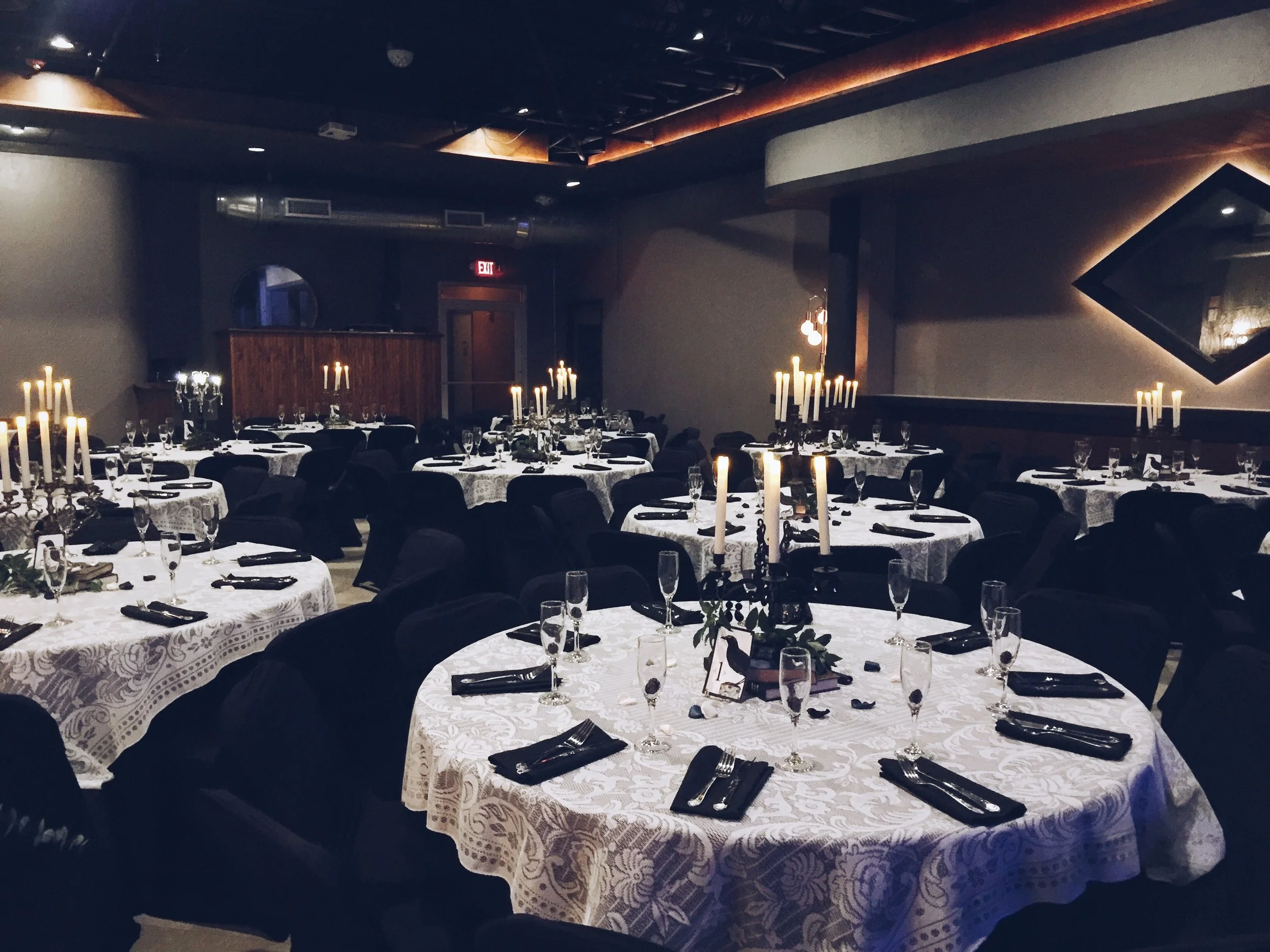
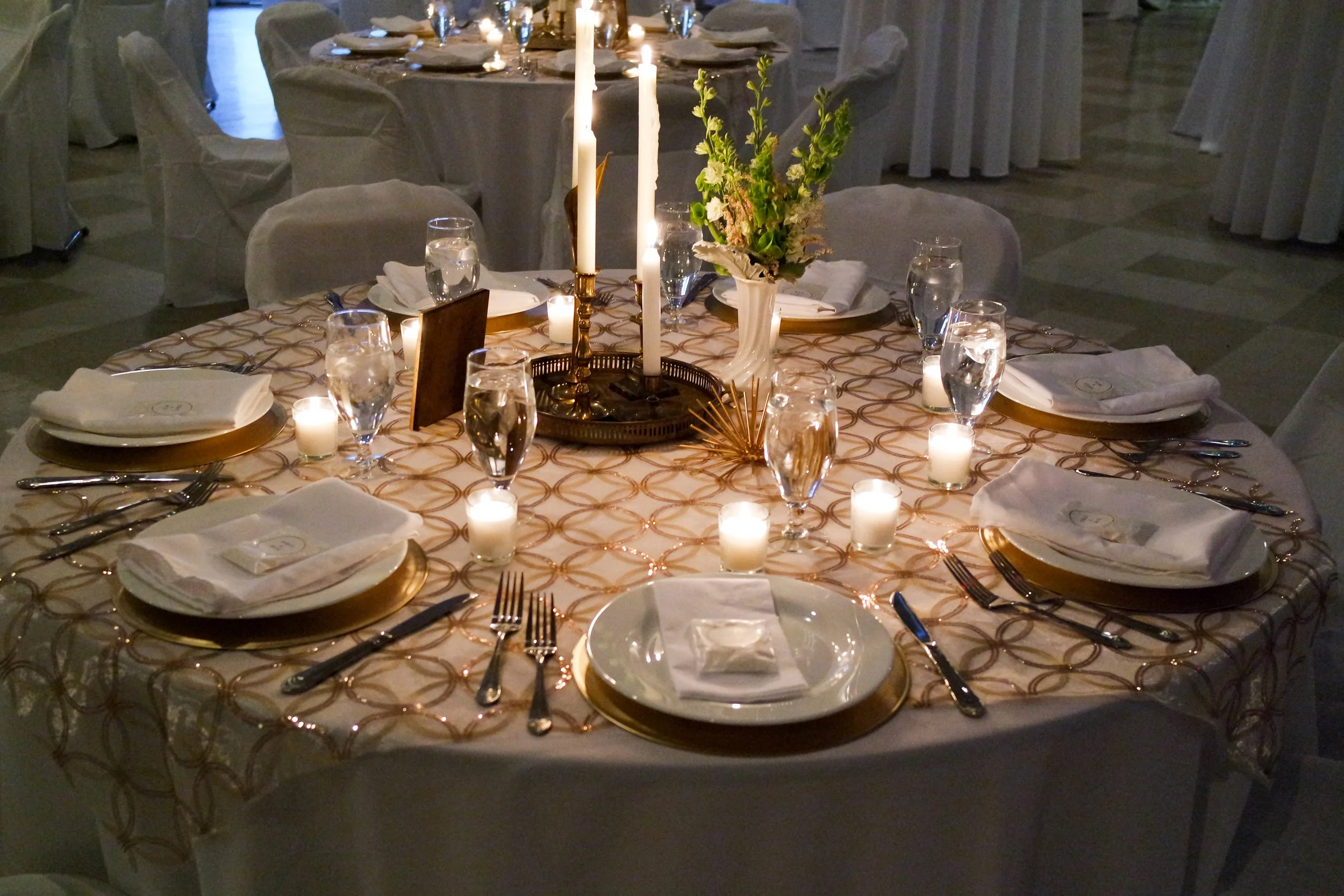
Inside the Room
A look at the stage, the floor, and the nights that move through them.

A Tailored Cocktail List for Events at The Wooly
A well-made drinks menu gives an event its own sense of place. At The Wooly in downtown Gainesville, a cocktail list can support the mood of a wedding, sharpen the identity of a product launch, or make a live music night feel more considered without turning the bar into a complicated laboratory.
The venue’s flexible floor plan, full-service bar, in-house catering, and professional audio-visual support make it suitable for many kinds of gatherings. A menu designed for a film screening may need to be quick and quiet to serve, while a private party can accommodate more elaborate garnishes, welcome drinks, and spirit-forward options.
For Australian hosts arranging an event in Florida, the planning process also involves translating familiar preferences into a US venue context. Australian guests may expect clear spirit measures, fresh citrus, quality coffee, and a sensible balance between alcoholic and non-alcoholic choices. They may also appreciate a menu that feels relaxed rather than overly formal.
The Wooly’s location at 20 N Main Street places guests close to Gainesville’s restaurants, bars, university precinct, and cultural venues. That central position makes it practical to create a distinctive drinks experience while keeping the menu connected to the energy of the city.
Start with the event’s mood
Before choosing spirits or naming drinks, define what guests should feel when they arrive. A wedding may call for bright, elegant cocktails with sparkling wine and seasonal fruit. A corporate meeting may benefit from restrained serves that are easy to hold while networking. A concert or community event can support bolder flavours and faster service.
The event schedule matters just as much as the theme. A cocktail served during a seated dinner can be layered and aromatic, while a drink handed over during a busy arrival period should be recognisable within seconds. Consider when guests will drink, where they will stand, and whether the bar must serve around speeches, screenings, performances, or dancing.
The Wooly’s upcoming events calendar can help hosts understand the venue’s broader rhythm, from concerts and movie nights to community gatherings. Even for a private booking, seeing how the space functions during different event formats can guide decisions about service speed, glassware, music, and lighting.
A useful starting point is to choose three descriptive words for the occasion, such as “sunny, local, effortless” or “cinematic, polished, intimate”. Every drink should reflect at least one of those words. If a cocktail does not fit the atmosphere, it probably does not belong on the menu, regardless of how impressive its ingredients sound.
Turn the brief into a balanced menu
A custom cocktail list works best when every drink has a clear role. Instead of offering a long catalogue, build a compact selection that covers different flavour profiles, strengths, colours, and serving styles. Guests should be able to find something suitable without asking the bartender to explain every option.
For a medium-sized event, three signature cocktails plus a non-alcoholic option can be enough. Larger parties may need four signature drinks, especially if the menu includes a welcome serve, a lighter highball, a spirit-led option, and a dessert-style drink. The standard bar should still be available for guests who prefer beer, wine, spirits, or a simple mixer.
- A bright welcome drink with citrus, sparkling wine, or a low-alcohol aperitif
- A refreshing highball built around gin, vodka, tequila, or rum
- A richer option using bourbon, rye, dark rum, or aged tequila
- A non-alcoholic spritz, sour, shrub, or botanical cooler
- One familiar classic, such as a Margarita, Old Fashioned, or Espresso Martini
Balance also means managing practical demands. A menu with five drinks that all require separate syrups, fresh herbs, specialist glassware, and individual shaking will slow service and increase waste. Choose ingredients that can appear in more than one recipe, such as grapefruit, ginger, mint, lime, or a house-made cordial.
A well-balanced list should also account for weather. Gainesville’s warm, humid conditions make chilled, refreshing drinks attractive for much of the year, while indoor events may need options that remain appealing in air-conditioned rooms. Australian guests arriving from Sydney, Brisbane, Perth, or Melbourne may be familiar with seasonal menus, but Florida’s heat can change how quickly drinks are consumed and how often guests seek water.
Design drinks guests can actually order
Names should be memorable without becoming puzzles. A cocktail called “Main Street Paloma” communicates more than a name based on an obscure film reference, particularly when guests are ordering in a busy room. Short descriptions should identify the base spirit and leading flavours: “tequila, grapefruit, lime, and soda” is more useful than “a citrus journey inspired by summer.”
The list should be readable from a distance and easy for staff to repeat. Avoid giving every drink a lengthy backstory. A one-line note about a local connection, the event theme, or a featured ingredient can add personality, but the practical information must remain prominent.
For an event with an Australian connection, familiar language can help. “Sparkling” may feel more natural to Australian guests than “bubbles”, while “lemonade” can create confusion because it often refers to a clear, sweet soft drink in Australia and to a different style of drink in the United States. If a recipe uses American-style lemonade, describe it plainly as a sweet lemon mixer.
Coffee cocktails deserve particular care for Australian audiences. Guests accustomed to strong café culture in Melbourne or Sydney may notice if an Espresso Martini tastes flat, overly sweet, or lacks a proper coffee aroma. Use a fresh espresso or a high-quality cold brew concentrate, and decide whether the drink is intended as a late-night pick-me-up or a dessert pairing.
A production-minded event may also benefit from technical expertise beyond the bar. If the drinks list is part of a launch, performance, or immersive installation, a specialist such as Polygon ATL may be relevant to the event’s broader visual and production requirements. The bar design, projection, lighting, signage, and menu presentation should feel like parts of one experience.
Make Australian guests feel at home
Australian visitors often value an atmosphere that feels sociable and unforced. A menu can acknowledge that preference through generous highballs, crisp sparkling serves, quality local beer, and food-friendly cocktails rather than making every drink intensely sweet or spirit-heavy. Offering a simple lager, a pale ale, and a non-alcoholic beer can also make the bar feel more familiar.
Responsible service should be designed into the experience from the beginning. Australia’s responsible service of alcohol culture, commonly known as RSA, makes many guests attentive to ID checks, standard drinks, water access, and staff conduct. US licensing and service rules apply at The Wooly, but clear signage, visible water, substantial food, and staff training will still feel reassuring to Australian attendees.
- Include still and sparkling water at the bar or on tables
- Offer a substantial zero-proof drink rather than only soft drinks
- Use clear descriptions for strength, sweetness, and key allergens
- Provide familiar beer and wine choices alongside signature cocktails
- Keep service measured and attentive during long receptions
Local references can be subtle rather than decorative. A drink might use Florida citrus, a Gainesville-inspired name, or a colour palette drawn from the venue’s music and arts programming. There is no need to force an Australian ingredient into every recipe, though a restrained nod such as a native botanical, finger lime, or lemon myrtle can work when sourced reliably and explained to the bar team.
Think about the difference between a Melbourne laneway bar and a Florida event venue. Melbourne guests may expect intricate, bartender-led drinks; Brisbane guests may lean towards easy, refreshing serves in warm weather; Sydney guests may respond well to polished spritzes and seafood-friendly flavours. A concise menu can acknowledge these habits while remaining firmly rooted in Gainesville.
Coordinate service, food, and production
Cocktails should be planned alongside the catering menu, not after it. Spicy food benefits from cooling drinks with citrus, soda, cucumber, or lower alcohol. Rich braised dishes can stand up to whiskey, aged rum, or bitter aperitifs. Desserts may pair with coffee, chocolate, orange, or a lightly fortified serve, but the drink should not make the final course feel excessively heavy.
In-house catering gives The Wooly’s event team an opportunity to align flavours and timing across the room. A welcome cocktail can be ready before guests reach the bar, while dinner drinks can be batched and served with fewer interruptions. For a gala or fundraising evening, the drinks menu should support speeches and auctions rather than creating queues at the exact moment the programme needs attention.
The venue’s guidance on hosting a nonprofit gala is especially relevant to planners balancing hospitality, pacing, and a formal run sheet. A gala menu might include a named welcome cocktail, table wine, a full bar after the formal programme, and a zero-proof alternative that receives the same visual care as the alcoholic options.
Bar logistics should be settled early. Confirm the number of bartenders, ice capacity, refrigeration, glassware, garnish preparation, batching permissions, point-of-sale arrangements, and last-drinks timing. Ask whether each cocktail can be pre-batched safely and consistently, and identify which ingredients must be added to order for freshness or carbonation.
The audio-visual schedule matters too. A cocktail that requires vigorous shaking may be unsuitable during a quiet film screening or a speech. Conversely, a lively concert can hide a little bar noise and support faster, simpler builds. A clear service plan protects both the guest experience and the technical requirements of the event.
Put the final menu into action
A polished drinks list should be tested in conditions that resemble the actual booking. Taste each cocktail at the planned dilution and temperature, then leave it for several minutes to see how the flavour changes. Check whether the garnish survives, whether the drink remains attractive under venue lighting, and whether staff can reproduce it during a rush.
Keep the printed menu concise. Each entry can include the drink name, base spirit, two or three key ingredients, and a useful descriptor such as “light and sparkling”, “dry and herbal”, or “rich and spiced”. Mark non-alcoholic choices clearly, and identify common allergens where relevant. If the menu includes dairy, egg, nuts, or unusual syrups, staff need a reliable answer for guests.
The Wooly’s official venue site is a useful reference point for confirming the space, event capabilities, and the broader identity that the cocktail menu should complement. The final design should feel at home beside the venue’s live music, film, art, wedding, and corporate programming rather than looking like a generic hotel drinks list.
A menu can also become part of the event’s visual language. Use names that echo the invitation, table cards, projection graphics, or stage design, while keeping the wording easy to pronounce. A small printed card at each table may work for a seated reception, while a large bar board is better for a concert or standing party.
Before approving the list, run a final operational review: confirm the recipes, calculate quantities, approve substitutions, and decide how unused ingredients will be handled. Then send the venue team a single master document containing the menu, batch recipes, dietary notes, service order, garnish instructions, and timing. The concrete next step is to schedule a tasting and service test with The Wooly’s event coordinator before purchasing ingredients or printing menus.
Follow the Calendar
News, ticket links, and last-minute additions posted across our channels.
Explore the Venue
Five pages covering the full run of programming and private bookings.
Browse the schedule for movie showings, live music, and art shows.
Weddings, holiday banquets, cocktail parties, and anniversaries.
Meetings, networking, luncheons, and fundraisers with AV support.
Concerts, film screenings, art showcases, and community pop-ups.
Photos from past concerts, private functions, and gatherings.