Live shows, movie nights, art openings, private parties, and corporate meetings at 20 N Main St — minutes from the University of Florida and Shands Hospital.
Stay in the Loop
Get the next show, screening, and event announcements sent to your inbox.
Inside the Room
A look at the stage, the floor, and the nights that move through them.

The Wooly's bar staff: mixology skills and service speed
The Wooly is a versatile downtown Gainesville venue at 20 N Main Street, close to the University of Florida and Shands Hospital. Its flexible floor plan supports concerts, film screenings, art openings, weddings, private parties and corporate meetings, while professional audio-visual support, in-house catering and a full-service bar keep food, entertainment and drink service connected.
Skilled bar staff must adjust quickly as the room changes. A quiet corporate gathering may need attentive table service, while a concert can create a concentrated rush at the counter. Mixology skills, clear communication and efficient workflow determine whether that rush feels energetic or frustrating. For Australian guests accustomed to brisk pub service, the combination of precise drinks and reliable timing is especially noticeable.
A bar built for changing rooms
The Wooly’s bar team handles more than pouring drinks. Staff interpret the pace of an event, coordinate with the floor, recognise when a guest needs help and keep service moving when several drink orders arrive together. The same shift might include a corporate meeting in the afternoon, a private dinner and a live performance later that evening.
The venue’s live music programme creates particularly varied service conditions. During an opening act, guests may arrive gradually and order from a full menu. For the headline artist, requests often become simpler and more predictable. Bar staff can prepare for that change by reducing decision-making time without reducing drink quality.
Speed also depends on understanding the audience. Wedding guests may value a celebratory toast, theatre visitors may want a drink before a screening, and corporate attendees may need service that does not interrupt a presentation. The practical skill lies in reading those expectations and adjusting the workflow without making guests feel hurried.
Mixology that stays consistent at pace
A cocktail combines measured ingredients with judgment. Ratios, dilution, temperature, glassware and garnish all affect the result, so experienced bar staff work from an established specification rather than relying on memory. Preparing ingredients and equipment before service allows that precision to continue when the bar becomes busy.
Consistency becomes more valuable as crowds grow. A house cocktail made for the first guest should taste identical to the tenth, while wine, beer and spirit service must reflect the order without unnecessary delay. Good mixology also includes knowing when to offer a familiar alternative, a zero-proof version or a different strength, particularly when guests are drinking over several hours.
Personal requests can test a bartender’s judgement. Changing a classic recipe may require another shaker, more ingredients or a different preparation method. During peak service, staff need to explain what can be done quickly and communicate any delay honestly. The aim is not rigid speed; it is fast, controlled service that keeps the drink aligned with the guest’s order.
The workflow behind quick service
Efficient service usually begins before the first order. Bar staff need clear roles for taking orders, making drinks, handling payment, moving finished drinks and clearing glassware. When every person understands the sequence, fewer questions pass across the counter and drinks reach guests while they are still fresh.
A direct comparison shows how the event setting changes the balance between technique and timing:
| Service moment | Mixology focus | Speed discipline | Guest experience |
|---|---|---|---|
| Welcome drink | Accurate pours and correct glassware | Stage glasses and likely orders | A drink arrives before introductions finish |
| Cocktail hour | Balanced house cocktails and manageable changes | Group similar drinks and maintain a clear queue | Lively service without repeated delays |
| Live set | Simplified drinks and zero-proof options | Coordinate production with performance cues | Less congestion around the bar |
| Corporate meeting | Clear alcohol and low- or no-alcohol choices | Match service to the meeting schedule | Refreshments support rather than disrupt the agenda |
| Wedding service | Guest preferences, toasts and familiar drinks | Plan around the ceremony and meal times | The bar complements the celebration |
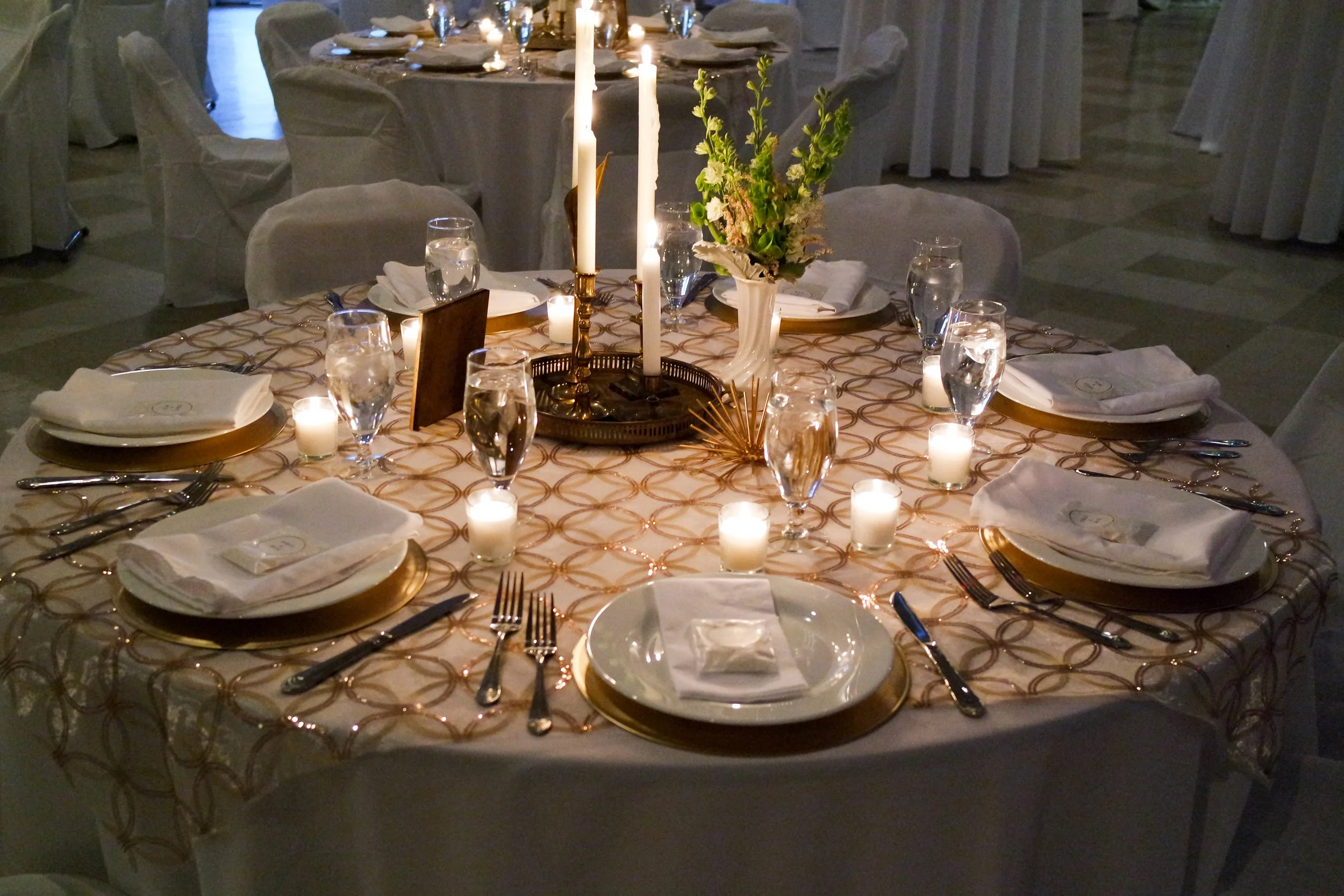
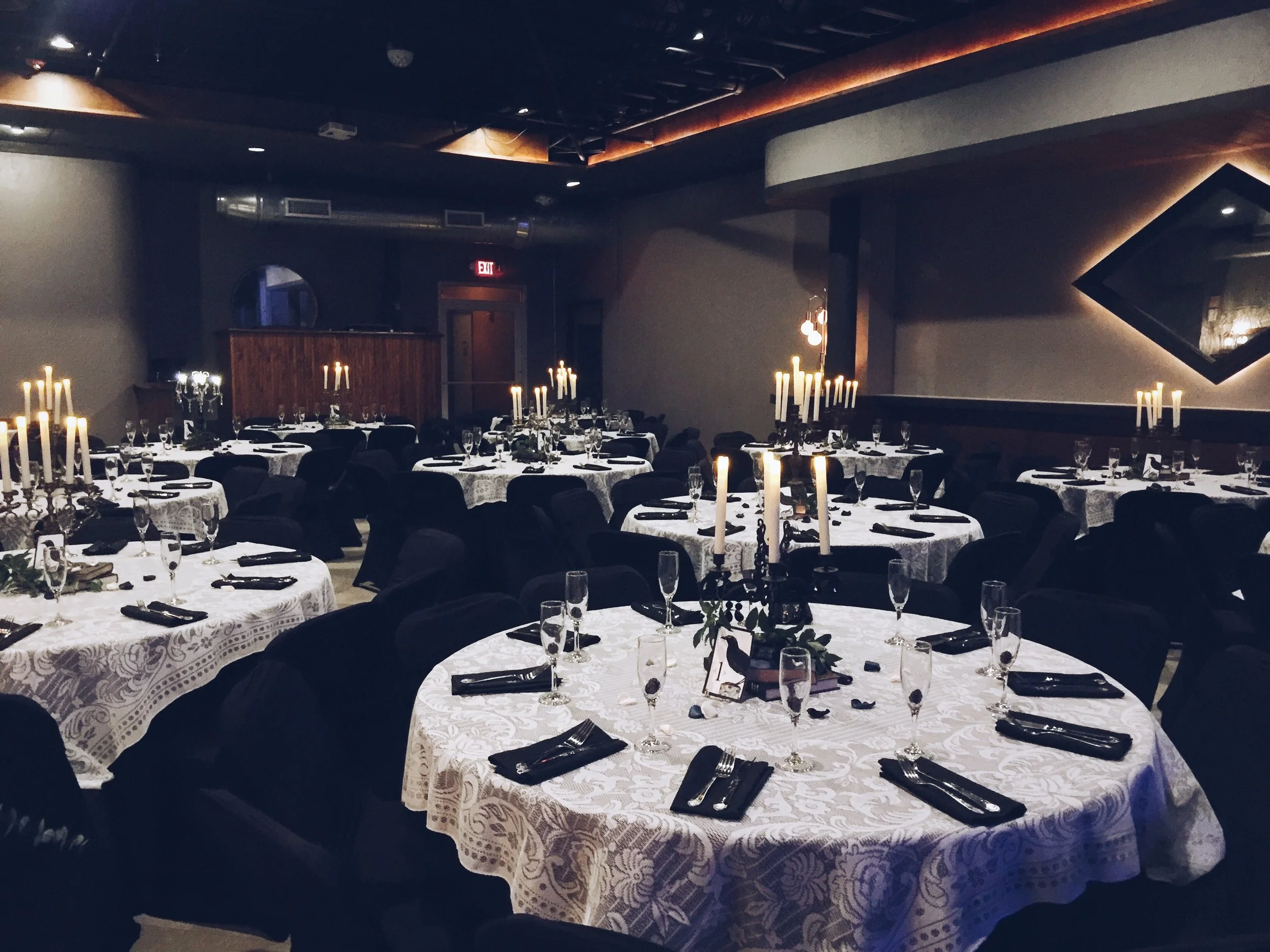
Visual context also matters. Images such as professional event images can reveal where queues form, how people move between tables and whether the bar creates a natural social centre. Those observations help experienced staff anticipate bottlenecks instead of waiting for them to become obvious.
Australian cues that shape expectations
Australian visitors may compare The Wooly with the pub, cocktail bar or live-music venue they know at home. Several local customs change what feels normal, particularly around identification, tipping and ordering. Recognising these differences allows bartenders to provide informed service without assuming that every guest follows the same habits.
Three service customs are worth knowing:
- Identification: The legal drinking age is 18 throughout Australia, compared with 21 in Florida. Australian staff are accustomed to checking identification as a routine part of responsible service, while guests at The Wooly may be less prepared to present it.
- Tipping: Gratuities are not a standard expectation in many Australian hospitality settings. A guest who does not leave a tip may simply be unfamiliar with United States tipping customs, not dissatisfied with the drink or the wait.
- Ordering and BYO: Australians often describe a round of beer as a “shout”, and some casual pubs allow guests to bring their own wine. At a United States venue with a full-service bar, ordering is usually more centralised and the drink choices come from the venue’s list.
Australian place, market and timing references add another useful layer:
- Different live-music settings: Melbourne’s laneway venues, Sydney’s harbourside rooms and Brisbane’s Fortitude Valley precincts have developed distinct approaches to crowd flow, acoustics and bar placement. Their audiences are likely to value quick service that still feels sociable during a performance.
- Climate and daylight saving: Summers in Brisbane and Sydney, variable Melbourne weather and daylight-saving changes affect when crowds arrive and how long they stay. Hot weather can increase demand for chilled drinks, water and lighter serves, while a cooler evening may encourage longer drinking patterns.
- Local product expectations: Australian guests may recognise Four Pillars-style contemporary spirits, craft beer from independent breweries or wines from regions such as the Yarra Valley, Barossa Valley and Margaret River. Bartenders should explain what is available locally in Florida instead of implying that an Australian favourite is on the list.
These cultural differences should be handled with curiosity rather than assumption. A clear explanation of identification rules, the available range or the correct payment process prevents misunderstanding and supports faster service.
Training, safety and calm recovery
Professional bar service depends on both technical knowledge and sound judgement. Staff need to understand recipes, equipment, allergens, responsible alcohol service and the difference between a preference and a safety concern. That knowledge is especially important in a multi-event venue where experienced employees may be moving between different service styles during one shift.
The Wooly’s professional audio-visual support and flexible layout also create opportunities for coordination. Bar staff can respond to performance changes, presentation schedules and crowd movements, while other team members handle floor service. A shared view of the room helps prevent a bottleneck when an event transitions from mingling to seated dining or from a film to an interval bar.
Pressure reveals the quality of training. The strongest teams remain calm, use concise call-outs and solve problems at the counter rather than involving the guest in internal delays. If a drink is spilled or an order is missed, a prompt apology and replacement can restore trust quickly. Silence or defensiveness, by contrast, extends a minor disruption.
Matching the bar to the occasion
Different bookings require different operating rhythms. A corporate meeting may benefit from scheduled beverage rounds, while a private party can work best with roaming table service. Weddings need enough coordination for toasts, cocktails and meal service without making the bar the centre of attention.
Menu planning is therefore part of bar planning. The venue’s advice on scaling a wedding menu illustrates the same principle behind drink service: identify the number of guests, forecast service points and match staffing to the expected flow. A wedding with a short cocktail window needs a different setup from a reception that begins with a full dinner.
For live events, the beverage range may need to become more focused as the room fills. Pre-event rounds can establish popular choices, after which the bar can prioritise those drinks while retaining a few options for different guests. Corporate functions may place greater emphasis on water, tea, coffee and alcohol-free choices, particularly during long presentations. The service model should support the programme rather than compete with it.
What good service feels like to guests
Guests often experience good bar service as an absence of friction. Orders are understood, drinks arrive at a sensible pace, glassware is clean and staff remain approachable without hovering. The person receiving a cocktail may never see the jigger, mixing glass or workflow behind the counter, yet the result should reveal that everything was measured and coordinated.
Recovery is part of that experience. A busy venue will occasionally have a delayed order, wrong glass or crowded waiting area. What matters is how quickly the team acknowledges the issue and takes ownership. A replacement served without drama can do more for confidence than a flawless routine that becomes abrupt when pressure rises.
For hosts, the practical takeaway is to include the bar brief within the wider event plan: define the expected drink mix, service style, busiest period and responsible-service checks, then give the team room to manage the floor as it develops. The best result feels natural to guests, with precise drinks supporting the atmosphere rather than interrupting it.
Follow the Calendar
News, ticket links, and last-minute additions posted across our channels.
Explore the Venue
Five pages covering the full run of programming and private bookings.
Browse the schedule for movie showings, live music, and art shows.
Weddings, holiday banquets, cocktail parties, and anniversaries.
Meetings, networking, luncheons, and fundraisers with AV support.
Concerts, film screenings, art showcases, and community pop-ups.
Photos from past concerts, private functions, and gatherings.