Live shows, movie nights, art openings, private parties, and corporate meetings at 20 N Main St — minutes from the University of Florida and Shands Hospital.
Stay in the Loop
Get the next show, screening, and event announcements sent to your inbox.
Inside the Room
A look at the stage, the floor, and the nights that move through them.

Scaling A Wedding Menu With The Wooly’s Catering
A wedding menu has to feel abundant without creating unnecessary waste, delays or confusion for the catering team. The right approach is to scale each course according to guest numbers, service style, dietary requirements and the movement of people through the venue, rather than simply multiplying every recipe by the headcount.
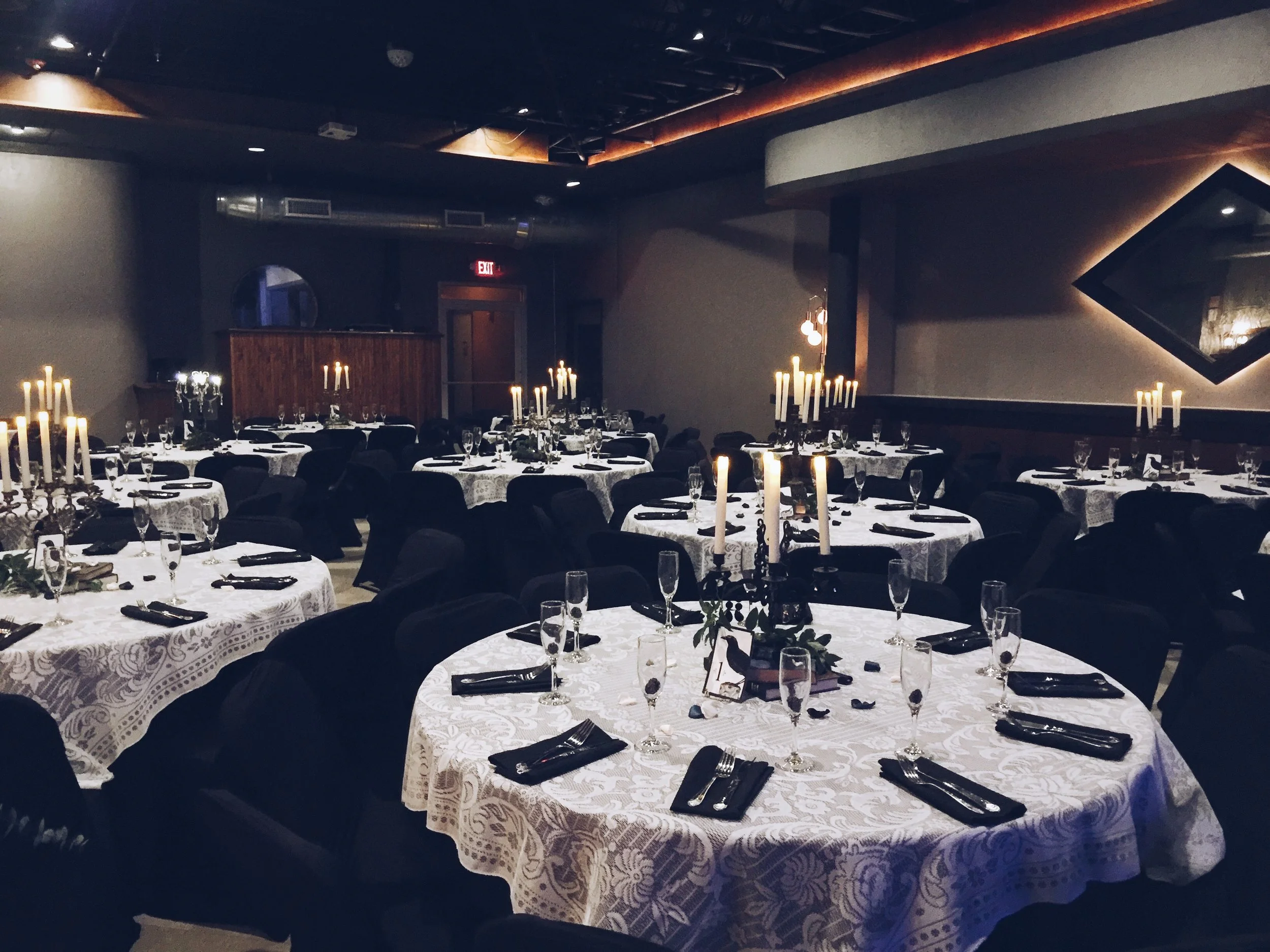
The Wooly in downtown Gainesville, Florida, offers a useful setting for this kind of planning. Its flexible floor plan, in-house catering, full-service bar and professional audio-visual support allow the food service to be coordinated with speeches, dancing, live music and other parts of the celebration. For Australian couples planning a destination wedding, or event professionals comparing venue models, the same principles apply whether the reception is in Brisbane, Melbourne or Gainesville.
Start With The Guest Count And Service Style
The first figure should be the confirmed guest count, followed by a realistic allowance for changes. A preliminary guest list may contain 120 names, but the catering order should be based on the RSVP deadline, children’s meals, vendors, the wedding party and any guests who are likely to arrive late. Suppliers such as photographers, musicians and celebrants may need meals, even though they are not included in the reception seating plan.
Service style changes the amount of food required. A plated dinner usually gives the catering team tight portion control, while a buffet needs enough variety and volume to keep the final tables looking well supplied. A cocktail reception with substantial canapés may call for more pieces per person than a short pre-dinner drinks period. Family-style service sits between the two, as shared platters need enough generosity to look inviting without being overfilled.
Australian weddings often run on a different rhythm from American receptions. A Melbourne or Sydney celebration may feature a long cocktail hour, lawn photographs and a late-night snack after dancing, while a regional wedding may have guests travelling a considerable distance between the ceremony and reception. The Wooly’s adaptable layout makes it possible to separate drinks, dining and entertainment zones so that service does not compete with guest circulation.
Build The Menu Around Kitchen Workflow
A scalable menu begins with dishes that hold their quality as numbers increase. Braised meats, roasted seasonal vegetables, grain salads and composed desserts can usually be prepared in larger batches without losing their character. Delicate fried items, highly individual garnishes and dishes that must be finished one plate at a time require more labour and more precise timing.
This is where a conversation with The Wooly’s catering team should happen early. Ask which dishes are most efficient for a 60-person reception and which remain reliable at 180 guests. The best menu may combine a showpiece entrée with practical sides, allowing the kitchen to give attention to presentation while maintaining a steady service pace.
Seasonality can also shape the menu’s identity. An Australian couple might draw inspiration from native ingredients, local seafood or produce associated with home, while a Gainesville celebration may use Florida citrus, Southern-style preparations or regional farm products. A few meaningful details usually create a stronger menu than attempting to represent an entire cuisine.
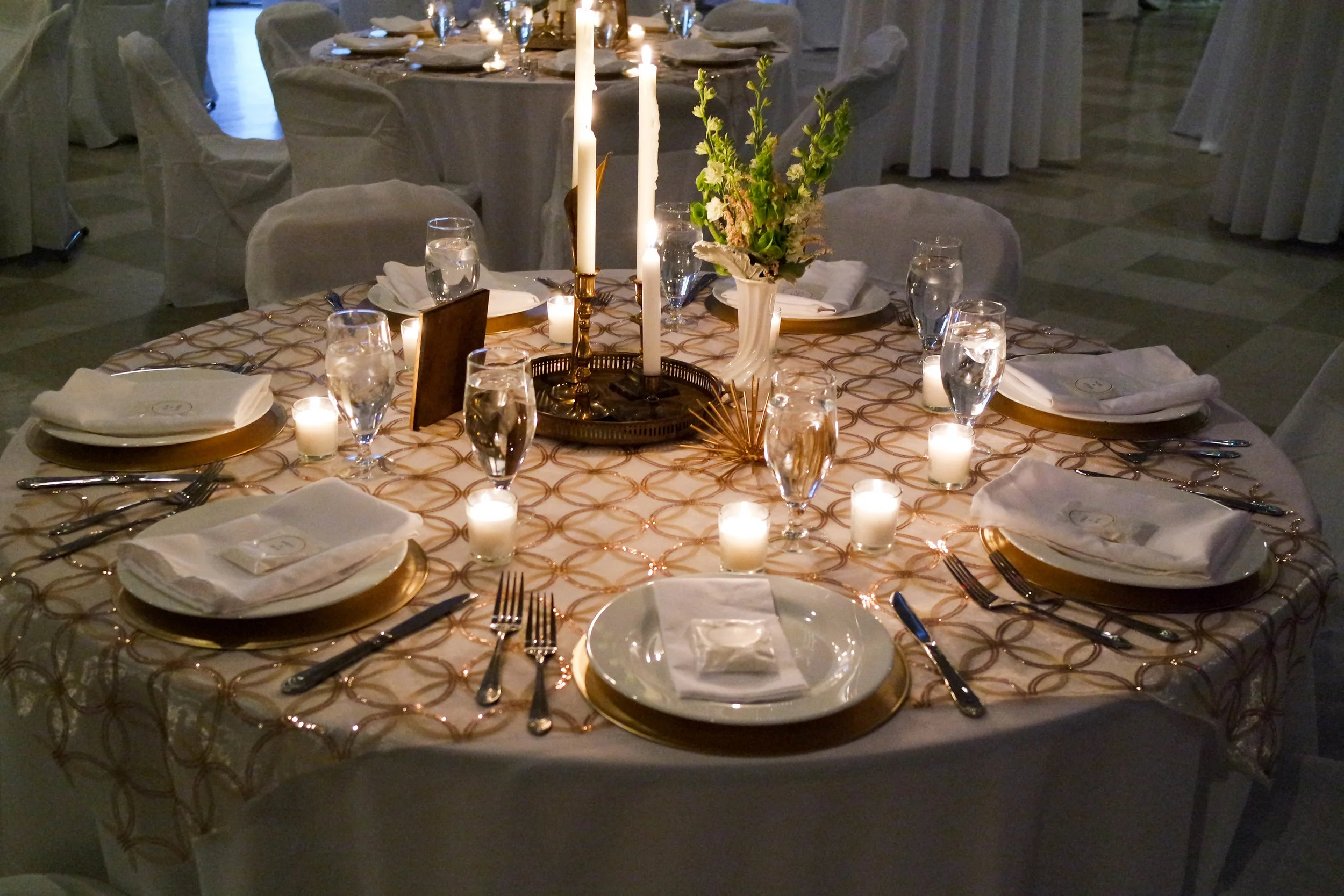
Decor and food presentation should be planned together. If the reception includes a styled dessert station, floral installation or cultural food display, the catering team needs enough room for setup and replenishment. Couples working with an external stylist can coordinate details through an experienced event styling team while keeping the menu practical for the venue’s service areas.
Create A Production Checklist
Scaling is easier when every menu item has a clear purpose, portion and service point. A catering worksheet should record the number of guests, serving format, dietary alternatives, estimated portions, platter sizes and the time each course is due to leave the kitchen. This prevents a generous canapé order from accidentally replacing the food required for dinner.
The worksheet should also identify who makes final decisions. The couple may approve the menu, but the venue coordinator, caterer and planner need agreed authority over late changes, replenishment and timing. A useful production checklist includes:
- Confirmed adult, child, vendor and wedding-party numbers
- Portion sizes for canapés, entrée, main course, sides and dessert
- Separate counts for vegetarian, vegan, gluten-free and allergy-safe meals
- Service times linked to speeches, music and photography
- A contingency amount for breakage, seconds and unexpected demand
The buffer should be deliberate rather than arbitrary. For a plated meal, the kitchen may prepare a small number of additional portions for last-minute changes. For a buffet, the team may hold reserve trays and replenish in stages. This protects presentation and food quality more effectively than placing every serving on the table at once.
Compare Portions, Service Styles And Costs
The most useful comparison is not simply the price per guest. A lower-cost menu can demand more staff, more equipment or more finishing time, while an apparently premium choice may become efficient when it uses shared sides and batch preparation. Labour, rentals, bar service, staffing ratios and the venue’s layout all influence the final figure.
Australian couples should ask whether quoted prices include GST, staffing, glassware, cake cutting, delivery and late-night service. A $95 per-person quote can mean something very different from a $95 quote plus a separate service fee and 10 per cent GST. Currency conversion matters for destination weddings too, especially when deposits are paid in US dollars and guests are budgeting in Australian dollars.
| Service style | Portion approach | Scaling advantage | Planning consideration |
|---|---|---|---|
| Plated dinner | Fixed portions per guest | Predictable quantities and polished timing | Requires accurate dietary counts and seating information |
| Buffet | Main portions plus reserve trays | Flexible for varied appetites | Replenishment, queue flow and food temperature need close management |
| Family-style | Shared platters per table | Warm, communal presentation | Table size and platter capacity affect quantities |
| Cocktail reception | Several pieces per guest, plus substantial items | Works well for mingling and entertainment | Longer events need more food and clear allergen labelling |
| Stations | Portions divided across food points | Reduces queues and adds visual variety | Each station requires space, staff and separate equipment |
The Wooly’s flexible floor plan can support different arrangements, but the menu should match the room plan. A buffet placed near the dance floor may create congestion, while stations spread around the space can keep guests moving. For a corporate or wedding event with presentations, the venue’s audio-visual capabilities also make it easier to schedule a pause in food service while speeches or screenings take place.
Protect Dietary Needs And Guest Comfort
Dietary requirements should be treated as part of the menu design, not as an afterthought. Ask guests to identify allergies and preferences through the RSVP process, then separate medical allergies from lifestyle choices. The caterer needs to know whether a guest requires strict gluten avoidance, cannot eat nuts, follows a vegan diet or simply prefers not to eat red meat.
A strong menu often gives everyone a naturally suitable option. A lentil and roasted vegetable dish, for example, can be a satisfying main course when it is designed with care rather than presented as a substitute. Gluten-free sides, clearly labelled sauces and a dessert with fruit or chocolate can help guests feel included without drawing attention to their restrictions.
Australian celebrations may include guests from several cultural backgrounds, with halal, kosher-style, vegetarian, vegan and low-allergen needs appearing on the same guest list. Young children may need smaller portions and simpler flavours, while older guests may appreciate a quieter dining area away from amplified music. These details affect ordering, room layout and staffing as much as they affect recipes.
Coordinate Bar Service And Late-Night Food
Food and drinks should be scaled as one hospitality plan. A welcome drink, wine with dinner, beer, spirits and non-alcoholic options create different demand patterns. In Australia, many guests expect a strong selection of sparkling wine, local beer and good alcohol-free choices, while a summer wedding may require additional water, ice and chilled soft drinks. A destination event should also consider guests who are driving or staying nearby.
The Wooly’s full-service bar can be coordinated with the reception schedule so that service peaks do not collide with dinner. For example, passed drinks can support the arrival period, wine service can begin once guests are seated and the bar can reopen fully after speeches. If the couple wants a themed entertainment moment, a carefully selected reference such as this baccarat guide can inspire a casino-style reception activity without making gambling central to the celebration.
A late-night snack deserves its own quantity calculation. Guests may eat lightly during a long cocktail reception and then look for something savoury after dancing. Sliders, loaded fries, mini pies, toasted sandwiches or a regional snack can be ordered for a percentage of the full guest list rather than every person. A casual food concept such as Chili Chillin can also provide inspiration for a relaxed, flavourful late-night offering.
When the venue hosts live music or a DJ, the catering team should know when the dance floor is likely to be busiest. Food released in short waves can prevent a queue from forming at the exact moment the band begins its most popular set. It also lets the kitchen maintain quality and gives the bar team a more even workload.
Build A Flexible Timeline For Service
A scalable menu works best when the event timeline leaves breathing space. Allow time for guest arrival, photographs, seating, entrée clearance, speeches, main-course service, cake cutting and dancing. A two-course meal may suit a compact reception, while a larger celebration may need a longer dining window. The aim is to keep the evening flowing without making guests feel rushed.
A useful timeline also accounts for venue changeovers. If the ceremony, drinks reception and dinner use different parts of The Wooly, staff need clear windows to reset furniture, move service equipment and refresh the bar. Planning principles from a two-day retreat plan are relevant here: assign responsibilities, define transition times and give every activity a practical location.
Keep the final menu document simple enough for all suppliers to use. It should show the guest count, meal format, service times, dietary notes, bar package, late-night food, cake arrangements and contact details for the coordinator. Any change made after the final confirmation should be recorded with its cost and operational impact.
The menu should feel generous, personal and calm from the guest’s perspective. That comes from choosing dishes suited to batch preparation, matching quantities to service style, allowing for Australian expectations around GST and dietary care, and coordinating catering with the venue’s floor plan, bar and entertainment. The key thing to remember is that successful scaling is measured by a smooth guest experience, not by multiplying recipes alone.
Follow the Calendar
News, ticket links, and last-minute additions posted across our channels.
Explore the Venue
Five pages covering the full run of programming and private bookings.
Browse the schedule for movie showings, live music, and art shows.
Weddings, holiday banquets, cocktail parties, and anniversaries.
Meetings, networking, luncheons, and fundraisers with AV support.
Concerts, film screenings, art showcases, and community pop-ups.
Photos from past concerts, private functions, and gatherings.