Live shows, movie nights, art openings, private parties, and corporate meetings at 20 N Main St — minutes from the University of Florida and Shands Hospital.
Stay in the Loop
Get the next show, screening, and event announcements sent to your inbox.
Inside the Room
A look at the stage, the floor, and the nights that move through them.

Hosting a professional workshop at The Wooly
A strong workshop needs more than a room with chairs. It needs a setting that helps people concentrate, equipment that works without fuss, food that arrives at the right time, and enough flexibility for discussion, demonstrations and informal networking. The Wooly in downtown Gainesville, Florida, brings those requirements together in a venue designed for live events, creative gatherings and business functions.
For Australian organisers, the venue offers an appealing change from a standard hotel meeting room. A team travelling from Sydney, Melbourne, Brisbane or Perth can hold a focused training day in a distinctive cultural space, while a local US partner can manage practical arrangements on the ground. The location at 20 N Main Street also places the event near the University of Florida and Shands Hospital, useful for education, healthcare and research-related organisations.
Planning should begin with the workshop’s purpose rather than a room diagram. A leadership session, software demonstration, professional development day and client forum each need a different rhythm. Once the outcomes are clear, The Wooly’s adaptable floor plan, audio-visual support, catering and full-service bar can be shaped around the experience you want participants to have.
Match the room to the workshop format
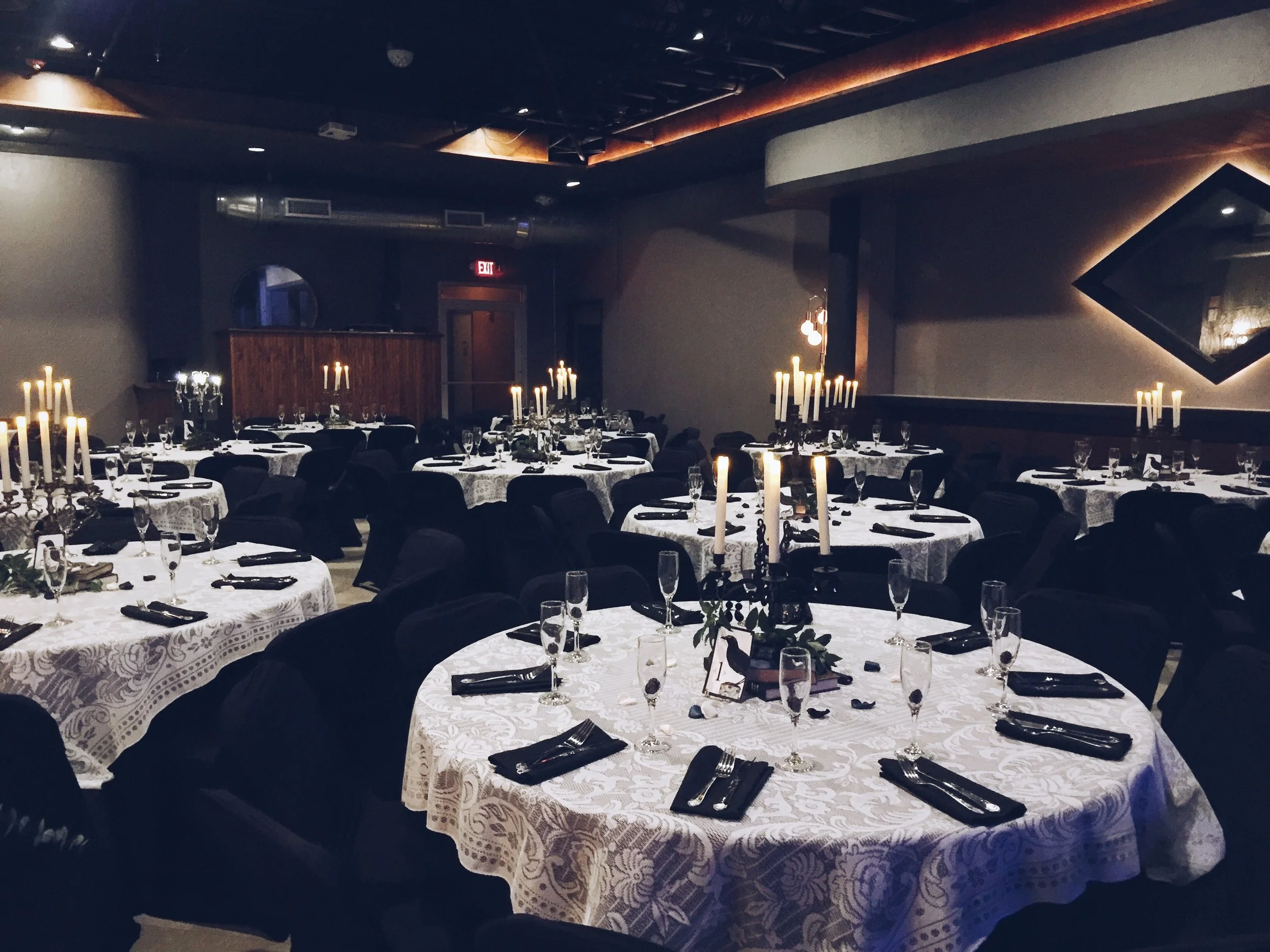
A flexible floor plan is valuable when a workshop moves through several modes during the day. Start with theatre-style seating for a keynote or briefing, then shift to cabaret tables for group exercises. Small clusters support peer learning, while an open central area can accommodate role-play, product demonstrations or a short movement break.
Share a detailed run sheet with the venue team well before arrival. Include the number of participants, presentation format, table requirements, registration position, catering breaks and any accessibility needs. It is also helpful to identify which parts of the programme must feel polished and which can remain informal. A board-level strategy session may call for a clean, uncluttered layout, while a creative workshop can benefit from writable surfaces and room to circulate.
Australian delegates are generally comfortable with a practical, conversational tone, so allow space for questions rather than filling every minute. A “quick yarn” between activities can reveal useful experience, but it still needs a clear time limit. If attendees are flying in from Melbourne or Brisbane, provide a realistic finish time and transport information so the day feels organised from the outset.
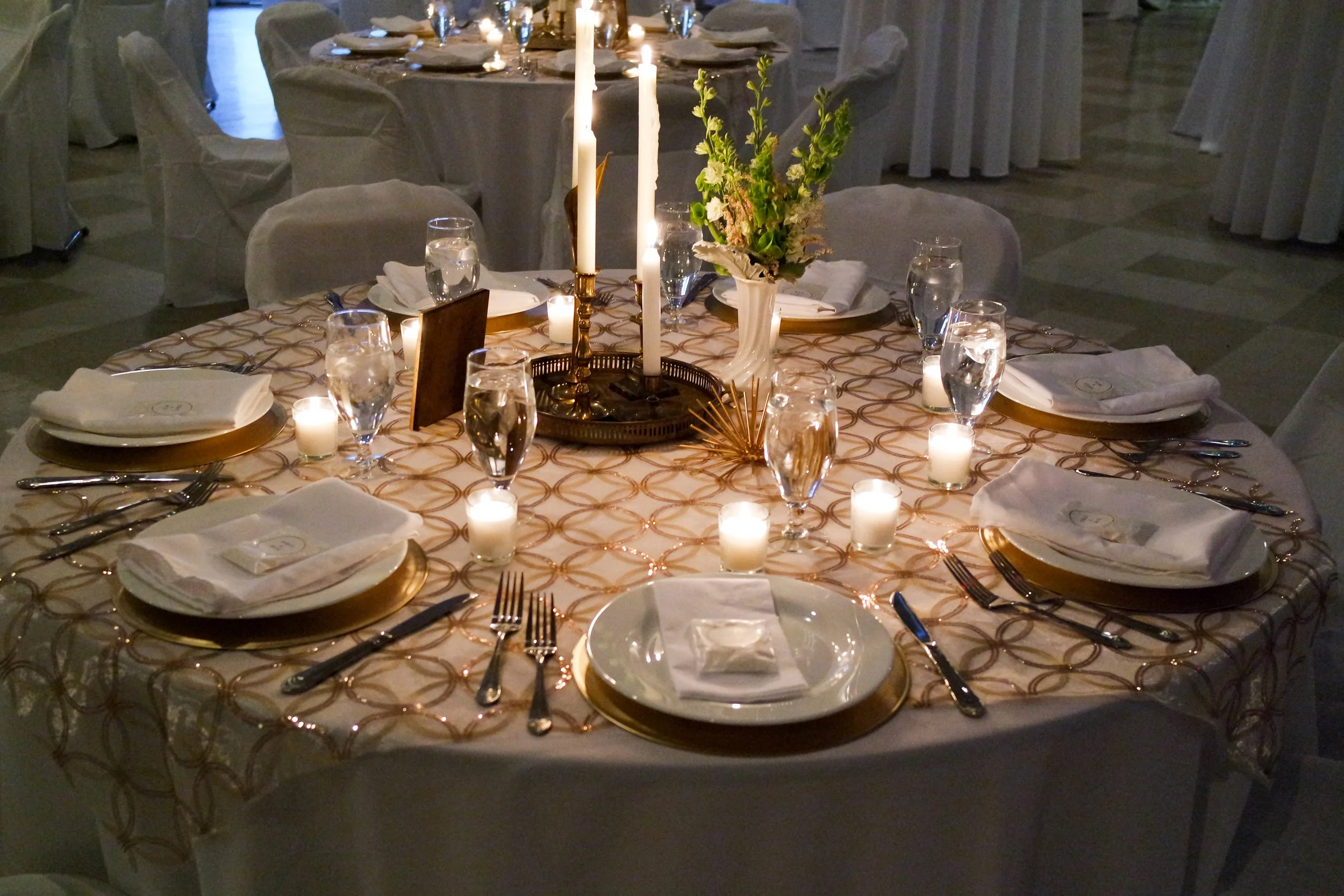
The room should also reflect your brand without becoming overproduced. A welcome screen, branded worksheets, a simple stage arrangement and consistent signage may be enough. Visual references from winter wedding backdrops can help when considering a photo wall, sponsor display or presentation backdrop, even though the original examples are designed for weddings.
Build a reliable presentation and participation setup
Professional audio-visual support is central to a successful training event. Before confirming the programme, establish what is included: microphones, speakers, projection, screens, lighting, playback capability, presentation connections and technical assistance. Ask whether presenters should bring their own laptops, whether adapters are available and how the system handles video sound.
A technical rehearsal is worthwhile, especially if the workshop includes live software, remote speakers or several presenters. Test every video, embedded link and audio clip in the actual room. Confirm where presenters will stand, how they will see slides, and whether participants at the back can read small text. A confident facilitator should be able to focus on people rather than troubleshoot a cable during the first activity.
Hybrid delivery deserves particular care. If an Australian subject-matter expert is joining from an AEST or AEDT time zone, schedule the session with the time difference in mind and avoid making the remote person carry the whole event. Use a dedicated microphone, position the camera to include the facilitator and audience, and nominate someone to monitor the online chat. Recording permissions and data handling should be agreed with the venue, presenters and attendees before the day.
Participation also depends on what people can see and hear. Keep worksheets uncluttered, use high-contrast slides and repeat questions from the room before answering them. Provide printed alternatives where a digital activity might exclude someone. These small decisions support accessibility and make the workshop feel considered rather than improvised.
Plan catering, breaks and the social atmosphere
Food has a practical role in a full-day workshop. It keeps energy steady, gives participants a natural chance to process new information and creates room for useful conversations. Discuss arrival coffee, morning tea, lunch, afternoon refreshments and any post-event drinks with The Wooly’s in-house catering team. Give them the timetable, dietary requirements and service locations so breaks do not disrupt the next session.
Australian guests may expect familiar options such as quality coffee, vegetarian choices and clear labelling for allergies. If the group includes people from different workplaces, ask about halal, gluten-free, dairy-free and other requirements through the registration process. Avoid treating dietary information as an afterthought; a separate labelled meal is far more reassuring than asking someone to guess what is safe.
Timing matters. A ten-minute coffee break can work for a compact seminar, but interactive training usually benefits from longer pauses because participants need to move, use facilities and continue conversations. For a workshop running across lunch, consider a service style that allows people to return to the room at different times without creating a queue beside the presentation area.
The full-service bar can help transition from formal learning to networking after the final session. Set expectations in advance about whether drinks are hosted, purchased individually or limited to a set package. In Australian business settings, a relaxed end-of-day drink is common, but responsible service, clear budgets and non-alcoholic options should remain part of the plan. A short reception can feel generous without turning a professional workshop into a late-night event.
If your team wants to extend the social programme, review the upcoming events calendar before choosing a date. A concert, film screening or community event nearby could add an optional cultural element for visitors, although the workshop schedule should remain the priority.
Give the day a clear identity
A workshop is easier to remember when its visual and verbal details support one central idea. Use a concise event title, a consistent colour palette and a welcome message that explains what participants will achieve. Avoid covering every wall with branding. One strong registration point, a well-designed screen and thoughtful printed materials can establish credibility without making the space feel like a trade-show booth.
The Wooly’s character may suit organisations that want to move away from a generic corporate aesthetic. A creative agency, university group, professional association or purpose-led business can use the venue’s arts and entertainment setting to encourage fresh thinking. Browse its music and art programme for a sense of the venue’s creative environment and for ideas about how your own event can feel connected to Gainesville’s local culture.
Photography and video should be planned with the same care as the workshop content. Capture the welcome, group work, speaker moments and finished activities, but tell participants when images will be taken and how they may be used. A few natural photographs of people collaborating are usually more persuasive for future promotion than a room full of empty chairs.
For Australian organisations, brand consistency extends to practical documents. Registration emails should use Australian spelling and date conventions where appropriate, while venue instructions must be clear for people navigating an American city. Explain local transport, currency, mobile connectivity and emergency procedures in a short attendee guide. If people are coming from the University of Queensland, Monash or a corporate office in Parramatta, they will appreciate information that removes uncertainty before they arrive.
A memorable workshop also has a human element. Invite the facilitator to welcome participants personally, give speakers a proper introduction and make the first activity easy enough for everyone to join. The venue can provide atmosphere, but the host creates the sense of purpose.
Coordinate the details before doors open
A successful event depends on decisions that are often invisible to attendees. Confirm the booking agreement, access times, loading arrangements, furniture, staffing, catering minimums, bar arrangements, insurance requirements and cancellation terms. If an Australian company is paying a US venue, allow time for international payment processes, currency conversion and internal procurement approval. Ask for an itemised quotation so taxes, service charges and optional equipment are easy to identify.
A site visit is ideal, but a video walkthrough can work for overseas organisers. Request measurements, floor plans and photographs of power points, entrances, restrooms and presentation areas. Check how guests will find the venue from nearby accommodation and whether the arrival route is suitable for anyone using mobility equipment. The Wooly’s downtown position makes it convenient to include local accommodation and city activities, but every group will have different transport needs.
Use a production schedule with named owners for every key task. The facilitator may own the content, a venue contact the room and catering, a technical lead the presentation, and an assistant the registration desk. Include buffer time for setup, speaker arrival, catering resets and unexpected delays. A workshop that starts at 9:00 am should not depend on a 9:00 am delivery of essential equipment.
A rehearsal dinner can offer useful planning inspiration because it requires coordinated food, timing, guest movement and atmosphere. The Wooly’s rehearsal dinner guide illustrates the value of thinking through the guest journey, even when your event is a business programme rather than a private celebration.
Practical checks for a polished event
- Confirm the final room layout and participant numbers with the venue several business days before arrival.
- Send the agenda, access information, dietary request form and local contact details to attendees in one clear briefing.
- Test every presentation file, video, microphone and remote connection during the technical rehearsal.
- Assign one person to welcome guests and another to handle registration, timing and unexpected queries.
- Build realistic breaks around coffee, lunch, accessibility needs and informal networking.
- Settle the post-event process for invoices, feedback, photography permissions and returned equipment.
Before the first attendee arrives, walk through the experience as if you were a guest. Check the sign at the entrance, the temperature, the lighting, the visibility of the registration desk and the route to the restrooms. Make sure the first slide is ready, water is available and staff know who can approve last-minute changes.
After the workshop, gather feedback while the details are fresh. Ask whether the objectives were clear, whether the room supported participation, whether the technical setup helped and whether breaks were long enough. Share useful feedback with the venue team, especially when planning a recurring programme. Strong relationships make future bookings faster because everyone understands the standards and working style.
For an Australian business, the best event outcome is a day that feels professional without becoming stiff. The Wooly can provide the adaptable setting, creative atmosphere and operational support; the organiser’s job is to connect those assets to a precise agenda and a considerate attendee experience. Finalise the run sheet, test the technology, brief the team and make every practical detail easy to find.
Follow the Calendar
News, ticket links, and last-minute additions posted across our channels.
Explore the Venue
Five pages covering the full run of programming and private bookings.
Browse the schedule for movie showings, live music, and art shows.
Weddings, holiday banquets, cocktail parties, and anniversaries.
Meetings, networking, luncheons, and fundraisers with AV support.
Concerts, film screenings, art showcases, and community pop-ups.
Photos from past concerts, private functions, and gatherings.