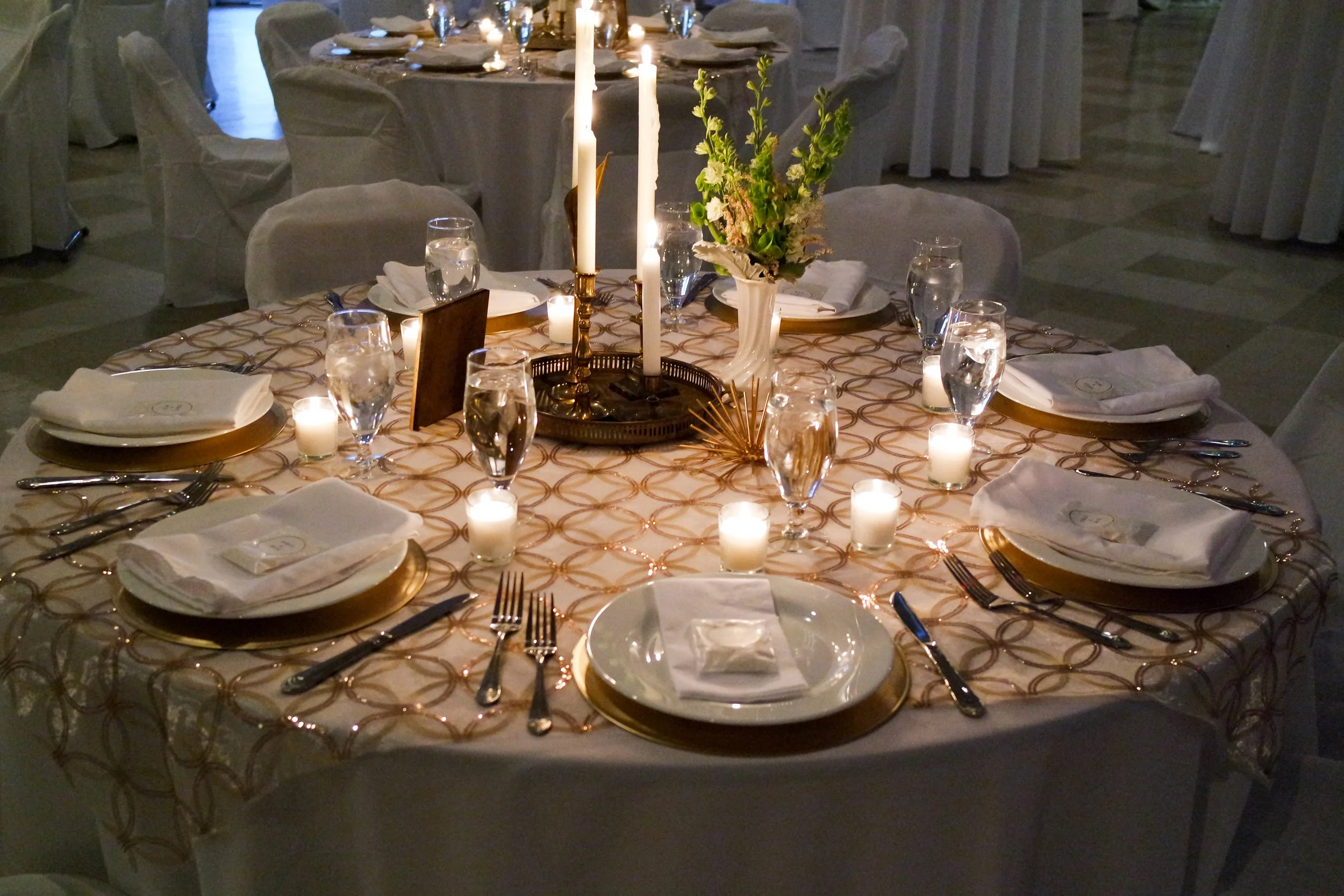
Live shows, movie nights, art openings, private parties, and corporate meetings at 20 N Main St — minutes from the University of Florida and Shands Hospital.
Stay in the Loop
Get the next show, screening, and event announcements sent to your inbox.
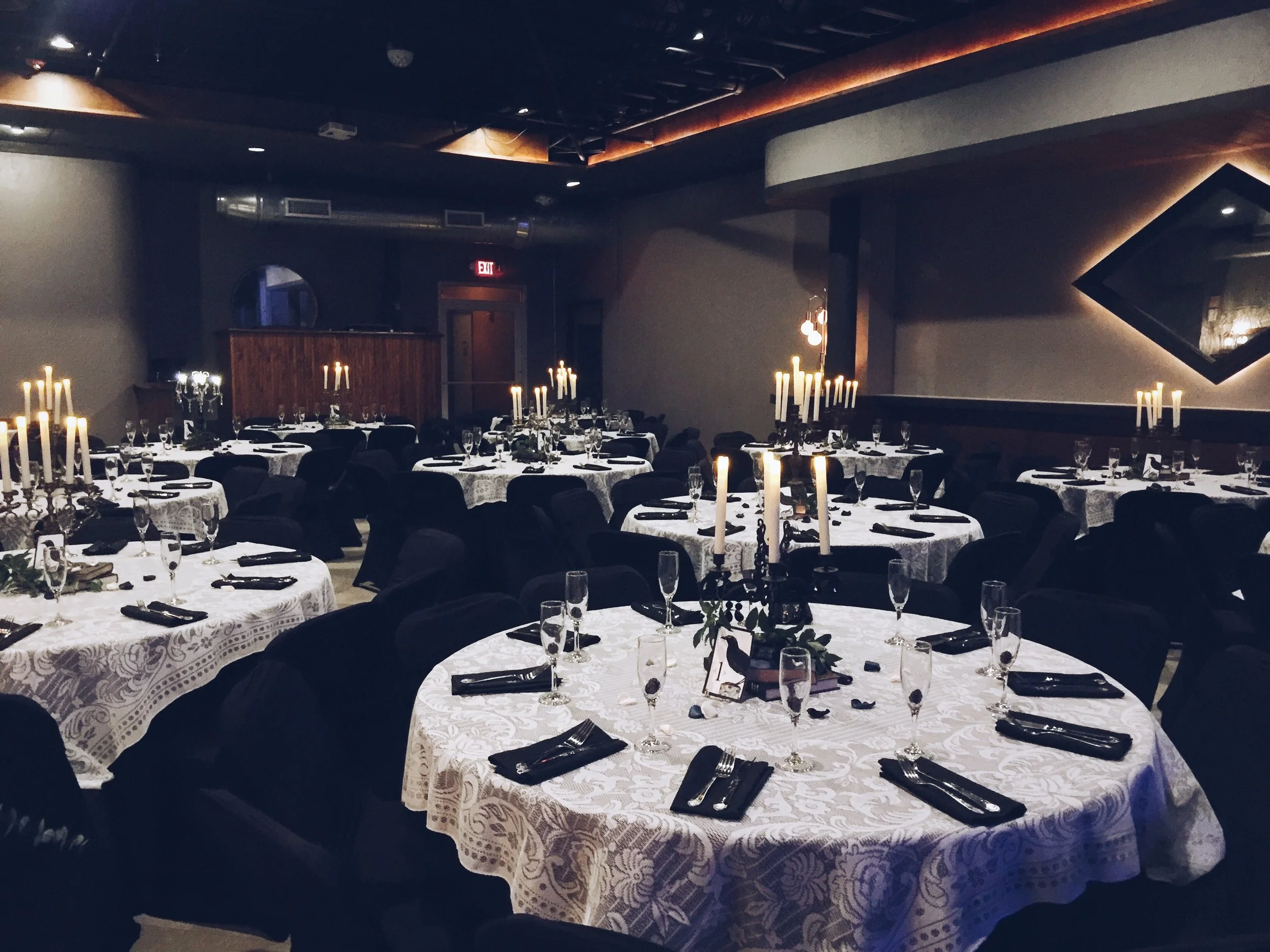
Inside the Room
A look at the stage, the floor, and the nights that move through them.

Best times of year to book The Wooly for outdoor events
The best times of year to book The Wooly for outdoor events are usually spring and early autumn, when Gainesville offers comfortable temperatures, lower storm risk and enough daylight for an outside programme. At 20 N Main Street, near the University of Florida and Shands Hospital, the venue’s flexible floor plan, professional audio-visual support and full-service bar make it equally useful when a gathering moves indoors because of rain or excessive heat.
For Australian bookers, the key adjustment is that the seasons run in opposite directions. December and January are summer holidays at home but among Florida’s mildest periods; June to August is winter in Australia and the hottest, most storm-prone stretch in Gainesville. That inversion can turn an Australian winter break into an outdoor event with more reliable weather.
Melbourne, Sydney and Byron Bay travellers often plan in Australian dollars and metric dimensions, while a Gainesville contract will be priced in US dollars and may use feet, inches, taxes and service charges. Australian event briefs can also be informal: once a date is “booked in”, attention shifts quickly to guest flow, food, music and the rain plan. “No worries” may sound casual, but the operational details still need precision.
A sensible booking strategy starts with weather, then overlays local demand. University of Florida football weekends, graduation, public holidays and the downtown arts calendar can affect price and attendance. It also helps to separate a genuinely outdoor event from one that uses only a small welcome area, since the latter may tolerate a shorter weather window.
Spring brings the safest balance of comfort and daylight
March through May is the first strong window. Daytime temperatures generally move from the low 20s into the upper 20s Celsius, humidity begins to ease after early spring, and afternoon showers become less persistent than in summer. Sunrise gets earlier and sunset gets later, giving outdoor photographs, queues and food service more usable light. Pollen can be troublesome, although it rarely forces a schedule change by itself.
Graduation and end-of-term activity rise in May, particularly around the university. A polished launch, alumni reception or private party can still work, but late-April and selected May dates should be checked against commencement traffic. For weddings, a Thursday or Sunday can reduce competition with nearby ceremonies; for corporate events, Monday to Wednesday often makes the outdoor portion easier on staff and suppliers.
For Australian planners, March and April sit neatly before the June school-holiday rush, making them workable for remote guests used to a southern-hemisphere calendar. A flexible setup can shift guests between an approved exterior welcome area and the main room. The safest spring bookings therefore combine mild weather with a firm indoor fallback rather than treating the entire event as weather-proof.
Autumn offers the strongest all-day weather
September and October are often the cleanest overall choice. Humidity is usually lower than in summer, daytime heat remains manageable, and the risk of a major tropical system is smaller, although hurricane season continues through November. The light is also useful for daytime gatherings, giving outdoor meals, photographs and guest arrivals a comfortable schedule without requiring a late finish.
Local demand is the main catch. Announced University of Florida home football weekends, especially in September and October, bring large visitor numbers, heavier traffic and pressure on parking, restaurants and accommodation. Away from those weekends, midweek autumn dates can offer better value and a calmer street environment for events near 20 N Main Street.
Many Australian families plan spring journeys during September and October, so international guests may reserve flights and hotels early. A Melbourne or Sydney group should compare the football calendar before fixing its dates, while couples familiar with Byron Bay’s relaxed celebration market may prefer a short outdoor ceremony followed by a substantial indoor reception. Prime autumn dates often need to be held six to twelve months ahead when accommodation blocks are included.
Winter is mild but comes with shorter daylight
December through February is another dependable period. Afternoons commonly reach 18–23 Celsius, nights are cooler, and hard frost is unusual. Lower heat makes this a robust window for arrivals, street-facing activity and mingling, although winter rain can still interrupt an uncovered programme. Sunset around 5:30–6:00 p.m. makes lighting, transport and accessible arrival planning especially important.
Christmas and New Year provide atmosphere but are operationally busy. Accommodation is often in demand, families travel more, and guests may have fixed departure times. Mid-January can deliver better availability and value, particularly for corporate gatherings and private celebrations. For Australian travellers, this also coincides with summer holidays, making it an easier period to combine a Florida venue with a broader North American trip.
Smaller cultural programmes can work especially well in this season. Check The Wooly’s current music and art programme before setting a date; an exhibition opening, artist session or screening tied to that calendar can encourage guests to arrive early and stay longer. In-house catering and a full-service bar make longer indoor or covered portions easier to sustain once temperatures fall after dark.
Summer requires a serious heat and storm plan
June to August is the least forgiving season for a large outdoor event. High humidity, heat often around 32–34 Celsius, intense afternoon thunderstorms and Atlantic hurricane activity all belong in the risk assessment. Direct sun and limited shade also affect staff, suppliers and older guests, even when storms do not materialise.
Outside time should be treated as a bonus rather than the sole plan. A shaded reception, short ceremony or early-evening arrival can work, provided there is properly rated shelter, protected power, drainage, accessible routes and a quick route indoors. A tent alone is not enough if wind limits are ignored or equipment cannot withstand a downpour. Any street-facing element may also require separate approval.
Summer dates can still suit a hybrid music or corporate event, but contracts should make cancellation thresholds, weather monitoring, decision deadlines and refund terms explicit. Australian groups should ask whether the venue has a tested indoor alternative rather than relying on “it probably won’t rain”, a common sentiment at home that is not a Florida risk strategy.
Match the date to the event format
Seasonal choice matters differently across formats. A wedding needs a firm ceremony and reception fallback; a film screening benefits most from a simple weather hold; an art opening may need covered arrivals more than uninterrupted outdoor time; and a concert has the greatest exposure if sound equipment or guest queues sit outside. Set the outdoor footprint for each format before comparing dates.
A hybrid design can preserve value when weather changes. The Wooly’s live streaming setup shows how production, cameras and connectivity can extend an event beyond the room, allowing remote Australian guests to participate even if the local programme moves indoors. That is particularly valuable when business hours in Sydney or Melbourne do not match an evening in Gainesville.
Professional audio-visual support, in-house catering and a full-service bar let organisers avoid adding suppliers for every contingency. Confirm exactly which areas can be enclosed or air-conditioned, how an outdoor queue will be redirected, and whether ticketing, dietary and accessibility arrangements survive a last-minute location change. A fallback only works when its guest journey has been rehearsed.
Use a seasonal booking checklist
Local competition can be as important as weather. The University of Florida semester calendar, commencement, football weekends, activity around the Shands Hospital district, public holidays and downtown festivals all change the commercial picture. Because The Wooly sits at 20 N Main Street, its central location is convenient, but parking and neighbourhood access should be checked for large crowds. A popular Saturday may fill rooms quickly, while a well-chosen weekday can deliver better value.
For pop-culture or themed events, study the programming pattern used by conventions such as Camden Comic Con: timed panels, outdoor queues, artist appearances and strong social sharing. Those patterns need predictable circulation and enough covered holding space, which can influence the date more than a small change in average temperature. Australian organisers can apply the same disciplined convention format while keeping the local tone welcoming rather than imported from a larger city.
A compact seasonal comparison gives Australian bookers a useful starting point:
| Season | Typical Gainesville conditions | Strongest outdoor-event fit | Main booking consideration |
|---|---|---|---|
| Spring | Mild to warm, variable showers, increasing daylight | Ceremonies, receptions, markets and community gatherings | Check May graduation activity and pollen |
| Summer | Hot, humid, stormy and hurricane-exposed | Brief shaded or early-evening components | Require a tested indoor and weather-hold plan |
| Autumn | Lower humidity, comfortable days and reliable light | All-day festivals, concerts, weddings and corporate events | Avoid major football weekends where possible |
| Winter | Mild afternoons, cooler evenings and occasional rain | Cultural events, private parties and holiday gatherings | Account for early sunsets and holiday pricing |
The lead time should match the complexity of the booking. Set the seasonal target, place a temporary hold, then confirm the outdoor footprint, weather policy, AV plan, catering and accessibility before paying a non-refundable balance. Quotes should state US-dollar totals, any tax or service charge, deposit terms and conversion points for Australian suppliers.
These recommendations are designed for an Australian-led booking:
- Prioritise late March through April or late September through mid-October for the strongest outdoor comfort.
- Keep January and late November available as milder alternatives when spring and autumn dates are unavailable.
- Treat June through August as a hybrid season with a fully costed indoor fallback.
- Cross-check the University of Florida calendar, public holidays, major concerts and local festivals before confirming.
- Ask for one written guest journey covering queues, shelter, accessible routes, ticketing and an indoor changeover.
- Compare total costs in US dollars, including taxes, service charges, staffing, equipment and weather contingencies.
Make the final call weather-ready
A date becomes genuinely bookable only when the weather assumption has an operational answer. Establish the exact outdoor footprint, the point at which staff will move or cancel the outside programme, who makes that call, and where power, sound, catering and accessible routes go if conditions change. These details should appear in the contract and run sheet rather than remain in informal messages.
The practical takeaway is simple: target spring or autumn first, use mild winter as the dependable alternative, and treat summer as a hybrid option with a tested indoor and streaming fallback. For an Australian team, that usually offers a better balance of guest comfort, budget and schedule resilience than chasing the smallest variation in Florida’s average temperature.
Follow the Calendar
News, ticket links, and last-minute additions posted across our channels.
Explore the Venue
Five pages covering the full run of programming and private bookings.
Browse the schedule for movie showings, live music, and art shows.
Weddings, holiday banquets, cocktail parties, and anniversaries.
Meetings, networking, luncheons, and fundraisers with AV support.
Concerts, film screenings, art showcases, and community pop-ups.
Photos from past concerts, private functions, and gatherings.