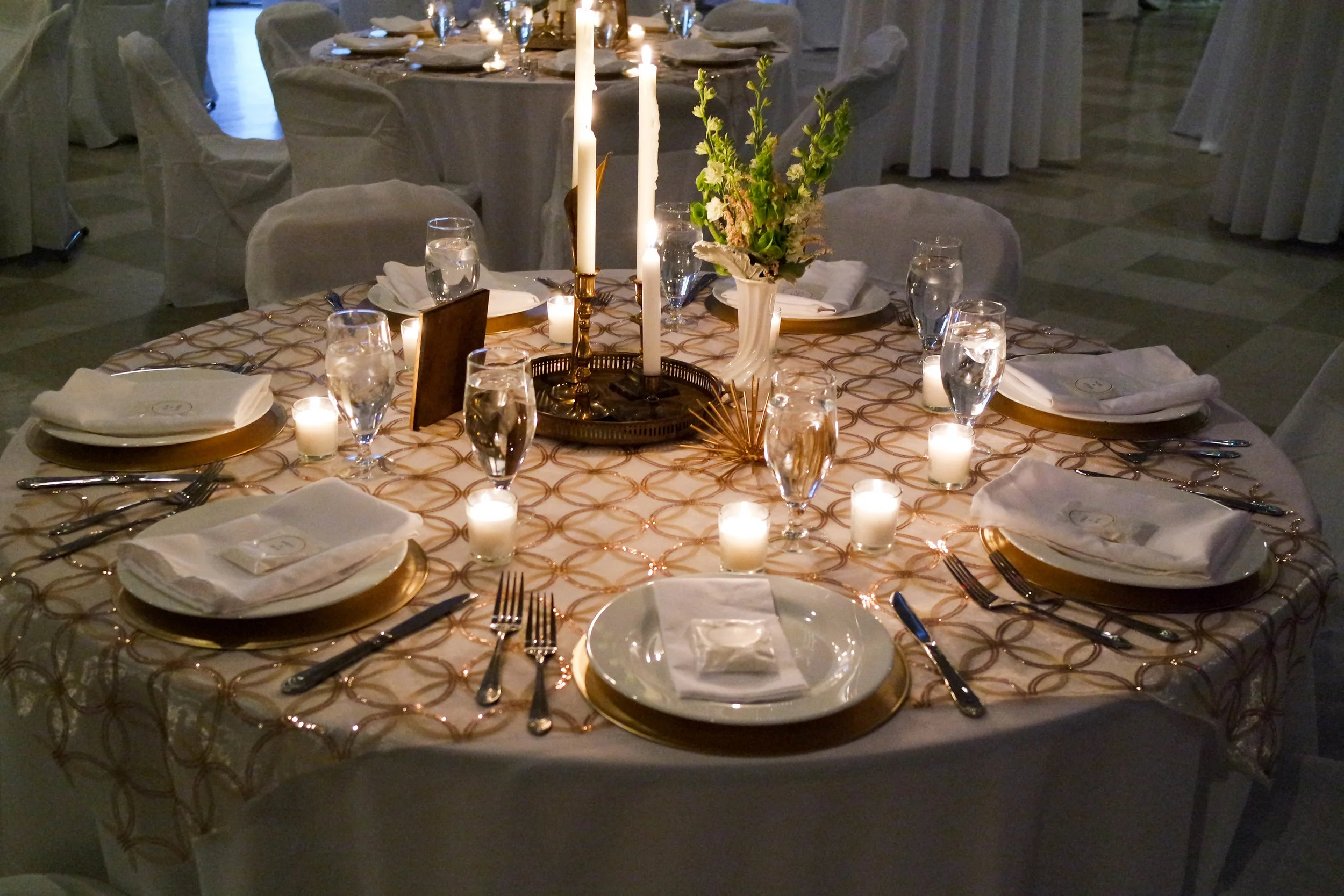
Live shows, movie nights, art openings, private parties, and corporate meetings at 20 N Main St — minutes from the University of Florida and Shands Hospital.
Stay in the Loop
Get the next show, screening, and event announcements sent to your inbox.
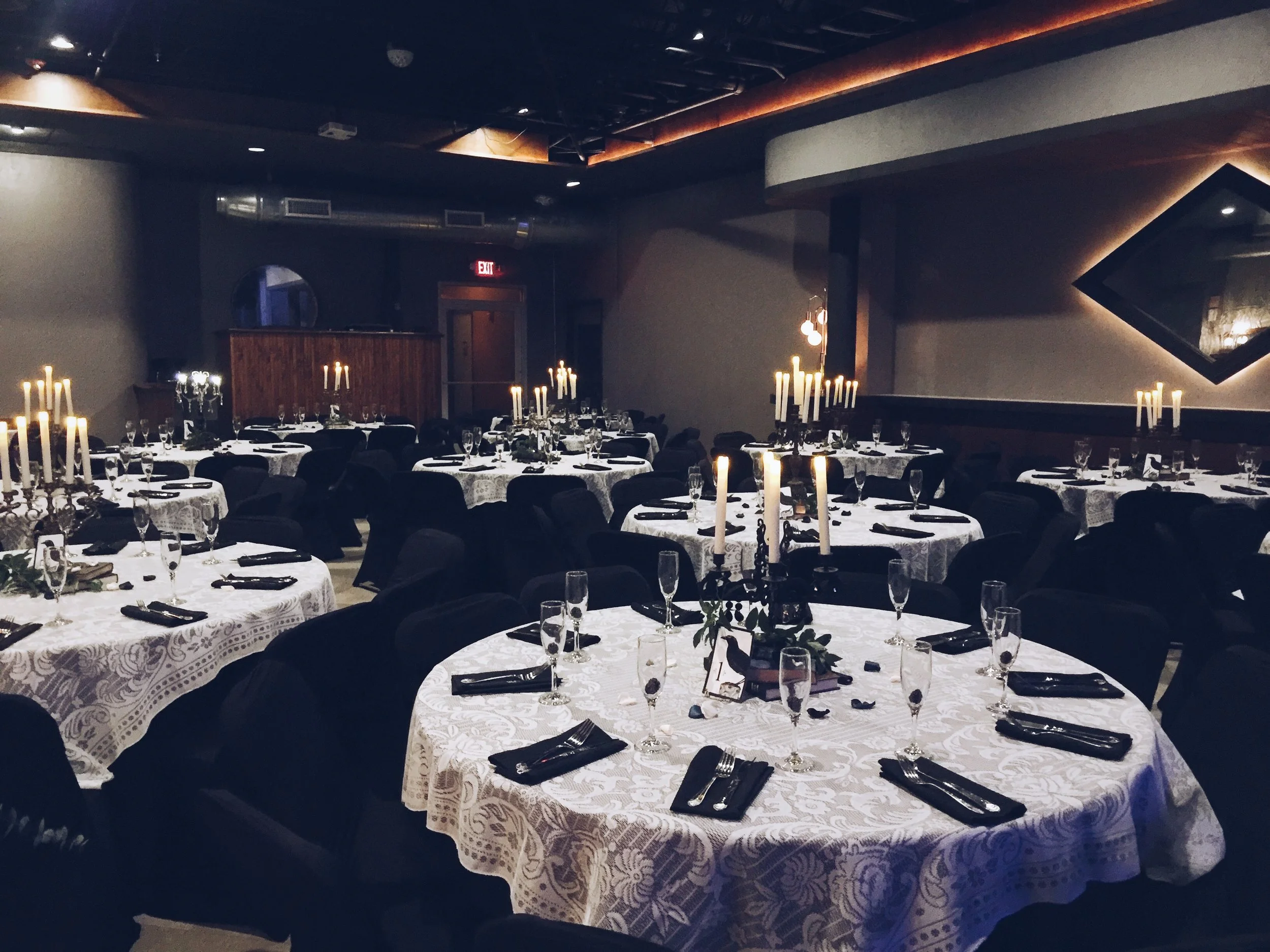
Inside the Room
A look at the stage, the floor, and the nights that move through them.
A flexible weekend of music, film and culture at The Wooly
A multi-genre event weekend works best when every part feels connected, even when the programme moves from live music to cinema, visual art, workshops or private hospitality. At The Wooly in downtown Gainesville, Florida, that connection can come from the venue itself: a flexible floor plan, professional audio-visual support, a full-service bar and catering that can adapt between sessions.
For Australian organisers, the appeal is the chance to create something more substantial than a single headline show. A visiting audience might travel from Brisbane, Melbourne or Sydney for a carefully programmed weekend, while local guests can attend one event without committing to the entire schedule. The result is a format that suits touring artists, cultural organisations, brands, universities and community groups.
The Wooly’s location at 20 N Main Street places the programme near the University of Florida and Shands Hospital, with Gainesville’s central city energy close at hand. Planning should begin with the audience journey, then move through the calendar, room setup, technical requirements, hospitality, compliance and the practical details that make a full weekend run smoothly.
Shape the audience journey before booking acts
Start by deciding what the weekend is meant to feel like. A programme built around discovery might open with a local art exhibition, move into a documentary screening and finish with a touring band. A more social format could begin with a Friday welcome party, continue with workshops and daytime films on Saturday, then close with a ticketed concert.
This sequence matters because different audiences have different energy levels and spending habits. Families may prefer an afternoon screening, students may arrive later in the evening, and industry guests might value a quieter networking session before the public programme begins. Australian audiences are familiar with festival-style scheduling, but they also expect clear timings, sensible access information and straightforward ticketing.
Allow space between formats rather than treating the venue as a machine that must operate continuously. A 30-minute reset can cover a stage change, a soundcheck, a bar transition or the movement of chairs. It also gives guests time to browse nearby cafés and restaurants around Main Street, which helps a central Gainesville weekend feel like a city experience rather than a sealed-off event.
Build a programme with distinct daily identities
Give each day a clear purpose while keeping a shared visual or editorial thread. Friday could focus on opening-night excitement, with a short film, an artist conversation and a live set. Saturday might carry the broadest mix: a creative workshop in the afternoon, an art opening before dinner and a headline concert at night. Sunday can slow the pace with a matinee, community discussion or acoustic performance.
A useful programme framework includes:
- A welcoming first event that introduces the weekend’s theme
- A daytime activity for guests who do not attend late-night shows
- A strong evening performance with clear audience appeal
- A film, talk or exhibition that adds variety between concerts
- A final event that feels complete without being exhausting
The acts should complement each other without becoming repetitive. Pair a local Gainesville performer with a touring artist, or place an experimental film beside a more accessible music set. If several genres are involved, explain the relationship in the programme copy so guests understand why the events belong together.
Pricing can also encourage movement across the weekend. Offer individual tickets for flexibility, then create a weekend pass with a modest saving. A pass might include priority entry or a reserved discussion seat rather than simply reducing every ticket price. For Australian travellers, publish all times, inclusions and venue details in one place; “doors at 7” should clearly indicate whether the performance begins at 7 or entry begins then.
Use The Wooly’s floor plan as part of the story
A flexible venue is most valuable when the layout changes intentionally. Theatre seating supports screenings, panels and talks, while a standing arrangement creates room for dancing and live music. A mixed configuration can place a small stage at one end, lounge furniture along the side and an open area near the bar for informal conversation.
Map the guest journey from the entrance to the event space, toilets, bar, seating and exit. Think about queues before doors open, merchandise during the interval and where guests will stand if a concert reaches capacity. A layout that feels exciting at 9 pm may feel confusing during a daytime workshop, so prepare a simple changeover diagram for venue staff and production crew.
Artists also need a calm, functional backstage experience. The venue’s dressing room walkthrough can help organisers understand how performers prepare, store personal items and move towards the stage. Include arrival times, hospitality, soundcheck access and who holds responsibility for keys or restricted areas.
Accessibility should be considered during the first layout discussion, not added at the end. Keep accessible routes clear, provide seating options for guests who cannot stand for long periods and make sightlines work for both seated and standing audiences. Put access information on the ticket page, including any limits created by a temporary installation or special staging.
Coordinate sound, screens and technical changeovers
Multi-genre weekends often fail in the gaps between events. A film may need precise projection and controlled ambient light, while a band needs monitors, microphones, inputs and stage power. A panel may require several table microphones and confidence monitors. Build a technical schedule that shows what stays in place, what moves and who signs off each change.
Ask for technical riders early, then group requirements into shared packages where possible. A common microphone set, adaptable lighting plot and reliable playback system can reduce changeover time. Professional audio-visual support at The Wooly gives organisers a useful foundation, but every format still needs a production conversation covering file delivery, screen ratios, volume limits, recording permissions and backup plans.
Make the show caller or production manager the single point of coordination during each event. Front-of-house staff should know when doors open, when the bar pauses service and how late arrivals are handled. Musicians, speakers and film operators should not receive conflicting instructions from several organisers.
A practical production checklist should cover:
- Artist riders, stage plots and soundcheck windows
- Film files, subtitle formats and projection tests
- Lighting states for seating, performance and changeover
- Backup playback, power and communication methods
- Equipment storage, cable runs and trip hazards
- A named decision-maker for every live session
For Australian teams, remember that a Gainesville event operates on Eastern Time, not AEST, ACST or AWST. Confirm travel days carefully, particularly when daylight saving changes affect the United States and Australia at different points in the year. A Brisbane-based producer who schedules a remote technical meeting at 10 am may be joining at an inconvenient hour in Florida, so shared calendars should show both time zones.
Make food and drinks part of the programme
In-house catering can create continuity across a long weekend. Instead of offering the same service at every event, match the menu to the mood: small bites for an opening reception, practical food for a workshop day and more substantial options before an evening concert. Keep service quick when guests have a fixed interval and allow more time when dining is part of the experience.
The full-service bar can also support different audience rhythms. A welcome drink can make the first evening feel special, while a compact menu during a film prevents queues and noise. Include non-alcoholic drinks, coffee and water in the planning from the beginning. Australian audiences increasingly expect good alcohol-free choices, and touring artists often need reliable hydration backstage.
Food labelling is particularly important when guests come from several countries and cultural backgrounds. Identify vegetarian, vegan, gluten-free and common allergen options, then brief the catering team on cross-contact concerns. If a sponsor is contributing products, decide whether the arrangement affects menu placement, signage or service timing before public materials are printed.
Do not overlook the commercial model. Decide whether catering is included in a ticket, sold separately or reserved for premium pass holders. A simple cashless or card-based process will feel familiar to Australian guests, who commonly expect tap-and-go payments, but international visitors may still need clear information about accepted cards and currency.
Manage permits, insurance and late-night responsibilities
Compliance needs its own workstream rather than a final administrative check. The programme may involve public performances, film rights, temporary installations, alcohol service, contractors, visiting artists and different crowd sizes. Confirm which responsibilities sit with the organiser and which are covered by the venue’s existing arrangements.
The Wooly’s guidance on permit and insurance advice is a useful starting point for conversations about permissions, liability and documentation. Australian organisers should avoid assuming that an Australian public liability policy automatically answers every question in the United States. Ask the broker and venue what certificates, endorsements or additional cover are required for the specific weekend.
Create a contact sheet with venue management, production, security, catering, transport and emergency contacts. Include the address, event timings, capacity assumptions and escalation procedures. Staff should know how to respond to a medical incident, lost property, disruptive behaviour, severe weather or an artist who cannot perform.
Late-night planning deserves particular attention. Set clear closing procedures for the bar, artist departure, equipment removal and guest dispersal. Gainesville’s university population can create a lively evening atmosphere, while a mixed-age programme may require different approaches across the weekend. Brief security and front-of-house staff on entry policies, age restrictions and re-entry before tickets go on sale.
Connect international artists with Gainesville audiences
A multi-genre weekend becomes more memorable when international content is presented with context rather than treated as a novelty. An Australian curator might pair a visiting electronic act with a Gainesville producer, or place a Japanese short-film programme beside a local filmmaker discussion. The connection can be artistic, geographic or thematic, but audiences should understand it through concise programme notes.
If the weekend includes Japanese music, film or design, a Tochigi cultural link may help with background research or partnership ideas. Any cultural organisation should be approached with a specific proposal: the artists involved, the dates, the intended audience, the available budget and what kind of exchange is desired. A vague request for “cultural support” is harder to assess than a defined screening, talk or performance.
Local participation should remain visible throughout the schedule. Commission a Gainesville visual artist for the campaign artwork, invite University of Florida students to a workshop or include a local support act before a touring performer. These choices help the event feel rooted in its location and can make promotion more credible among residents.
Marketing should then speak to separate audience segments without making the weekend look fragmented. Use a shared identity across posters, ticket pages and social media, but create individual event descriptions for people who only want the film, concert or exhibition. Australian organisers will recognise the value of local partnerships: community radio, university societies, independent retailers and arts newsletters often reach specialist audiences more effectively than broad paid advertising.
Turn the schedule into an operating document
Once the programme is agreed, convert it into a master run sheet. Include load-in, artist arrival, catering delivery, technical checks, doors, performance times, intervals, changeovers, cleaning, ticket scanning and final lock-up. Add a separate public version with only the information guests need, because staff instructions and audience messaging should not be confused.
Build in realistic travel assumptions. Artists arriving from Australia may face a long journey through major hubs, baggage delays and a substantial time-zone adjustment. Even domestic US travel can shift plans, so avoid placing an international artist’s soundcheck immediately before a headline set. Keep a local substitute or flexible programme element available if a speaker, film file or support act is delayed.
Review the weekend as a sequence of experiences, not just a list of bookings. Check whether guests can eat, rest, find information and move comfortably between formats. Confirm that the venue team has the final schedule, contact list, floor plans, technical documents and approved copy at least several days before doors open.
The next step is to draft a three-day run sheet for The Wooly with one proposed layout, one changeover window and one named lead for each event.
Follow the Calendar
News, ticket links, and last-minute additions posted across our channels.
Explore the Venue
Five pages covering the full run of programming and private bookings.
Browse the schedule for movie showings, live music, and art shows.
Weddings, holiday banquets, cocktail parties, and anniversaries.
Meetings, networking, luncheons, and fundraisers with AV support.
Concerts, film screenings, art showcases, and community pop-ups.
Photos from past concerts, private functions, and gatherings.