
Live shows, movie nights, art openings, private parties, and corporate meetings at 20 N Main St — minutes from the University of Florida and Shands Hospital.
Stay in the Loop
Get the next show, screening, and event announcements sent to your inbox.
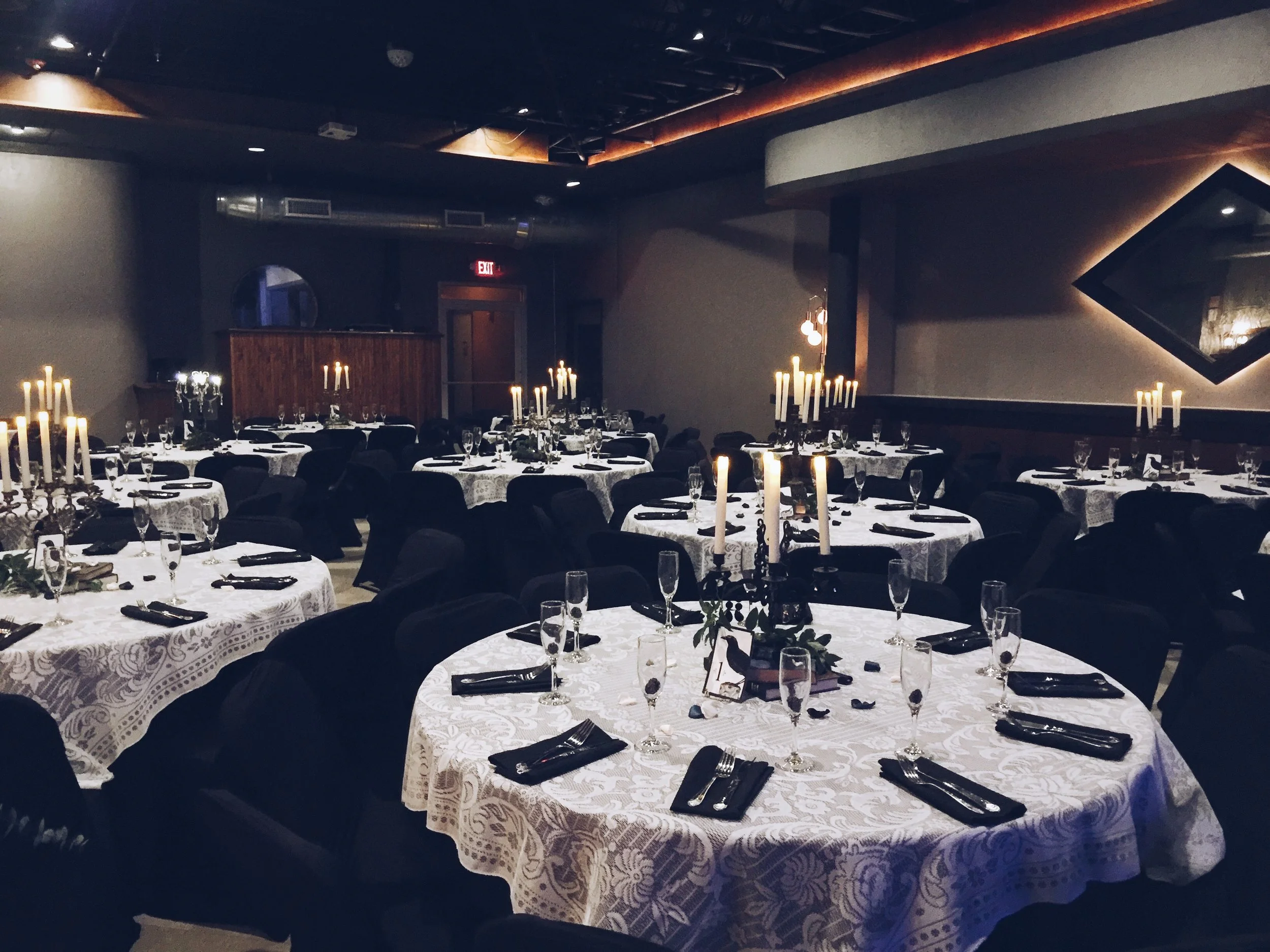
Inside the Room
A look at the stage, the floor, and the nights that move through them.
Australian Event Permits and Insurance Advice from The Wooly
When planning a gathering in Australia, the regulatory landscape can feel like a maze of council forms, state regulations, and insurance fine print. Event organisers from Brisbane to Perth regularly juggle requirements from local governments, state authorities, and federal bodies, often while managing tight timelines and rising costs. The team at The Wooly, a versatile venue in downtown Gainesville, has worked through similar compliance challenges in the United States, and the principles that keep their events running smoothly translate directly to Australian shores.
Australian audiences often pride themselves on a fair go approach to business, but local councils maintain strict oversight on public assemblies, noise levels, and patron safety. Whether you are hosting a wedding in a Surry Hills warehouse, a corporate function in Fortitude Valley, or a community screening in a regional hall, the permit process is non-negotiable. Understanding the difference between a one-off event approval and an ongoing license can save thousands in fines and prevent last-minute cancellations.
Insurance is another area where corners are regularly cut by inexperienced organisers. Public liability coverage in Australia typically starts at $20 million for many public events, though some councils demand $50 million or more for high-risk gatherings. Workers compensation, professional indemnity, and cancellation cover each serve distinct purposes, and confusing them can leave gaping holes in protection. The Wooly treats insurance as a core operational expense rather than an administrative burden.
The following sections break down the key categories of permits and policies, drawing on insights that apply whether you are operating in Fitzroy, Newtown, or Fremantle. Each area requires careful documentation, realistic timelines, and a willingness to engage with regulators early. By adopting a systematic approach, Australian event planners can avoid the common pitfalls that catch out first-time organisers and established venues alike.
Mapping out the permit landscape across Australian councils
Local councils hold the primary authority over most small to medium events held in public spaces or temporary structures. In New South Wales, an application to the City of Sydney or Inner West Council typically requires a minimum of 90 days lead time for events serving alcohol, while Victorian councils like the City of Melbourne often demand even longer windows for road closures. Queensland's Brisbane City Council has streamlined many applications through its online portal, but still requires detailed site plans and waste management strategies.
The first step involves determining whether your event needs a one-off permit, an occasional license, or a full venue authorization. Pop-up activations in Melbourne's laneways might only require a temporary trading permit, whereas a multi-day festival in regional Victoria could trigger requirements from the state liquor authority and local police. The Wooly team emphasises that early engagement with council officers prevents misunderstandings about zoning, capacity, and noise restrictions. Their flexible floor plan has accommodated everything from film screenings to weddings, but each configuration requires its own approval pathway.
Regional variations are significant. South Australian councils tend to be more flexible with alcohol service in private venues, while Western Australian authorities strictly enforce dry area provisions in certain suburbs. The Northern Territory has unique considerations around alcohol management plans, particularly in remote communities. Understanding these nuances helps organisers avoid submitting applications to the wrong authority or underestimating the documentation required.
Why public liability cover is the non-negotiable foundation
Public liability insurance is the bedrock of event risk management, protecting organisers against claims of injury or property damage. Most Australian venues require hirers to hold at least $20 million in coverage, with high-risk events like music festivals or sporting competitions often demanding $50 million or more. The Wooly maintains comprehensive coverage for every booking, understanding that a single claim can bankrupt a small business or end a community project permanently.
The cost of public liability varies wildly based on event type, attendance numbers, and activities involved. A corporate meeting in a Brisbane boardroom might cost $300 annually, while a one-day festival could see premiums exceeding $5,000. Factors like the presence of amusement rides, animals, or alcohol service significantly increase risk profiles. Industry resources such as emergency planning frameworks can help organisers assess their specific exposure before approaching insurers.
When selecting a policy, organisers must scrutinise the fine print for exclusions related to weather, pandemic cancellations, or alcohol-related incidents. Some insurers exclude coverage for events serving liquor after 1am, or for activities involving jumping castles and similar attractions. The Wooly recommends working with brokers who specialise in event coverage rather than general business insurance, as the latter often lacks critical event-specific protections. Workers compensation is another essential layer, particularly for events employing staff, contractors, or volunteers.
Liquor licensing and responsible service requirements
Responsible Service of Alcohol certification is mandatory for anyone serving, supplying, or managing alcohol at licensed events across Australia. The requirements vary by state, with NSW requiring completion of an approved training course before applying for a liquor license, while Victoria demands RSA training within three months of employment. Queensland has implemented stricter rules around the service of alcohol at temporary events, including mandatory RSA marshals for large functions.
The Wooly's full-service bar operation in Florida mirrors the compliance requirements of Australian venues, with staff trained to check identification, monitor patron behaviour, and refuse service to intoxicated guests. In Australia, penalties for RSA breaches can exceed $20,000 for individuals and reach millions for corporations, making proper training a financial necessity. Many councils also require incident registers, security personnel ratios, and detailed plans for managing intoxicated patrons.
Temporary event liquor licenses are available in every state, but the application processes differ significantly. The Victorian Commission for Gambling and Liquor Regulation processes most applications within 90 days, while NSW's Liquor and Gaming NSW offers expedited processing for low-risk community events. Applicants must demonstrate responsible hosting practices, adequate security, and transport arrangements for patrons. For comprehensive venue options and visual references of compliant event setups, The Wooly's event gallery showcases configurations that meet stringent safety standards.
Risk management and safety compliance on the day
A thorough risk assessment is the cornerstone of safe event execution, identifying potential hazards before they materialise into incidents. Australian organisers must consider everything from crowd movement and emergency egress to weather contingencies and medical provision. The Wooly conducts pre-event walkthroughs with clients to map evacuation routes, identify pinch points, and establish communication protocols with security staff.
Bushfire season poses unique challenges for outdoor events in New South Wales, Victoria, and South Australia, with total fire bans often forcing last-minute cancellations. Event organisers must monitor fire danger ratings, establish clear cancellation triggers, and communicate contingency plans to ticketholders. Similarly, the ongoing threat of communicable diseases requires flexible cancellation policies and clear health screening protocols. The Wooly's experience with rapid pivots during the pandemic offers valuable lessons in operational resilience.
Security personnel ratios are strictly regulated, with most states requiring at least one guard per 100 patrons at licensed events. New South Wales and Queensland also mandate specific qualifications for crowd controllers, including first aid certification. Medical coverage, ranging from basic first aid officers to full ambulance presence, must be scaled to event size and risk profile. The Wooly coordinates closely with local authorities and emergency services to ensure compliance, a practice that translates directly to Australian requirements.
Music licensing, copyright, and creative compliance
Playing music at events in Australia requires licenses from APRA AMCOS and PPCA, even for live performances by local artists in private venues. The licensing framework ensures songwriters and performers are compensated when their work is played publicly, with fees varying based on venue capacity, event duration, and whether music is live or recorded. The Wooly works closely with performance rights organisations in the United States, navigating a system that shares many similarities with Australia's approach.
Live music events face additional compliance layers, including council noise restrictions and neighbour notification requirements. Venues in mixed-use areas like Surry Hills or Fitzroy often face strict decibel limits, requiring sound limiting devices and acoustic treatments. The Wooly's professional audio-visual support team ensures levels remain within acceptable ranges, a practice that prevents disputes and regulatory action. Organisers should also consider copyright clearances for any visual content, including film screenings and video presentations.
For events featuring multiple performers or extensive recorded music, blanket licensing through APRA AMCOS simplifies compliance. The annual fee structure covers most public performance rights, though specific exclusions apply for certain venues and event types. When hosting international touring artists, organisers must also consider visa requirements and work rights, which can impact insurance and liability profiles. The Wooly's calendar of concerts and community events demonstrates how proper licensing enables diverse programming without legal exposure.
Building a practical compliance checklist
Successful event execution relies on systematic preparation, with permits and insurance forming just two pillars of a broader operational framework. The following recommendations help Australian organisers establish robust compliance foundations while maintaining the flexibility to adapt to changing circumstances. Drawing on practices refined at venues like The Wooly, these strategies reduce stress and prevent costly oversights.
- Engage with local council officers at least 120 days before the event to discuss permit requirements, site restrictions, and submission timelines. Early dialogue identifies potential issues and demonstrates professional intent.
- Obtain quotes from at least three specialist event insurance brokers to compare coverage levels, exclusions, and premium structures. General business policies often lack critical event-specific protections.
- Verify that all staff and volunteers hold current RSA certification and that training records are documented and accessible during inspections.
- Prepare a detailed risk assessment that includes weather contingencies, medical provisions, and security arrangements, sharing this document with council officers and emergency services.
- Secure all necessary music and film licenses well in advance, keeping records of payments and correspondence readily available for regulatory review.
- Establish clear internal protocols for incident reporting, refund processing, and communication with stakeholders, ensuring the team can respond quickly to unforeseen challenges.
- Review insurance coverage annually or whenever the event format changes significantly, as outdated policies can leave organisers exposed to emerging risks.
Following these steps creates a compliance framework that scales from intimate gatherings to large-scale productions. Coordinated vendor management, including partnerships with established providers like specialty catering services, further strengthens operational resilience. Many Australian organisers overlook the importance of aligning food and beverage vendors with their permit conditions, leading to compliance gaps on the day. Clear documentation and shared timelines keep every stakeholder accountable.
The insights shared by The Wooly highlight a universal truth in event management: preparation prevents problems. Australian organisers who invest time in understanding local regulations, securing comprehensive insurance, and documenting their compliance efforts create safer experiences for guests and more sustainable businesses for themselves. The regulatory environment may seem daunting, but it exists to protect everyone involved, from the performer on stage to the neighbour next door. By treating permits and insurance as essential investments rather than administrative burdens, event professionals across Australia and beyond can focus on what truly matters, creating memorable moments that bring communities together.
Follow the Calendar
News, ticket links, and last-minute additions posted across our channels.
Explore the Venue
Five pages covering the full run of programming and private bookings.
Browse the schedule for movie showings, live music, and art shows.
Weddings, holiday banquets, cocktail parties, and anniversaries.
Meetings, networking, luncheons, and fundraisers with AV support.
Concerts, film screenings, art showcases, and community pop-ups.
Photos from past concerts, private functions, and gatherings.