Live shows, movie nights, art openings, private parties, and corporate meetings at 20 N Main St — minutes from the University of Florida and Shands Hospital.
Stay in the Loop
Get the next show, screening, and event announcements sent to your inbox.
Inside the Room
A look at the stage, the floor, and the nights that move through them.

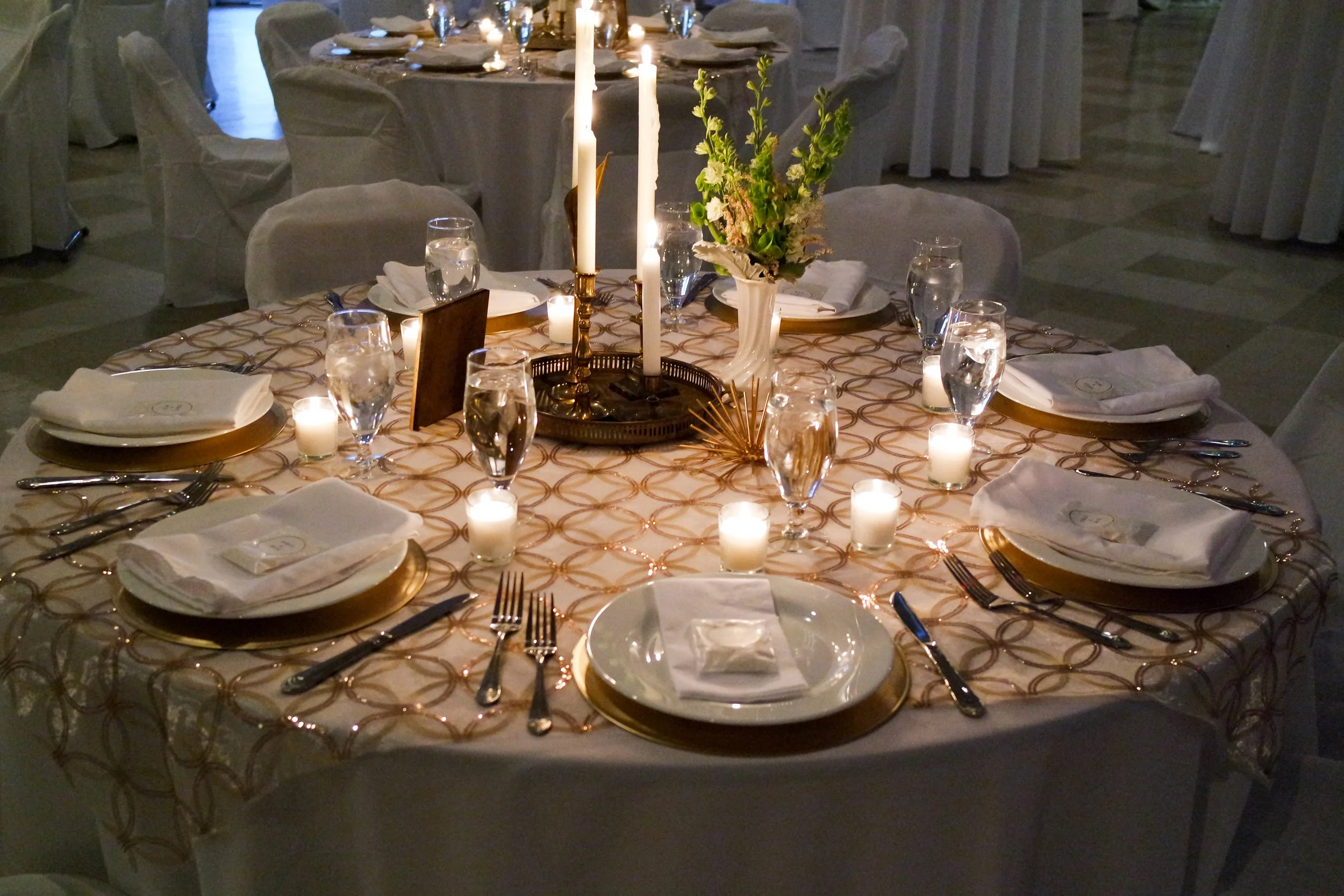
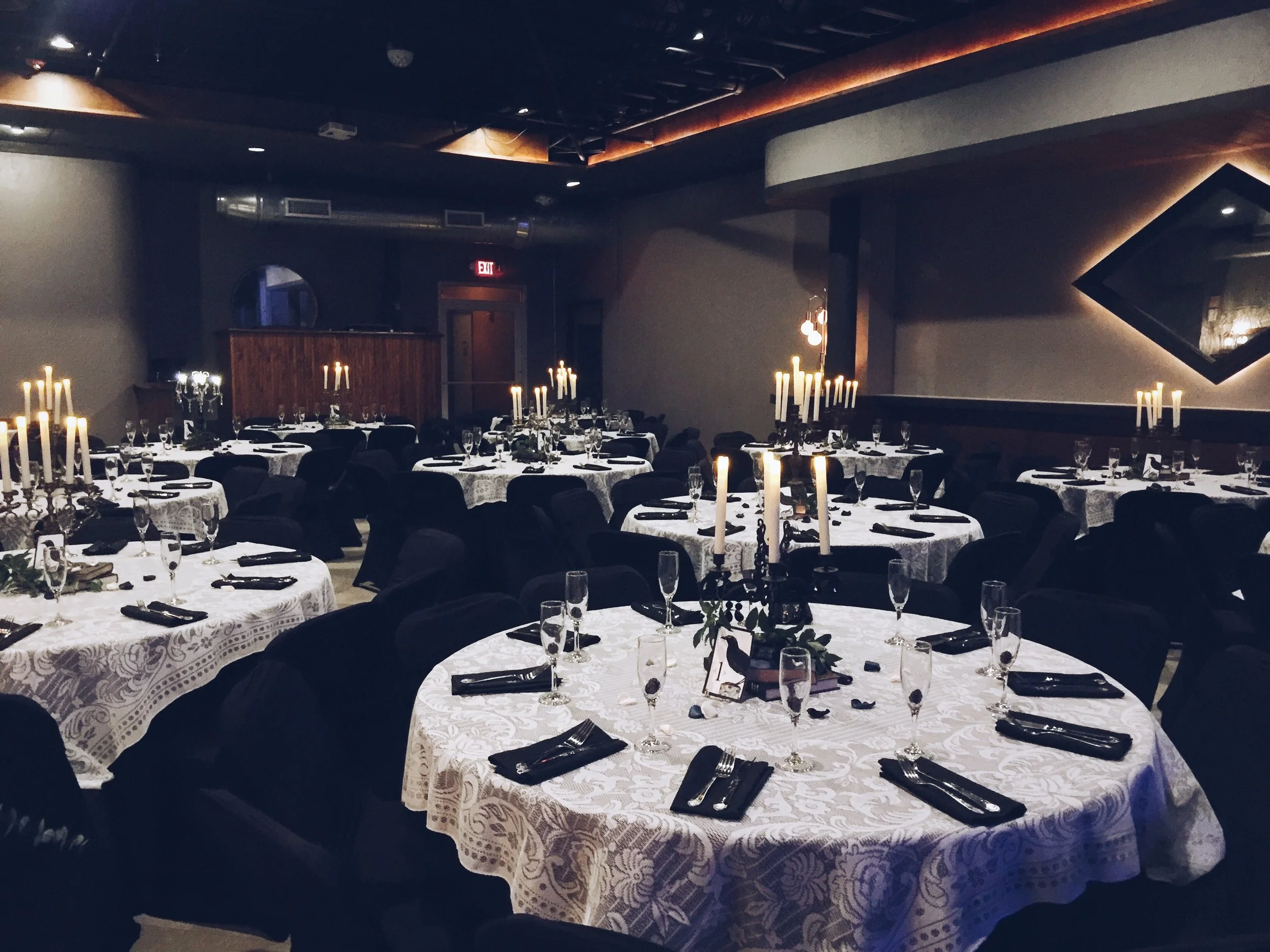
A One-Room Wedding at The Wooly
The Wooly gives a wedding party the chance to turn one downtown Gainesville room into two distinct experiences without asking guests to move elsewhere. A ceremony can begin among formal seating, then give way to dinner, speeches, dancing and late-night celebration in the same space. At 20 N Main Street, the venue sits close to the University of Florida and Shands Hospital, making it practical for local guests and visitors staying around central Gainesville.
Success depends on treating that transformation as a designed sequence rather than an improvised reset. Flexible seating, professional audio-visual support, in-house catering and a full-service bar provide the foundations, while the couple sets the atmosphere through music, florals and lighting. This guide explains how to plan a ceremony and reception in one room, choose an efficient layout and rehearse the transition so the shared space feels intentional throughout the day.
Plan the room around one continuous celebration
Start with the guest journey, not an empty floor plan. Sketch where people arrive, where the ceremony will be heard, how catering staff enter and where the bar queue forms. A workable one-room plan needs clear zones for waiting, vows, dining, speeches and dancing, with enough separation to prevent service traffic from crossing the aisle. Mark those zones on the floor plan and keep the route from ceremony seating to the bar as direct as possible.
Check the room against the guest list early, especially if relatives use mobility aids or guests need seating with clear sightlines. Confirm step-free access, restroom locations, power outlets, lighting positions and cable routes with the venue rather than assuming an open room can absorb every arrangement. Florida heat also makes air-conditioning and a shaded waiting area worth discussing, particularly for visitors arriving from another Australian climate.
The Wooly’s calendar of upcoming events gives couples a practical glimpse of the space in active use and the type of atmosphere its programming can create. Couples based in Sydney, Melbourne or Brisbane often choose destination celebrations for their urban energy, so a compact central venue can feel familiar while still providing a clear reason to gather in Gainesville. Build the supplier schedule around local arrival times, not a generic wedding-day template.
Design the ceremony for the room and legal details
Choose a ceremony arrangement that suits the room and the personalities involved. Forward-facing rows feel conventional and make an aisle easy to define; an intimate cluster can feel warmer but may complicate guest comfort. If the plan uses an arch, aisle runner or floral installation, confirm in advance what can be fixed, what must stand unsupported and how those pieces can remain in place without obstructing service routes or later dining.
Sound deserves as much attention as decoration. Test speech coverage at the quietest and furthest seat, and use the venue’s professional audio-visual support for the officiant, music cues, speeches and any amplified performance. Programming from a complex live event such as the Camden Comic Con programme offers a useful discipline: every sound check, lighting cue and timed walk-on belongs on one production sheet.
Legal paperwork should be handled separately from the visual plan. Florida uses its own marriage-licensing and officiant rules, so confirm the required documents, waiting periods and return process with the relevant local authority. In Australia, civil marriage is generally conducted under the federal Marriage Act 1962 by an authorised celebrant, with registration details handled through the relevant state or territory. Couples or guests travelling from Australia should obtain certified records where required and allow time for apostille or translation work.
Compare practical one-room layouts
A single-room wedding works best when the seating strategy supports both halves of the day. The strongest choice depends on guest numbers, the shape of the room, the size of the party and whether a band or DJ needs a defined performance area. Compare these arrangements with the service route and the full programme, not only with the ceremony photograph in mind.
| Arrangement | Guest experience | Best for | Main watch-out |
|---|---|---|---|
| Forward-facing ceremony rows reversed for dining | Formal and easy to understand, with a direct transition into dinner | Larger guest lists and a traditional ceremony | Reversing chairs and linen can consume the reset window |
| Ceremony at one end of the room | Strong sense of occasion without leaving the venue | Cocktail-style receptions and room-wide dining | Speech visibility and guest-to-stage distance need testing |
| Central ceremony island | Dramatic and inclusive, with guests gathered closely | Small groups and couples who want theatre | Sightlines can be blocked, and an amplified microphone is essential |
| Loose ceremony seating converted in place | Relaxed and conversational | Informal celebrations with flexible guest movement | Floral placement, catering access and chair storage need a clear plan |
The ceremony-forward arrangement usually offers the most efficient reset because the same footprint becomes the dining area. The island option creates stronger atmosphere, but it asks more of the sound system and requires every guest to turn toward the centre. Test a scaled floor plan with the real guest count, including standing areas at the bar and the space reserved for speakers, cake, gifts and musicians. A drawing that looks balanced on paper can become congested once coats, handbags and service trays are included.
Keep any external venue research link alongside direct venue confirmation; only current information from The Wooly should determine capacity and permitted arrangements. Ask for current capacity, permitted layouts, furniture inventory, load-in access, staffing, audio-visual costs and any restrictions on décor, candles, alcohol or outside suppliers. The venue’s flexible floor plan is a starting point, not a substitute for a measured plan checked against your guest list.
Transform the ceremony setup into the reception
Turn the transition into part of the entertainment. During the ceremony, move cocktail seating, ceremony chairs, signage and service equipment in a pre-planned order rather than waiting for the vows to end. The reception reset should have named leads for the room, florals, sound and catering, each with a five-minute checkpoint. If the ceremony ends with a dramatic final song, the reset can begin beneath it without making guests feel hurried.
Floor markings can make the changeover clearer. Keep cocktail tables in place with small floral markers, then add or reveal dining tables after the ceremony. A gradual lighting shift—from ceremony brightness to warmer dinner tones to party lighting—helps guests read the change in atmosphere. Retain a direct route to the full-service bar, and provide a generous water station so people do not all move toward the bar at once as the meal begins.
Plan the reception around how Australian guests actually move through a wedding day. Long lunches, extended speeches and time spent catching up with friends are familiar rhythms, so a reception that begins with a long cocktail period may feel unnecessarily slow. A welcome drink, seated meal and relaxed dance period often suit Australian social habits better. Since alcohol licensing in Australia varies by state and territory, many couples are accustomed to different service models; clear drink pricing, non-alcoholic choices and safe transport information remove uncertainty for interstate and overseas visitors.
Pair the menu and bar with Australian expectations
Use the venue’s in-house catering as a single source for menu planning, service timing and the relationship between food and room turnover. Before selections are finalised, use The Wooly’s food tasting guide to understand the tasting process. Choose dishes that work well after a ceremony, can be served efficiently to seated guests and remain appealing in Gainesville’s warm climate. Schedule bites during the transition, then begin the main service once the room reset is complete.
Australian wedding markets have strong local networks of florists, photographers, make-up artists, celebrants and caterers, particularly around Sydney, Melbourne and Brisbane. That makes it tempting to assemble every element remotely, yet a Florida venue benefits from local knowledge about seasonality, delivery windows and humidity-sensitive flowers. Ask florists to choose varieties that hold their shape, and keep final quantities aligned with the confirmed menu and guest count. Budget in Australian dollars when comparing quotes from home, but pay local suppliers in the currency stated in their contracts.
Bar service should be described with the same precision as the menu. Establish whether packages are per guest or consumption-based, what is included, when the bar opens and closes, and how the team will manage service during speeches. Coordinate dietary requirements directly with in-house catering, including allergies, vegetarian or vegan choices and preferences that are important to particular guests. Label options clearly and place non-alcoholic drinks where they are equally visible, not tucked behind the main bar.
Lock the details and rehearse the changeover
Use a shared production schedule for the entire day. It should name the couple, planner, venue lead, caterer, audio-visual operator, florist, celebrant and any entertainment supplier, with mobile numbers, arrival times, payment status and approvals in one place. The venue’s private events information is the appropriate place to start a direct conversation about layout, staffing and current availability. Final numbers, accessibility needs, music restrictions, ceremony documents and weather contingencies should all have an owner and a deadline.
- Draw the room at true scale with every guest, chair, aisle, service station and equipment case included.
- Set a timed changeover plan with one lead for seating, décor, catering, sound and guest movement.
- Run the audio-visual cues as a single script, including ceremony music, microphone checks, speeches and the reception transition.
- Taste the menu against the actual service window and confirm dietary requirements with names, not broad labels.
- Rehearse the ceremony-to-reception reset with the venue and key suppliers before the final dress rehearsal.
- Review legal paperwork, licences, accessibility, payment balances and weather plans again two weeks before the wedding.
Treat the room as one continuous guest journey rather than two events sharing a floor. A measured plan, a clear cue sheet and a rehearsed reset allow the ceremony to feel calm, the reception to arrive on time and the team to respond confidently when real-world timing changes. The practical takeaway is straightforward: agree every transition before the guests arrive, then give each team member one version of the plan.
Follow the Calendar
News, ticket links, and last-minute additions posted across our channels.
Explore the Venue
Five pages covering the full run of programming and private bookings.
Browse the schedule for movie showings, live music, and art shows.
Weddings, holiday banquets, cocktail parties, and anniversaries.
Meetings, networking, luncheons, and fundraisers with AV support.
Concerts, film screenings, art showcases, and community pop-ups.
Photos from past concerts, private functions, and gatherings.