Live shows, movie nights, art openings, private parties, and corporate meetings at 20 N Main St — minutes from the University of Florida and Shands Hospital.
Stay in the Loop
Get the next show, screening, and event announcements sent to your inbox.
Inside the Room
A look at the stage, the floor, and the nights that move through them.

A Food Tasting Guide For The Wooly’s In-House Catering
Choosing event food is easier when you treat a tasting as a working session rather than a parade of attractive plates. At The Wooly in downtown Gainesville, the tasting can help you assess flavour, portion size, service style, dietary flexibility, and how the menu will perform in a busy room. Those details matter whether you are organising a wedding, company gathering, film screening, private celebration, or live music night.
For Australian planners, the process may feel familiar but the setting has its own rhythm. The Wooly is near the University of Florida and Shands Hospital at 20 N Main Street, while many guests may be travelling from different parts of Gainesville or arriving around a packed event calendar. A thoughtful tasting gives you a clearer sense of how the venue’s in-house catering fits the occasion, the guest list, and the timetable.
What A Tasting Should Tell You
A useful tasting should answer practical questions before it focuses on personal favourites. You want to know how the food tastes when served in the intended format, whether portions feel appropriate, and how quickly dishes can be replenished. A canapé that is excellent when eaten immediately may be less successful if guests need to hold it while chatting, watching a film, or moving between the bar and performance area.
Ask the catering team to explain which items are designed for passed service, buffet presentation, stations, plated meals, or shared tables. These formats create different expectations. A buffet needs food that remains appealing throughout the service window, while plated courses depend on precise timing. Small bites need to be easy to eat without cutlery, particularly at a concert or networking event where guests are standing.
It is also worth asking what the tasting represents. Some dishes may be samples rather than exact final portions, and seasonal ingredients may change. Confirm whether the final menu will use the same recipes, garnishes, serving vessels, and staffing approach. This prevents a mismatch between a carefully styled tasting plate and the food guests receive on the night.
Build A Balanced Tasting Plate
Start with a broad selection instead of ordering several versions of the same kind of dish. A balanced tasting might include one fresh or vegetable-led item, one warm savoury bite, a substantial main or buffet option, a starch or grain-based side, and a dessert. This makes it easier to judge variety across the full menu rather than selecting five rich options that become repetitive.
Look for contrast in colour, temperature, texture, and seasoning. A creamy dish may need something crisp or acidic beside it. Rich meat or cheese-based items can be balanced by herbs, citrus, pickled vegetables, or a bright salad. Guests usually enjoy a menu more when there is a clear progression from light bites to filling food, rather than a table where every option feels heavy.
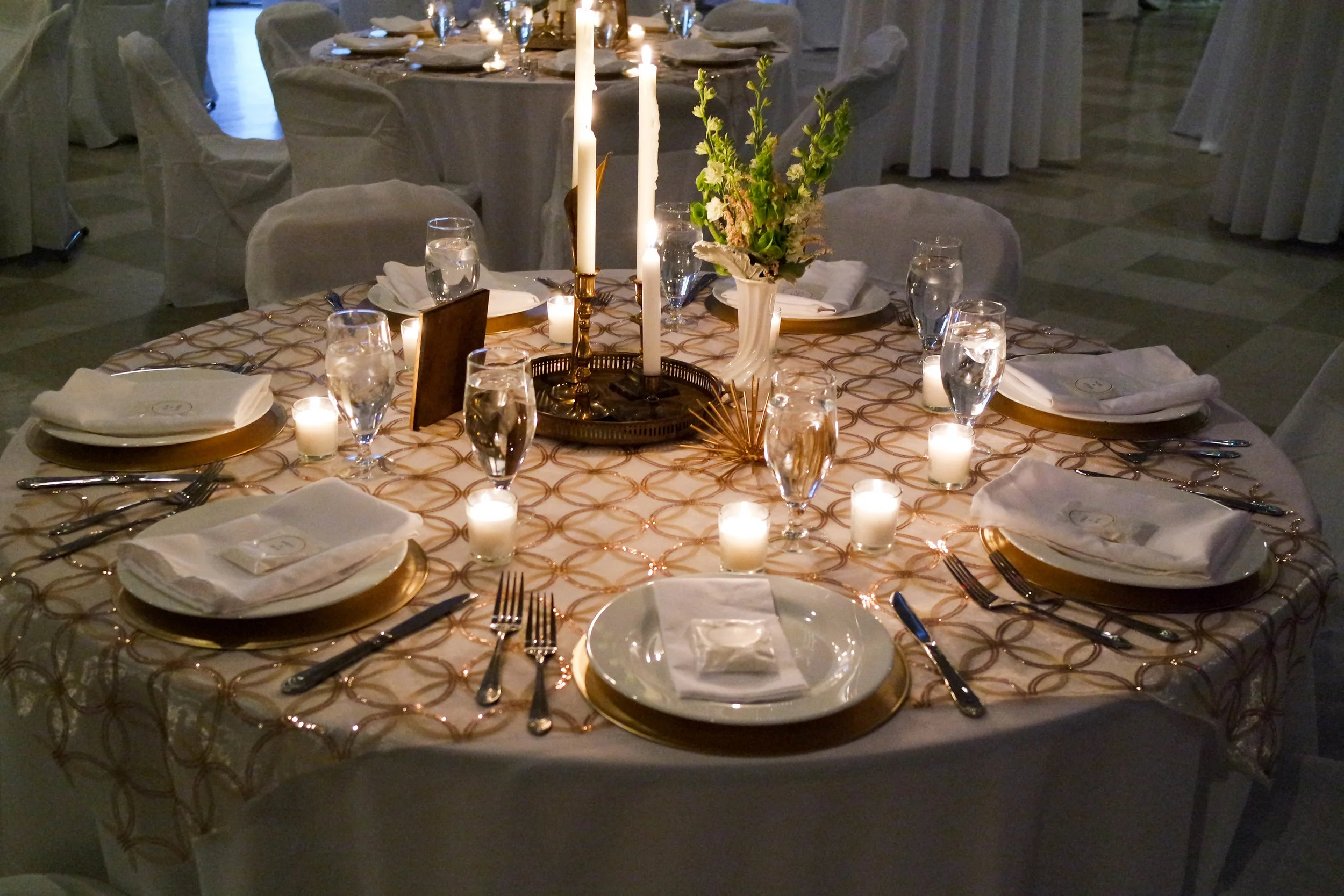
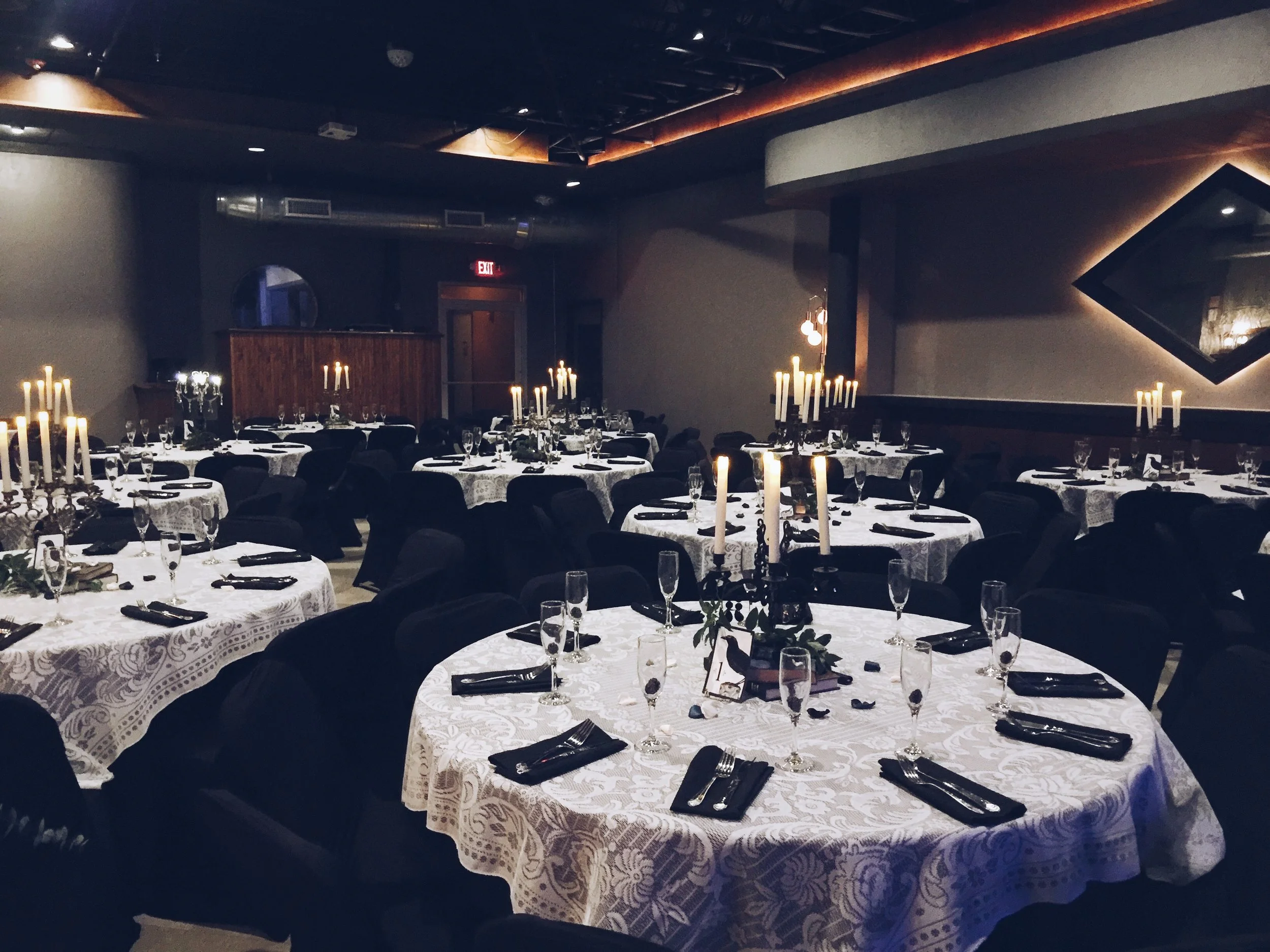
A grazing table can be visually generous, but presentation should support service rather than create unnecessary congestion. Check whether guests can reach the food from both sides, whether serving utensils are obvious, and whether delicate items will survive a long reception. The venue’s gallery can help you picture the room, table arrangements, and visual atmosphere when considering how a food display may work alongside décor and guest movement.
Read Flavour And Texture
During the tasting, take notes while the food is still warm and again after a few minutes. Temperature affects seasoning, aroma, crispness, and perceived richness. A fried appetiser may be impressive straight from the kitchen but lose its appeal if it sits under a heat lamp. A braised dish may improve as it rests, while a salad may become less fresh once dressed.
Pay attention to the finish of each bite. Does the seasoning stay balanced, or does salt, sweetness, chilli, or smoke dominate? Is the meat tender enough for the proposed service style? Are vegetables cooked with some structure? Can guests identify the main ingredients without needing a detailed explanation? These questions are especially helpful when a menu includes several dishes with similar sauces or garnishes.
Texture is often the difference between food that feels polished and food that feels merely adequate. Test whether bread remains pleasant with a dip, whether a canapé can be eaten neatly, and whether a dessert is too fragile for a standing reception. Australian guests are accustomed to relaxed but well-organised catering, from Melbourne gallery openings to Brisbane rooftop functions, so food should feel generous without becoming awkward to handle.
Match Food To Event Rhythm
The right menu depends on what guests are doing. At a wedding, people may arrive hungry after photographs and need substantial food during a clearly defined meal period. At a corporate meeting, food may need to support conversation, presentations, and short breaks. For a concert or community event, portable snacks and a well-organised bar service may be more useful than a formal multi-course meal.
Consider the pace of the event in blocks. If guests will gather for thirty minutes before a film screening, provide food that can be served quickly and cleared without interrupting the programme. If the evening includes speeches, allow enough time for guests to eat before everyone is asked to focus on the stage. If dancing or live music is central, avoid a layout that forces people to queue across the busiest part of the floor.
A planner from Australia may instinctively think in terms of an early evening “arvo” gathering, a cocktail-style function, or a relaxed grazing service. Those labels are useful starting points, but the venue team still needs precise timings, guest numbers, and service expectations. Confirm when the kitchen needs final numbers, when food can be replenished, and whether late arrivals can still receive a complete meal.
Plan For Dietary Needs
Dietary planning should happen before the tasting, not as an afterthought. Prepare a guest estimate covering vegetarian, vegan, gluten-free, dairy-free, halal, kosher, and major allergy requirements where relevant. In Australia, guests often expect clear ingredient information and practical alternatives, particularly for corporate events and weddings. Because the event is being hosted in Florida, ask The Wooly’s team how allergens are identified and managed under their service procedures.
A menu can be inclusive without making every dish a substitute for something else. One naturally vegan starter, a satisfying vegetarian main, and clearly marked gluten-free choices may create a better experience than a single “special meal” that looks disconnected from the rest of the menu. Ensure that alternatives receive comparable attention in seasoning, portion size, and presentation.
Ask about cross-contact during preparation and service. A guest with a severe allergy may need more than an ingredient list; they may need to know whether separate utensils, preparation areas, or service procedures are available. Written confirmation is valuable, especially when event details are being coordinated across time zones or between an Australian organiser and a US-based venue.
Pair Catering With The Room
Food should suit the character and layout of The Wooly. A venue that hosts live music, film screenings, art openings, parties, weddings, and meetings needs menus that can adapt to different floor plans. A formal plated dinner may require a different furniture arrangement from a standing reception, while a busy bar area may need compact snacks rather than a large central buffet.
Think about sound, lighting, access, and traffic. Servers carrying trays need clear routes, and guests should be able to find food without blocking entrances, bathrooms, the bar, or the sightlines to a stage or screen. Ask where catering equipment will be placed, how rubbish and used plates will be removed, and whether the food setup will remain attractive throughout the event.
For a corporate booking, catering should reinforce the agenda rather than compete with it. The Wooly’s information about corporate event details is useful context when considering how food, audiovisual support, flexible space, and meeting requirements may work together. A short morning meeting may need coffee and light breakfast items, while an evening reception may call for substantial canapés and a more deliberate meal period.
Make Decisions With Confidence
Use a tasting scorecard with simple categories: flavour, texture, appearance, portion, service suitability, dietary adaptability, and overall value. Score each dish immediately, then add a short note explaining why. “Too rich after three bites” is more helpful than “not sure”, while “easy to eat standing and still crisp after ten minutes” gives the catering team a clear direction.
Value should be assessed by the complete experience, not just the price per guest. Clarify what is included in the quoted rate, such as staffing, linens, serving equipment, glassware, cake cutting, coffee service, late-night snacks, and bar-related requirements. Since Australian organisers may be comparing budgets in Australian dollars while paying a US venue in US dollars, confirm currency, taxes, service charges, deposits, and payment deadlines in writing.
The final menu should have a clear purpose for every item. Remove dishes that duplicate another option, are difficult to serve, or only appealed because they looked impressive during the tasting. Keep enough variety for different appetites, but avoid turning the menu into an unfocused catalogue. The best choices usually feel coherent, easy to explain, and well matched to the event’s length and audience.
Use The Tasting To Confirm The Details
A menu tasting is also the right time to discuss the small decisions that shape the guest experience. Confirm whether food labels will be provided, how allergen information will be displayed, and whether servers will be briefed on dietary alternatives. Ask how leftovers are handled, whether portions can be adjusted, and what happens if attendance changes close to the event.
Review the running order with the catering team. Mark when guests arrive, when the first food is served, when speeches or screenings begin, and when the final refreshment period ends. If you are coordinating a destination event from Australia, keep a shared schedule with local contacts, using Gainesville time rather than relying on Brisbane, Sydney, Melbourne, or Perth time conversions.
The venue’s event calendar can provide a sense of the varied programmes The Wooly accommodates, from concerts to community gatherings. That variety is a reminder that food should be designed around the occasion. A menu that works beautifully for a gallery opening may be unsuitable for a seated wedding dinner or a fast-moving business event.
A strong tasting leaves you with more than a list of favourite dishes. It gives you a service plan, a realistic budget, a method for handling dietary needs, and confidence that the food will suit the room. Take the final decisions back to the event schedule, guest profile, and floor plan before approving the menu. The practical takeaway is simple: taste for flavour, test for service, and choose every dish according to how guests will actually experience the event.
Follow the Calendar
News, ticket links, and last-minute additions posted across our channels.
Explore the Venue
Five pages covering the full run of programming and private bookings.
Browse the schedule for movie showings, live music, and art shows.
Weddings, holiday banquets, cocktail parties, and anniversaries.
Meetings, networking, luncheons, and fundraisers with AV support.
Concerts, film screenings, art showcases, and community pop-ups.
Photos from past concerts, private functions, and gatherings.