
Live shows, movie nights, art openings, private parties, and corporate meetings at 20 N Main St — minutes from the University of Florida and Shands Hospital.
Stay in the Loop
Get the next show, screening, and event announcements sent to your inbox.
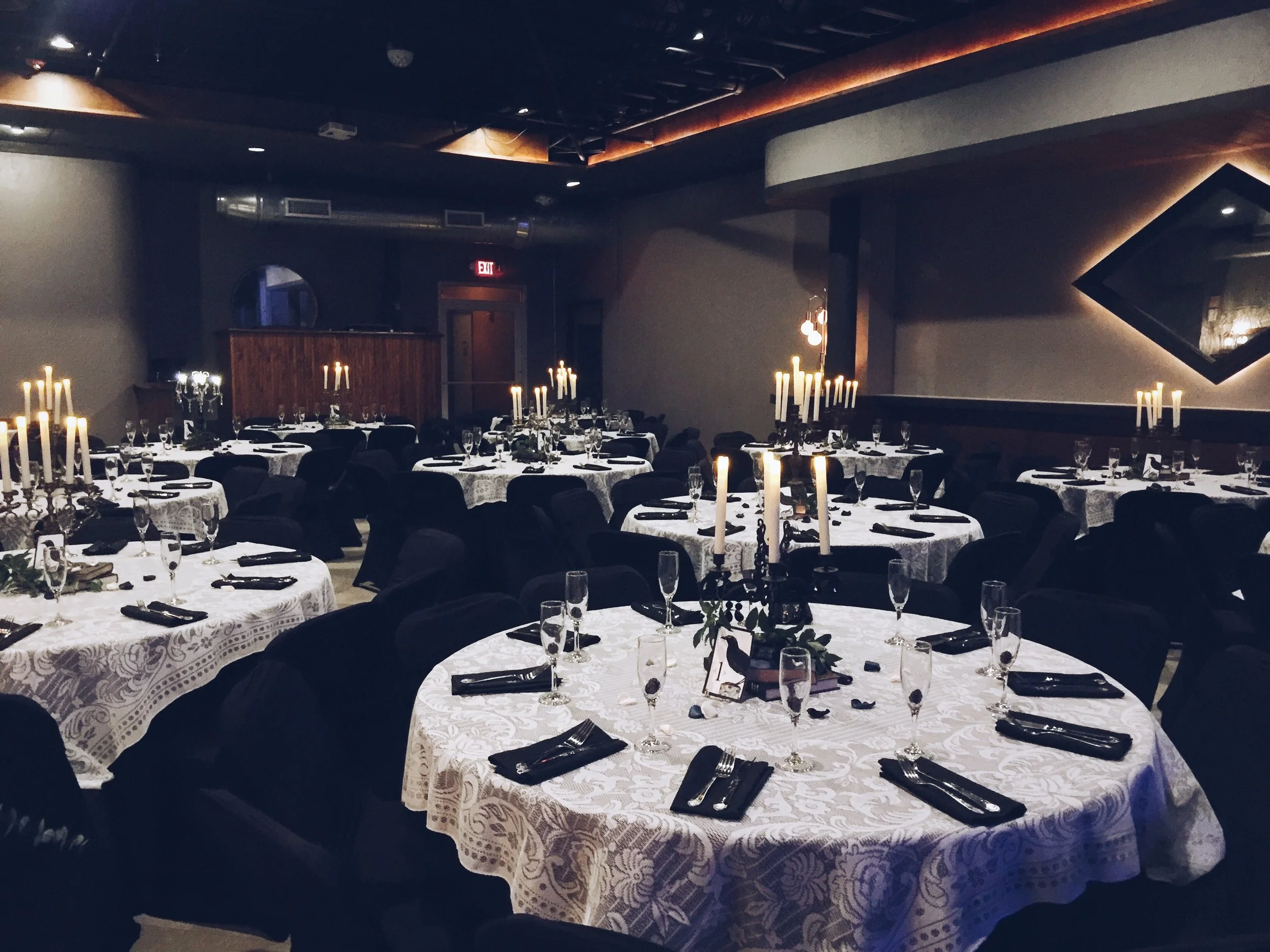
Inside the Room
A look at the stage, the floor, and the nights that move through them.
Handling a Power Outage During an Event at The Wooly
An unplanned power cut can stop a concert, interrupt a film, disrupt a wedding reception or take a corporate meeting offline. At The Wooly in downtown Gainesville, live music, screenings, art openings, private parties, weddings and business events each create different electrical demands. Its flexible floor plan, professional audio-visual support, in-house catering and full-service bar offer useful options, but those choices must be matched to a power plan for the actual event at 20 N Main Street near the University of Florida and Shands Hospital.
The goal is not to promise that every show will continue. It is to make the response safe, predictable and useful: protect people, keep emergency systems operating, decide whether to pause or adapt the programme, and give guests honest information. Venue staff, suppliers and performers should agree on those decisions before doors open, with one clear chain of authority for the moment the lights or equipment fail.
Prepare the power plan before guests arrive
Before doors open, ask the venue team to identify the supply, distribution points, protected circuits and known limitations. Confirm who may operate the electrical system and authorise backup equipment. The run sheet should mark essential systems—emergency lighting, alarms, communications and controlled stage power—and those that can be shed safely. Keep a labelled floor plan and contact sheet with the duty manager; a simple document people can find under pressure is better than a complex diagram nobody uses.
Power needs vary sharply. A concert may need amplifiers, lighting, video and catering at once; a screening relies more on projection and sound; a reception may depend on refrigeration, climate control, POS terminals and guest comfort. Because The Wooly’s movable layout can alter circuit loads, previous set-ups should not be assumed. Obtain a current equipment schedule, estimate demand, and have an electrician confirm that the board and backup supply can carry it.
Australian organisers in Sydney or Melbourne will recognise specialist event electrical suppliers, test-and-tag routines and dependable rental stock, but Florida law governs work in Gainesville. The venue’s guidance on event permits and insurance is worth reviewing before contracts are signed, particularly where generators, temporary wiring or refunds create extra exposure. Confirm that public-liability and event-cancellation policies cover the agreed scenario and that suppliers carry suitable insurance.
Assign command and care responsibilities
Create a small incident team rather than letting everyone solve the problem independently. The venue’s duty manager retains authority over the building and emergency procedures, while one event lead controls the programme. Assign named people for technical systems, front of house, security, catering, bar, guest care and communications. Record decisions in one log with times and actions. The incident lead may stop the show, but evacuation authority must never depend on the entertainment schedule.
Guest-facing staff need clear roles and a professional appearance that makes them easy to identify. A name badge, radio and simple instructions matter more than an elaborate uniform, although this guide to dressing for success can help organisers create a polished look on a sensible budget. Staff should know their reporting line, assistance points and approved messages. Assign a guest-welfare lead so people needing water, medical help, accessible transport or a quiet place are not lost among general enquiries.
Brief the team before guests arrive and rehearse several decisions. Cover a single circuit failure, a total venue outage, a generator that cannot carry the full load, and emergency services attending. Prepare short, calm statements for the stage manager, public-address system, event page and suppliers. Do not make one person improvise technical recovery and public reassurance at once; separating those duties keeps information clear.
Make life safety the first priority
Life safety takes priority over the programme. Alarm, emergency lighting, exit signage, fire doors and mobility or medical support must remain available under the venue’s emergency plan. Staff should prevent a crowd surge, while authorised venue personnel decide whether evacuation is required. If power is lost, do not use phone torches or decorative battery lights in a way that masks exits, obstructs routes or suggests normal conditions have returned.
Plan for guests with hearing or vision impairment, mobility needs, or distress caused by darkness, noise or a long wait. Provide an accessible help point and clear alternative route to exits, supported by staff with suitable first-aid capability. For an evacuation from 20 N Main Street, the venue and emergency services should determine the safe route and external gathering point. Staff must not direct people into traffic or towards generators, equipment or service access areas.
Australian crews commonly apply risk controls under Safe Work Australia’s model Work Health and Safety laws and relevant state electrical safety rules. Those duties remain important for visiting Australian workers, but they do not replace Florida requirements. At The Wooly, the venue’s safety plan, Gainesville permit conditions, the Florida Fire Code and licensed electrical-contractor rules govern. Document and escalate any incident, injury or near miss through the venue’s process.
Keep the performance under controlled fallback
Technical continuity should start with critical equipment. Network switches, routers, control laptops, playback machines, POS terminals and selected communications can sit on appropriately sized uninterruptible power supplies. Battery-powered microphones, spare cables and local controls add resilience. Emergency audio and exit lighting must be separate from performance power, so effects are shed before anything connected to safety. A generator should not be energised simply to restore every effect at once.
Agree fallback levels in advance. A screening may continue from local media with dedicated backup; a live act may switch to an acoustic segment, spoken update or changeover; a corporate gathering may use battery-powered presentation tools. A production partner such as B-Side Productions can help map equipment, test the load plan and assign each fallback. The aim is to protect the audience and schedule without pretending normal operation has returned.
Keep a controlled show-stop procedure. The stage manager should have one decision-maker, a signal for performers and a way to explain that a pause is caused by power. Reduce house lights to safe levels while keeping exits visible, and switch off non-essential catering equipment to free capacity. If essential systems cannot be supported safely, pause the event. A managed stop is preferable to damage, trip hazards or improvised electrical workarounds.
Use temporary power without adding risk
Any generator is critical infrastructure. Position it outdoors, level, secured and operated by a competent person, with exhaust directed away from doors, air intakes and attendees. Generators produce carbon monoxide, heat, noise and vibration, so they must never run inside The Wooly or in an enclosed service area. Keep fuel in an approved location, protect it from spills, follow refuelling controls and provide suitable extinguishers. Weather covers must not enclose an exhaust outlet.
Temporary cabling introduces its own risks. Use approved distribution boards and protection rather than domestic extension leads, and have a qualified electrician inspect earth continuity, overcurrent and residual-current or ground-fault protection, and cable routes. Protect leads from foot traffic with suitable ramps, keep joints dry and mark distribution equipment. Do not change loads while guests are present without the electrician’s approval. Spare bulbs, fuses and tested cables belong to the technical crew.
Australian crews may recognise practices in AS/NZS 3011 for temporary entertainment electrical installations, including documented testing and competent management. That standard can guide a checklist, but The Wooly’s electrician and Florida requirements determine what is acceptable on site. Give catering and bar loads a separate calculation: refrigeration, hot holding, ice making, water service and alcohol storage may need dedicated circuits. If refrigeration or safe hot holding cannot be maintained, pause that service rather than overloading the generator.
Communicate clearly with guests and partners
Communication should be prompt without becoming speculative. The first public message should state what staff know, whether guests should remain, whether an exit is needed and when the next update will come. Use the public-address system while it remains safe, then add staff at entrances, digital screens, the event page and approved social media. Keep one version of the facts and issue updates at agreed intervals. If internet and mobile service also fail, use battery radios, printed signs and runners.
Knowledge of Gainesville's nightlife scene helps the team understand the mix of residents, students, visitors and people visiting several nearby venues. That matters during an incident because transport choices and alternative gathering points affect safety. Keep the entrance to 20 N Main Street clear for emergency access, provide a specific place for taxis and ride-share vehicles, and explain whether nearby businesses are affected. Staff should not speculate about another venue’s power supply.
In Sydney or Melbourne, residents commonly check outage maps from Ausgrid or AusNetServices, and many carry a charged power bank for a long day out. The equivalent habit at The Wooly is to rely on venue and Gainesville Regional Utilities information while keeping one charged phone and a paper guest list. Performers, caterers, technicians, security and transport providers need separate updates. Confirm that each has received the latest instruction and knows where the next one will appear.
Restore, record, and remember
Do not reconnect everything simply because the lights return. The venue or utility should confirm that supply is stable, the electrical system has no fault, and emergency systems are operating. Restore lighting and audiovisual systems in a planned sequence, checking for surge damage, unusual heat, smells, tripped protection or unstable readings. A qualified technician should approve temporary equipment. Keep guests in a safe holding pattern until the venue lead declares normal operation, partial operation or cancellation.
Catering and bar teams need a service decision as well as a technical one. Check food temperatures, refrigeration, hot-holding equipment, water, ice and cleaning requirements; record discarded food and why. Reconcile orders and stock, suspend sales if registers or refrigeration cannot be supported, and explain delayed service, complimentary items or refunds under the event agreement. Guest-care staff should remain after systems return because people may need help arranging transport or understanding what happened.
Close with a factual account. Note the outage time, affected areas, decisions, injuries or welfare concerns, communications, costs and recovery actions, then obtain signatures for temporary equipment or supplier charges. The venue’s record with The Wooly's famous acts shows the range of productions that can depend on its technical operation; the same continuity standard applies to touring musicians, local performers and private events. Share the report with venue management, insurers and authorities as required.
The lesson to keep is simple: safety first, communication before improvisation, and one authorised plan that can be executed under pressure. When power fails at The Wooly, the strongest response is not a heroic workaround but a rehearsed chain of decisions that protects people, preserves essential systems and keeps everyone informed until service is restored.
Follow the Calendar
News, ticket links, and last-minute additions posted across our channels.
Explore the Venue
Five pages covering the full run of programming and private bookings.
Browse the schedule for movie showings, live music, and art shows.
Weddings, holiday banquets, cocktail parties, and anniversaries.
Meetings, networking, luncheons, and fundraisers with AV support.
Concerts, film screenings, art showcases, and community pop-ups.
Photos from past concerts, private functions, and gatherings.