Live shows, movie nights, art openings, private parties, and corporate meetings at 20 N Main St — minutes from the University of Florida and Shands Hospital.
Stay in the Loop
Get the next show, screening, and event announcements sent to your inbox.
Inside the Room
A look at the stage, the floor, and the nights that move through them.

How to Coordinate a Wedding Rehearsal at The Wooly
A wedding rehearsal at The Wooly gives the couple, wedding party, celebrant and suppliers a shared understanding of how the event will move through the room. The venue’s downtown Gainesville setting, flexible floor plan and professional audio-visual support make it possible to practise the ceremony and reception with realistic timings rather than relying on a quick conversation at the ceremony site.
For couples travelling from Australia, the rehearsal may be part of a larger destination wedding schedule. Guests could be arriving from Sydney, Melbourne, Brisbane or regional areas, while local Gainesville suppliers manage the venue, flowers, photography, catering and entertainment. Clear instructions are especially important when the couple is working across time zones and unfamiliar with local event customs.
The Wooly is at 20 N Main Street, close to the University of Florida and Shands Hospital. That central location is useful for guests staying near campus or downtown, although the couple should still share parking, rideshare and arrival information well before the wedding weekend. A simple digital itinerary can prevent delays caused by traffic, hotel check-in or a guest unfamiliar with Gainesville.
The rehearsal should feel calm and purposeful rather than like a second wedding day. It is a practical walk-through: everyone learns where to stand, when to move, how the music begins, who holds the rings and what happens if a reading, entrance or speech runs late. When those details are settled, the wedding itself can feel natural.
Confirm the venue brief early
Start by confirming what the rehearsal needs to cover with The Wooly’s private events team. The venue can support concerts, film screenings, private parties and weddings, so the event brief should specify the ceremony format, guest numbers, reception layout, bar service, catering requirements and any production needs. The private events information is a useful starting point before the planning meeting.
Ask whether the rehearsal will take place in the fully dressed room, a partially prepared space or an alternative area. A complete setup is ideal, but it may not be practical if suppliers are loading in or another booking is using part of the venue. Even a scaled-back rehearsal can work if the team marks the aisle, ceremony platform, seating zones and key furniture positions with tape or simple signage.
Confirm access times, contact names and the length of the venue appointment in writing. A wedding rehearsal often involves more people than expected, including parents, attendants, the celebrant, musicians, the photographer and venue staff. Establish who has decision-making authority so the group does not spend valuable time debating small changes.
Build a realistic rehearsal timeline
Allow enough time to walk through the ceremony at least twice. The first pass should be slow and instructional, with the coordinator explaining each movement. The second should be closer to the real pace, including music cues, processional spacing, readings, vows, ring exchange and the recessional. If the couple is planning a tea ceremony, cultural ritual or family blessing, include it in the same sequence rather than treating it as an afterthought.
A useful schedule might begin with supplier arrival and room orientation, followed by a briefing for the wedding party. The ceremony walk-through can then take 30 to 45 minutes, with a short review of changes before a final run. Leave time for questions and photographs of the layout. Guests who have travelled from Australia may be managing jet lag, so an early evening rehearsal with a firm finish is often kinder than an open-ended gathering.
Build the schedule around real event conditions. If the wedding begins at 5 pm, rehearse the ceremony’s lighting and sound at a comparable time where possible. If an outdoor portrait session affects the reception entrance, explain that transition. The point is to identify pressure points before the wedding party is dressed, guests are seated and catering service is underway.
Plan a ceremony and reception in one room
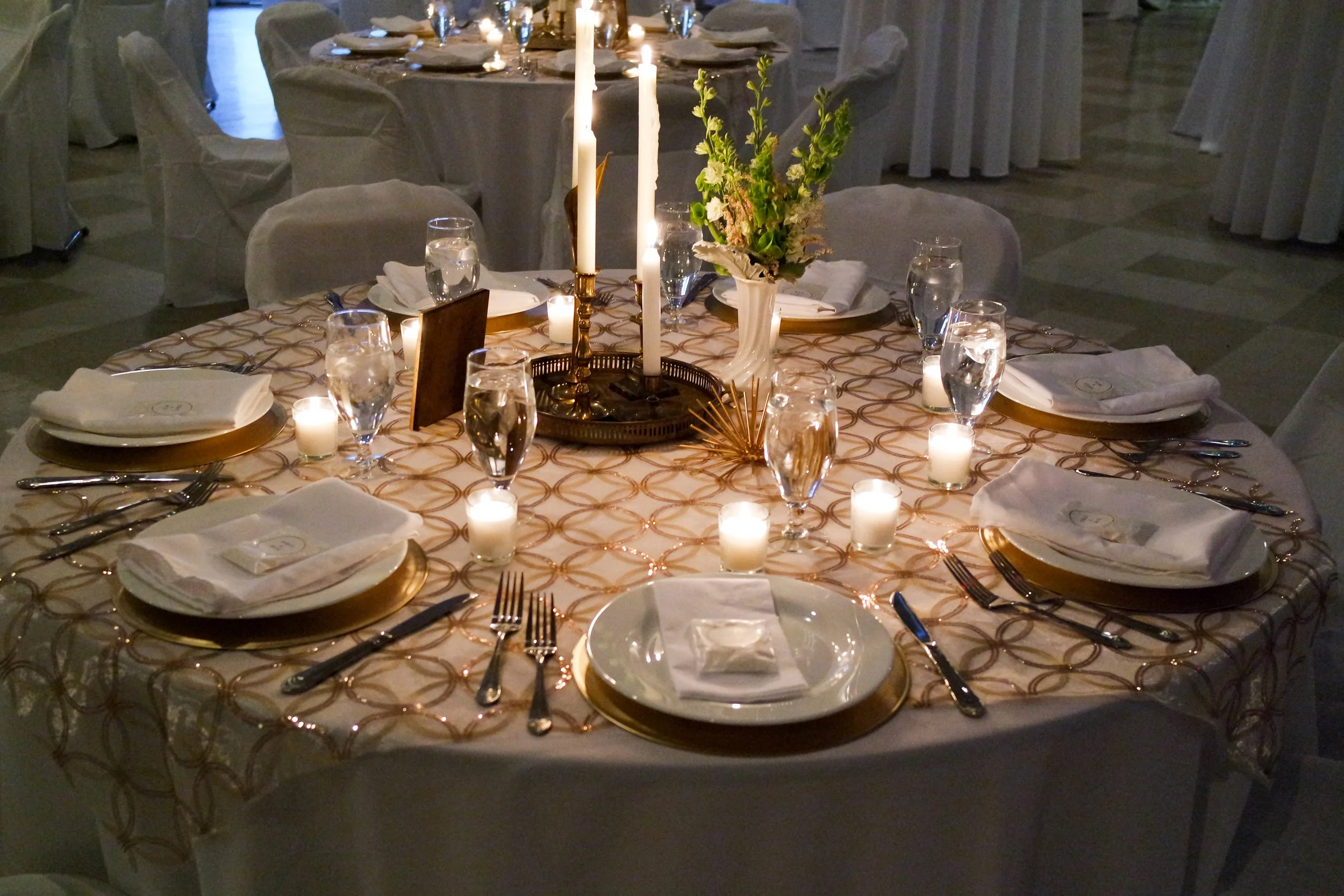
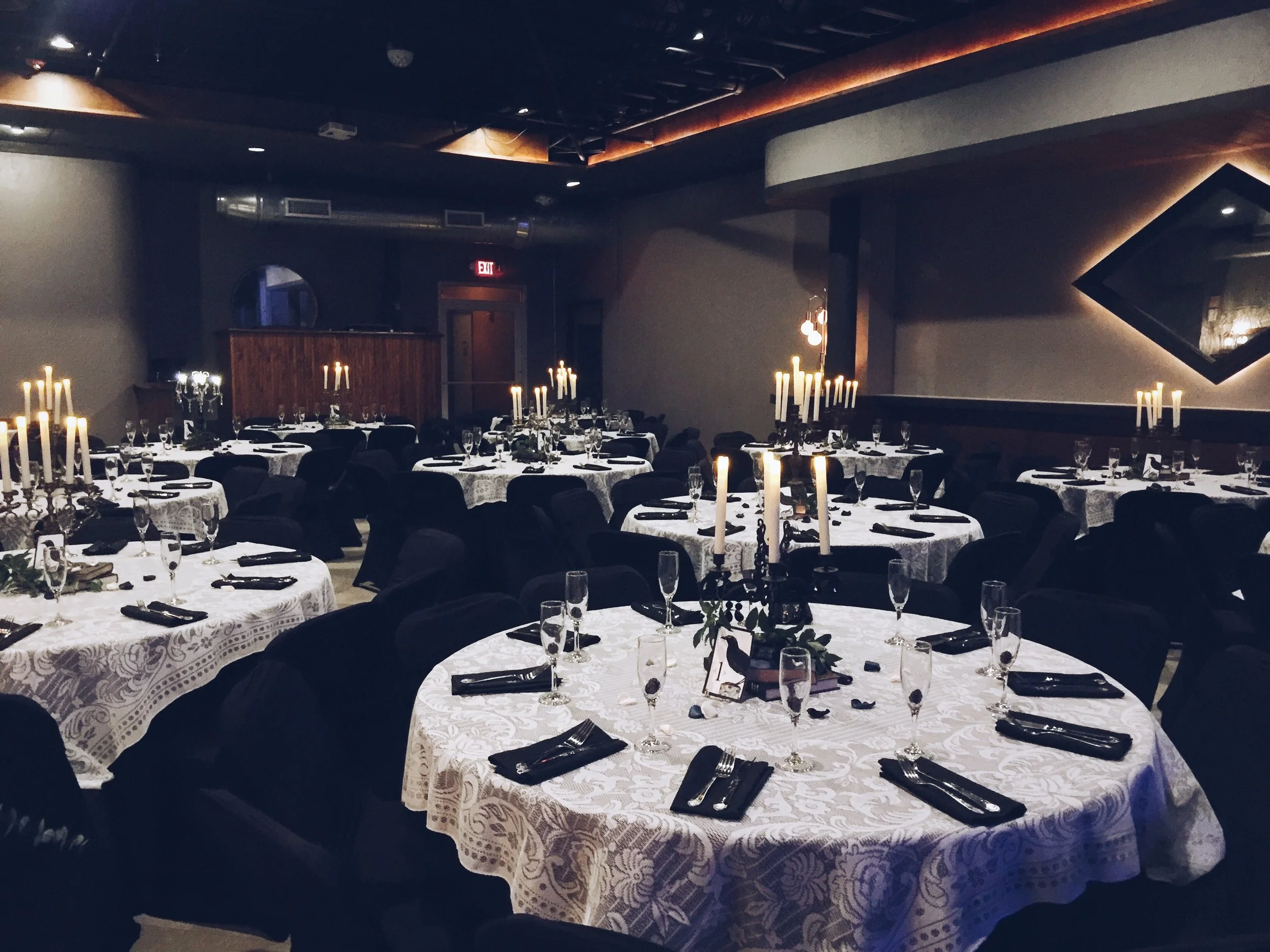
The Wooly can be arranged so a ceremony and reception share one room, but the transition needs a detailed floor plan. Decide whether guests will face the ceremony area from dining tables, rows of chairs or a combination of both. Consider where the couple will enter, where the celebrant will stand, how the photographer can move discreetly and which areas must remain clear for service staff.
The venue’s guide to one-room wedding setup can help couples think through the changeover. During the rehearsal, mark the positions of the ceremony chairs, signing table, arbour, cake table, bar and dance floor. The group should understand which items move, who moves them and where they go.
A room flip can take place while guests enjoy drinks, watch a short performance or move to another designated area. It can also happen with a compact team working quickly behind a visual screen or in a defined section of the room. Rehearse the transition as a timed exercise, including the point when the newly married couple enters the reception. This will show whether extra hands, a longer drinks interval or fewer furniture changes are needed.
Give every participant a clear role
The couple should appoint one lead coordinator for the rehearsal and wedding day. That person may be a professional planner, trusted friend or member of the venue team. They should carry the master schedule, answer operational questions and communicate changes to the celebrant, DJ, musicians, photographer and catering staff. Parents and members of the wedding party can help, but too many people giving instructions can create confusion.
Explain roles in plain language, especially for guests who have never taken part in a formal ceremony. The best man or maid of honour may hold the rings, a parent may escort the couple, a reader may need a microphone and a flower child may require an adult guide. Practise how each person enters, where they pause and when they sit or move aside.
For event teams accustomed to conferences, showcases or community programmes, a production-style run sheet can be helpful. Looking at the concise event structure used for TEDx Youth Bath can provide inspiration for listing cues, speakers, transitions and responsible people without overcomplicating the wedding document. The final version should fit on a few pages and use names, times and actions that are easy to scan.
A useful rehearsal checklist
- Confirm the processional order and spacing between each person.
- Practise microphone use, readings, vows and ring handovers.
- Mark the couple’s standing positions and the celebrant’s location.
- Time the ceremony, recessional and room transition.
- Record who makes decisions if the schedule changes.
Coordinate sound, catering and the bar
Sound should be tested with the people who will actually use it. A spoken vow that seems clear in an empty room may be difficult to hear once guests are seated, drinks are being served and background music is playing. Ask the audio-visual technician to check microphone height, speaker placement, music playback and the handover between ceremony audio and reception entertainment.
If live musicians are involved, establish where they will set up and whether their equipment affects the aisle, dance floor or sightlines. The DJ or band should know the exact cue for the processional, signing, recessional, entrance and first dance. A backup playlist on a phone or laptop can protect the schedule if a file, cable or instrument creates a problem.
Discuss catering and bar service during the rehearsal as well. The Wooly offers in-house catering and a full-service bar, so clarify when welcome drinks begin, where dietary meals are identified and how the catering team will signal the coordinator. Australian guests may expect a short drinks reception before dinner, while local suppliers may use different service timings. Agree on the order of speeches, entrée, main course, cake and dancing.
Alcohol service should follow the venue’s policies and applicable Florida requirements. Guests from Australia may be familiar with RSA-style responsible service expectations, but the local venue team will determine how service operates. A clear bar opening time, non-alcoholic choices and a plan for guests under the legal drinking age keep the evening comfortable for everyone.
Prepare guests for travel and arrival
A destination rehearsal needs its own guest communication. Send the address, rehearsal start time, venue entry point, parking information and expected dress code in the wedding weekend itinerary. State whether guests should arrive together, whether they need to bring ceremony items and whether the rehearsal dinner follows immediately. For Australians travelling to Florida, include local time, approximate weather conditions and advice to allow margin for flights, transfers and hotel delays.
Gainesville’s university setting can affect accommodation and traffic during busy periods. Check whether University of Florida events, graduation activities, home games or major campus programmes overlap with the wedding weekend. Nearby Shands Hospital also makes the area active at different times of day. Sharing a recommended arrival window is more useful than telling guests to arrive “a little early”.
Weather planning deserves attention even when the ceremony is indoors. Florida heat, humidity, sudden rain and strong sun can affect guests moving between hotels, cars and the venue. Provide water during the rehearsal, identify an air-conditioned waiting area and keep an indoor alternative for any outdoor photographs or pre-ceremony gathering. This is also helpful for older relatives and guests unaccustomed to the local climate.
Details to put in the final run sheet
- Venue access, supplier arrival and wedding party call times.
- Ceremony cues for music, entrances, readings and the celebrant.
- Names of the person responsible for rings, documents and personal items.
- Catering, bar, speech and room-flip timings.
- Emergency contacts, transport notes and the wet-weather plan.
Check the final layout and guest experience
Walk through the venue as if you were a guest arriving for the first time. Identify the entrance, welcome point, toilets, bar, ceremony seating and accessible routes. Confirm that décor, equipment cases and spare chairs do not block movement. A flexible floor plan works best when it preserves comfortable circulation instead of filling every available area with furniture.
Review sightlines from different seats, including the back row and any location reserved for wheelchair users or guests with limited mobility. Check whether floral arrangements obscure the celebrant, whether the signing table has enough light and whether the photographer can work without standing in front of guests. Small changes made at rehearsal are easier than hurried adjustments during the ceremony.
The ceremony and reception should also have a consistent visual and emotional rhythm. If the room changes from formal ceremony seating to a lively dinner and dancing space, decide where guests go during the transition. A drinks station, music cue or brief welcome can give staff time to reset the room. The couple should know where they will wait and who will bring them back in.
It is worth checking the broader local events calendar when setting the rehearsal date. A large public event, exhibition or trade gathering such as the Southeast US Boat Show may influence accommodation availability, road conditions or supplier schedules. This does not mean changing the wedding automatically; it means identifying possible pressure on transport and planning around it.
Run the rehearsal with calm authority
Begin by welcoming everyone and explaining the purpose of the session. Tell the group that mistakes are useful because they reveal what needs clarification. Ask phones to be silenced, keep side conversations to a minimum and make sure the celebrant, coordinator and venue representative are standing where they can be heard.
During the first run, stop when a movement is unclear. Correct spacing, cues and handovers immediately, then repeat the section. During the second run, allow the sequence to continue unless a genuine safety or timing issue appears. This approach gives the wedding party confidence without turning the rehearsal into a performance review.
Finish by summarising the decisions that matter most: arrival times, processional order, music cues, ring responsibility, room-flip procedure, speech order and the person to contact on the wedding day. Distribute the final run sheet digitally and keep a printed copy at the venue. Any later change should be sent to the people directly affected rather than buried in a large group message.
A well-coordinated rehearsal at The Wooly leaves everyone with the same practical map of the celebration. Confirm the venue plan, walk every movement, test the production details and write each responsibility into the run sheet; that preparation turns a flexible downtown Gainesville space into a wedding day that feels organised, welcoming and effortless.
Follow the Calendar
News, ticket links, and last-minute additions posted across our channels.
Explore the Venue
Five pages covering the full run of programming and private bookings.
Browse the schedule for movie showings, live music, and art shows.
Weddings, holiday banquets, cocktail parties, and anniversaries.
Meetings, networking, luncheons, and fundraisers with AV support.
Concerts, film screenings, art showcases, and community pop-ups.
Photos from past concerts, private functions, and gatherings.