Live shows, movie nights, art openings, private parties, and corporate meetings at 20 N Main St — minutes from the University of Florida and Shands Hospital.
Stay in the Loop
Get the next show, screening, and event announcements sent to your inbox.
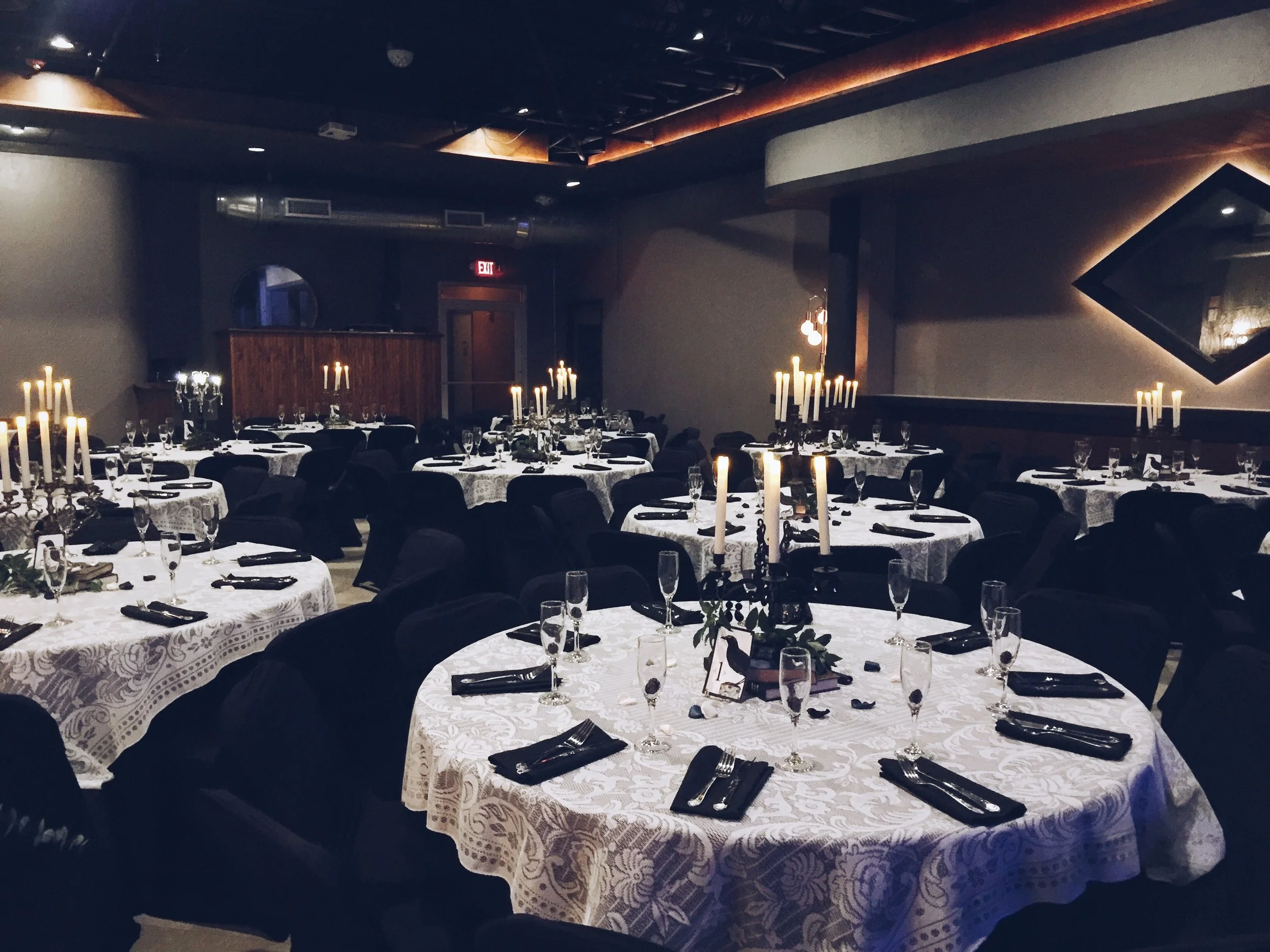
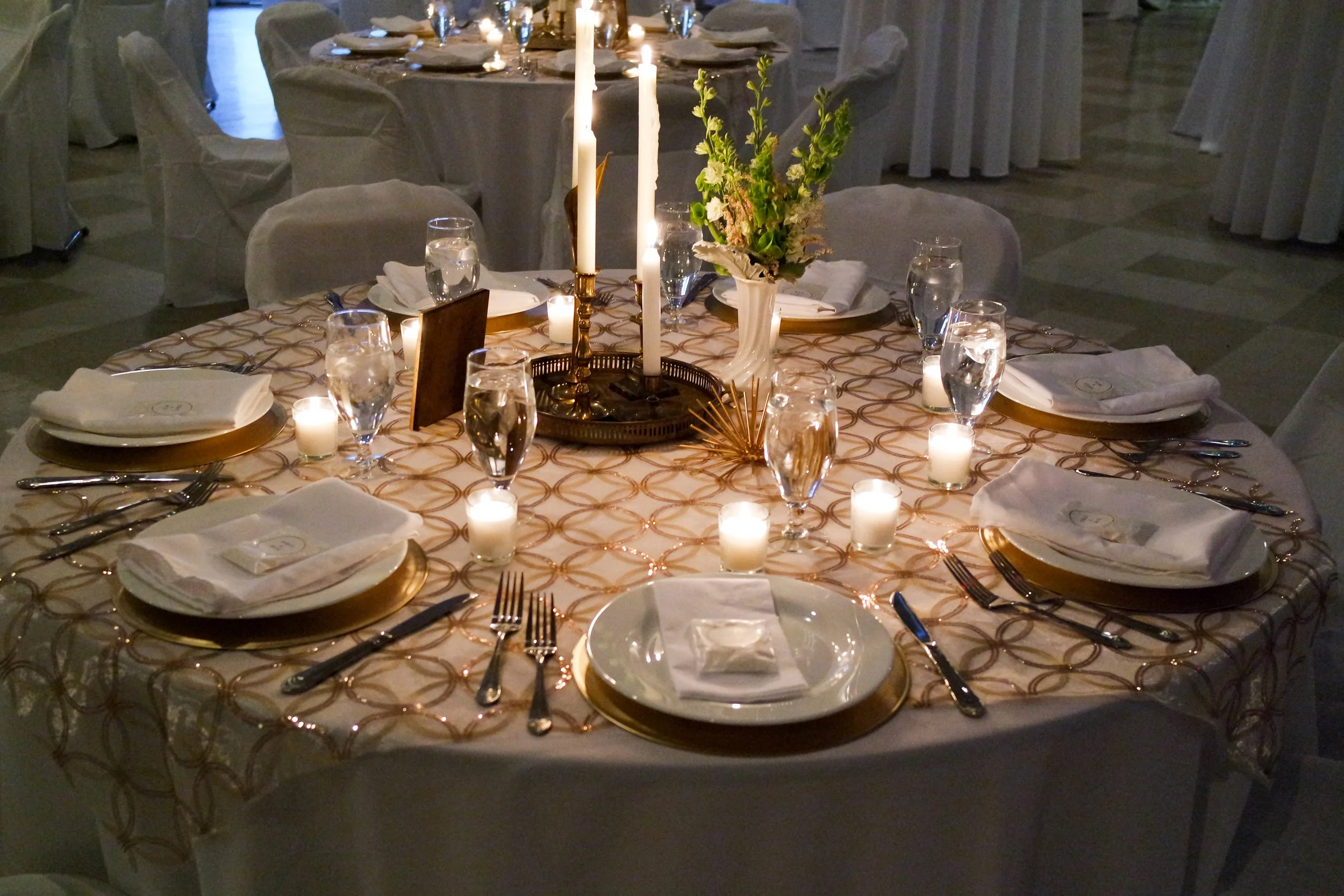
Inside the Room
A look at the stage, the floor, and the nights that move through them.
How To Bring A Community Workshop To The Wooly
A successful community workshop needs more than an interesting subject. It needs a room that feels welcoming, a practical run sheet, accessible facilities and enough flexibility for people to learn by doing. The Wooly, at 20 N Main Street in downtown Gainesville, offers a useful setting for organisers developing a class, discussion, demonstration or hands-on gathering. Learn more about Southeastusboatshow.com.
Its adaptable floor plan can support small-group tables, a presentation area, creative stations or a larger open space. Professional audio-visual support, in-house catering and a full-service bar also make it easier to shape the event around the participants rather than forcing the programme into a fixed format.
Although the venue is in Florida, the planning approach will feel familiar to organisers in Australia. A workshop in Melbourne, Brisbane, Sydney, Perth or a regional centre still depends on clear outcomes, suitable access, responsible risk management and a reason for people to attend. The difference is learning how The Wooly’s downtown location and event capabilities can serve your particular community.
Define The Workshop Before You Book
Start by describing what participants will do during the session. “A creative workshop” is a useful starting point, but a venue conversation becomes much clearer when it becomes “a two-hour beginner screen-printing class for 30 people” or “a public conversation about independent film with a practical editing exercise.”
Write down the intended audience, estimated attendance, age range, session length and level of participation. A community workshop may be designed for university students, local artists, new residents, families, professional networks or a mixture of groups. Each audience will affect the furniture layout, arrival process, catering needs and staffing requirements.
Decide whether the event should be quiet and reflective, energetic and social, or somewhere between the two. A writing circle may need intimate table groupings and low background noise. A dance class, media training session or product demonstration may require clear floor space. If the workshop includes movement, heat, liquids, tools or specialist equipment, mention those details at the earliest stage.
A strong brief also includes the purpose of the event. Explain whether you want to teach a skill, build relationships, showcase local talent, test an idea or create a regular programme. That purpose can guide decisions about ticket pricing, sponsorship, accessibility and the best time of day.
Match The Format To The Room
The Wooly’s flexible layout allows an organiser to consider several room plans rather than treating the venue as a single-purpose hall. Rows of chairs suit a talk or panel, while clusters of tables encourage collaboration. A clear central area can work for demonstrations, movement-based activities or performances, with seating arranged around it.
Think through the participant journey from the pavement to the final goodbye. People may need a registration point, a place to store bags, visible signs, toilets, refreshments and an area for informal conversation. In downtown Gainesville, proximity to the University of Florida and Shands Hospital may help reach students, staff, healthcare workers and nearby residents, while the central location can make the event easier to combine with other city activities.
Create a simple floor-plan sketch before discussing details with the venue team. Include tables, chairs, presenter position, screens, speakers, power access and any workshop materials. Mark where late arrivals can enter without interrupting the session. This small exercise often exposes practical issues before they become expensive changes.
Australian organisers will recognise the value of planning around everyday travel habits. An evening event may need to finish in time for public transport, while a Saturday workshop could attract people who prefer to drive, cycle or walk from nearby shops. In Sydney and Melbourne, transport connections can shape attendance; in outer-suburban and regional areas, parking and car-pooling may matter more.
Build A Realistic Event Brief
Your event brief should cover the date range, access times, public opening time, pack-down period and maximum expected attendance. Include whether the workshop is ticketed, free, invitation-only or funded by a partner. If you hope to run a recurring series, say so, since a one-off trial and a monthly programme may require different operational decisions.
List every technical and hospitality requirement. You might need microphones, presentation playback, a projector or screens, filming, recording, lighting, background music or a reliable connection for remote speakers. The venue’s audio-visual support can be particularly useful when the workshop includes a panel, hybrid contribution or recorded material. The Wooly’s example of live podcast guide shows why sound, audience placement and production planning should be considered together.
Food and drink deserve equal attention. Ask about coffee on arrival, light snacks, a substantial meal, dietary requirements and the timing of service. Australian attendees often expect clear information about vegetarian, vegan, halal and gluten-free choices, while allergy communication should be specific rather than relying on broad labels. A full-service bar may suit an informal networking finish, but it should not distract from the workshop’s educational purpose.
Prepare a budget with separate lines for venue hire, equipment, catering, facilitators, insurance, marketing, ticketing fees, printed materials and contingency. If an Australian organisation is paying suppliers from overseas, allow for currency conversion, international payment fees and tax treatment. A modest contingency can cover extra chairs, replacement materials, late catering changes or additional technical support.
Create An Inclusive Participant Experience
Inclusion starts before the event. Use plain language in the event description, explain the skill level, state what participants should bring and describe the venue in practical terms. If the session involves standing, floor work, bright lights, loud sound, strong smells or messy materials, provide that information in advance so people can make an informed decision.
Consider access needs when arranging the room. Leave clear routes between tables, avoid placing essential instructions where they cannot be seen or heard, and allow enough time for people to settle in. If the workshop uses printed resources, offer digital versions where practical. A quiet corner can help participants who need a short break from conversation and activity.
Welcoming design does not mean removing all structure. A clear check-in process, name badges, a visible timetable and a confident facilitator help people feel comfortable. Build in breaks for sessions longer than 90 minutes, and avoid assuming that everyone wants to network over drinks. Some attendees will value guided introductions, while others will prefer to focus on the activity.
If children, teenagers or vulnerable adults are involved, establish supervision arrangements and safeguarding responsibilities well before promotion. In Australia, requirements vary by state and activity, but a Working with Children Check may be relevant for adults supervising children. Public liability insurance, first-aid planning and safe handling of equipment should also be considered, particularly for practical workshops.
Promote The Idea Beyond The Usual Crowd
A community workshop needs a clear invitation, not just a listing. Lead with the benefit: what will people learn, make, discuss or take away? Use a concise title, a short description, the date and time, the location, the price and a direct registration path. Include whether materials are supplied and whether beginners are welcome.
Promote through a mix of channels. Local partner organisations, university groups, libraries, independent shops, professional associations and neighbourhood networks may reach people who do not follow the venue’s regular concert calendar. A partner can also lend credibility, provide a facilitator or help subsidise tickets.
The Wooly’s visual presentation can help potential attendees picture the experience. Refer interested collaborators to the venue gallery when discussing room atmosphere, staging or event photography. Images can also help an Australian team planning remotely understand whether the space feels intimate, theatrical, casual or suitable for a more formal gathering.
Use a registration form that collects only information you genuinely need. Ask about accessibility, dietary requirements and relevant experience, but explain why the information is being collected. Send a reminder a few days before the session with arrival instructions, parking or transport notes, the timetable and a contact number for urgent changes.
Timing matters in every market. In Australia, school holidays, public holidays, major sporting fixtures and university calendars can affect attendance. A weekday workshop may work well after office hours in inner-city areas, while a weekend morning may suit families and community groups. Check local events before selecting a date, then leave enough lead time for word-of-mouth promotion.
Manage Safety, Compliance And Operations
A workshop should have one person responsible for the overall event and clear contacts for venue operations, technical production, catering and facilitators. Prepare a run sheet with arrival, setup, sound check, registration, breaks, activities, pack-down and departure. Share it with everyone who needs to make decisions on the day.
Ask the venue about capacity, furniture options, supplier rules, alcohol service, cleaning, waste and emergency procedures. If you are bringing tools, food, liquids, exhibition pieces or temporary structures, confirm what is permitted. For activities involving heat, sharp objects, chemicals or physical exertion, document the risks and the controls you will use.
Australian organisers should also check the relevant state or territory requirements rather than assuming one national rule applies. Food businesses and temporary catering can involve local council obligations; events with amplified sound may need noise management; public liability insurance is often expected by venues and partners. If music, film or recorded content is used, confirm whether copyright or screening permissions are required.
Keep the operational plan proportionate. A small drawing class does not need the same documentation as a public event involving children, complex equipment and alcohol. It does need a clean workspace, safe materials, a way to respond to injuries and a process for dealing with cancellations or participant concerns.
Turn A One-Off Session Into A Community Series
The first workshop is a chance to learn what your community actually wants. Track registrations, attendance, waitlist numbers, material use, questions, feedback and the points where the timetable ran late. Ask participants what they would attend next, but also pay attention to behaviour: which activities generated conversation, which explanations needed more time and which spaces felt crowded.
A repeat series should retain familiar elements while allowing each session to have its own identity. Consistent arrival instructions, ticketing and visual style reduce friction. Rotating themes, guest facilitators and collaborations can keep the programme fresh. A dance workshop might eventually connect with an international cultural organisation such as Istanbul Dance, while a media session could grow into a live recording or public discussion.
Partnerships can broaden the programme beyond arts education. The Wooly’s calendar includes concerts, film screenings, art openings and community events, so a workshop could sit alongside a screening, a creative showcase or a related public conversation. A local maker, educator or social enterprise may bring expertise and an existing audience, while the venue contributes a central gathering place and event infrastructure.
Use feedback responsibly. Share a short survey shortly after the event, invite testimonials with permission and record useful improvements while they are fresh. If a participant identifies an access barrier, treat it as planning information rather than an isolated complaint. A workshop becomes a genuine community offering when people can recognise their needs in the next version.
Planning Priorities For A Stronger Workshop
- Define one clear learning or community outcome before choosing activities.
- Match seating, tables, equipment and catering to the way participants will use the room.
- Build accessibility, safeguarding, insurance and food requirements into the first budget.
- Confirm venue access, technical support, bar arrangements and pack-down times in writing.
- Promote through trusted local partners as well as the venue’s own audience.
- Collect practical feedback and use it to shape the next workshop.
Bringing a workshop to The Wooly works best as a collaborative planning process. Start with a focused idea, communicate the details early and use the venue’s flexible layout, technical support, catering and downtown position to make participation straightforward. A well-run session should feel thoughtfully hosted without making the logistics visible.
The lasting measure is whether people leave with a useful skill, a new connection, a stronger sense of belonging or a reason to return. Remember that the venue is the setting, while the clarity of the purpose and care for the community are what make the workshop matter.
Follow the Calendar
News, ticket links, and last-minute additions posted across our channels.
Explore the Venue
Five pages covering the full run of programming and private bookings.
Browse the schedule for movie showings, live music, and art shows.
Weddings, holiday banquets, cocktail parties, and anniversaries.
Meetings, networking, luncheons, and fundraisers with AV support.
Concerts, film screenings, art showcases, and community pop-ups.
Photos from past concerts, private functions, and gatherings.