Live shows, movie nights, art openings, private parties, and corporate meetings at 20 N Main St — minutes from the University of Florida and Shands Hospital.
Stay in the Loop
Get the next show, screening, and event announcements sent to your inbox.
Inside the Room
A look at the stage, the floor, and the nights that move through them.
Recording A Live Podcast At The Wooly In Gainesville
A live podcast needs more than a microphone and an audience. It needs a room that sounds controlled, feels welcoming, and can shift smoothly between conversation, performance, filming and hospitality. The Wooly in downtown Gainesville, Florida, offers that combination in a flexible event setting close to the University of Florida and Shands Hospital. Learn more about Corporate Events.
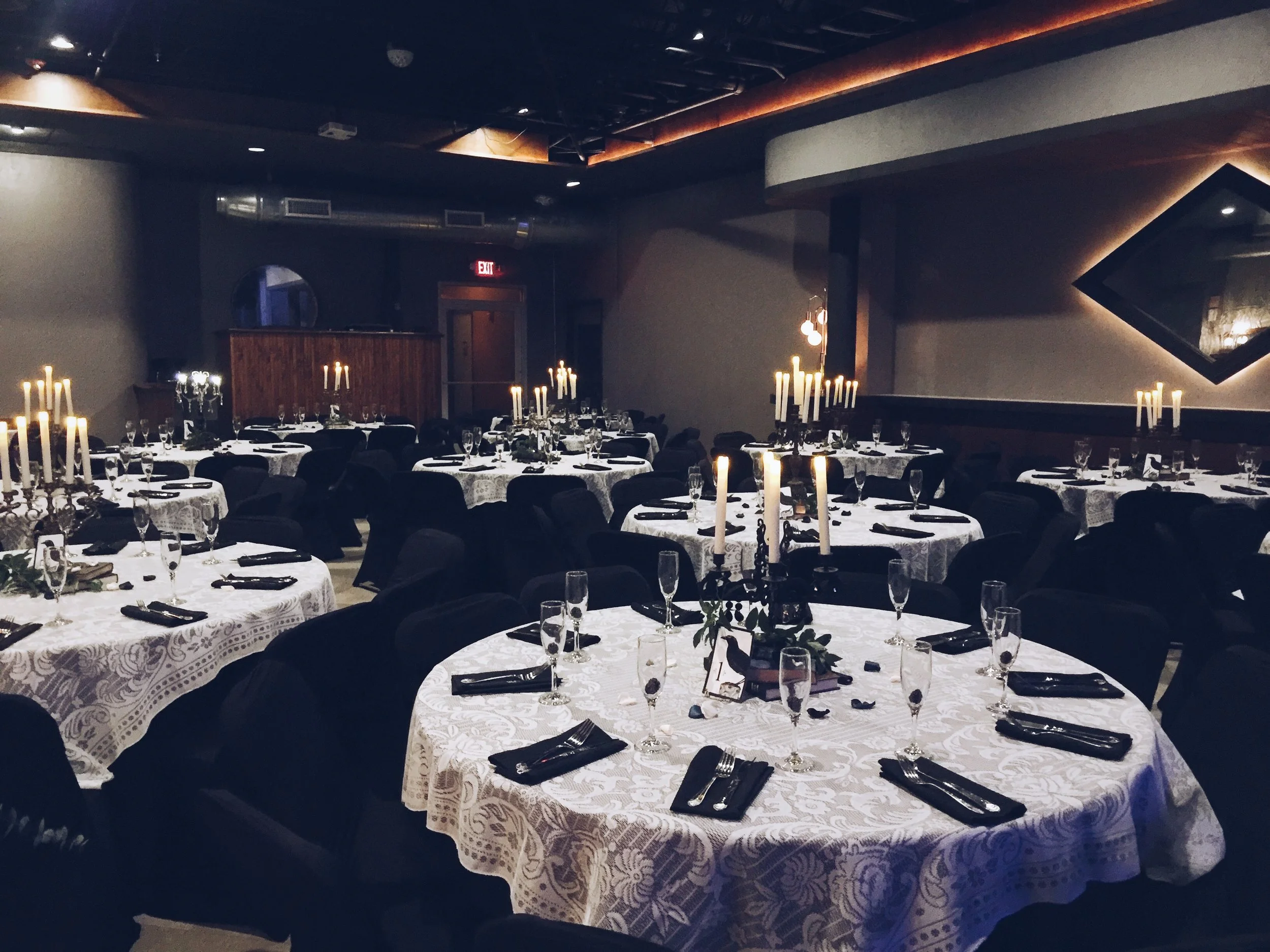
At 20 N Main Street, the venue can support a filmed interview, a panel discussion, a comedy recording, a music-led episode or a community broadcast. Its adaptable floor plan allows producers to place chairs, camera positions, a small stage and audience aisles without forcing every format into the same layout. Professional audio-visual support, in-house catering and a full-service bar add practical value during a longer production day.
For an Australian host, Gainesville may feel different from organising a recording in Melbourne, Brisbane or Sydney. The travel distance, American venue customs, time-zone gap and local compliance requirements all need to be considered early. A well-planned production can still feel familiar to listeners while using The Wooly’s atmosphere and Gainesville’s university-town energy as part of the episode.
The strongest results come from treating the event as both a broadcast and a live gathering. Audience entry, room noise, consent, stage management, catering and post-production should be planned alongside the editorial concept. When these details are aligned, the recording becomes a polished piece of content rather than a standard episode with applause added afterwards.
Why The Wooly Suits A Live Podcast
The Wooly’s flexible event space is useful because podcast formats rarely stay still. A host may begin with a seated interview, move into questions from the audience, introduce a musical guest and finish with informal networking. A room that can accommodate these changes makes the production feel intentional rather than improvised.
The venue’s professional audio-visual capability can help with microphones, speakers, presentation screens, stage lighting and recording logistics. Producers should still bring a clear technical brief covering microphone types, multitrack recording, camera feeds, monitor mixes, backup recording and power requirements. A venue technician can support the setup, while the podcast team remains responsible for knowing the show’s creative and recording priorities.
Gainesville also gives the event a strong local identity. The Wooly presents concerts, film screenings, art openings and community events, so a podcast can sit naturally within an active cultural calendar. A show about music, independent film, university life, food, comics or local business may benefit from recording in a venue already associated with public gatherings. An event connected to local artists can also create a more distinctive episode than a generic studio interview.
Planning The Room And Audience Experience
Begin with the audience layout rather than the equipment list. Decide whether the crowd should sit theatre-style, gather around cabaret tables or stand near the stage. A seated arrangement usually produces quieter audience reactions and clearer camera lines, while a standing crowd can create more energy for comedy, music or a late-night format. Keep a defined aisle for performers, venue staff and emergency access.
The recording position should be separated from the audience whenever possible. A compact table with broadcast microphones may suit a panel, while individual boom microphones can provide a cleaner visual frame for a filmed interview. Place cameras where audience heads, lighting stands and bar traffic will not interrupt the shot. A room walk-through at the same time of day as the event can reveal reflections, windows, air-conditioning noise and changing daylight.
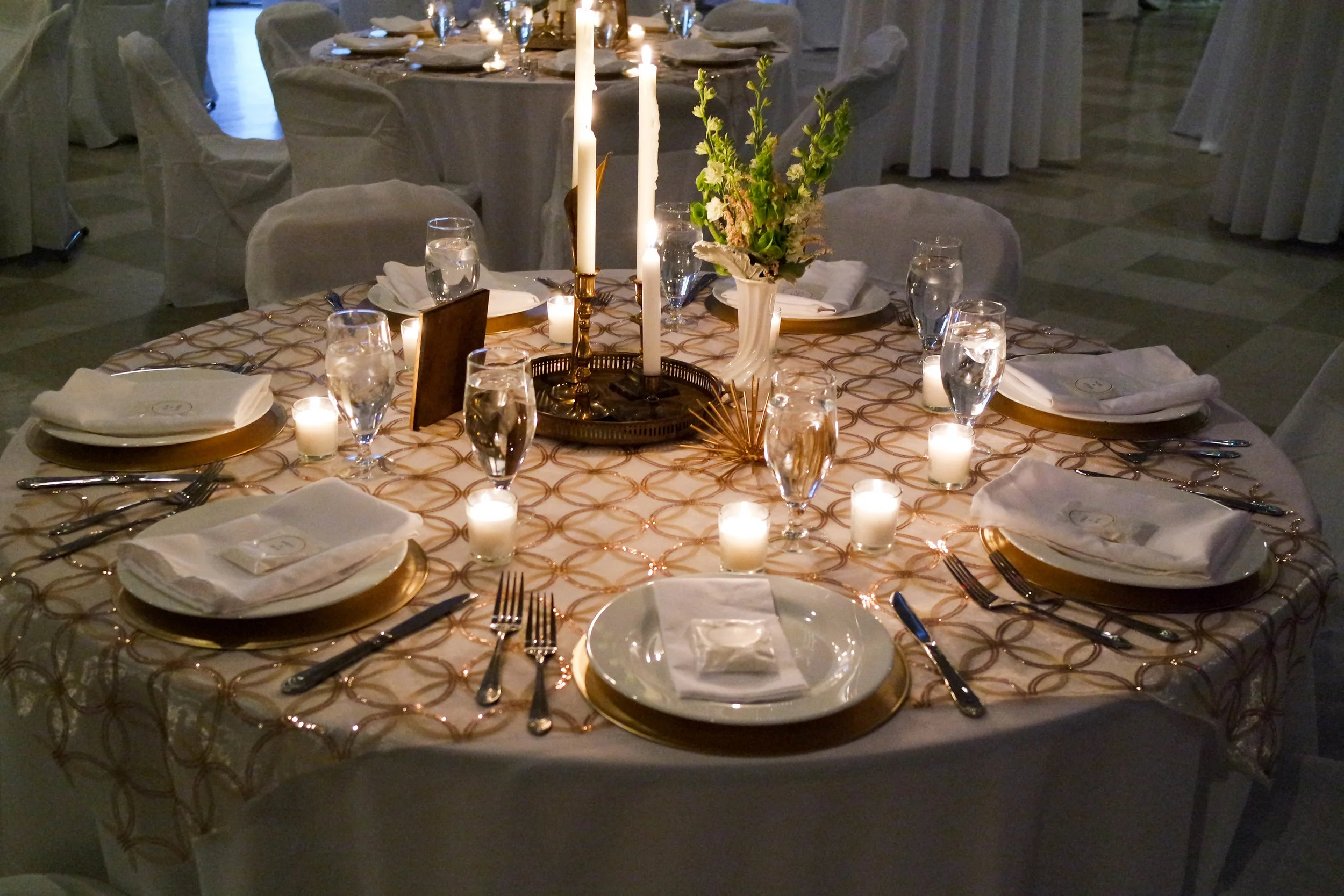
Audience comfort affects the final audio. Give guests a clear arrival time, explain whether the event is being filmed and make the recording rules visible before they enter. Bar service should be arranged so that glassware, ice and conversation do not pass directly behind the microphones. Catering can be scheduled before or after the main recording, with food service paused during sensitive interviews and quiet segments.
For organisers used to Australian venues, the rhythm may resemble a small Melbourne podcast night or a Brisbane creative industry panel, but American event expectations can differ. Confirm door times, tipping practices, payment methods, parking advice and age restrictions in advance. If Australian guests are attending, remember that many will be accustomed to contactless payments and early coffee-based meet-ups, while the local event may begin later and rely more heavily on evening bar service.
Building A Reliable Production Workflow
A live podcast should be recorded as a broadcast, a multitrack session and a video production at the same time. Capture each host and guest on an isolated track, then record a stereo room feed with audience response. The isolated tracks make it easier to repair interruptions, reduce laughter peaks and balance different voices during editing. A separate ambience microphone preserves the feeling of being in the room.
Use a primary recorder and an independent backup. The backup can be a second recorder, a camera audio input or a compact field recorder connected to a separate feed. Check every cable, battery, memory card and power supply during the soundcheck. A short rehearsal should cover introductions, guest names, music cues, audience questions and the handoff between segments.
Video planning deserves equal attention. A two-camera setup can provide a wide master shot and a closer host or guest angle, while a third camera can capture audience reactions. Record a clean feed of slides or visual material if the episode includes demonstrations. Slate the session with the episode title, date and location, and clap or speak a sync marker before the event begins.
A run sheet keeps the production calm. Include load-in, room setup, soundcheck, doors, recording start, breaks, audience questions, catering windows and pack-down. If the event is promoted alongside a larger community programme such as Camden Comic Con, allow extra time for guest arrivals, merchandise, photography and crowd movement. The public-facing schedule should be simpler than the internal production document.
Permissions, Music And Guest Agreements
Every person who speaks on a recorded live show should understand what is being captured and where it may be published. Use written guest releases for hosts, panellists, performers and audience members who ask questions on stage. A visible notice at the entrance can explain that audio and video recording is taking place, but it should not replace a clear process for guests who do not want to appear.
Australian producers need to consider the Privacy Act 1988 and the privacy expectations of guests whose voices or images are collected, especially when personal information is published online. State and territory listening-device laws also vary. New South Wales, Victoria, Queensland and other jurisdictions do not all treat private conversations in the same way, so legal advice is sensible when a production involves remote guests, hidden recording, private discussions or audience material. Florida’s recording rules should be reviewed as well, since consent requirements may apply to captured conversations.
Music creates a separate rights issue. A theme tune, walk-on track, live performance or clip played in the room may require permission for both the event and the published podcast. Australian organisations often deal with APRA AMCOS and PPCA, while a recording made in Florida may involve United States rights holders and venue-specific arrangements. Keep cue sheets, licences and written permissions with the project files rather than relying on an informal agreement with a performer.
Guest agreements should cover recording, editing, promotional clips, social media extracts, revenue arrangements and the right to remove material that creates a genuine privacy or safety concern. If the event includes a sponsor, document who owns the raw files and who approves branded segments. A practical release process protects the show without making guests feel as if they are entering a complicated production contract.
Budgeting Catering And Promotion
The production budget should separate venue costs from technical, travel, staffing and content expenses. Include microphones, stands, recorders, camera operators, editors, data storage, insurance, guest travel, signage and contingency funds. Australian organisers should account for exchange-rate movement, international card fees and GST treatment when comparing supplier quotes. An Australian business paying United States suppliers may need advice from its accountant about tax records and foreign currency expenses.
Catering can make a noticeable difference to the audience experience. Offer food before the recording or during a planned break instead of serving meals while guests are speaking. The Wooly’s in-house catering can simplify timing and coordination, particularly for a corporate recording, private celebration or industry panel. For a food-focused episode, a short tasting segment can work well, provided packaging, cutlery and microphone placement are designed around it. A themed event could connect with a local food brand such as Chili Chillin, subject to appropriate sponsorship and usage agreements.
Promotion should tell people exactly what they are attending. State whether the ticket includes entry to the live recording, a filmed audience experience, food, drinks or a later episode release. Use a short trailer recorded at the venue, stills of the room and a simple explanation of the format. Australian listeners may be deciding whether to travel from Sydney, Adelaide or Perth, so publish the local time in both Eastern Time and Australian time zones when relevant.
The Wooly’s own event channels, the podcast’s mailing list and guest social accounts can work together. A corporate audience may need a private registration list, while a public show needs ticketing, door staff and a capacity plan. For a celebration or industry gathering, reviewing the venue’s private party booking process can clarify the information needed before the date is held.
Choosing The Right Format And Final Setup
The best format depends on the desired relationship between host, guest and crowd. A small seated interview creates intimacy and gives editors clean dialogue. A panel suits a topic with contrasting viewpoints, although the host must manage turn-taking carefully. A live storytelling show can use lighting and music to build atmosphere, while a concert podcast may require a dedicated audio engineer and a separate mix for the performance.
The following comparison can help shape the booking brief:
| Format | Audience setup | Main technical need | Best use |
|---|---|---|---|
| Seated interview | Theatre seating or small rows | Two or three isolated voice tracks | Personal stories and expert guests |
| Panel discussion | Theatre seating with stage table | Four or more microphones and a strong moderator | Community, business and cultural topics |
| Live storytelling | Cabaret or theatre layout | Focused stage lighting and room ambience | Narrative episodes and comedy |
| Music-led episode | Standing or mixed floor plan | Multitrack performance recording and monitor mix | Bands, singer-songwriters and artist interviews |
| Corporate podcast | Cabaret seating or classroom layout | Presentation feed, audience microphones and clean video | Internal communications and industry events |
Before doors open, record thirty seconds of room tone with the air-conditioning, bar equipment and audience areas in their normal state. Check that the host can hear every guest, that the audience can hear the playback and that the camera operators have unobstructed views. Keep spare cables, batteries, storage cards, gaffer tape and printed releases at the production desk.
After the recording, create at least three copies of the media in separate locations. Name files consistently with the date, camera or microphone number and segment. Back up the session before travelling, especially when returning to Australia across multiple time zones. A simple post-production schedule can then cover dialogue editing, music clearance, video assembly, captions, show notes and the release of short promotional clips.
The most practical approach is to treat The Wooly as a complete live-production environment rather than simply a place to put microphones. Confirm the room layout, technical requirements, permissions, catering plan, audience policy and backup workflow in writing. With those details settled, the hosts can focus on the conversation, the crowd can enjoy the event, and the finished podcast can carry the character of Gainesville long after the recording ends.
Follow the Calendar
News, ticket links, and last-minute additions posted across our channels.
Explore the Venue
Five pages covering the full run of programming and private bookings.
Browse the schedule for movie showings, live music, and art shows.
Weddings, holiday banquets, cocktail parties, and anniversaries.
Meetings, networking, luncheons, and fundraisers with AV support.
Concerts, film screenings, art showcases, and community pop-ups.
Photos from past concerts, private functions, and gatherings.