
Live shows, movie nights, art openings, private parties, and corporate meetings at 20 N Main St — minutes from the University of Florida and Shands Hospital.
Stay in the Loop
Get the next show, screening, and event announcements sent to your inbox.
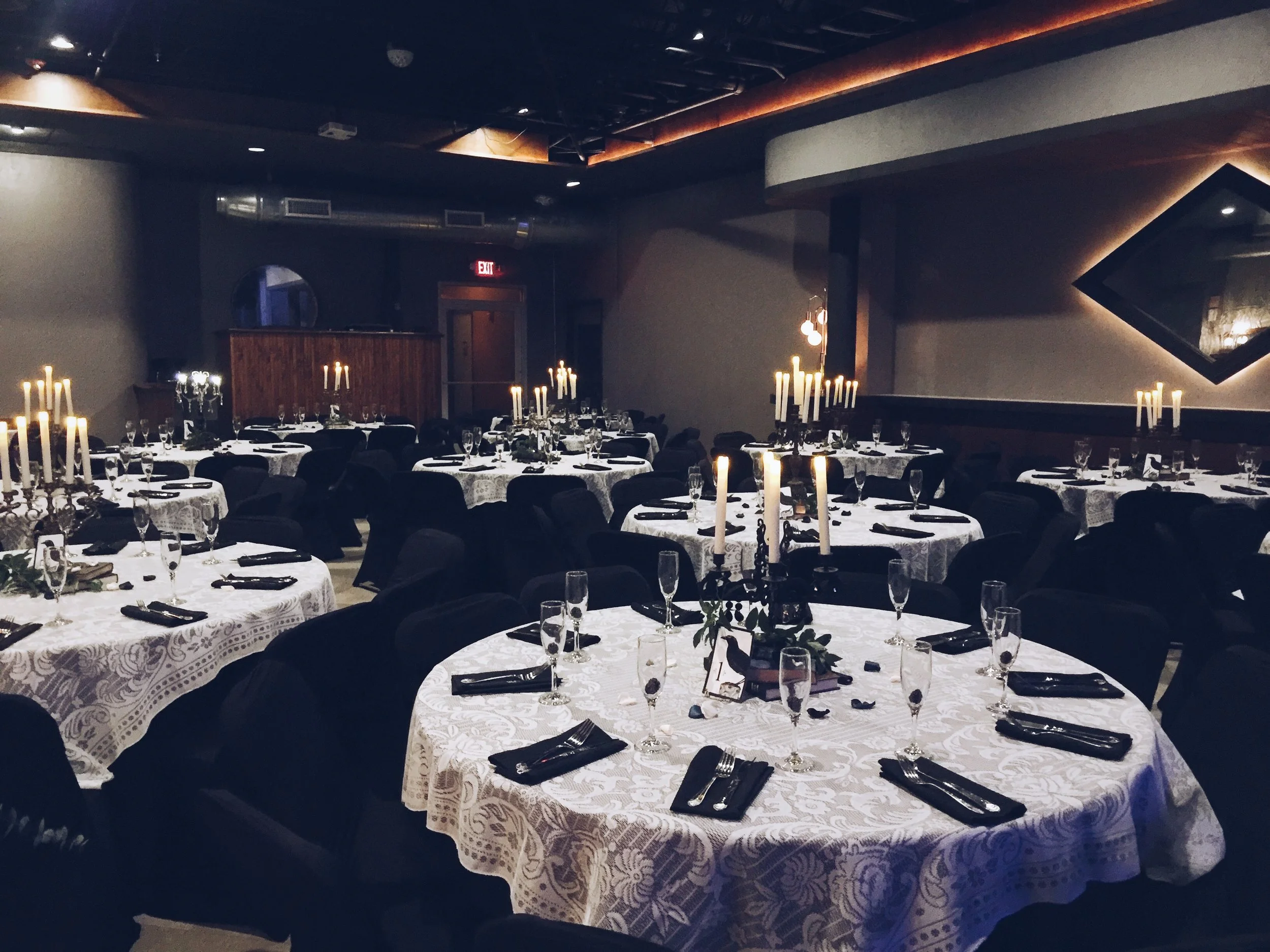
Inside the Room
A look at the stage, the floor, and the nights that move through them.

How The Wooly Works With University Of Florida Student Groups
For University of Florida student groups, an event is rarely just a booking. It may be a club fundraiser, a society meeting, a welcome-night concert, a panel discussion, a film screening or an end-of-semester celebration. The Wooly gives these groups a central Gainesville venue where the room, production setup, catering and bar can be shaped around the purpose of the gathering.
The venue sits at 20 N Main Street in downtown Gainesville, close to the University of Florida and Shands Hospital. That location makes it practical for students coming from campus, nearby housing and the city centre, while its flexible floor plan can accommodate both an intimate organisation meeting and a larger event with performers, food service and dancing.
For Australian readers, the process may feel familiar in broad terms but different in important details. A university club in Melbourne, Sydney or Brisbane may be used to EFTPOS payments, GST-inclusive prices, RSA expectations and state-based workplace safety rules. A group working with a Florida venue must instead pay close attention to US contracts, local alcohol requirements, occupancy limits, accessibility standards and the university’s own approval procedures.
Starting With The Student Group’s Purpose
The first useful conversation is about what the organisation wants people to do at the venue. A cultural association might need a stage and a dance floor, while a faculty society could be planning a networking evening with speeches, name badges and seated catering. A student media group may need a screening layout, dimmable lighting and a reliable projection system.
The Wooly’s versatility allows the same venue to support several formats. A room can be arranged for a standing concert, a presentation with rows of chairs, a cocktail-style reception or a private dinner. Establishing the event’s purpose early helps the team recommend a layout rather than treating every booking as a standard party.
Student organisers should also identify their audience. An event for 40 committee members has different sound, catering and staffing needs from a public fundraiser advertised across campus. The expected age range, ticketing approach, accessibility requirements and anticipated arrival pattern all affect the operational plan.
Turning A Club Idea Into A Venue Brief
A clear venue brief gives The Wooly practical information to work with. It should include the preferred date, estimated attendance, access time, event finish time, performance or presentation requirements, food preferences and the name of the organisation responsible for the booking. If a group is considering several dates around exams, orientation or a major campus fixture, sharing those options early can make scheduling easier.
University calendars matter. Australian students often think in terms of O-Week, semester teaching periods and mid-year breaks; at UF, student events must also work around fall and spring semesters, football weekends, holidays and examination periods. A Gainesville group may attract a stronger crowd by avoiding a major campus clash, even if the selected date appears convenient to the committee.
The booking contact should distinguish between what is essential and what is desirable. A microphone for a guest speaker is essential; a particular lighting colour may be optional. This distinction helps a student committee make sensible choices if its budget changes or if a supplier requirement adds cost.
Choosing A Layout That Matches The Event
A flexible floor plan is especially useful to student organisations because one night can combine several activities. Guests may enter for registration, move towards a performance area, gather around food stations and then use an open section for dancing or informal conversation. The room should support those transitions without creating bottlenecks at the bar, toilets, exits or ticket desk.
For a panel or society meeting, chairs can face a stage or presentation area, with space at the back for registration and refreshments. A music event may need more open floor area, speaker placement and sightlines to performers. A film screening requires a clear viewing direction, controlled ambient light and seating that remains comfortable for the full programme.
Accessibility needs to be considered during the design stage rather than added at the last minute. Student groups should discuss step-free access, seating spaces, clear paths, hearing or visual support, accessible toilets and any guest-specific arrangements with the venue. In the United States, the Americans with Disabilities Act is a key part of public-event planning, while Australian organisers may be more accustomed to the Disability Discrimination Act and state access guidance. The legal systems differ, but the planning principle is the same: inclusion should be built into the room plan.
Coordinating Audio, Visuals And Performers
The Wooly offers professional audio-visual support, which can reduce the technical burden on a student committee. Organisers should provide a running order that identifies speeches, videos, music cues, presentations, performances and any moments when the room needs to change configuration. A technically simple event is easier to deliver when everyone knows what happens next.
A student band or touring artist may have its own input list, stage plot or production rider. A spoken-word evening may instead require several microphones, a lectern and clear monitoring. Film nights bring separate questions about file formats, aspect ratios, audio levels and screening permissions. Sharing these details before the event allows the venue team to assess what is needed and whether outside equipment or specialist support is involved.
Groups can review the venue’s music and art activity to understand the kinds of creative programmes already presented there. That can help a committee imagine a mixed event, such as a student exhibition followed by live music, or a local artist showcase paired with a society reception.
Technical planning also protects the guest experience. A presenter should not discover on the night that a laptop requires an adaptor, an artist should not arrive without a confirmed load-in window, and a screening team should not be testing a file while the audience is entering. A short production meeting can prevent these avoidable problems.
Building A Food And Beverage Plan
In-house catering gives student groups a way to serve food without coordinating several separate suppliers. Depending on the event, the menu might involve passed appetisers, buffet stations, plated meals, desserts or lighter snacks for a reception. Food choices should reflect the event’s duration, guest expectations and the amount of time people will spend standing or moving around.
The group should collect dietary information through its registration process and pass it to the venue in a usable format. Vegetarian, vegan, gluten-free and allergy-aware options may be required, but labels and service procedures matter as much as the menu itself. A committee should clarify whether food is included in the ticket price, available to all attendees or reserved for a particular reception area. The Wooly’s food tasting guide offers useful context for thinking through menu selection and tasting.
Australian organisers may instinctively compare the process with a Melbourne or Sydney function where GST is generally included in advertised consumer prices and guests expect widespread card or tap-to-pay use. US venue quotes can present taxes, service charges and other fees differently, so the committee should ask for a complete estimate and identify which items are fixed, variable or dependent on final attendance.
Alcohol service requires particular care. Australia’s responsible service of alcohol framework is familiar to many student organisers, but RSA certificates and state liquor rules do not govern a Florida event. The venue’s bar procedures, identification requirements, service limits and any university rules should be confirmed directly with The Wooly. The safest approach is to let the venue manage service under its applicable Florida permissions rather than treating an Australian club’s normal practice as transferable.
Managing Money, Approvals And Risk
Student groups often depend on membership fees, university allocations, sponsorships, ticket sales or fundraising. A committee should establish who can sign the agreement, who controls the budget and how payments are authorised. It is wise to separate the venue deposit, catering estimate, entertainment costs, promotion, ticketing fees and contingency funds instead of viewing them as one broad event figure.
University approval may be required before a student organisation can spend allocated funds, invite an external performer or advertise an event to the wider public. The group should check UF’s requirements alongside the venue’s booking terms. Depending on the event, there may also be questions about insurance, security, amplified sound, external vendors, performer agreements and the handling of ticket revenue.
Risk planning should cover more than bad weather. Organisers need a guest-capacity plan, emergency contacts, a process for lost property, an approach to disruptive behaviour and a clear person responsible for decisions during the event. Fire and occupancy rules are not simply administrative details; exceeding the permitted capacity can create immediate safety and legal problems.
Australian workplace health and safety obligations can make students familiar with risk registers, incident reporting and duty-of-care language. In Gainesville, the exact legal framework is different, but a similar mindset is valuable. The committee, venue and suppliers should know who is responsible for bump-in, equipment, performers, food handling, guest welfare and closing the space.
Promoting The Event To A Campus Audience
Promotion works best when the event’s benefit is obvious. “Student social” is broad, while “UF International Film Night with local food and live music” tells prospective guests what they will experience. A strong listing should provide the date, venue, start time, ticket details, age or identification requirements, accessibility information and whether food is included.
The Wooly’s upcoming events calendar can help student groups see how public programming is presented and how their event might sit within the wider Gainesville entertainment schedule. A committee can then coordinate its own social posts, campus newsletters, club channels and partner organisations without creating conflicting information.
Australian students may be accustomed to promoting events through Facebook groups, Instagram stories, student union channels and QR codes displayed around campus. Those habits also work in Gainesville, but messages should be tailored to UF students and local travel patterns. A venue in downtown Gainesville is close to campus, yet attendees still need practical guidance about walking routes, parking, rideshare drop-off and late-night transport.
Ticket release timing deserves attention. Early registration can reveal likely demand and dietary requirements, while a final RSVP deadline helps the venue plan staffing and catering. If the event is free, requiring a registration can still reduce uncertainty and provide a way to communicate schedule changes.
A Practical Planning Checklist
The strongest student-led events usually come from a short, disciplined planning process rather than a large committee with unclear responsibilities. Appoint one venue liaison, one finance lead and one programme or production lead. Keep a shared document containing the current guest count, final schedule, supplier contacts, menu decisions and approval status.
Use the following checklist when preparing the booking:
- Confirm the organisation’s purpose, audience, date options and expected attendance.
- Ask for a detailed quote covering room hire, catering, bar arrangements, staffing, taxes and service charges.
- Submit the event brief, stage plot, presentation files or screening requirements well before the event date.
- Collect dietary, accessibility and attendance information through a clear registration process.
- Verify UF approval, insurance, performer paperwork and any external supplier permissions.
- Create a running sheet with arrival, soundcheck, catering, doors, speeches, performances, closing and pack-down times.
A final walk-through should take place with the venue contact and key student organisers. It should cover where guests enter, where registration sits, how food is served, who controls presentations, how the bar operates and what happens if the timetable falls behind. This meeting is also a sensible time to confirm the final headcount and any last-minute access requirements.
Building A Reliable Partnership
The relationship works best when student groups treat The Wooly as an event partner rather than simply a room to unlock. The venue brings experience in concerts, film screenings, art openings, private celebrations, meetings and community programmes. Student organisers bring knowledge of their members, campus culture and the purpose behind the gathering. Good planning connects those two forms of expertise.
That partnership can continue across the academic year. A society might begin with a small committee reception, return for a public cultural showcase, and later organise a larger fundraiser with performers and catering. Working with a familiar venue team can make future briefs more efficient because the group already understands the room, timelines and practical expectations.
For Australian readers comparing options from afar, the important distinction is that this is a Gainesville event delivered within Florida’s venue, alcohol, accessibility and safety environment. Familiar habits such as tap payments, GST budgeting, RSA procedures and Australian university approvals should be treated as points of comparison, not assumptions about how the booking will operate.
The Wooly works well for University of Florida student groups because its format can change with the occasion. When the organisation defines its purpose, shares accurate information, plans for accessibility and safety, and confirms costs early, the venue can support a polished event that feels organised without losing its student character. The key thing to remember is that a successful booking begins long before guests arrive: it starts with a clear brief and a shared plan.
Follow the Calendar
News, ticket links, and last-minute additions posted across our channels.
Explore the Venue
Five pages covering the full run of programming and private bookings.
Browse the schedule for movie showings, live music, and art shows.
Weddings, holiday banquets, cocktail parties, and anniversaries.
Meetings, networking, luncheons, and fundraisers with AV support.
Concerts, film screenings, art showcases, and community pop-ups.
Photos from past concerts, private functions, and gatherings.