Live shows, movie nights, art openings, private parties, and corporate meetings at 20 N Main St — minutes from the University of Florida and Shands Hospital.
Stay in the Loop
Get the next show, screening, and event announcements sent to your inbox.
Inside the Room
A look at the stage, the floor, and the nights that move through them.

Hosting a film premiere at The Wooly from start to finish
A film premiere is more than a screening with a red carpet. It is a carefully timed public experience that introduces a story, gives guests a reason to gather and creates the right conditions for conversation afterwards. At The Wooly in downtown Gainesville, Florida, that experience can combine cinema, live performance, hospitality and community in one adaptable venue.
The space at 20 N Main Street is close to the University of Florida and Shands Hospital, making it convenient for local audiences, visiting filmmakers, students, arts supporters and industry guests. Its flexible floor plan, professional audio-visual support, full-service bar and in-house catering allow the event to move naturally from arrivals to screening to celebration.
For an Australian producer, distributor or festival team, planning in Gainesville involves a few additional practical layers. Flights from Sydney, Melbourne, Brisbane or Perth require careful allowance for time-zone changes, and event costs will be quoted in US dollars. A budget should account for currency fluctuations, international transfers, travel insurance and possible visa requirements for anyone working at the event.
Australian event habits can also influence the format. Guests may expect a strong coffee service, clear dietary labelling, accessible ticket information and a relaxed opportunity to meet the creative team. Those expectations can be built into the evening while still respecting Florida rules, local suppliers and the character of a university city.
Shape the premiere around its audience
Begin with the purpose of the screening. A director-led premiere for cast, crew and press will need a different rhythm from a public launch designed to sell tickets and build word of mouth. Decide whether the priority is reviews, distribution conversations, community engagement, fundraising or a memorable first audience reaction.
The guest list should then be divided into useful groups: filmmakers, talent, media, sponsors, students, arts organisations, local officials and general ticket buyers. Each group may need a different arrival instruction or seating arrangement. Reserved seats near the front can be held for the creative team, while general admission keeps the room welcoming for local supporters.
The Wooly’s adaptable event environment is well suited to a premiere that includes a step-and-repeat, sponsor display, merchandise table or post-screening reception. A smaller film may benefit from an intimate layout with cabaret-style seating. A larger release could use a standing arrival area, theatre-style rows and a separate bar zone.
If the premiere forms part of a wider festival, study the guidance on festival event planning before confirming the wider programme. It can help clarify how a film screening fits alongside workshops, parties, artist talks or other public activities.
Set the date, budget and permissions
Choose a date that supports attendance rather than simply matching the filmmaker’s travel schedule. Gainesville’s university calendar, public holidays, exam periods and major local events can affect turnout. A weekday evening may suit students and professionals, while a Saturday screening creates more time for a reception and media activity.
Create a working budget in US dollars with separate lines for venue hire, projection, audio, staffing, catering, bar service, décor, insurance, publicity, guest travel and contingency. Australian organisers should avoid treating a favourable exchange rate as guaranteed. A modest reserve can absorb bank fees, last-minute equipment hire or changes to international travel.
Legal and compliance checks should happen early. Confirm who owns the screening rights, whether music and still images are cleared, and whether trailers or short films require separate permissions. For Australian businesses, GST and business-record requirements may apply at home, while the US supplier will generally invoice under its own American tax arrangements. An accountant can clarify how the transaction should be recorded.
Alcohol service also needs local attention. Florida’s rules are not the same as Australia’s Responsible Service of Alcohol requirements, and the legal drinking age in the United States is 21. The venue’s bar team should manage identification, service limits and closing times. If an Australian guest is being paid to work in the United States, check the appropriate immigration status before travel rather than assuming a tourist entry covers employment.
Prepare the film and screening experience
A premiere depends on reliable playback. Supply the final film in the format requested by the technical team and provide a backup copy through an agreed secure method. Confirm resolution, frame rate, audio channels, subtitles, captions, aspect ratio and running time. A short technical test should take place well before doors open.
Ask for a complete screening schedule, including sponsor slides, house announcements, trailers, opening remarks, the film, credits and any post-screening discussion. A host should know precisely when to welcome guests, introduce the director and hand over to the moderator. Keeping speeches concise protects the audience’s attention and preserves the emotional impact of the film.
Accessibility should be part of the screening plan rather than an afterthought. Confirm wheelchair access, seating options, caption availability, hearing assistance and a quiet area if the venue can provide one. Australian audiences are increasingly accustomed to clear accessibility information on ticketing pages, so publish practical details before sales begin.
The same preparation applies to a mixed programme. If the premiere includes a short film, music performance or discussion, map every changeover and test each file. A multi-genre weekend can offer useful ideas for moving between different forms of entertainment without making the audience feel that the programme is disjointed.
Design arrivals, hospitality and branding
The first ten minutes establish the tone. Use clear signage from the pavement and entrance, particularly for guests unfamiliar with downtown Gainesville. A check-in table should have a guest list, ticket scanner or manual backup, press credentials, reserved-seat information and a contact person who can solve problems discreetly.
A small arrival experience can make the premiere feel distinctive. Consider a photographer, branded backdrop, local floral arrangement, film stills, programme cards or a display of production notes. Avoid filling every wall with logos. The most effective branding gives guests enough context to recognise sponsors without competing with the film.
Food should support the event rather than interrupt it. Passed canapés or a light grazing arrangement work well before the screening, while a more relaxed reception can follow the credits. Confirm vegetarian, vegan, gluten-free and allergy-sensitive choices in advance. Australians often appreciate strong coffee and practical refreshments, especially when travelling across several time zones, so a quality coffee station can be a worthwhile addition.
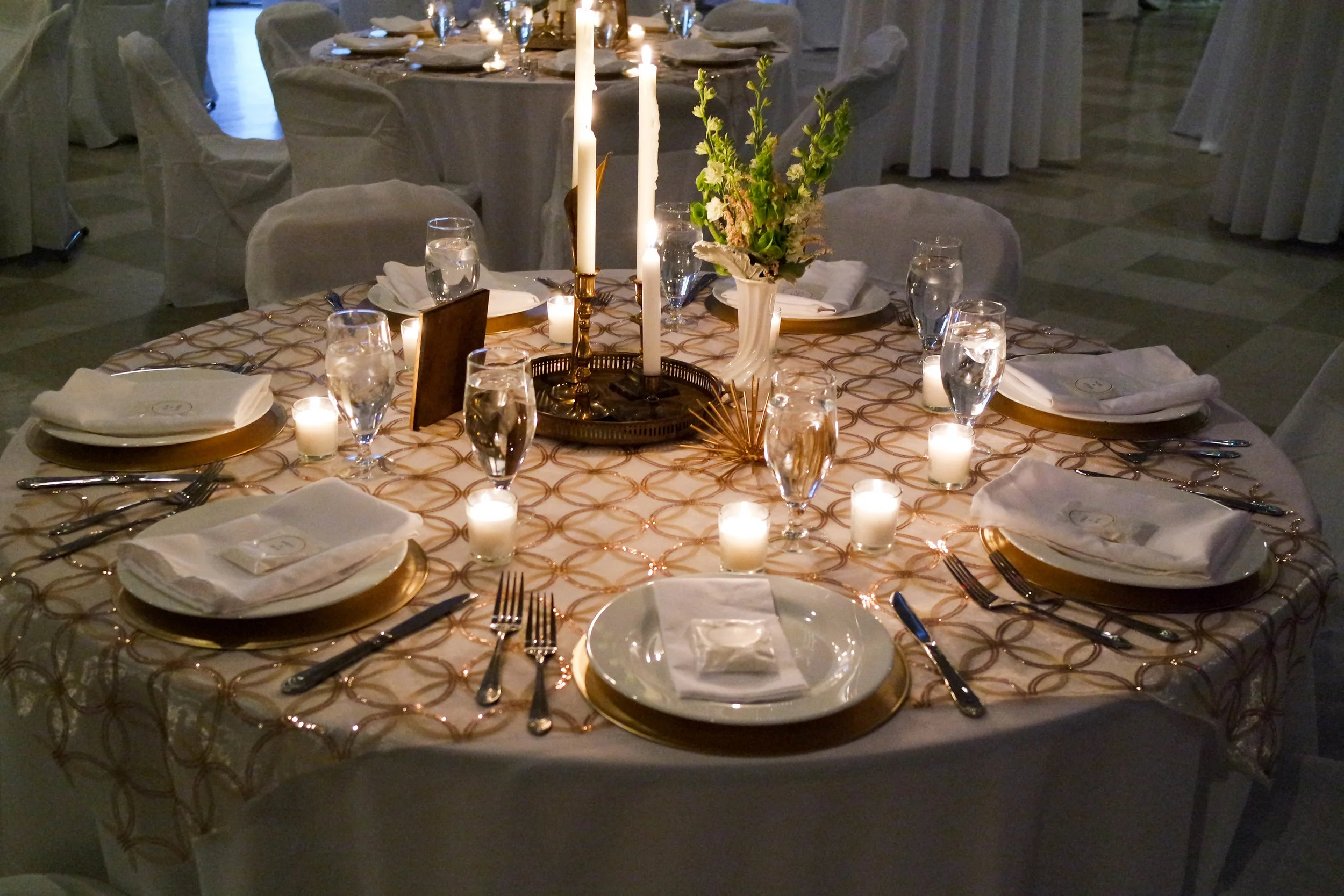
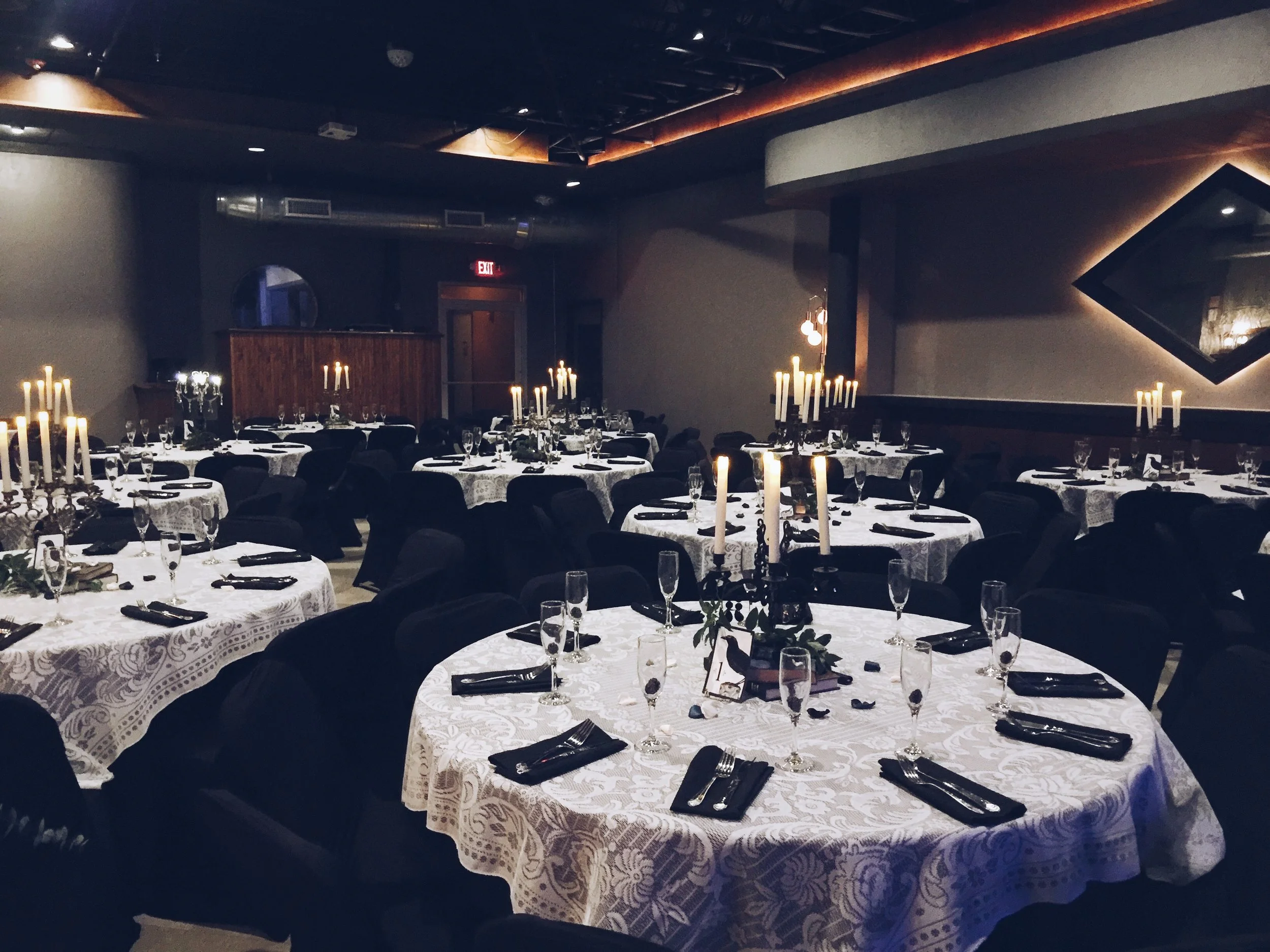
Table styling can be simple but considered. Ideas from elegant table settings can translate into a premiere reception through restrained colour, layered textures and low arrangements that do not block conversation. Keep decorations away from exits, technical equipment and sightlines, and ensure candles or electrical pieces meet venue requirements.
Build the programme beyond the credits
The best post-screening conversation feels like a natural extension of the film. Choose a moderator who can keep answers focused, invite different voices and handle sensitive subjects with care. Prepare several opening questions, but allow room for the audience’s response. A discussion of 20 to 30 minutes is often long enough to add value without exhausting guests.
If cast or crew are attending from Australia, schedule their appearances with travel recovery in mind. A filmmaker arriving from Melbourne may be operating on a very different body clock, while a guest travelling from Los Angeles may need a simpler schedule. Allow private preparation time, a proper meal and a clear briefing before any press interviews.
Entertainment after the film should match the audience and story. A live acoustic set, DJ, reading, visual art display or themed conversation may work better than a generic party. If the film has a strong connection to food, sport, nightlife or a particular community, let that connection guide the reception rather than forcing a decorative theme.
Games or side activities should be used carefully. A sophisticated lounge-style element may suit a late-night industry reception, but it should never distract from the film or imply unlicensed gambling. Anyone considering a casino-inspired social feature should read a baccarat guide first and confirm that any activity remains entertainment rather than wagering.
Run the event with a precise timeline
Create a master run sheet that starts with supplier access and ends with the final pack-down. Include room setup, technical checks, catering arrival, staff briefing, guest check-in, media calls, VIP arrivals, house opening, screening start, discussion, reception and venue close. Give every major task an owner rather than assigning responsibility to “the team”.
A useful event-day sequence might begin with venue access in the morning, followed by furniture and branding installation. The projection and sound test should happen before catering takes over the room. The film should be played from the exact file intended for the audience, with a backup ready and the projection area protected from unnecessary traffic.
Before doors open, hold a short briefing covering emergency exits, accessibility, lost property, guest flow, alcohol service, press handling and who can pause the programme if a technical issue occurs. A calm front-of-house team makes a much stronger impression than elaborate décor. Staff should know where the director, moderator, caterer and technical lead are located.
After the event, protect the value of the premiere by following up promptly. Send approved photographs, press notes and viewing information to media contacts, thank partners and record attendance, ticket revenue, catering numbers and technical issues. Save the final run sheet, supplier contacts and audience feedback in one project folder so the next screening begins with evidence rather than guesswork.
A successful premiere at The Wooly should feel effortless to guests because the preparation has been highly deliberate. The film remains the centre of attention, while the venue, hospitality, technology and programme support its arrival in Gainesville. For an Australian team, the strongest results come from combining local knowledge with familiar audience care: clear information, thoughtful food, good coffee, accessible planning and a schedule that respects people’s time.
The first practical step is to request a venue conversation with The Wooly and bring a one-page brief covering the film length, preferred date, guest estimate, technical format, catering style and post-screening plans.
Follow the Calendar
News, ticket links, and last-minute additions posted across our channels.
Explore the Venue
Five pages covering the full run of programming and private bookings.
Browse the schedule for movie showings, live music, and art shows.
Weddings, holiday banquets, cocktail parties, and anniversaries.
Meetings, networking, luncheons, and fundraisers with AV support.
Concerts, film screenings, art showcases, and community pop-ups.
Photos from past concerts, private functions, and gatherings.