Live shows, movie nights, art openings, private parties, and corporate meetings at 20 N Main St — minutes from the University of Florida and Shands Hospital.
Stay in the Loop
Get the next show, screening, and event announcements sent to your inbox.
Inside the Room
A look at the stage, the floor, and the nights that move through them.

Hosting a Memorable Nonprofit Gala at The Wooly
A nonprofit gala needs to do several jobs in one evening. It should raise meaningful funds, explain the organisation’s purpose, make supporters feel valued, and give guests a polished social experience. The Wooly in downtown Gainesville, Florida, provides a flexible setting for that balance, with space for dining, speeches, entertainment, fundraising activities, and a lively dance floor.
For Australian organisers, the venue can also suit an overseas donor event, an international partner celebration, or a fundraising evening connected with the University of Florida and the wider Gainesville community. Planning from Australia means allowing for US currency, time zones, travel arrangements, and different licensing requirements, while still using familiar gala principles such as table sponsorships, a strong MC, a silent auction, and a clear fundraising target.
Define The Purpose Before Booking
The strongest charity events begin with a precise purpose. A gala may be designed to fund a new programme, celebrate a major milestone, secure recurring donors, or introduce an organisation to a new supporter base. That purpose should guide the guest list, ticket price, entertainment, décor, speeches, and the way donations are presented during the evening.
A useful planning brief can state the fundraising target, the expected number of guests, the ideal net return, and the emotional outcome you want attendees to take away. For example, a medical charity might centre the event on patient stories and research progress, while an arts organisation could use performances and visual displays to demonstrate the value of its work.
Australian nonprofit teams should also decide whether the evening is primarily a donor cultivation event or a public fundraiser. These are different formats. A cultivation dinner may have fewer guests, longer conversations, and carefully selected seating. A public gala may rely on broader ticket sales, sponsorship packages, auction items, and a more energetic programme. If guests are travelling from Melbourne, Brisbane, or Perth, provide a clear schedule in Australian Eastern Standard Time as well as Gainesville local time.
Match The Layout To The Guest Experience
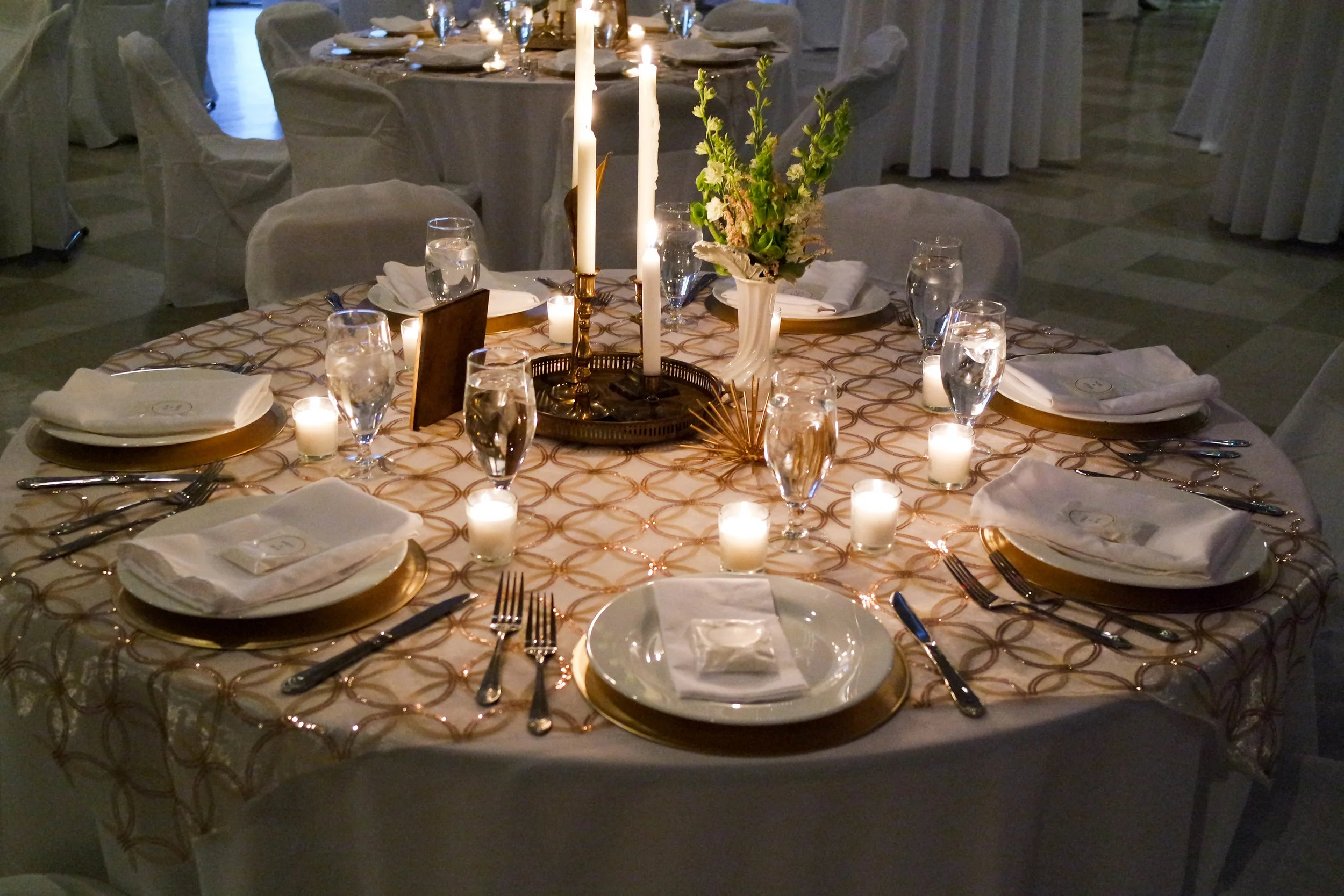
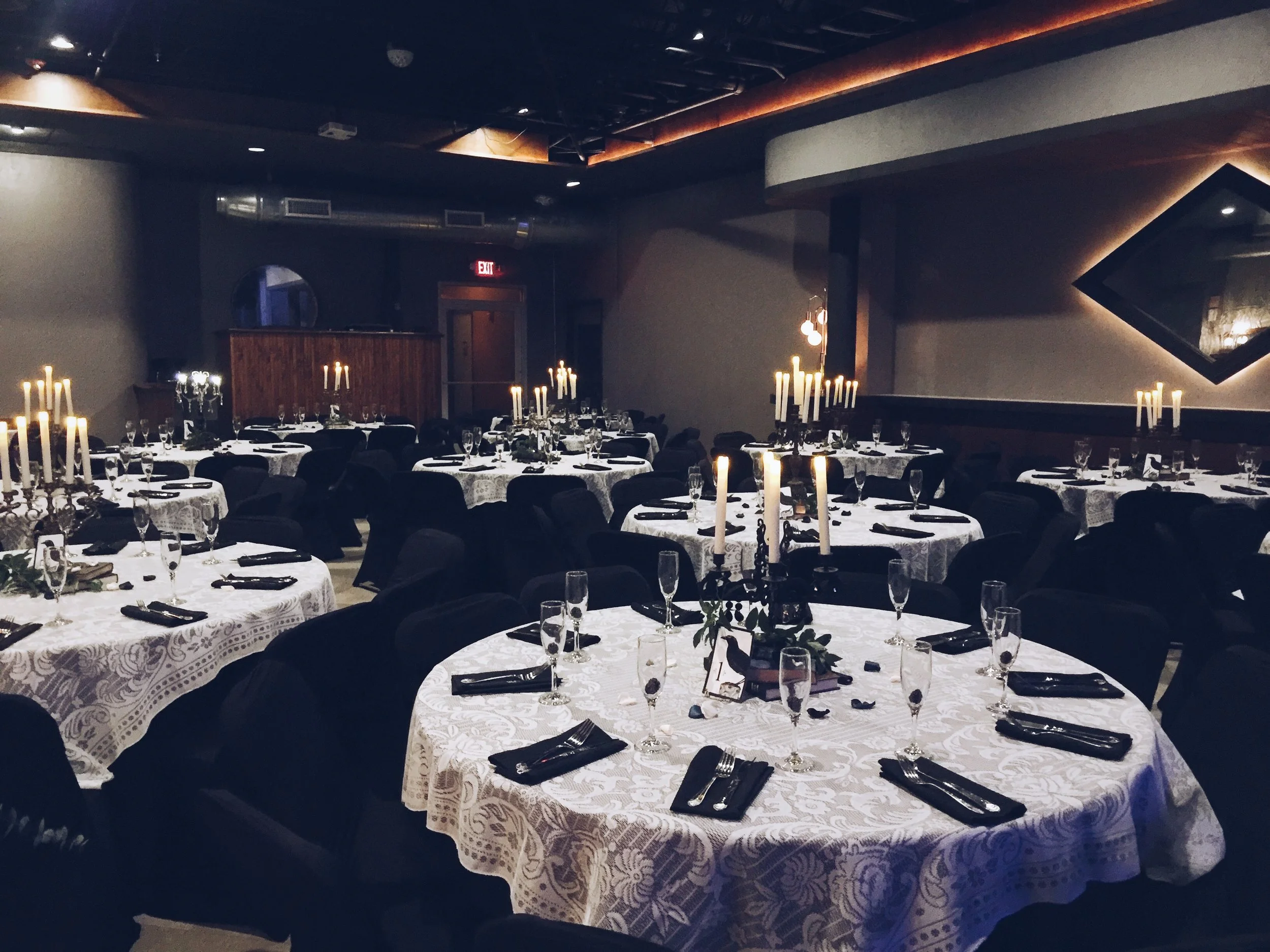
The Wooly’s adaptable floor plan makes it possible to create distinct zones without making the room feel fragmented. A registration point can sit near the entrance, while a bar, sponsor display, auction area, dining tables, stage, and dance space are arranged to support a natural flow through the evening. This is particularly useful when the gala includes both formal moments and relaxed networking.
A seated dinner usually benefits from a central sightline to the stage, with enough room between tables for service staff and guests to move comfortably. If the event includes a silent auction, placing auction items near the bar or reception area can encourage browsing during arrival and intermission. A live auction needs stronger focus, so the auctioneer should have clear visibility of every table and reliable sound coverage throughout the room.
The venue’s professional audio-visual support can help turn a simple room into a branded fundraising environment. Screens may show impact figures, campaign videos, partner logos, or a live donation total. Lighting can distinguish a welcome area from the main programme, then shift the atmosphere when dinner gives way to entertainment. A planning conversation about corporate event details can help an organising committee understand the venue’s approach to production, room setup, and event support.
Create A Programme With Emotional Shape
A gala programme should feel purposeful rather than crowded. Guests need time to arrive, order a drink, meet their tablemates, and settle into the evening before the first formal remarks. A short welcome can establish the cause, followed by dinner, a beneficiary story, an entertainment segment, and a fundraising appeal. Keeping each speaking slot focused protects attention and leaves room for genuine conversation.
Personal stories are often the emotional centre of a charitable event, but they should be handled with care. A speaker should understand the audience, the purpose of the appearance, and the boundaries around private information. Written consent, accurate captions, and a respectful briefing are important when stories involve health, hardship, children, or vulnerable communities.
Music and visual art can give the evening a distinct identity without distracting from the cause. The Wooly regularly supports concerts, film screenings, art openings, and community events, so its music and art programme can provide useful context when selecting local performers or creative collaborators. An acoustic set may suit a reflective dinner, while a local band can lift the room after the appeal and encourage guests to stay longer.
For an Australian audience, entertainment choices can include a familiar local touch even when the event takes place in Florida. A guest MC from Sydney or Adelaide might refer naturally to an “arvo” event briefing or a “mates” fundraising team, but the tone should remain polished and accessible for American guests. Avoid assuming that Australian humour, sports references, or slang will land equally well with every table.
Build A Financially Responsible Fundraising Model
The ticket price should cover more than the meal. A responsible budget accounts for venue hire, catering, bar service, entertainment, production, décor, photography, auction administration, payment processing, insurance, transportation, and contingency funds. Separate fixed costs from per-person costs so the committee can see how additional ticket sales affect the final result.
Currency conversion matters when a fundraising team is based in Australia. Set a working budget in US dollars for venue and supplier costs, then show the approximate Australian-dollar equivalent for the board or finance committee. Exchange rates can move between approval, ticket sales, and final payment, so a small reserve is sensible. If the charity is Australian-registered, confirm how sponsorship income, ticket components, donations, and tax receipts should be treated under its own reporting obligations rather than assuming US and Australian rules are interchangeable.
Budget Lines Worth Tracking
- Venue hire, staffing, security, cleaning, and required insurance
- In-house catering, bar packages, dietary requirements, and service charges
- Audio-visual production, staging, microphones, screens, and presentation support
- Entertainment, speaker travel, accommodation, and performer fees
- Auction costs, payment processing, currency conversion, and contingency
Sponsorship packages can improve the event’s financial position before tickets go on sale. Offer practical benefits such as logo placement, reserved tables, acknowledgement from the stage, inclusion in digital materials, or a private reception. Keep the packages credible: a small business should not be promised the same level of exposure as a principal sponsor, and every benefit should be deliverable within the venue’s layout and production schedule.
The bar model deserves careful attention. A hosted bar may create a generous atmosphere but can become unpredictable financially. A limited package, drink tokens, or a cash-and-card arrangement may be more appropriate. The Wooly offers a full-service bar, allowing the host committee to discuss a structure that suits the budget and guest profile while respecting Florida alcohol regulations.
Make Technology Serve The Cause
Technology is most effective when it removes friction. Online registration should capture dietary needs, accessibility requirements, seating preferences, sponsor information, and consent for event communications. A QR code on the table can lead to a donation page or auction catalogue, but printed alternatives are still useful for guests who prefer a low-tech experience.
Presentations should be tested in the actual room, not only on a laptop in a committee meeting. Check video playback, captioning, aspect ratio, microphone levels, slide readability, and the position of confidence monitors for speakers. Ask whether the event can support a live donation thermometer or a remote greeting from a major supporter. If the gala is connected to a digital campaign, a streaming app review offers a useful reminder that reliable online delivery depends on testing, bandwidth, hosting, and a clear fallback plan.
Australian guests may be joining from several time zones, so a livestream or recorded highlights package can extend the event’s reach. An evening in Gainesville occurs during the Australian morning or late morning depending on daylight-saving differences, which may suit a remote message from an Australian patron but may not suit live participation by an entire committee. Record key speeches and prepare a concise post-event video for supporters who cannot attend.
Accessibility should be built into the production plan. Use captions on videos, provide large-print or digital materials, keep aisles clear, and brief the MC on respectful language. Ask The Wooly’s team about loading access, seating flexibility, stage access, and any venue-specific accessibility arrangements well before invitations are issued.
Welcome Gainesville Into The Story
A gala at The Wooly should feel connected to its location rather than transplanted into a generic ballroom. The venue is at 20 N Main Street in downtown Gainesville, near the University of Florida and Shands Hospital. That location can be valuable for a health, education, research, arts, or community-focused organisation whose work intersects with local institutions.
Guests travelling from Australia will appreciate a practical arrival guide. Include recommended airports, hotel areas, rideshare information, parking notes, weather expectations, and the approximate journey from campus or Shands Hospital. Gainesville’s warm, humid conditions can influence clothing, outdoor photography, and arrival plans, particularly for visitors accustomed to cooler Australian evenings. A clear note about comfortable footwear and indoor air conditioning is more useful than a formal dress instruction alone.
Local partnerships can add authenticity and fundraising value. A Gainesville artist might create a display, a university-affiliated speaker could explain a research connection, or a local supplier could contribute an auction experience. If Australian and American organisations are collaborating, give both communities visible but balanced recognition. This might include a welcome from an Australian patron, a local impact story, and a sponsor display showing how the partnership operates across borders.
International cultural partnerships can also inform the event’s creative direction. Organisations connected with dance, migration, arts education, or community exchange may find inspiration in groups such as the Istanbul dance community, particularly when considering how movement and cultural identity can support a fundraising narrative. The connection should be genuine and explained clearly, rather than added as decorative international branding.
Confirm Every Detail Before Invitations
A detailed production schedule protects the evening from small problems becoming visible disruptions. It should list supplier arrivals, room access, table setup, soundcheck, catering milestones, speaker rehearsals, auction deadlines, guest registration, bar opening, speeches, and the final departure time. Assign one decision-maker for the venue and one person for fundraising operations so staff do not receive conflicting instructions.
Create a guest journey from invitation to follow-up. The invitation should state the cause, date, location, dress guidance, ticket inclusions, accessibility contact, and whether donations or auction purchases are tax-deductible under the relevant jurisdiction. Registration reminders can share hotel information and transport options, while place cards and table hosts can help first-time guests feel comfortable. Australian visitors may expect direct, practical event information, while American guests may be more familiar with formal sponsor and donor recognition, so write for both groups.
Final Checks For The Event Week
- Approve the floor plan, seating chart, signage, sponsor marks, and dietary list
- Test every video, slide deck, microphone, donation link, auction device, and backup file
- Confirm speaker arrival times, pronunciation, introductions, briefing notes, and accessibility needs
- Reconcile ticket numbers, bar arrangements, supplier balances, currency conversions, and contingency funds
- Prepare thank-you messages, donation receipts, auction fulfilment notes, and a post-event reporting timeline
The follow-up should begin before the room is cleared. Thank guests, sponsors, volunteers, speakers, and venue staff promptly, then report the amount raised and what it will fund. A short impact update is often more valuable than a generic message because it connects the celebration to a measurable result. Share photographs only where the appropriate permissions have been obtained, and record auction deliveries and outstanding pledges in one central system.
The practical next step is to prepare a one-page brief with the target guest count, fundraising goal, preferred date, programme style, catering expectations, and Australian travel considerations, then send it to The Wooly’s events team for an initial venue discussion.
Follow the Calendar
News, ticket links, and last-minute additions posted across our channels.
Explore the Venue
Five pages covering the full run of programming and private bookings.
Browse the schedule for movie showings, live music, and art shows.
Weddings, holiday banquets, cocktail parties, and anniversaries.
Meetings, networking, luncheons, and fundraisers with AV support.
Concerts, film screenings, art showcases, and community pop-ups.
Photos from past concerts, private functions, and gatherings.