Live shows, movie nights, art openings, private parties, and corporate meetings at 20 N Main St — minutes from the University of Florida and Shands Hospital.
Stay in the Loop
Get the next show, screening, and event announcements sent to your inbox.
Inside the Room
A look at the stage, the floor, and the nights that move through them.
Inside a Day with The Wooly’s Event Coordinator
At 20 N Main Street in downtown Gainesville, near the University of Florida and Shands Hospital, a working day at The Wooly starts before the doors open and often ends after the last guest leaves. The same central room can host live music, a film screening, an art opening, a private party, a wedding or a corporate meeting. Each event needs its own sequence of sound checks, furniture, food service, lighting and guest movement, yet the coordinator gives all of them one calm operating rhythm.
The coordinator connects the artist or client, venue crew, suppliers and guests. Their work includes production meetings, floor walk-throughs, vendor arrivals and decisions that never appear in the finished event. Australian event workers may recognise the pace, particularly in Sydney, Melbourne and Brisbane, where busy calendars and audiences that travel for live music shape the local market. Florida’s weather, service customs and time difference add useful contrasts.
Before the Doors Open
A typical first task is to read the day’s full shape, not just its headline act. Overnight messages may bring a revised set length, late caterer, mobility requirement or relocated power drop. The coordinator checks each change against staffing and supplier plans. Weather is part of that review because a Florida storm can disrupt a queue or load-in. The seasonal contrast matters internationally: January is midsummer in Sydney and Brisbane but winter in Gainesville, so Australian visitors should check the local forecast.
Once on site, the coordinator walks from the street entrance to the stage, service points and exits. A flexible floor plan allows the footprint to shift between a seated dinner and a standing show, so sight lines, cable routes, accessible paths and emergency clearances are checked while the room is quiet. Equipment measurements are also checked against delivery dimensions and power requirements, because a flexible room can still impose firm access constraints.
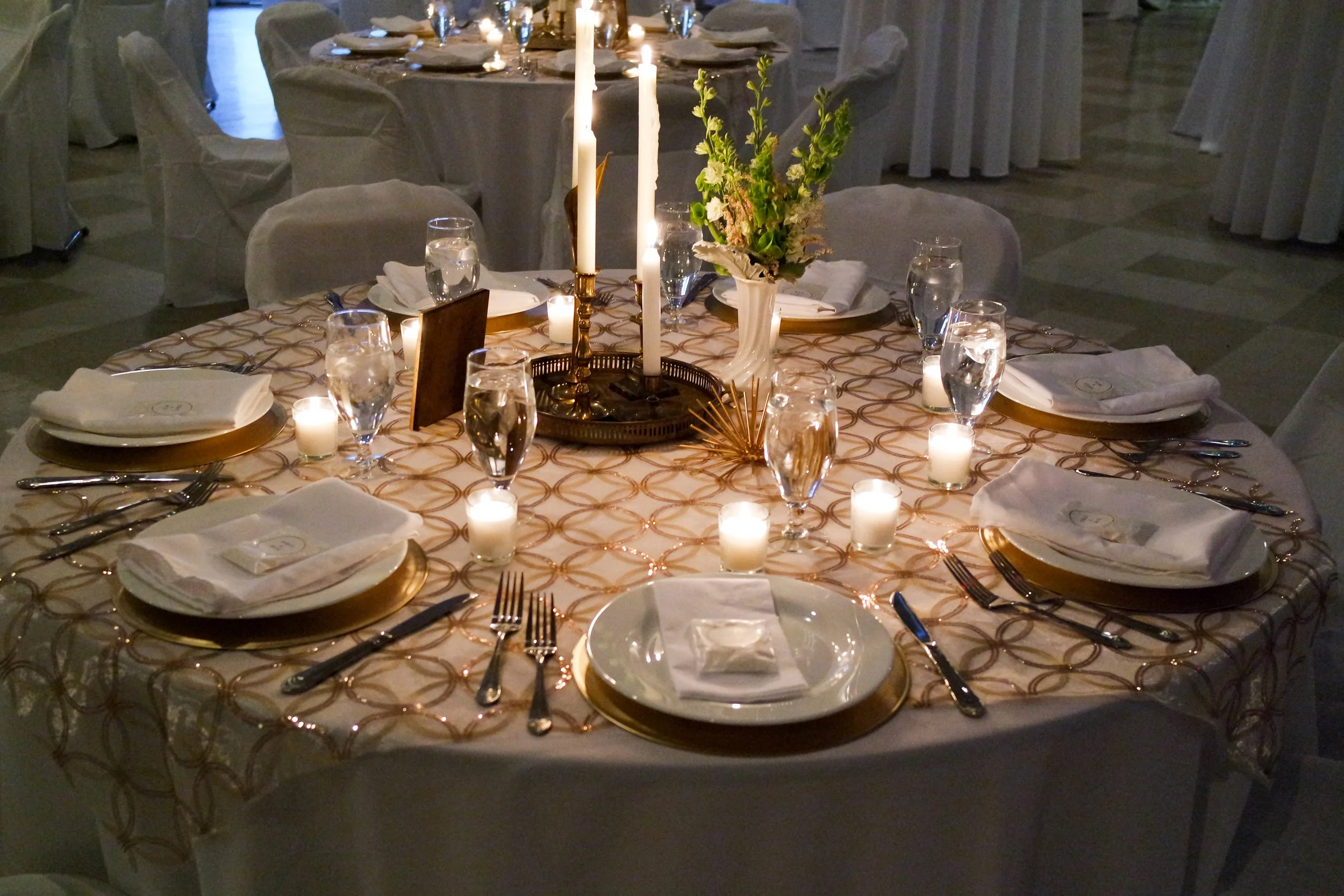
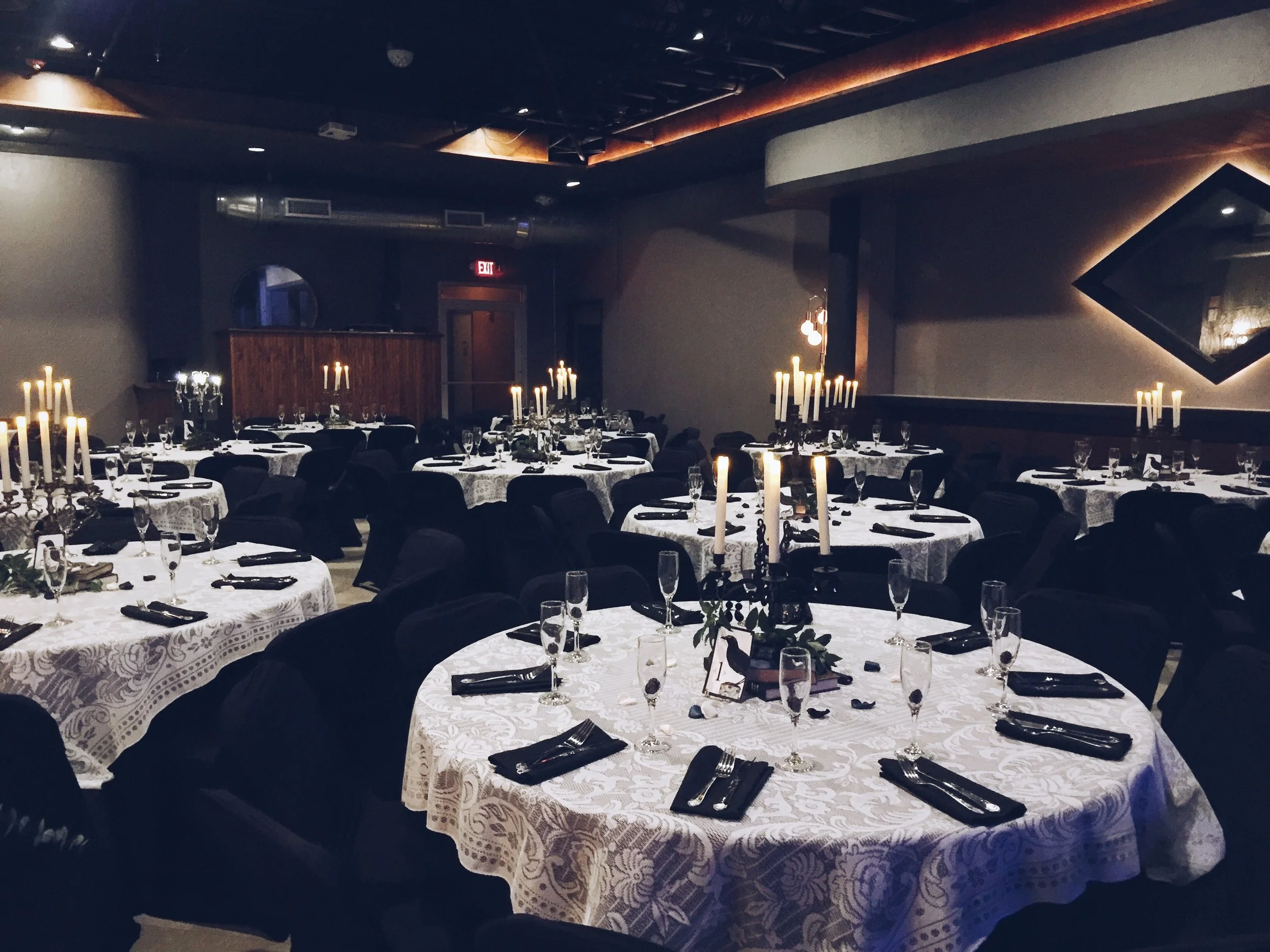
A visual check helps everyone share the same picture. The recent venue images offer useful reference points, although the coordinator confirms details on site rather than trusting a photograph. This is when priorities receive owners: technical issues go to technicians, food service gets a fixed timeline, and guest-facing details are assigned by name. By mid-morning, the event may look simple on paper; the real achievement is making later decisions smaller.
Building the Run of Show
Every event begins as a different promise, so the coordinator turns it into a common run sheet. A concert needs a sound check, changeover and encore; a screening needs projection and ticketing; a wedding needs ceremony cues and meal courses; a corporate gathering needs intelligible sound and reliable technology. The document records who is on stage, what happens behind it and how long each transition may take. Deadlines are written down because “the band will be ready soon” cannot guide a live show.
The wider city calendar also affects arrivals and staffing. Producers watch regional fixtures such as the Southeast US Boat Show, whose listings reveal the scale of the surrounding event market. When major public events overlap, parking, traffic and vendor availability can shift. It need not complicate every quiet evening at The Wooly, but it encourages the coordinator to confirm arrival windows and backup options before the first guest reaches Main Street.
For Australian collaborators, the clock adds another layer. Gainesville is roughly 14 to 16 hours ahead of eastern Australian cities, depending on daylight-saving dates, so a morning call in Brisbane can appear as an afternoon or evening appointment on the previous day. The coordinator records dates, local event times and relevant time zones in supplier notes, then repeats critical calls aloud. That small habit prevents expensive confusion across borders.
Sound, Light and Guest Flow
Technical rehearsal shows how the plan behaves in the actual room. A microphone may pick up more ambience than expected, a projector may need a new screen angle, or a band may alter its lighting plot. With professional audio-visual support available, the coordinator makes sure each specialist owns the right decision. Cue sheets are read aloud, spare connections are located and an escalation path is agreed. Their role is to protect the programme without turning every adjustment into a crisis.
Guest flow receives the same attention. Seating, queues, accessible routes, bar lines and exits must work together when the room changes from seated to standing. The venue’s published wheelchair access features give planners and guests a reliable starting point, while event-day checks confirm that temporary furniture has not narrowed a route. A companion, interpreter or performer may need a different view of the room. Recording those needs in the run sheet lets floor staff act before a minor issue becomes a complaint.
Lighting and sight lines shape the atmosphere as much as the equipment. A corporate meeting needs brightness and clean visual transitions; a concert may benefit from dramatic cues; an art opening must reveal the work; a film demands an accurate image. The coordinator reviews each scenario with the creative lead. That mixture of atmosphere and practicality is familiar on Australian touring circuits, where the same production is rebuilt for rooms with different dimensions, power systems and audience capacities.
Feeding the Room and Pouring Drinks
In-house catering and a full-service bar add another set of moving parts. Menu choices affect kitchen preparation, allergen briefings, service turns and bar stock. The coordinator must know when doors open, when service can begin, where speeches occur and whether dessert will coincide with a toast. Preferences are logged without assuming one solution fits every group. A shared production meeting catches conflicts while a delivery, seating plan or beverage order can still change.
The bar also carries a cultural difference worth noticing for Australian visitors. At many Australian pubs, drinks are ordered and paid for at the bar rather than brought to a table, and responsible service of alcohol is a standard expectation. In Gainesville, the full-service model may place servers in the room, but age checks, intoxicated-guest procedures and closing coordination still demand trained staff. The coordinator matches service to the venue and guests rather than treating one country’s custom as universal, keeping queues shorter and conversations clearer.
Once the music starts, stock control becomes practical. The bar lead tracks pours by type and time while the coordinator watches whether service lines are slowing the room or a popular item needs replenishing. Catering follows a similar pulse: a long performance may require fewer plated courses, while a short corporate break can put every item into service at once. At close, counts are reconciled and incidents documented. None of this appears in a concert photograph, yet it shapes how smooth the night feels.
The Room Comes Alive
The room comes alive in layers. Early arrivals create a conversational hum, the space compresses near the bar, and the atmosphere changes when lights move, a screen starts or the guest of honour arrives. The coordinator stays close enough to notice those shifts without intruding on performers. A quick floor check can expose a growing queue, while a word with the technician can prevent a microphone from remaining open during a private conversation.
Two simple checklists keep attention focused during those changes: one covers the programme, and the other covers the room.
- Arrival pattern: Watch for guests held outside too long or a sudden surge that needs earlier doors.
- Cue timing: Keep the performer, sound technician, projection lead and floor manager on the same run-sheet version.
- Service balance: Coordinate the first round, catering break and toast so they do not compete with the main moment.
- Guest care: Ensure hosts and staff know who can answer questions about seating, access or lost items.
The coordinator also watches the operation behind the programme:
- Team status: Ask each lead for a simple green, attention or problem update without interrupting service.
- Safety and access: Keep paths clear, answer spill reports and check that temporary changes have not created an obstruction.
- Stock and sales: Signal replenishment needs early while leaving the bar team to manage the queue.
- Closing readiness: Decide what must be struck immediately, what can remain overnight and which notes belong in the debrief.
Live events rarely follow the printed plan exactly. A delayed set becomes a revised transition; a sold-out drink prompts another delivery request; a mobility request changes a sight line. Each decision is logged so the next person understands both the action and its reason. The goal is not flawless silence around every hiccup, but a room where guests feel cared for and teams know what to do next.
A compact comparison of the shift makes the handoffs clear:
| Stage | Coordinator focus | Main handoff | Readiness sign |
|---|---|---|---|
| Setup | Confirm layout, access, equipment and supplier positions | Technical and floor leads receive one final brief | Every team has the current run sheet |
| Doors | Monitor arrivals, service flow and opening cues | Hosts and bar team open together | Queues move and cues match |
| Feature | Protect timing and solve live issues | The coordinator routes decisions to the right owner | Changes occur without delaying the programme |
| Close | Reconcile stock, record incidents and plan teardown | Leads confirm completed work | The room and notes are ready to hand over |
After the Last Guest
After the last guest leaves, the glamour gives way to the handover. The coordinator checks that furniture is clear, equipment is safe, stock is accounted for and no urgent maintenance issue has been overlooked. Lost property is logged, incident notes completed and temporary plans removed. The venue team then decides what can be reset tonight and what must wait until morning.
The next morning offers the first chance to see the event through a different lens. A delayed load-in may explain the tight changeover; a lighting adjustment may need to be added to the next contract; a guest request may expose a missing sign at eye level. The coordinator turns those observations into small operational changes rather than vague recollections. Good events often feel invisible because the right details were handled before anyone had to ask.
That review also protects the creative work. The artist, client and audience should experience one coherent evening, not the seams of the planning behind it. The coordinator’s influence is strongest when nobody notices the joins. The first concrete step for the next shift is a 9:00 a.m. walk-through with the floor lead and technician to confirm the changed layout, equipment positions and opening cue.
Follow the Calendar
News, ticket links, and last-minute additions posted across our channels.
Explore the Venue
Five pages covering the full run of programming and private bookings.
Browse the schedule for movie showings, live music, and art shows.
Weddings, holiday banquets, cocktail parties, and anniversaries.
Meetings, networking, luncheons, and fundraisers with AV support.
Concerts, film screenings, art showcases, and community pop-ups.
Photos from past concerts, private functions, and gatherings.