Live shows, movie nights, art openings, private parties, and corporate meetings at 20 N Main St — minutes from the University of Florida and Shands Hospital.
Stay in the Loop
Get the next show, screening, and event announcements sent to your inbox.
Inside the Room
A look at the stage, the floor, and the nights that move through them.

A performer’s walkthrough of The Wooly’s green room
Step through the stage door at 20 N Main Street, and the green room feels less like a hotel suite than a working reset zone: a private place for the touring party to breathe, check messages, warm up and gather between songs. For an Australian act visiting Gainesville, it sits at a useful crossroads between the University of Florida, Shands Hospital and the surrounding downtown businesses, giving the visit the energy of a university city rather than an isolated festival site.
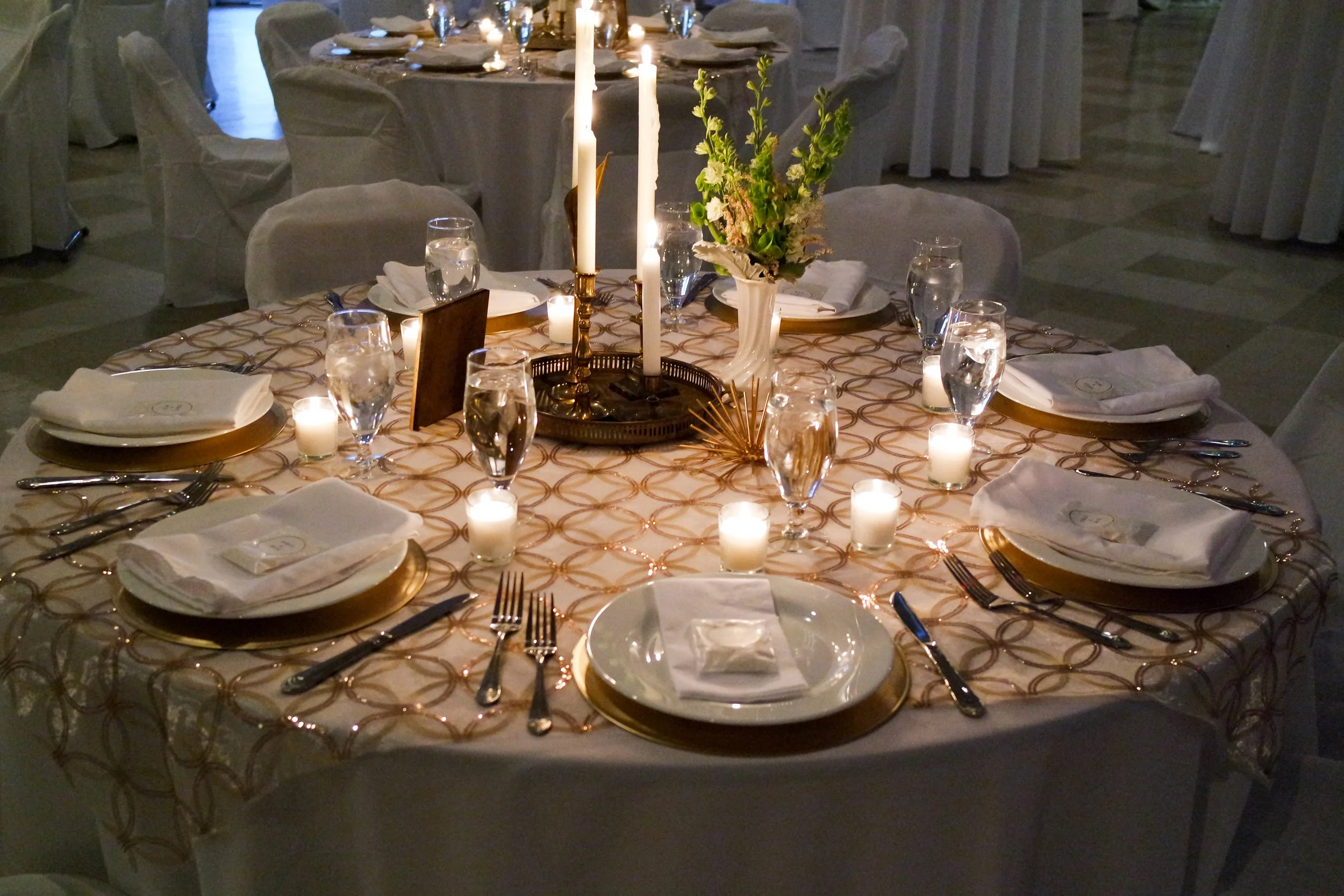
Room access, equipment and hospitality need to be clear from the outset, whether a seated dinner becomes a standing concert or the production crew doubles as a media team. The venue gallery is also useful for forming a visual picture of The Wooly before you arrive. For touring artists, tour managers and production leads, clear arrangements prevent a calm reset from turning into another task competing with sound check.
Arriving and finding the stage
Most overseas visitors will reach north-central Florida through Orlando or Miami, while regional routing may finish at Gainesville Regional Airport. Allow the transfer to be part of the show plan rather than an assumption on a map: Australian crews think in kilometres and may underestimate Florida’s highway distances, heat and traffic around the university area. The production contact should provide the exact van route, curb access point and arrival time for the load-in.
At 20 N Main Street, the first task is to separate the public entrance from the artist entrance. The tour manager should walk the route from the vehicle drop-off to the stage, noting turns, stairs, lift limits and where cases can wait. A green room that appears convenient on a floor plan can still create a slow handover if instrument cases must cross a guest route or share a corridor with catering staff.
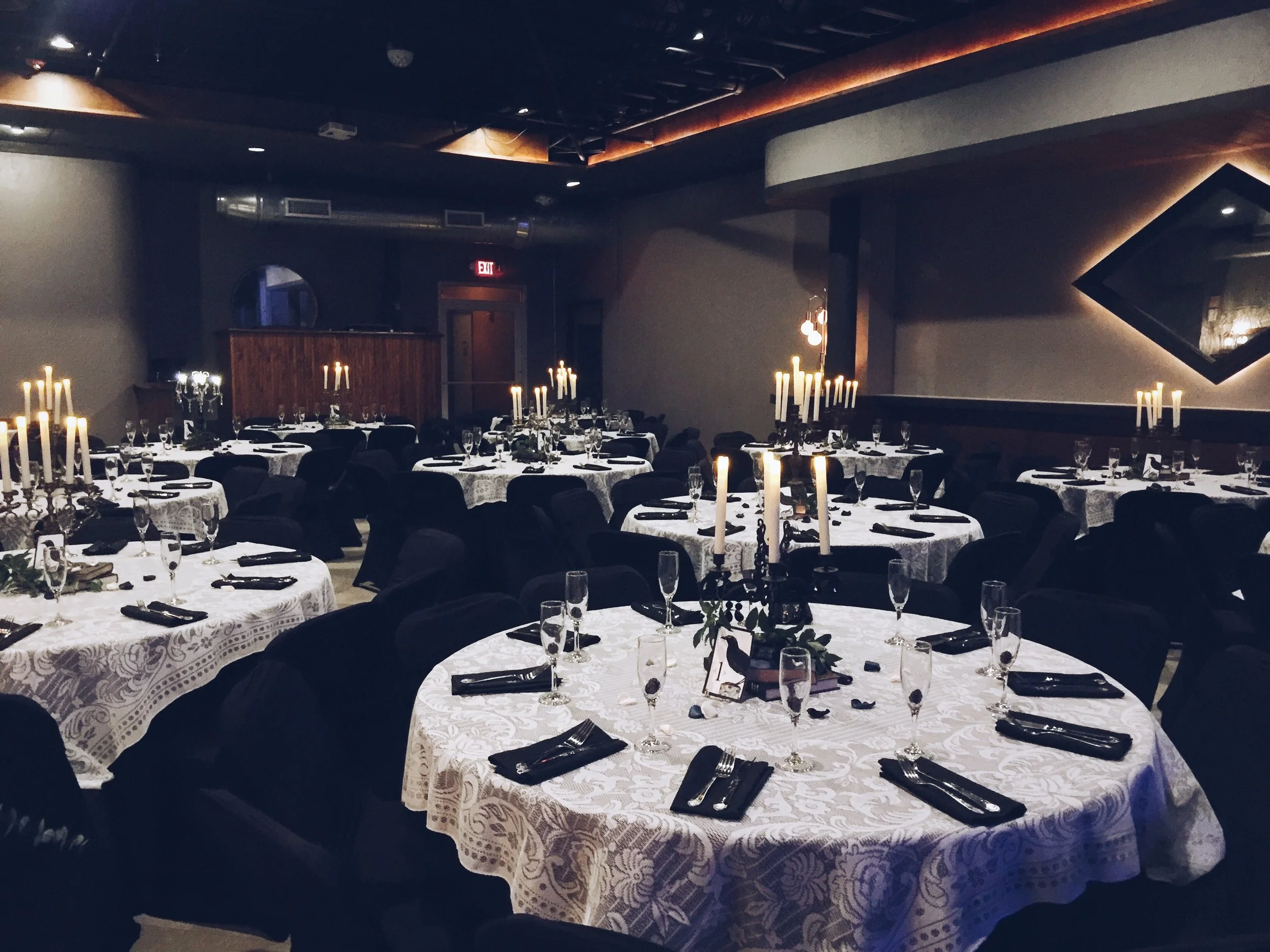
The building changes with the event. The venue’s layout comparison shows how a seated dinner and standing concert require different audience flow, sightlines and technical positions. That matters backstage because fewer chairs may mean less green-room seating, a different stage-left position or a narrower route for cases. Ask which version of the plan will be live on show day, then rehearse the corresponding walk.
What the green room gives a touring party
The green room’s main job is separation. It gives the touring party a controlled place to leave bags, make a call, sip a drink and settle before going on, while keeping phones, spare strings, water and personal items away from guest circulation. The value is functional rather than palatial: everyone should know where to sit, where equipment goes and which door leads to the stage.
On a walk-through, check the practical details that photographs often hide. Look for stable seating with enough space for the full party, a clear surface for cases and bottles, charging access, good lighting for makeup, ventilation and a door that can be closed. Also locate the nearest accessible toilet and ask whether food, ice or a private bathroom is included in the room package rather than assuming it from another venue visit.
Storage deserves a separate conversation. Assign one crew member as green-room custodian for backpacks, instruments and cases, and keep precious or restricted items with their owner. The Wooly’s previous performers spans the kind of varied programme the room must absorb, so do not assume a permanent arrangement from a previous show. A touring headliner, local band or private-event host may need different amounts of seating, security and hospitality, making a reset between events essential.
Running sound checks from backstage
The Wooly’s professional audio-visual support shapes the green-room workflow. Sound check, playback cues, stage calls and monitor mixes all depend on a clean chain from the stage to the people who need information. Ask whether the room has a production feed, where the show caller stands and how an emergency or artist delay reaches the band. Written cues should match the radio language used during the event.
Australian crews are comfortable with “front of house” or FOH, but international mixes of British, American and Australian terms can still cause confusion. “Good shout” means understood at home; it will not replace a precise call such as “band to stage” on a US show radio. Agree on stage left, stage right and playback language, especially when guitarists have flown in and the monitor engineer is working from a different platform.
Routing can also change expectations. A festival-style date such as the Lake Powell Challenge may involve shared facilities and weather-dependent schedules, while a standalone downtown club usually offers a more predictable room but fewer breakout spaces. Do not copy a festival hospitality rider wholesale. List what is genuinely needed, mark the green-room items separately and confirm that every item can fit the 20 N Main footprint.
Food, coffee and crew timing
The in-house catering and full-service bar are useful options for a touring party, but they do not automatically mean unlimited private service in the green room. Establish whether meals are delivered, picked up at a service point or ordered from the bar, and nominate one tour manager to collect them. That prevents duplicate trips and keeps artists out of the public queue between sets.
Australian hospitality accounting is worth translating before anyone asks for a tab. GST is normally displayed in Australian consumer prices, and tipping is not a standard expectation; at a US event, a service charge or gratuity may appear on catering and bar invoices. Ask for the written policy and keep receipts with the event contact. The band should not leave cash or unsettled drinks in the green room for the next group.
Food instructions must be specific. Use the allergy and dietary labels on the catering order, identify severe allergens separately and avoid casual kitchen improvisation. Alcohol is served under the venue’s Florida licence and house rules, so do not plan to bring your own bottles without written approval. For coffee, ask clearly for an espresso, Americano or drip; a “flat white” order from Sydney, Melbourne or Brisbane may not be understood the same way in Gainesville.
Privacy, press and public attention
A green room offers privacy, but it is not automatically soundproof. Check whether conversations can carry toward the stage, public bar or guest spaces, especially during an intimate acoustic set. Agree on a photography rule for the room and decide who may enter. Crews accustomed to the easygoing “no worries” tone of an Australian backstage should still use explicit access language in a US venue.
The same space can become a media holding area when an artist announcement is part of the event. Backdrops, lighting and sightlines matter, as does keeping instruments, water bottles and crew kit out of interview frames. The principles in this press conference setup offer a useful parallel for a compact room: control the sightlines, assign one media liaison and restore the green room after the session.
After the media session, reset the room before the band returns. Remove borrowed furniture, check cables and stands, return bottles and wipes, and confirm that the camera crew has left. A locked green-room door and one named liaison can prevent a public area from becoming an extension of the backstage. At the end of the night, agree on what stays in the room, what travels with the crew and who signs the venue off.
Practical details for an Australian touring party
A good green-room handover fits on one page. It should state the number of guests, access time, room layout, refreshments, personal items, technical feeds, security restrictions and the person authorised to approve changes. For an Australian act, the adaptation from home touring matters: even familiar rooms become complicated when the venue uses US voltage, local labour rules and a different service-charge system.
Before leaving Australia
- Pack Type I and grounded Type A adapters for 120-volt, 60-hertz power, and check whether Australian 230-volt appliances need a step-down transformer rather than assuming every charger is voltage-flexible.
- Carry labelled spare fuses, instrument leads, adapters and a charged power bank so a green-room charging failure does not become a stage problem.
- Keep medication, passports and critical documents with a named crew member, with a secure secondary copy stored separately from the touring instrument cases.
- Confirm the correct US work authorisation and ask a qualified tax adviser about withholding before fees are invoiced; Australian residency alone does not settle US obligations.
Australian routing usually makes crews alert to short-notice changes, distance and shared hospitality, but Gainesville adds a cross-border layer. A stage plot written for a Brisbane, Melbourne or Sydney venue may use local suppliers and familiar contact hours; attach US contacts, time-zone differences and after-hours numbers rather than assuming a local producer is online whenever a Melbourne office closes.
At the venue in Gainesville
- Exchange numbers with the stage manager, artist liaison and security lead, then agree on who can admit guests to the room.
- Carry government-issued identification and keep a digital copy accessible, but leave the primary documents secured rather than loose in the green room.
- Use a card and some cash for incidentals, while checking whether catering deposits, artist bars or incidentals can be invoiced directly to the promoter.
- Keep a refillable water bottle and a light garment because Florida heat meets aggressively cooled rooms, and bring footwear suitable for quick stage moves.
- Put the stage call, go time and emergency contact in writing, using plain radio language that every touring and local crew member understands.
Downtown loading can be tight, and Gainesville’s summer humidity and sudden storms can interrupt a van move. Keep printed floor plans in the crew pack in case venue Wi-Fi drops, protect equipment from sudden rain, and leave enough time before the official sound check for a longer route if the front-of-house area has been rebuilt for a seated event.
The final handover before showtime
At handover, walk the room once with the artist manager, tour manager and stage manager. Point out the green-room entrance, stage access, nearest bathroom, water source and the route back from the stage. Confirm who can move equipment, approve a drink order or clear the room between sets, then give the band one agreed time to assemble.
The final call should be short and factual: names, order of songs, playback cues and the time to be on stage. A clean handover prevents the familiar last-minute scramble where half the party is looking for a cable while the other half is already waiting under the lights. The next concrete step is to email the final stage plot and green-room access list to The Wooly’s production team.
Follow the Calendar
News, ticket links, and last-minute additions posted across our channels.
Explore the Venue
Five pages covering the full run of programming and private bookings.
Browse the schedule for movie showings, live music, and art shows.
Weddings, holiday banquets, cocktail parties, and anniversaries.
Meetings, networking, luncheons, and fundraisers with AV support.
Concerts, film screenings, art showcases, and community pop-ups.
Photos from past concerts, private functions, and gatherings.