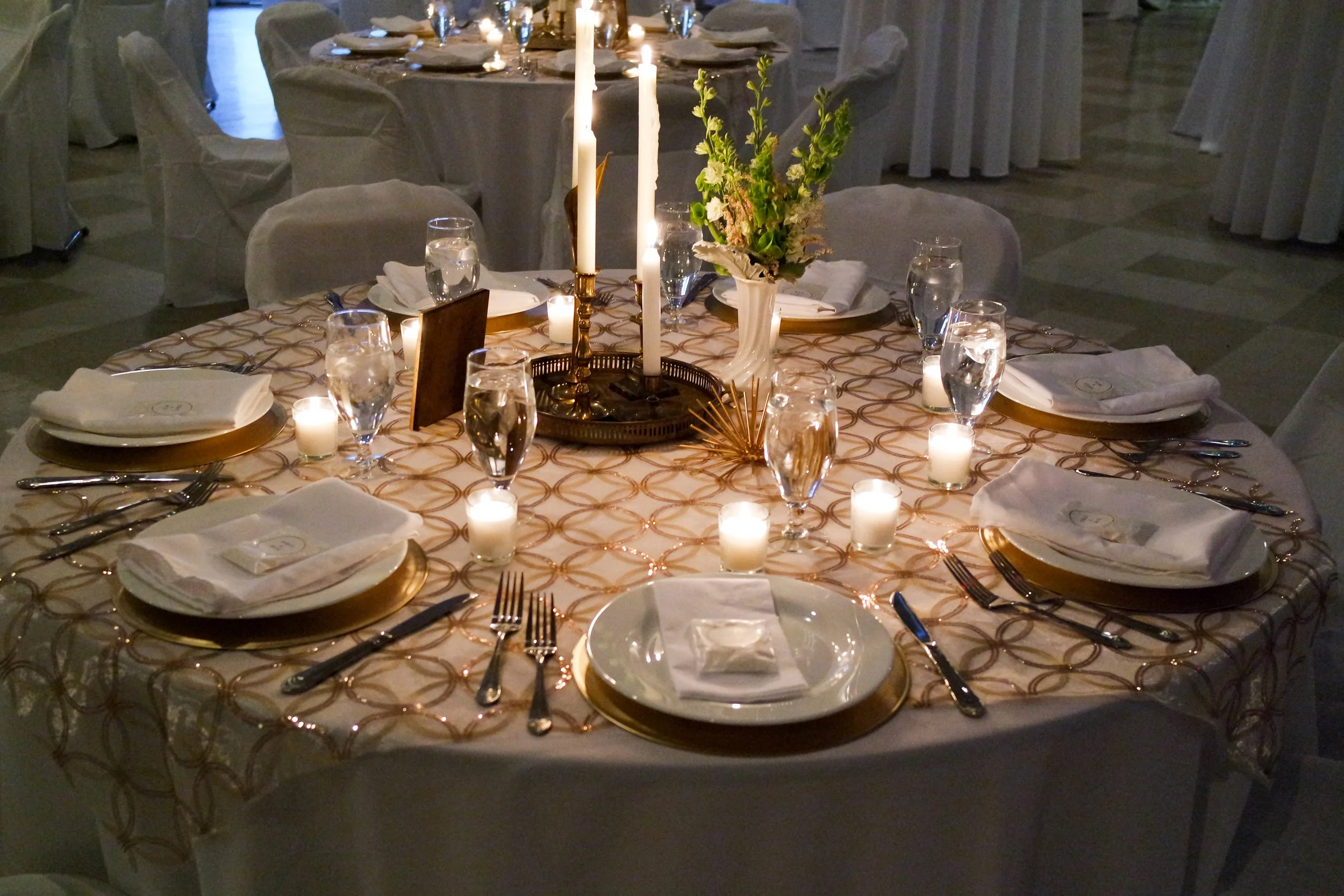
Live shows, movie nights, art openings, private parties, and corporate meetings at 20 N Main St — minutes from the University of Florida and Shands Hospital.
Stay in the Loop
Get the next show, screening, and event announcements sent to your inbox.
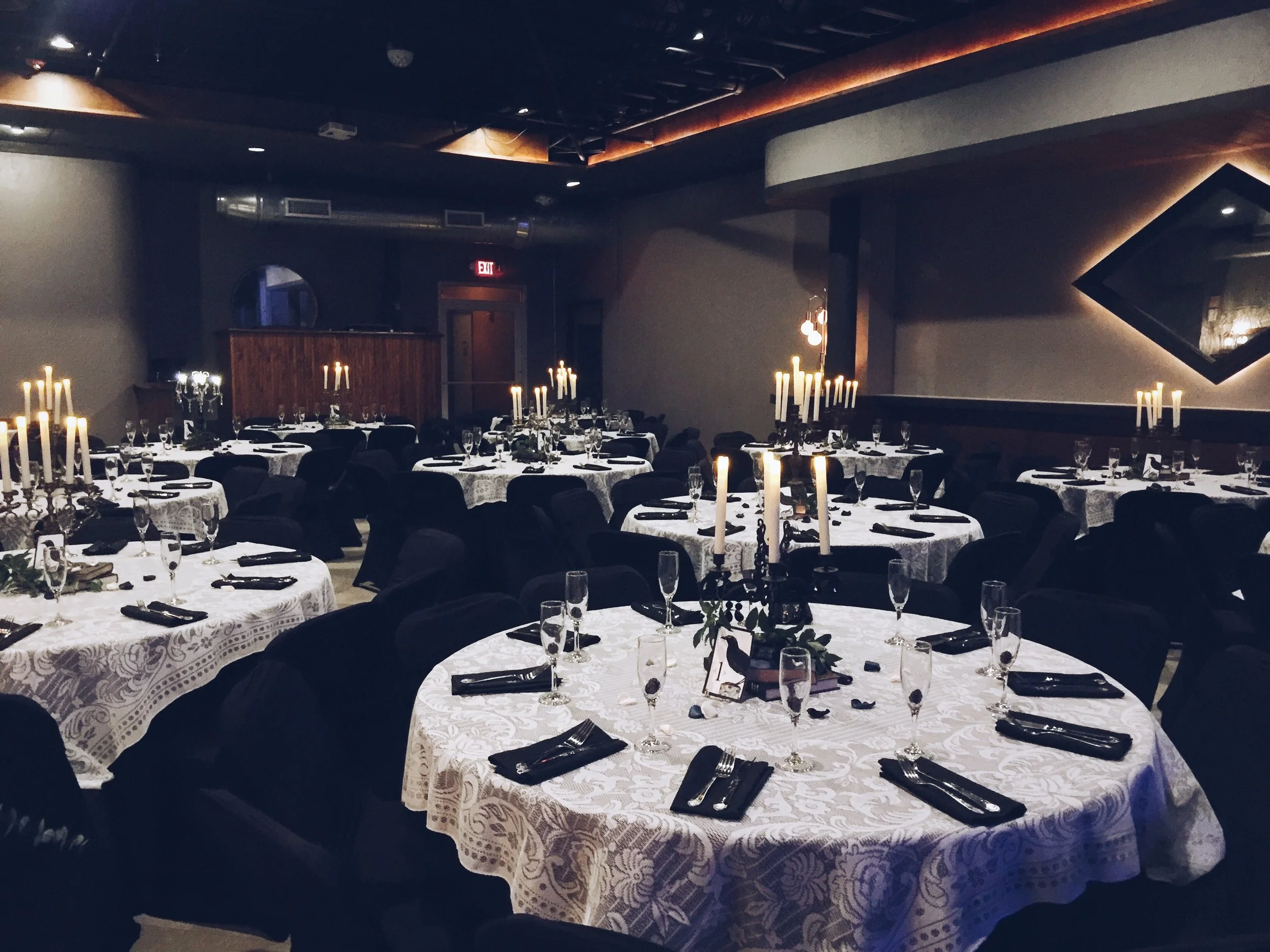
Inside the Room
A look at the stage, the floor, and the nights that move through them.
Power Distribution at The Wooly for Heavy Equipment
Heavy equipment changes the electrical conversation at The Wooly. A touring lighting rig, large LED wall, cinema projection package, camera crew and catering equipment can each look modest on a rider while collectively overloading a single branch circuit. Safe distribution starts before cases arrive: identify the supply, map every load to a named circuit and allow time for the venue’s technical team to inspect connections. That discipline matters in a compact downtown venue where the rig, audience route and bar share limited floor space.
For an Australian crew, this is also a voltage-and-connector exercise. Florida’s familiar 120-volt, 60-hertz supply differs from Australia’s 230/400-volt, 50-hertz systems, and a plug that physically fits is not proof that a device is safe. Touring appliances labelled 100–240 volts may be suitable, but audio processors, motorised fixtures and heating appliances need individual checks. Keep travel adaptors and personal Australian plugs out of the event power plan; use event-rated connectors and the venue’s approved method.
Power planning should cover technical delivery and human safety. Decide which loads the building can support, which need a touring distribution system, and what happens if one protected branch drops out. The Wooly’s flexible floor plan and professional audio-visual support can simplify that process, but they do not replace a load schedule, a qualified electrician and a clear cable plan. The service should be quiet, accessible and ready before doors open.
Venue context before the rig goes up
The Wooly sits at 20 N Main Street in downtown Gainesville, close to the University of Florida and Shands Hospital, as confirmed through its official venue page. That location suits regional acts and local crews, but urban access does not guarantee spare electrical capacity. Treat the address as the start of a site survey, not proof that a feeder, phase or connector is available.
Ask the venue’s production or operations contact for the current electrical plot, panel schedule, breaker sizes, available amperage, phase configuration, outlet locations, permitted tie-in points and rules for temporary distribution. Establish whether the listed professional AV support already includes the PA, screens, lighting and stage power the event needs. Written confirmation prevents an expensive assumption from surviving until load-in.
The floor plan may look spacious while the electrical spine remains fixed. Heavy equipment should be positioned around house outlets and cable routes, not the other way around, and large motors or hot work may need separate circuits. A licensed electrician or electrical contractor should inspect any temporary board before it enters service, especially where the event adds equipment to the venue’s normal house load.
The comparison below is a planning baseline, not a building specification:
| Planning factor | Typical Florida event supply | Australian production baseline |
|---|---|---|
| Service | 120 V single phase; 120/208 V three phase where offered; 60 Hz | 230 V single phase; 400 V three phase; 50 Hz |
| Connectors | NEMA and L-series locking connections are common | AS/NZS 3112 plugs and IEC/CEE connectors are common in hire fleets |
| Protection | Breakers and GFCI devices under Florida requirements | Breakers and RCDs under AS/NZS 3000 and supplier requirements |
| Heavy-load planning | Continuous loads are commonly planned at no more than 80% of branch capacity | The electrician and hire desk set the loading; do not transfer US assumptions |
| Equipment check | Confirm voltage, inrush, phase and lead length | Confirm voltage, earthing, connector and local lead requirements |
Build a realistic load schedule
Start with an itemised load schedule that includes the rig, venue AV, catering, bar refrigeration and any air-conditioning or temporary appliances. Enter running watts, start-up demand, voltage, phase, connector and circuit for every item. A lighting fixture may show only a few watts in some modes, so use the highest configured value rather than the lowest.
For AC loads, calculate current with I = P ÷ (V × power factor); for three-phase supply, use I = P ÷ (√3 × V × power factor) and line-to-line voltage. A power factor near 0.9 is common for switching power supplies. Keep startup surges visible in the schedule even though they may not appear in the steady-state calculation.
Record the proposed branch breaker, outlet and feed path, then leave usable headroom rather than filling every socket. For a continuous load under common US code practice, a 20A branch is normally planned at no more than 16A. Distribute three-phase branch loads across the available phases, and have a qualified electrician apply the rule that fits the installation and local requirements.
The same method applies to a gala, auction or film screening. The Wooly’s hosting a nonprofit gala guide illustrates the mix of staging, presentation and guest experience; ask which AV elements are included and which create additional circuit demand.
Choose the right distribution architecture
House supply and a self-contained touring board answer different questions. House supply is simplest when the venue can provide protected, measured circuits and accepts the equipment plan. A touring distribution board gives control over branch breakers, labelling and cable lengths, but it still needs a safe supply, earthing and inspection.
A robust architecture places the main distribution board near the agreed service point and feeds one or more stage boxes. Within each box, separate sensitive audio and control circuits from high-current lighting and motorised loads where practical. Keep mains and data runs apart to reduce interference, and give every branch a legible label matching the plot.
A portable generator can provide a dedicated production feed when the house supply is unsuitable, but it requires venue approval, a qualified operator and a safe earthing and bonding arrangement. An Australian crew may call it a “gennie”; name the unit’s voltage, phase, output and connector arrangement in the schedule so the nickname causes no confusion. Never assume a portable unit can parallel house supply or another generator without engineered approval.
When comparing properties, request the same written electrical brief from every bidder, including The Terrace Venue, and assess each against the same criteria for available power, included AV support, rigging restrictions and aftershow access rather than relying on promotional descriptions.
Protect people, audience and equipment
Use an appropriately rated temporary distribution board with branch protection, clearly labelled breakers and a tested earth path. US GFCI protection and Australian RCD protection serve related purposes, but the installation must follow the standard and code applying at the venue. A qualified electrician should choose device ratings and test methods rather than relying on an event kit assembled from mixed parts.
Do not use domestic power strips as a stage distributor, daisy-chain boards beyond their ratings, or bypass an earth, neutral or protective device to make equipment work. Each adaptor and coupler must be rated for the load, phase and connection type, with the distribution board providing code-compliant protection. An unfamiliar fitting is not a shortcut.
Keep emergency lighting, fire-alarm circuits and exit routes under venue control and visible to the safety team. Do not place a temporary board where it heats, blocks an exit or sits in a public egress path. A short written procedure should identify who shuts down a branch, who isolates the main supply and where an incident is reported.
Plan cable routes, rigging and access
Map every feeder and lead from its source to its destination before trucks arrive. Use rated cable ramps where leads cross guest routes; gaffer tape is not a substitute for impact protection. Keep required aisle widths clear, especially around the bar, catering station and accessible seating, and protect connections from the heat of a summer afternoon.
Long runs reduce available voltage. As a conservative planning target, many production teams seek no more than 3% drop across a branch and 5% across the combined feeder path; the electrician should verify the applicable standard and conductor sizing. Move mains away from audio and data cabling, label both ends and replace any lead with damaged insulation, loose pins or missing covers.
A distro rack or power pack must never hang from decorative truss unless its weight, clamp, orientation and safety bond are covered by an approved rigging plan. Keep access to breakers open and leave enough room to work safely, not as a low shelf. In Gainesville’s humid summer weather, check condensation and weather protection around doors and temporary cable entrances.
Coordinate crews, artists and suppliers
Name one production contact, one venue operations contact and one qualified electrician in the advance, then use the same contacts on site. Circulate the plot, load schedule, distributor details, cable routes and change log together, with dates and versions visible. A brief handed to the house audio team is more useful than separate verbal assurances to the lighting crew.
Artists and crew leaders should supply current input lists, technical riders and power requirements, including cable length, voltage and connector preferences. A public artist page such as Beret Montgarri is not a substitute for the event rider; obtain technical confirmation from management and reconcile it with the venue plan.
Australian production crews often say they’ll “pull a feeder”, “run a cable drum” or bring “the gennie”, so production sheets should also state amperage, phase and route. Melbourne and Sydney hire desks commonly quote a full show package containing a distro board, RCD protection, locking connectors, cable ramps and a technician for the call time. Expect suppliers to document portable electrical equipment for test-and-tag checks where applicable.
Run the final event-day power check
Treat the final technical advance as the freeze point for electrical decisions, not an administrative formality. Changes in scenic pieces, lighting positions, catering or guest numbers can alter load and cable requirements. Keep a spare production kit for failed leads, adaptors and small distro components, and use those spares only within the approved plan.
At the venue walk-through, confirm that the installed distribution matches the drawings, then photograph each labelled branch and take authorised meter readings. The venue representative, electrician and production lead should agree on the test sequence and record the results.
- Current electrical plot and panel schedule, with circuit IDs, amperage, phase and outlet positions
- Signed load schedule showing running demand, start-up loads, diversity and available headroom
- Correct distribution board, feeders, extension leads and connectors for the planned load
- Marked cable route with rated ramps, clear exits and protected stage-box access
- Protection-device checks and recorded meter readings by the authorised person
- Named shutdown contacts, fallback plan and power-restoration sequence
The next concrete step is to email The Wooly’s production team a one-page power brief containing the signed load schedule, requested circuit list and distribution architecture, with the technical walk-through attached to its calendar invite.
Follow the Calendar
News, ticket links, and last-minute additions posted across our channels.
Explore the Venue
Five pages covering the full run of programming and private bookings.
Browse the schedule for movie showings, live music, and art shows.
Weddings, holiday banquets, cocktail parties, and anniversaries.
Meetings, networking, luncheons, and fundraisers with AV support.
Concerts, film screenings, art showcases, and community pop-ups.
Photos from past concerts, private functions, and gatherings.