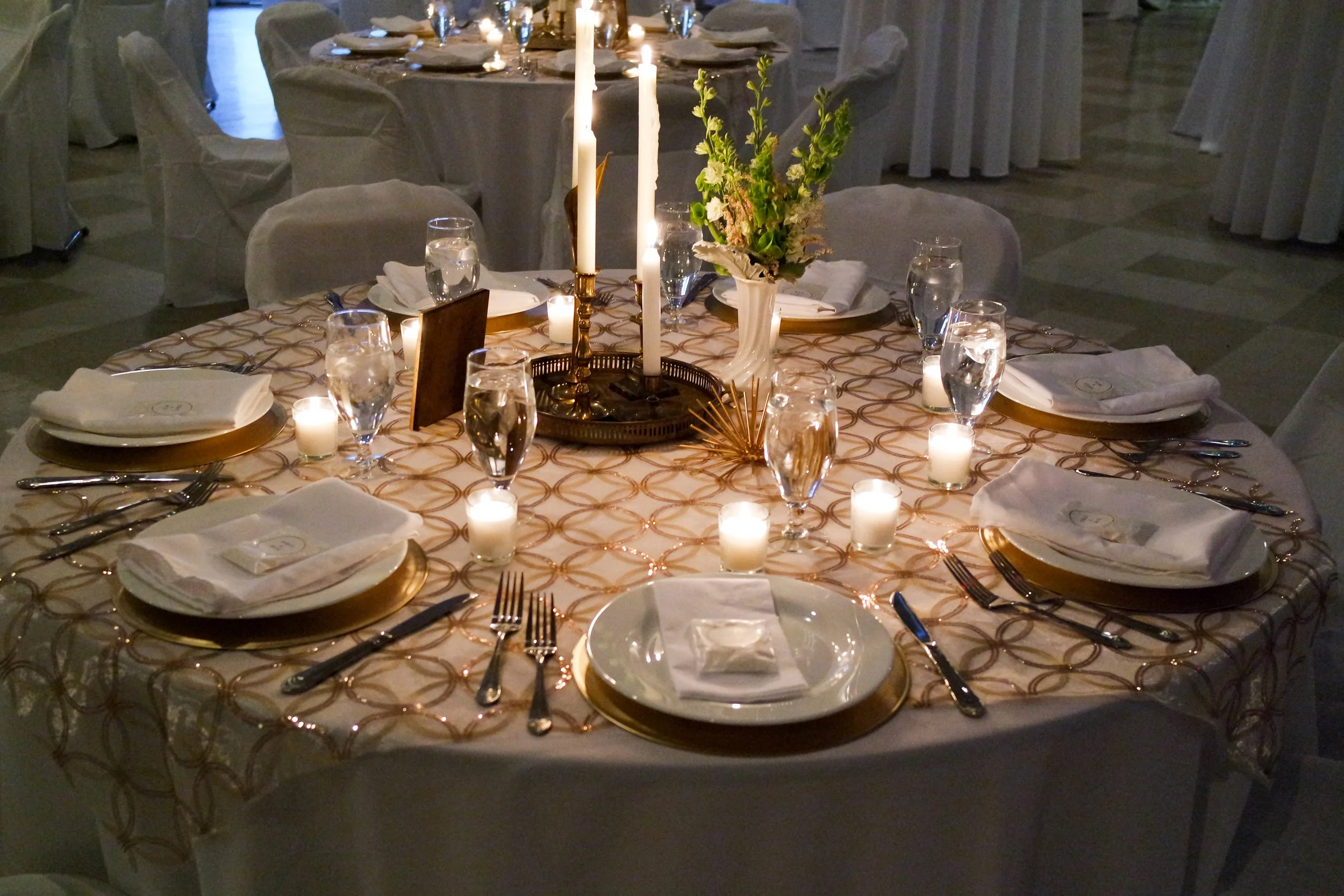
Live shows, movie nights, art openings, private parties, and corporate meetings at 20 N Main St — minutes from the University of Florida and Shands Hospital.
Stay in the Loop
Get the next show, screening, and event announcements sent to your inbox.
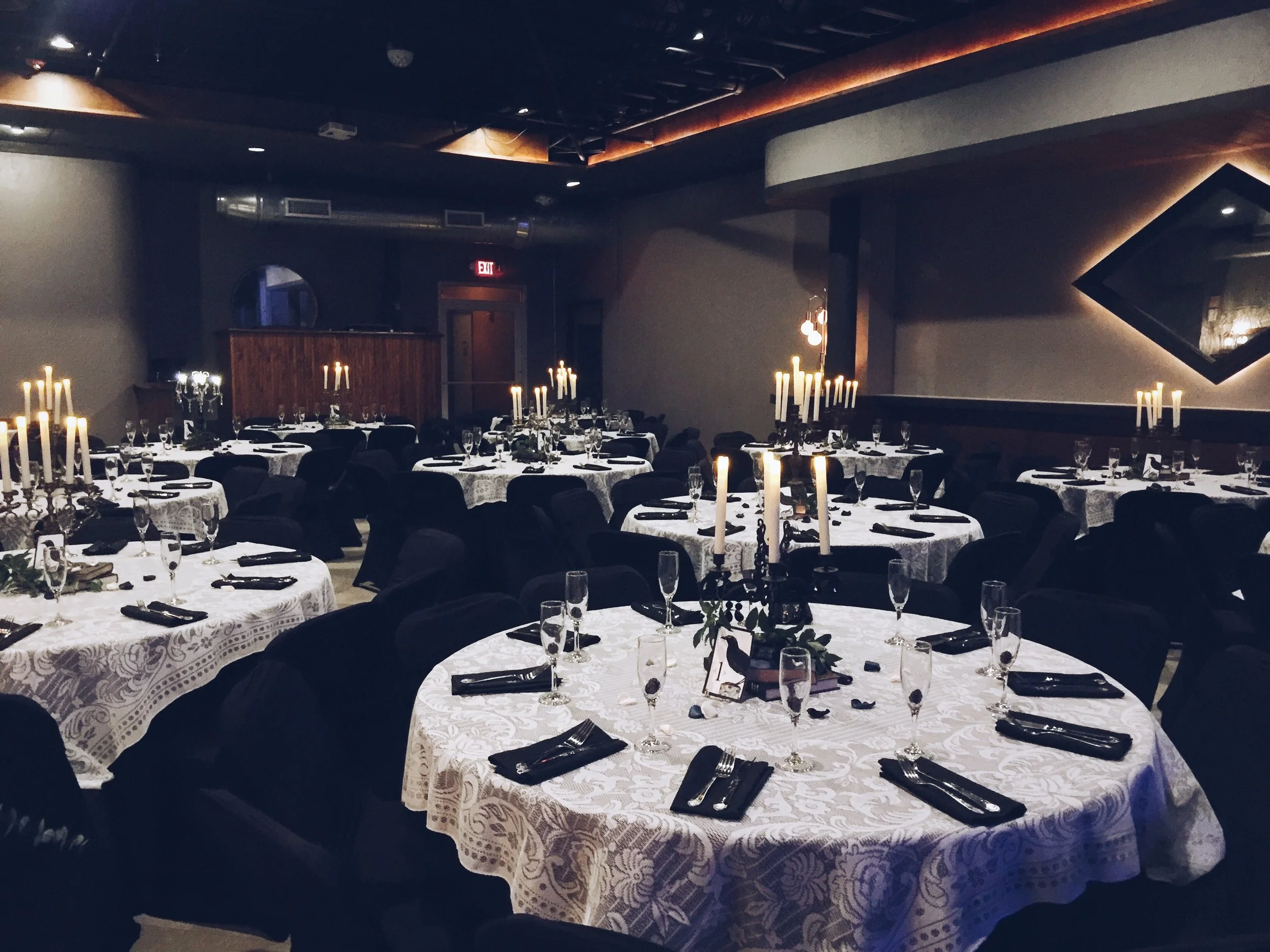
Inside the Room
A look at the stage, the floor, and the nights that move through them.

A beginner's guide to booking The Wooly
Planning your first event should feel exciting rather than like a negotiation with a floor plan. The Wooly is a versatile venue at 20 N Main Street in downtown Gainesville, close to the University of Florida and Shands Hospital. Its flexible layout, professional audio-visual support, in-house catering and full-service bar suit many formats, from concerts and film nights to weddings, private parties and corporate meetings.
A first booking becomes much simpler when you translate the guest experience into decisions the venue can price and deliver. Agree on the event type, audience, date, headcount and service level before discussing décor. The Wooly’s range of live music, film screenings, art openings, private parties, weddings and corporate meetings provides useful models, while its downtown location makes setup, transport and the arrival experience part of the plan from day one.
Start with the event you need
Start with a short event brief: who is attending, what should they feel, how long are they here, and which moments must work? A standing performance needs space, sound coverage and a clear flow to the bar; a seated dinner needs tables, service access and uninterrupted conversation; a corporate meeting needs presentation sightlines and dependable audio. Writing those needs first prevents the venue conversation from becoming a collection of attractive but unrelated extras.
Dates deserve a second layer of checking. Gainesville uses Eastern Time, so an Australian team coordinating guests from Sydney, Melbourne and Brisbane must agree on which time zone appears on the contract and invitations. Also remember that the seasons run in opposite directions: Australian summer from December to February overlaps with Florida’s cooler winter, while an Australian July event falls in Gainesville’s hot, humid season. Build weather and arrival buffers into whichever period you choose.
Check the venue’s existing calendar of concerts, movie nights and community events before you settle on a date. Public listings can reveal busy nights in the surrounding entertainment district, so ask about parking, neighbourhood activity, load-in access and whether another event may affect sound or shared facilities. The Wooly’s private event planning page is a useful place to begin that enquiry, and the response should be turned into dated notes rather than left to memory.
Build the room around the guest experience
Floor plans should describe the journey, not just the furniture. The Wooly’s seated dinner layouts page shows how the room changes between a seated dinner and a standing concert. Compare those two starting points with your own brief, paying attention to where tables, stage or screen, bar, catering station and accessible routes sit. A clear plan reduces staff movement, keeps guests away from service paths and makes the final headcount easier to manage.
Professional audio-visual support is valuable, but only if it matches the room. Confirm whether the sound system, microphones, projector or screen, lighting and playback controls are included, rentable or supplied by your own technicians. Ask for a sightline check from the least favourable seat and for the loading process if you are bringing a band, film equipment or presentation media. Cable routes and equipment positions can change a polished plan into a safety problem.
Guest comfort is part of the layout. Consider how coats, bags, mobility devices, children’s seating and dietary needs affect usable space, and whether the bar queue will block an entrance during a popular drink. For a reception, identify standing clusters as well as seated areas; for a meeting, check glare, extension leads and the distance from the last row. Review the scaled plan with the venue, then keep one approved version for everyone.
Make the budget work across currencies
Ask for a written total based in United States dollars, including the venue hire, food and drink, staffing, audio-visual services, tax, service charges, gratuities and any security or cleaning charges. Australian planners often compare quotes in Australian dollars, but the booking will move through a US payment process. Record the exchange-rate assumption and card or transfer fees, then set a contingency for currency movement between approval and final payment.
Tax treatment differs across the Tasman. Australian consumer and event quotes may display GST or be marked “ex GST”, while a Florida quote will use US sales tax rules and will not include Australian GST. A GST-registered Australian business may qualify to claim input tax credit on certain overseas business expenses, but eligibility depends on the transaction and its supporting records. Ask a registered tax adviser rather than treating the foreign invoice as automatically refundable.
Food and alcohol can be the largest variables. Obtain per-person prices, minimum spends, guaranteed numbers, overage rates and the bar’s service model in writing. If the full-service bar charges by consumption rather than by package, estimate drinking patterns without promising a total to the bar. Add a modest contingency for extra guests, damaged items or a late-running event, and identify which costs become non-refundable once the production or catering deadline passes.
Match food, drink and service to expectations
The Wooly offers in-house catering, which makes menu testing and service timing easier to control. Before sign-off, ask about canapés, plated meals, buffet service, dietary labelling, allergens, kitchen access, service ratios and whether outside cake or décor is permitted. Australian guests may expect abundant coffee, easy access to water and a choice that accommodates vegan, vegetarian and coeliac diets, but the venue can only guarantee those needs if the requirements are listed clearly.
Alcohol needs a cultural translation. BYO is common at many Australian functions, whereas a licensed venue with a full-service bar will usually operate under Florida rules and set its own beverage policy. Do not assume guests can bring wine or assume the bar is unlimited. Confirm package prices, substitutions, corkage arrangements if applicable, last orders, designated drivers and non-alcoholic options in the contract or event order.
Service style should reflect the audience rather than a stereotype. Many Australians use friendly, informal language—“no worries” is common—and are comfortable with first-name hospitality; a corporate meeting may still need a formal welcome and a clear run of show. Give the venue team examples of the tone you want, including how loudly music should play during arrivals and meals. A general planning resource can help organise those operational details, while venue-specific procedures should come from The Wooly.
Check safety, deposits and contract details
Start safety planning with a capacity and flow review. Ask The Wooly to confirm exits, accessible routes, first aid arrangements, crowd-handling responsibilities, emergency contacts and equipment loads against local requirements. The location near the University of Florida and Shands Hospital means arrival traffic, parking and hospital access may matter on a busy evening. Do not leave transport for guests to infer from a digital invitation.
Financial responsibility should be as clear as the layout. Read The Wooly’s cleanup deposit policy before signing, and ask when the deposit is paid, what counts as damage, how normal cleaning differs from excessive cleanup, and how quickly any deduction is reviewed. The same scrutiny belongs in the cancellation and postponement terms: identify deadlines, minimum spends, force-majeure language, refund triggers and who bears losses if a supplier falls through.
Check the contracting entities, payment methods, insurance requirements and governing terms with a fine-tooth comb. If your Australian company or client needs a certificate of insurance naming the venue, obtain that requirement before budgeting cover. Make sure the final agreement includes the date, hours, approved floor plan, guest guarantees, menu, drink service, staffing, audio-visual package, contacts and authorised signatories. A clear document prevents small verbal promises from becoming disputed assumptions.
A practical booking checklist
A compact checklist is more useful than a long wish list. Use the following points to turn the venue conversation into confirmed responsibilities before the deposit is released.
- Create a one-page event brief with purpose, audience, date, start and finish times, expected attendance, seating style, accessibility needs and the two or three outcomes that matter most.
- Request an itemised written quote in US dollars, noting tax, service charges, gratuities, staffing, equipment, minimum spends, deposits, cancellation terms, payment fees and currency assumptions.
- Approve a scaled floor plan showing the stage or focal point, seats, tables, bar, food service, entrances, exits, accessible routes, equipment and power, with capacity stated separately.
- Confirm catering quantities and menu choices, dietary handling, alcohol package, bar service model, staffing levels, timing and every deadline for changing numbers or adding services.
- Record the cleanup deposit, damage process, cancellation and postponement rules, insurance needs, emergency contacts and the named decision-maker for both the planner and venue.
- Create a shared operations sheet for suppliers and guests, then reconfirm the run of show, access times, technical requirements, transport and weather arrangements close to the event date.
The detail to remember is that a secure first booking at The Wooly is more than a reserved date. It is a shared understanding of the room, service, costs and responsibilities, all recorded before the money and guests are committed. When those parts agree, the venue’s flexibility becomes a practical advantage rather than another source of uncertainty.
Follow the Calendar
News, ticket links, and last-minute additions posted across our channels.
Explore the Venue
Five pages covering the full run of programming and private bookings.
Browse the schedule for movie showings, live music, and art shows.
Weddings, holiday banquets, cocktail parties, and anniversaries.
Meetings, networking, luncheons, and fundraisers with AV support.
Concerts, film screenings, art showcases, and community pop-ups.
Photos from past concerts, private functions, and gatherings.