Live shows, movie nights, art openings, private parties, and corporate meetings at 20 N Main St — minutes from the University of Florida and Shands Hospital.
Stay in the Loop
Get the next show, screening, and event announcements sent to your inbox.
Inside the Room
A look at the stage, the floor, and the nights that move through them.

Keeping A Summer Wedding Comfortable At The Wooly
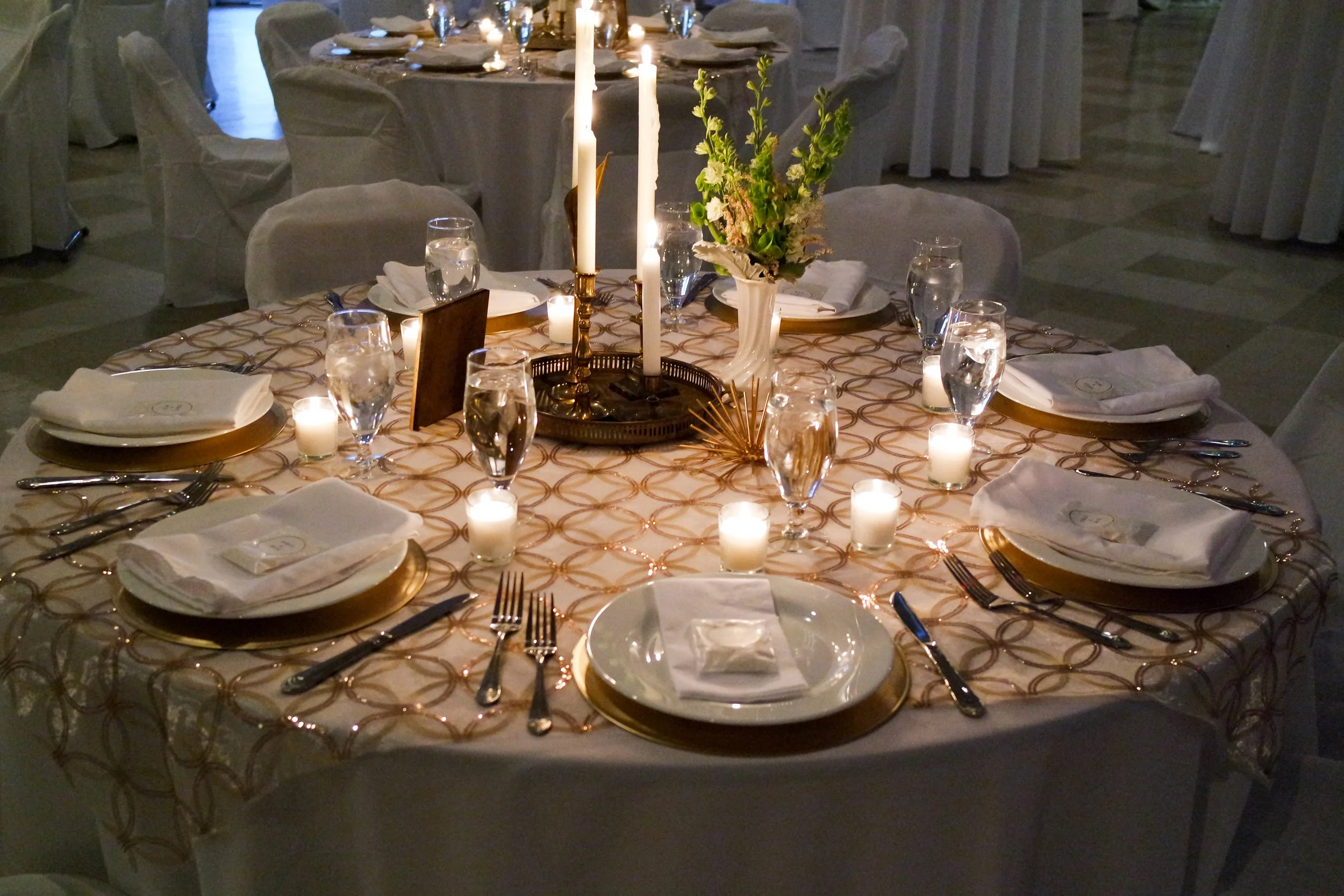
A summer wedding in Gainesville calls for more than attractive styling and a well-timed ceremony. Heat, humidity, sudden thunderstorms and warm evenings can affect how guests feel, how flowers hold up, and how comfortable everyone remains on the dance floor. The Wooly, at 20 N Main Street in downtown Gainesville, offers an indoor setting where temperature, lighting and room layout can be managed as part of the celebration. Learn more about Freedomoldhomeweek.net.
For couples travelling from Australia, the climate may feel familiar in principle but different in practice. A Brisbane or Darwin summer can be hot and humid, while Melbourne and Adelaide often bring sharper changes between daytime heat and evening cool. Gainesville’s subtropical summer combines high moisture with frequent afternoon storms, so an air-conditioned venue provides useful control when an outdoor plan becomes uncomfortable.
The best result comes from discussing the room’s cooling strategy early, rather than treating climate control as a background facility. A floor plan, guest count, catering schedule and entertainment setup all influence airflow and perceived temperature. By planning these details with the venue team, couples can create a reception that feels polished, relaxed and welcoming from the first arrival to the final song.
How Gainesville Summer Weather Shapes The Day
Gainesville’s summer weather is typically hot, humid and changeable. A wedding held between June and September may encounter high daytime temperatures, heavy moisture in the air and fast-moving rain. Even when a storm passes quickly, pavements and outdoor areas can remain steamy. Guests arriving from the University of Florida area or nearby hotels may appreciate moving promptly into a cool interior.
Humidity changes the way people experience warmth. Sweat evaporates less efficiently in moist air, so a temperature that appears moderate on a thermostat can still feel oppressive in formal clothing. Suits, long dresses, jackets and layered outfits can become uncomfortable before the ceremony has finished. Indoor air conditioning should therefore be considered alongside ventilation, air movement and the number of people gathered in one space.
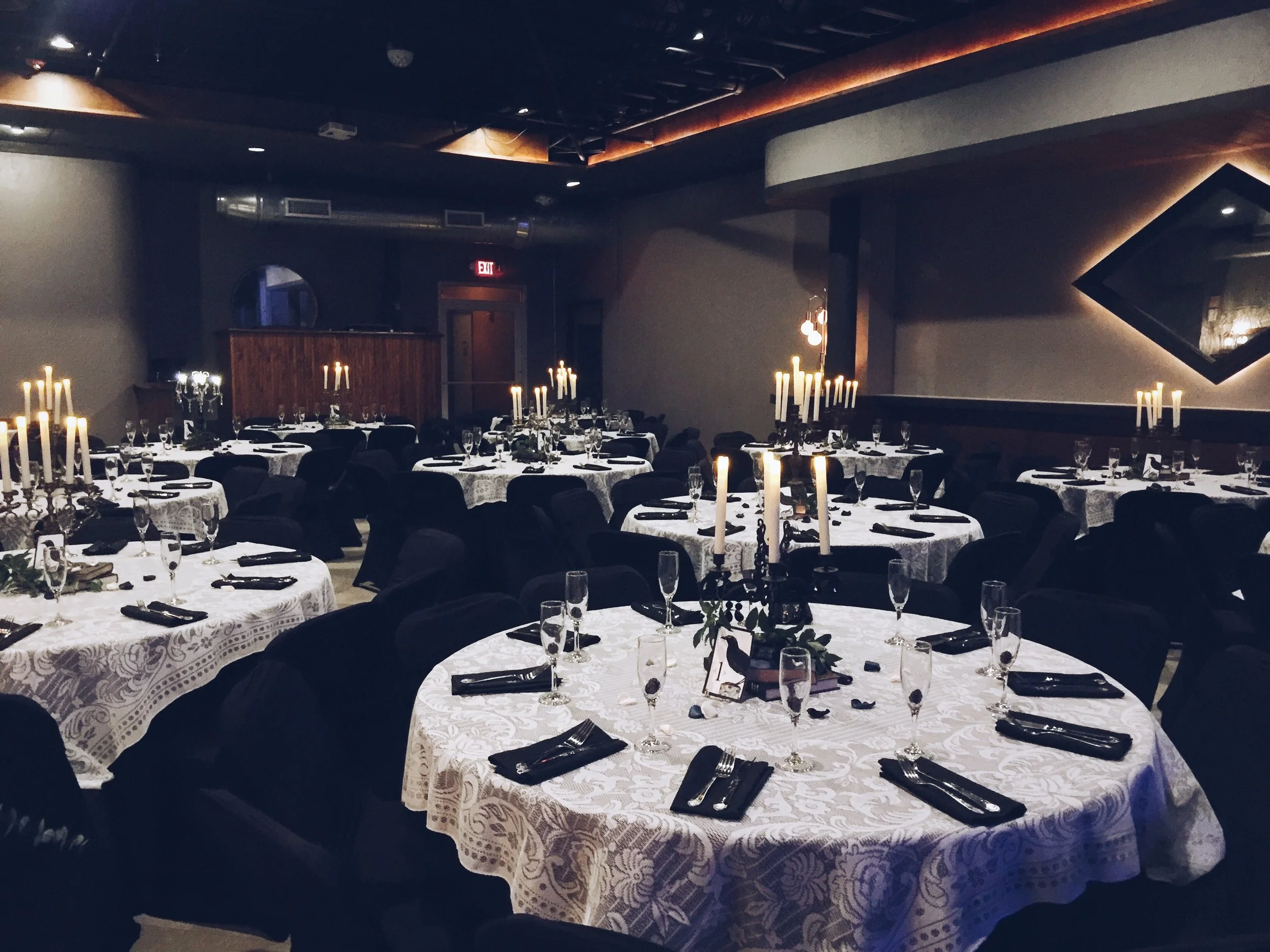
An indoor reception also protects the schedule from weather interruptions. A planned courtyard photo session can be shortened, while an outdoor ceremony may need to move inside at short notice. The Wooly’s flexible floor plan can help couples designate separate areas for the ceremony, dining, bar service and dancing, making it easier to keep doors closed and maintain a stable indoor environment.
Australian guests may recognise the need for a heat plan from summer events in Sydney, Perth or Brisbane. The practical difference is that Gainesville’s moisture and storm pattern can make a shaded outdoor area less comfortable than expected. A reliable indoor venue gives the couple a firmer base, with any outdoor photographs treated as optional moments rather than essential parts of the timetable.
Planning The Room For Even Cooling
Air conditioning performs best when the room is arranged with circulation in mind. A crowded dance floor, a buffet placed beside an air vent or a bar positioned near a frequently opened entrance can create local hot spots. Ask the venue team how the HVAC system serves the room and whether furniture, staging or decorative installations could restrict airflow.
Guest movement matters as much as the seating plan. People generate heat as they gather, dance and queue for drinks, so a room that feels cool during setup may feel warmer once it is full. Allowing comfortable paths between tables, the bar, toilets and dance floor helps distribute guests rather than creating one congested zone. A clear arrival area also reduces the amount of warm outside air entering every time someone comes through the door.
Doors should be managed carefully during the reception. Keeping exterior doors open for convenience can undermine the cooling system and draw humid air inside. If guests will move between indoor and outdoor spaces, the venue can help establish a defined transition area. Signage, staff guidance and a covered smoking or gathering point can reduce repeated door opening without making anyone feel restricted.
Lighting and production equipment deserve attention as well. Stage lights, projectors, amplifiers and catering equipment produce heat, especially in a compact event room. The Wooly provides professional audio-visual support, so couples should include the production team in the temperature conversation. A lighting design that uses efficient fixtures, sensible positioning and limited unnecessary output can help preserve comfort while still creating a warm visual atmosphere.
Dress, Food And Guest Comfort
Wedding attire should reflect both the formality of the celebration and the climate. Lightweight wool, linen blends, breathable cotton and unstructured tailoring can be more comfortable than heavy synthetics. Australian guests may already own summer event clothing suited to conditions in Melbourne or the Gold Coast, but formal American wedding customs can involve jackets or layered dresses, so the invitation wording should give people useful guidance.
The ceremony and reception timetable can reduce exposure to the hottest part of the day. A late-afternoon start may allow guests to travel after the strongest sun, while an indoor ceremony avoids making everyone sit in direct heat. If photographs are planned outside, short sessions with access to shade and water are preferable to one long shoot. Makeup, hair and wardrobe teams should also have a cool preparation area where possible.
Food service affects the room’s feel and its safety. A buffet with frequent lid opening can release warmth, while hot boxes and portable cooking equipment add to the thermal load. In-house catering makes it easier to coordinate menu service, equipment placement and timing with the venue. Cold starters, chilled water, fruit, salads and lighter mains can suit a warm-weather celebration without making the menu feel limited.
A full-service bar can support comfort when it is planned responsibly. Water should be visible and easy to reach, not tucked behind the bar. Alcohol can increase the risk of dehydration, particularly for guests who have travelled, danced or spent time outdoors. Australian guests may be used to carrying a water bottle at summer festivals, but a wedding should provide that same convenience in a more considered way.
Couples arranging a bridal shower or pre-wedding gathering can also use the same principles. The Wooly’s guidance on bridal shower planning can help shape an event where food, seating, décor and guest comfort are considered together rather than as separate tasks.
Practical Coordination With The Venue Team
A useful venue discussion should cover actual operating conditions, not just whether air conditioning is available. Ask when the system will be switched on, how long the room needs to reach the target temperature, and whether the temperature can be adjusted during the event. A pre-event cooling period is particularly valuable after the room has been occupied by suppliers, decorators and musicians.
The guest count should include vendors and staff. Caterers, photographers, musicians, celebrants and coordinators all add to the room’s occupancy. A packed reception may feel warmer than a room arranged for the same number of seated guests, so the venue should review the final layout once tables, staging and service stations have been placed.
It is sensible to create a weather contingency plan even for a fully indoor celebration. Outdoor photographs, guest queuing, transport arrivals and smoking areas may still be affected by heat or rain. A plan can identify the coolest waiting area, an indoor backup for portraits and a time for checking conditions. Gainesville’s local weather forecast and radar should be reviewed on the day, rather than relying only on a long-range forecast.
Australian couples also benefit from explaining their expectations clearly. In Australia, electrical work and temporary event installations are shaped by state and territory rules, Australian Standards and venue safety requirements. The United States uses different power specifications, permits and operating practices. Any Australian supplier bringing equipment should coordinate with the venue rather than assuming that a familiar appliance, extension lead or lighting setup can be used without approval.
Insurance and alcohol arrangements should be confirmed in writing as well. Licensing requirements vary by jurisdiction, and the venue’s own bar procedures may determine what can be served and by whom. Couples travelling from Australia may be familiar with RSA training and state liquor laws, but Florida requirements and venue policies are separate matters. Clear responsibility for service, identification checks and responsible consumption protects the celebration from avoidable confusion.
A Comfortable Summer Wedding Checklist
The following decisions can keep temperature control connected to the whole guest experience:
- Confirm the expected guest count, including suppliers, and ask how the room’s cooling capacity suits the final layout.
- Schedule venue access early enough for the space to cool before guests, musicians and caterers arrive.
- Keep exterior doors closed where practical and establish a clearly managed indoor-outdoor transition point.
- Position the bar, buffet, stage and dance floor so they do not block vents or create a single crowded heat zone.
- Offer water throughout the event, with additional hydration available after outdoor photographs or travel.
- Choose breathable formalwear guidance and plan short, shaded photography sessions instead of extended time in the sun.
- Confirm the venue’s procedures for weather changes, AV equipment, catering appliances, bar service and temporary electrical installations.
These steps are useful for couples who live locally and for those planning from overseas. A remote planning process should include a video walkthrough, a marked floor plan and a written run sheet showing when each space will be occupied. Photos alone may not reveal how close the tables sit to equipment, where sunlight enters before sunset or how guests will move between areas.
A site visit remains valuable when possible. Couples can notice whether the entrance feels warm, whether the bar queue will interfere with circulation and whether the proposed photo area has enough shade. They can also test the sound, lighting and room proportions before committing to a styling concept. The Wooly’s events programme and venue information are available through The Wooly, which is a useful starting point for understanding its downtown setting and event capabilities.
Cultural expectations can be included without overcomplicating the reception. An Australian guest list may include relatives accustomed to early dinners, outdoor mingling and a clear water station, while local guests may expect a later American-style reception schedule. A timeline that allows people to settle in, eat before dancing and take breaks from the busiest area will feel considerate across both groups.
The venue’s downtown location near the University of Florida and Shands Hospital also makes transport planning relevant. Guests may walk from nearby accommodation, use rideshare services or arrive by car during a busy evening. Shade at the arrival point, a quick route indoors and clear directions can make the first impression more comfortable, particularly for older guests and anyone wearing formal shoes.
A summer wedding at The Wooly should be planned around comfort as deliberately as décor. Gainesville’s heat and humidity make dependable cooling important, while flexible indoor spaces, professional AV support, in-house catering and a full-service bar allow the day to adapt without losing its character. The most effective approach combines an early cooling schedule, sensible room circulation, breathable attire, accessible water and a weather-aware timeline.
For couples comparing event traditions across countries, the key is to treat local conditions as part of the design. A wedding inspired by Australian summer hospitality can still feel completely at home in downtown Gainesville when the details are coordinated with the venue’s systems and policies. Guests should remember the celebration for its music, food, conversation and warmth of welcome—not for the temperature in the room.
Follow the Calendar
News, ticket links, and last-minute additions posted across our channels.
Explore the Venue
Five pages covering the full run of programming and private bookings.
Browse the schedule for movie showings, live music, and art shows.
Weddings, holiday banquets, cocktail parties, and anniversaries.
Meetings, networking, luncheons, and fundraisers with AV support.
Concerts, film screenings, art showcases, and community pop-ups.
Photos from past concerts, private functions, and gatherings.