
Live shows, movie nights, art openings, private parties, and corporate meetings at 20 N Main St — minutes from the University of Florida and Shands Hospital.
Stay in the Loop
Get the next show, screening, and event announcements sent to your inbox.
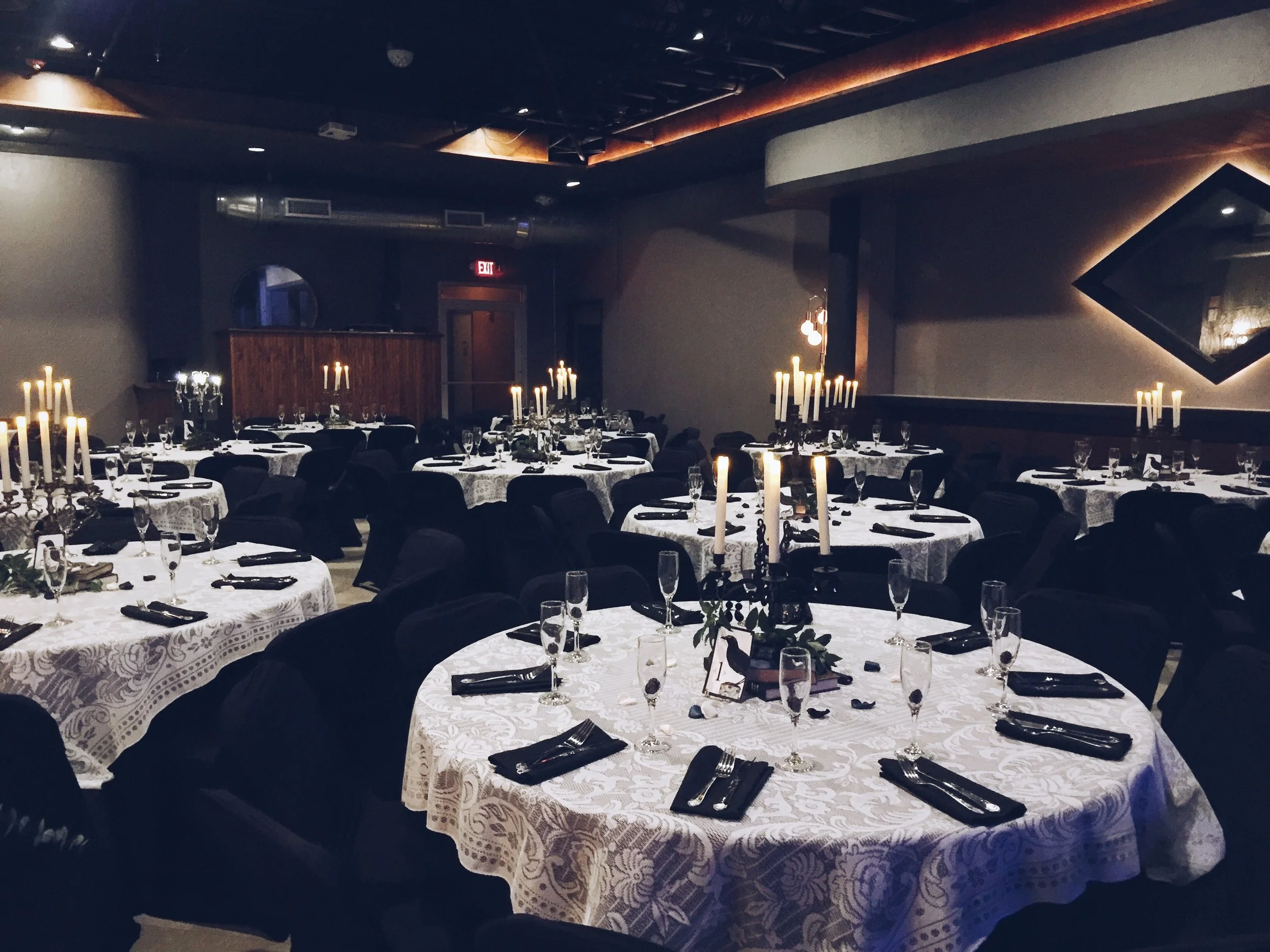
Inside the Room
A look at the stage, the floor, and the nights that move through them.

Inside The Wooly's soundcheck process for bands
The Wooly gives visiting acts a flexible live room in downtown Gainesville, a short distance from the University of Florida and Shands Hospital. Its central stage, professional audio-visual support and multipurpose layout suit concerts, film screenings, art openings, private parties and corporate gatherings. For an Australian band, the location offers a useful base for exploring northern Florida, but a smooth performance still depends on careful coordination with the venue’s production team.
A soundcheck at The Wooly is more than plugging in a few microphones and adjusting the volume. It is a structured handover between the band, its sound engineer and the house audio team. The process can include loading equipment, checking inputs, building monitor mixes, testing playback and confirming the running order. Some of these steps happen weeks ahead; others unfold within a short window before doors open.
Planning the technical handover
Production begins well before the load-in. Bands should provide a current rider, stage plot and input list, then confirm how the room will be configured for the particular event. Useful information includes the number of vocal microphones, direct boxes, wedge monitors, playback devices, backline requests and lighting cues. If the band uses its own front-of-house engineer, that person should communicate with the house technician rather than assuming both teams are operating the same console.
The rider should also state when the band needs access, whether soundcheck will include a full run-through and which support act will use the same equipment. The Wooly’s flexible floor plan allows the room to serve very different purposes, so equipment positions cannot simply be carried over from another venue. A concert setup, seated dinner and business presentation may require different speaker coverage, cable routes and staging.
The catering operation is part of that same planning picture. The venue’s plated dinner menu illustrates the level of in-house food service, and meal timing can influence access to the room or backstage areas. Any delays should be reflected in the soundcheck window rather than discovered after the band is ready to play.
Arrival and the line check
Bands should follow the access instructions supplied by the promoter or production manager, particularly when arriving with road cases, drum kits or merchandise. Downtown parking and loading conditions can be tight, so the advance schedule should identify the correct entrance, permitted loading times and where equipment can be staged. Crews also need confirmation about stairs, lift access and the route to the stage.
The room may still be undergoing a reset from another booking. Requirements described in the venue’s corporate event details can include presentation audio, speeches and a formal layout before a later changeover. A band arriving for a concert should allow time to check that stage markings, monitor positions and audience sightlines have been restored.
Once everyone is on stage, the audio engineer and band technician verify each source before building the mix:
- Vocal microphones are checked for signal, gain, phantom power and polarity.
- Guitars, bass, keys and other instruments are tested through amplifiers or direct boxes.
- Playback devices are played at show level and checked for routing, triggers and backup copies.
- Talkback and communications between the stage and control position are tested.
- Monitor feeds are confirmed so every performer hears the intended balance.
A successful line check prevents small technical faults from becoming distractions during the set.
Building a balanced live mix
Monitor mixes need to balance the band’s needs with what the audience hears in the room. Lead vocals often require a little more presence than the house mix, while bass and drums may need careful control to remain clear on small club systems. The sound engineer should move through the planned set list during soundcheck rather than testing isolated sounds that may never appear in performance.
The room itself also affects the result. Gainesville venues differ acoustically from Australian stages, particularly in Melbourne’s inner-city rooms, Sydney’s converted spaces and Brisbane’s warehouse clubs. Reflections, ceiling height and audience numbers can change the apparent level of a source. Even when a band knows its usual settings, the final balance should be adjusted with reference to the actual room and the likely size of the crowd.
The Wooly’s wider music and arts calendar shows how many different formats pass through the venue. A live set may share the address with screenings, exhibitions and community programmes, each bringing different technical demands. Bands should therefore treat the soundcheck as preparation for that specific event, not as a generic venue test. Any unusual input, projection or stage requirement should appear in the advance production notes.
Preparing an Australian act for Gainesville
The most important preparation for an Australian act is to treat North American power requirements as a serious technical issue. Australian mains electricity generally runs at 230–240 volts and 50 hertz, while Gainesville uses 120 volts at 60 hertz. Equipment designed for Australian voltage may run incorrectly, overheat or fail when connected without the correct transformer.
Bands accustomed to shared backlines should also review exactly what the venue can provide. A rider written for an Australian circuit may leave amplifiers, drum kits or monitor stands unstated because those items are normally included locally. For Gainesville, every required piece should be identified, especially where the show depends on a particular amplifier model or unusual microphone.
These practical points deserve to be checked before departure:
- Power supply: Confirm voltage and frequency for every amplifier, pedalboard, lighting unit and playback device being supplied by the band.
- Plugs and converters: Australian Type I plugs are common at home, whereas North American equipment generally uses Type A or Type B connections; a travel adaptor does not convert voltage.
- Backline: Specify instruments, stands, cables and amplifiers in detail instead of assuming the house will supply a standard Australian-style kit.
- Equipment travel: Arrange suitable cases, insurance and temporary import documentation, including an ATA Carnet where appropriate, for instruments crossing international borders.
- Timing agreements: Put load-in, support slots, soundcheck, doors and curfew times in writing because venue licensing and curfews differ across Australian cities and the United States.
For acts moving between Sydney, Melbourne or Brisbane and the United States, keeping these details in one shared production document reduces the chance of equipment being left behind. It also gives the Australian band’s manager a clear record of what is being supplied by the tour and what must be sourced locally.
Coordinating soundcheck with the event calendar
Gainesville’s active event schedule can affect access to The Wooly before the band arrives. A daytime activity such as Moonrise Run may influence nearby traffic, parking and the movement of people or equipment around the building. Promoters should confirm whether those conditions apply to the performance date and issue arrival instructions that account for them.
The house audio team will normally build the soundcheck around the evening running order. This can mean a short line check for the headlining act or a complete pass through several songs when the room is available. Support bands need their own time to set up, even if they share equipment and an engineer. The most useful production schedule identifies who is on stage during each period rather than providing one vague soundcheck slot.
Final changes should happen before doors open and the audience enters. The band can then check a microphone, adjust a wedge, review playback transitions and confirm the set list without making the audience wait through technical adjustments. Once the show begins, changes should be limited to genuine problems that cannot be corrected during a natural pause.
From checked stage to showtime
The final handover is a shared responsibility. The band’s engineer should retain control of the performance mix, while the venue technician manages the house system and event schedule. Both need to know who can authorise a change, particularly when the band uses house backline, floor monitors or a shared playback system.
The room may also change hands during the day. If an earlier programme such as Chili Chillin has occupied the venue, the stage crew must confirm that cables, stands and monitors have been reset for the concert configuration. Lighting positions, stage access and cable covers should be checked again after that changeover.
A practical takeaway is to arrive with a complete technical plan, verify every source during the line check and document the final monitor, playback and channel settings. A repeatable handover gives the band more time for the performance itself and makes showtime less vulnerable to avoidable mistakes.
Follow the Calendar
News, ticket links, and last-minute additions posted across our channels.
Explore the Venue
Five pages covering the full run of programming and private bookings.
Browse the schedule for movie showings, live music, and art shows.
Weddings, holiday banquets, cocktail parties, and anniversaries.
Meetings, networking, luncheons, and fundraisers with AV support.
Concerts, film screenings, art showcases, and community pop-ups.
Photos from past concerts, private functions, and gatherings.