Live shows, movie nights, art openings, private parties, and corporate meetings at 20 N Main St — minutes from the University of Florida and Shands Hospital.
Stay in the Loop
Get the next show, screening, and event announcements sent to your inbox.
Inside the Room
A look at the stage, the floor, and the nights that move through them.

The Wooly’s Confetti and Glitter Rules for Event Planners
At The Wooly, the policy on confetti and glitter is clear: both are prohibited inside the venue. The restriction protects the industrial-style space, its equipment and its guests during concerts, film screenings, art openings, weddings, private parties and corporate meetings. It applies to events at the downtown Gainesville location at 20 N Main Street, near the University of Florida and Shands Hospital.
The ban covers loose confetti, biodegradable confetti, glitter dust, glitter spray and handheld effects such as confetti cannons. An eco-friendly label does not make a product acceptable, and sealed packaging does not permit material to be released during the event. Any alternative decoration should be discussed with the venue before suppliers order it or guests arrive.
Australian party culture often includes confetti cannons at weddings, birthday send-offs and New Year celebrations. That familiarity can make the rule feel unnecessarily strict, particularly when biodegradable options are readily available from suppliers in Melbourne, Sydney and Brisbane. Australian planners will find it more useful to view the restriction as a straightforward venue condition: settle it early, document the decision and concentrate the visual energy on attached, projected or reusable décor.
What the policy allows
The venue does not allow confetti or glitter to be used as part of an event inside The Wooly. This includes traditional paper confetti, metallic confetti and versions marketed as environmentally friendly. It also applies to craft glitter, cosmetic-style body glitter intended for guests, glitter applied to surfaces and professional effects that release glitter into the air.
A confetti cannon or party popper is therefore outside the permitted decor plan, even if its contents are described as biodegradable. The same applies to placing glitter in balloons, centrepieces, floor displays or suspended installations where it could later fall. Planning a reveal around a large quantity of released material creates avoidable disruption for staff, suppliers and fellow guests.
Secure décor may still be possible. Paper or fabric bunting, printed signs, mounted vinyl lettering and lighting effects can often be arranged with advance approval, provided they do not damage the building or interfere with operations. The important distinction is that anything attached, fixed or digitally created is different from loose material scattered through the room. Written confirmation is the appropriate record of what has been approved.
Why the restriction matters
The Wooly hosts many different events in the same flexible space, often with catering, a full-service bar and professional audio-visual support. Fine glitter can work its way into speakers, lighting equipment, bar surfaces, clothing and furniture. Confetti then adds cleanup time around the stage, dance floor, tables and loading areas, particularly when drinks or cleaning moisture are present.
Loose material can also compromise safety and presentation. It may gather near electrical equipment, obscure a spill, create a slipping hazard or make a room look untidy during photographs. Because the venue regularly changes between concerts, community gatherings, weddings and corporate functions, even a small amount of residue can affect the next event and the impression left with clients.
Australian suppliers frequently promote biodegradable décor as a greener choice, and buyers may reasonably ask whether that satisfies every venue rule. It does not automatically do so. The Australian event market also places strong emphasis on documented waste controls, supplier accountability and clean handovers. A restriction supported by those expectations is easier to manage than a last-minute request to sweep glitter from an industrial floor after guests have left.
How the venue team applies the rule
The safest process is to include every decorative element in the event brief before finalising orders. A useful brief names each item, states its quantity and explains how it will be installed. Photographs or product links can help staff identify anything that might release particles. If an item is uncertain, the planner should offer a compliant alternative rather than relying on a verbal assurance that it should be acceptable.
Venue staff also need to understand how décor interacts with the running order. Deliveries, setup, catering, performances and room resets can affect when and where decoration is installed. An experienced event team can advise on sensible timing and communication; this hospitality staff guide illustrates the broader value of coordinating service details before doors open.
A quick “no worries” between planners is not the same as approval. Australian event teams are accustomed to confirming bookings, insurance, permits and supplier terms, but The Wooly’s own requirements still need to be recorded. A direct written answer from the venue coordinator provides a much more dependable basis than assumptions based on another event or a different Florida venue.
Designing a celebration without loose sparkle
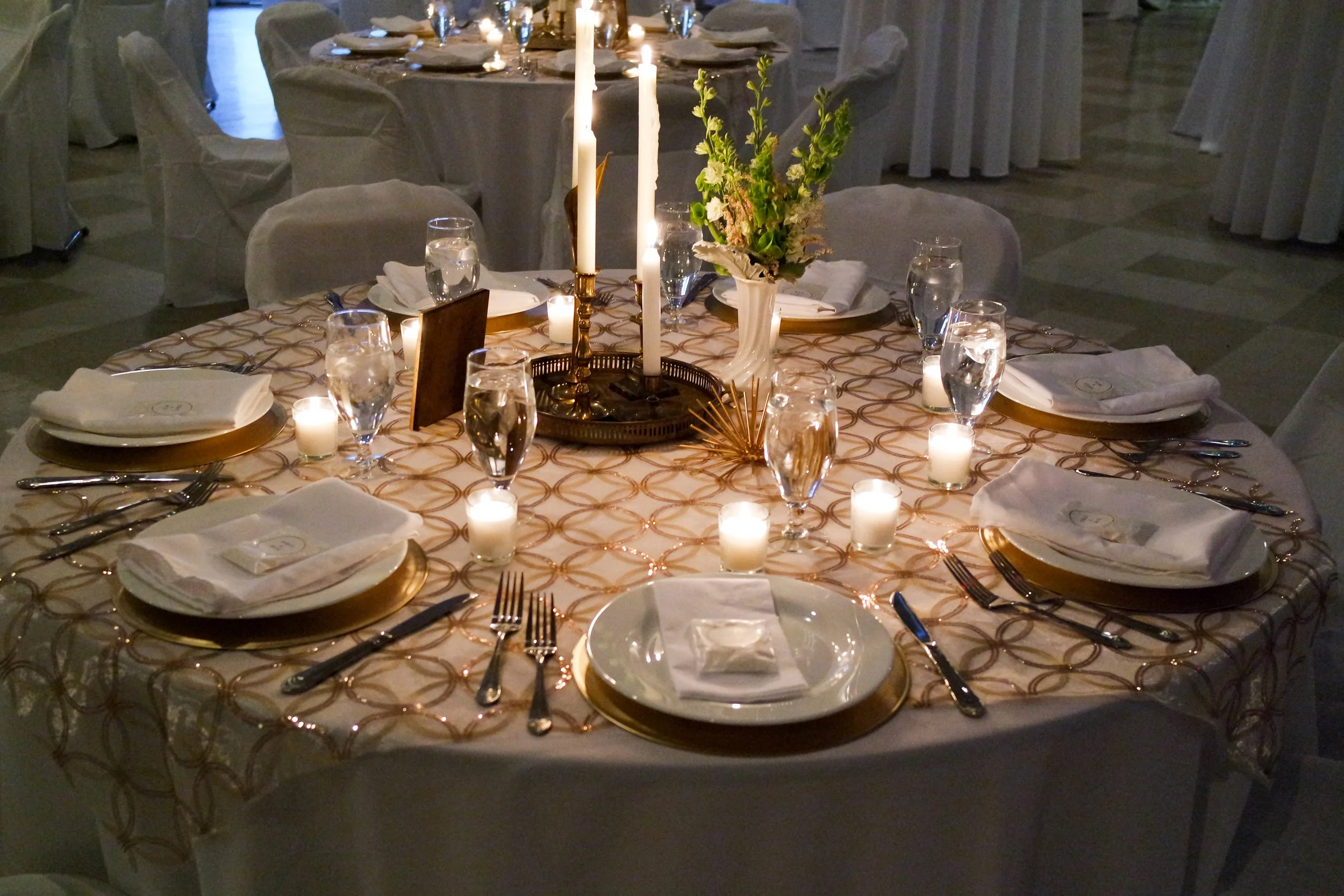
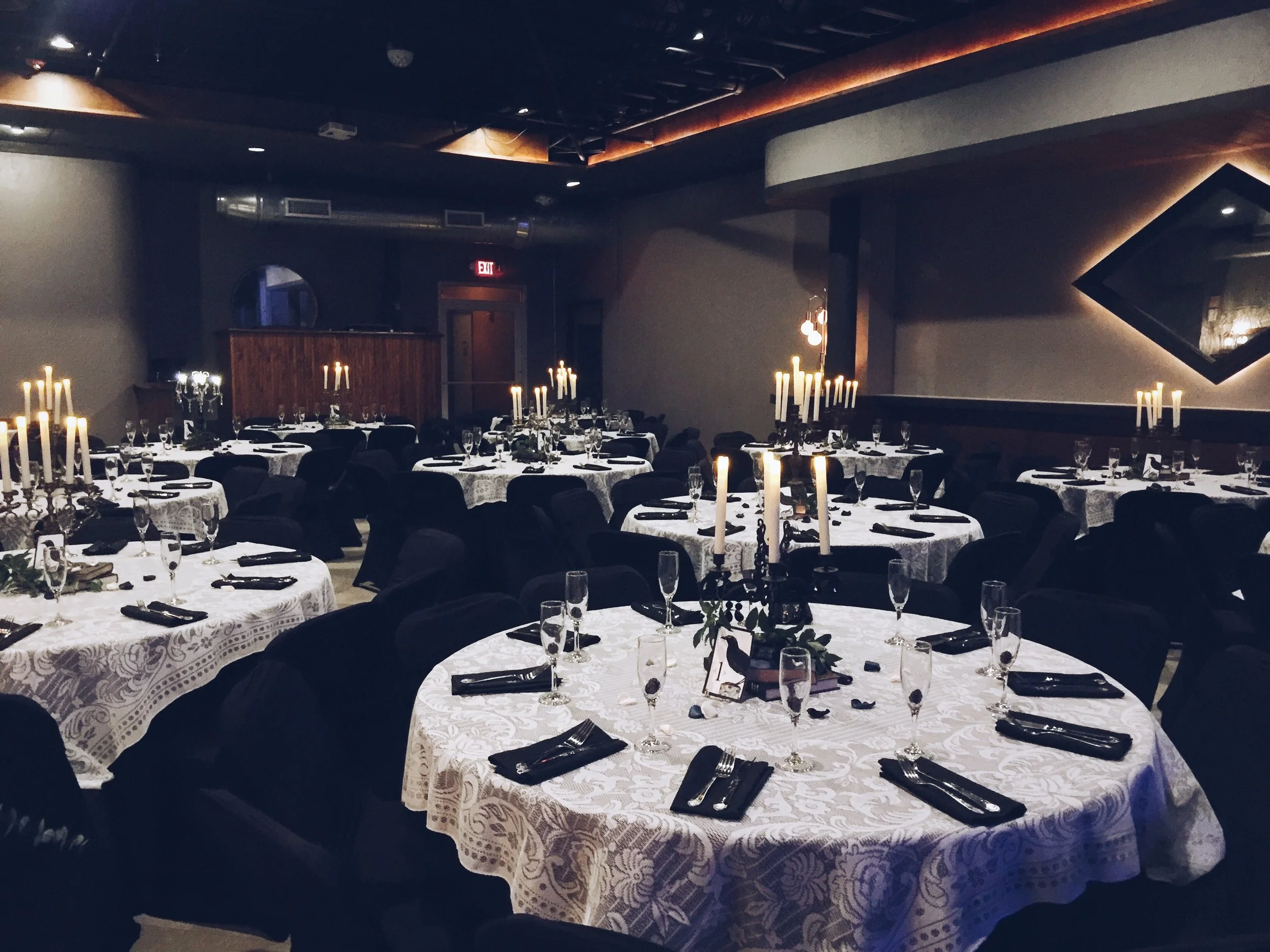
A polished entrance does not require particles. Large floral or graphic installations, fabric banners, mounted lettering, sculptural centrepieces and LED lighting can create a stronger focal point. Vinyl or foil finishes can deliver a metallic look without shedding glitter, while projection mapping or programmed lighting can imitate sparkle, colour and movement with complete control.
That flexibility is particularly useful for filmed events. The Wooly’s filming a music video guide shows how the industrial interior can support dramatic imagery, close-up shots and carefully composed scenes. Confetti-style bursts can be added in post-production, keeping the physical set clean and preventing loose material from reaching instruments, cameras or performers.
Australian-themed programmes can draw on settings such as a Melbourne café, a Sydney harbour palette or the greenery of a Brisbane garden party without using fragile debris. Large fabric flags, potted plants and warm lighting can suggest the setting while remaining reusable. Warm, humid weather can also make lightweight adhesives less dependable, so temporary fixtures should be tested and approved rather than assumed to hold.
Corporate, multi-day, and filmed events
Longer programmes require especially disciplined décor choices because a room may be reset several times without the original team present. The two-day retreat example demonstrates how sessions, meals and shared spaces can be organised within The Wooly’s flexible floor plan. Decorations for such an event should survive repeated handling, remain within sightlines and leave service routes unobstructed.
A corporate finale might use coordinated lighting, a screen animation or a branded reveal instead of releasing confetti over a seated audience. That approach also reduces cleanup between a final session and an evening social. For weddings, the equivalent moment could involve illuminated dancers, a flower installation or a digital shower of light rather than a physical shower of paper.
Australian commercial event planners will recognise the need for public liability insurance, risk documentation and evidence that external suppliers are authorised to work. Those habits support a smooth multi-day booking, but they do not replace the venue’s decor requirements. The document pack should show what will remain in place, what staff will handle and what the supplier will remove at the end.
Comparing decoration choices
This comparison separates prohibited materials from alternatives planners can discuss with the venue coordinator. Items requiring approval remain subject to review of quantity, attachment method, timing and the specific event layout.
| Material or effect | How to plan it | Practical alternative |
|---|---|---|
| Paper or metallic confetti | Not permitted | Coordinated lighting or a digital reveal |
| Biodegradable confetti | Not permitted | Reusable fabric petals kept in place |
| Craft glitter or glitter spray | Not permitted | Metallic vinyl, mirrored surfaces or foil signage |
| Confetti cannon or party popper | Not permitted | Choreographed lighting or a projected effect |
| Paper or fabric bunting | Seek advance approval | Mounted panels or reusable flags |
| LED candles | Seek advance approval | Battery-operated decorative lighting |
| Projection or programmed lighting | Coordinate with venue staff | A sparkle or colour sequence without loose material |
A “not permitted” result should be treated as final for that material, while “seek advance approval” requires a response before the item is purchased. Planners should also warn suppliers not to make unapproved substitutions. A harmless-looking swap from paper petals to biodegradable confetti can still breach the venue condition.
Australian buyers sometimes assume that compostable, recycled or “eco” terminology resolves every restriction. It does not. The venue’s policy governs what happens in the room, regardless of the product’s environmental attributes. If a supplier cannot supply an approved alternative, the order should not proceed until the coordinator confirms another option in writing.
A practical plan before final approval
The final décor review should connect the visual concept, supplier order and venue requirements. Keeping those three elements aligned prevents an attractive concept from becoming an operational problem on the day.
- Record every decorative item by name, quantity, supplier and installation method.
- Identify loose particles, adhesives, flames, hanging points and floor-level materials.
- Obtain written approval for any attachment, lighting effect or consumable décor.
- Supply compliant alternatives when glitter or confetti appears in a concept, mood board or entertainment plan.
- Brief performers, decorators and vendors on the restriction before load-in begins.
- Keep the approved inventory with the event agreement and give each supplier a copy.
The same discipline applies to temporary signage, table settings and guest participation. A guest book covered in loose glitter, for example, can violate the policy even when it was never described as event décor. Clear communication also gives staff permission to redirect an unapproved delivery rather than improvise during setup.
Send the venue coordinator a revised decor inventory showing each item, quantity and attachment method, then retain the written approval alongside the signed agreement.
Follow the Calendar
News, ticket links, and last-minute additions posted across our channels.
Explore the Venue
Five pages covering the full run of programming and private bookings.
Browse the schedule for movie showings, live music, and art shows.
Weddings, holiday banquets, cocktail parties, and anniversaries.
Meetings, networking, luncheons, and fundraisers with AV support.
Concerts, film screenings, art showcases, and community pop-ups.
Photos from past concerts, private functions, and gatherings.