Live shows, movie nights, art openings, private parties, and corporate meetings at 20 N Main St — minutes from the University of Florida and Shands Hospital.
Stay in the Loop
Get the next show, screening, and event announcements sent to your inbox.
Inside the Room
A look at the stage, the floor, and the nights that move through them.

Old walls, new rhythms: The Wooly on North Main Street
The Wooly’s history is the story of an old storefront changing what it was for. At 20 North Main Street, the Wooly Evans Department Store became a live-music club and then a flexible venue for screenings, exhibitions, celebrations and professional gatherings. The address stayed constant while its public purpose was repeatedly renewed.
That continuity gives the venue something a newly built room cannot easily imitate. Its walls carry the scale and texture of earlier downtown commerce, while the equipment, catering and programming belong to contemporary events. It is not a museum behind glass; the past is part of the atmosphere rather than the main exhibit.
Gainesville provides a revealing setting. The city sits close to the University of Florida and Shands Hospital, bringing students, healthcare workers, artists and long-term residents into the same daily orbit. Downtown’s compact mix of restaurants, shops and performance spaces makes a central venue part of everyday life.
Australian visitors may recognise the familiar idea of a room that hosts a band after work and a wedding reception at the weekend. From Melbourne and Sydney to regional cities, local music has often been woven into pub culture rather than isolated in enormous arenas. The Wooly offers a North American version with its own downtown character.
A department store at the heart of downtown
The site’s first notable identity was commercial. The Wooly Evans Department Store, housed in an early twentieth-century downtown building, served shoppers in an era when Main Street was the city’s principal retail address. Clothing and household goods brought people through the door for reasons unrelated to nightlife, establishing rhythms of opening hours, displays, deliveries and neighbourhood conversation.
Those details explain the bones the later venue inherited. A shop had to be approachable, easy to enter and able to handle a flow of customers; a concert room and reception venue need some of the same qualities. The connection between The Wooly’s name and its North Main Street location preserves a link between everyday errands and evenings spent gathering with strangers.
Its position also shaped who could imagine using the space. Proximity to campus and the hospital meant the audience was never confined to one profession or age group. That mixed public remains central to the venue’s appeal, whether the occasion is a student showcase, a weekend film or a private celebration.
The live-music chapter before The Wooly
The crucial intermediate chapter was Jack’s Place. Under that name, the former store became one of Gainesville’s recognised live-music rooms, hosting the bands, showcases and late-night performances that helped define the city’s student-centred culture. Regular audiences formed around the address before the venue acquired its present name and technical setup.
This was more than a change of tenant. A working club establishes habits: arriving early for a support act, meeting friends between sets, judging a new group by the room’s reaction and treating live music as an ordinary part of the week. Jack’s Place gave those habits a home, and they carried into the building’s later incarnation.
The Wooly inherited both architecture and expectation: a place for close listening and for emerging acts to find an audience. It also inherited a familiar challenge, recognised by many Australian music lovers, of preserving the intimacy of a local room while improving comfort, accessibility and consistency.
What the old storefront still contributes
Adaptive reuse became the central design story. Rather than pretending the building had always been an entertainment complex, the conversion retained enough older character to make the former store legible while adding the infrastructure required for modern events. The shell gives the room a sense of permanence; updated staging, sound, lighting and circulation make it adaptable.
The naming choice forms part of that bridge. Keeping “The Wooly” creates a visible connection with the Wooly Evans era without requiring the site to remain frozen in it. The building can look backward through its name while functioning as a contemporary event space. That balance keeps its history present in the room rather than merely in an archive.
The old storefront’s continuing legacy
- The Wooly Evans name keeps the department-store identity visible.
- The North Main Street frontage anchors the venue in downtown Gainesville.
- The retained architectural character gives events a distinctive sense of place.
- A familiar address continues to function as a public gathering place.
What the modern venue added
- A flexible floor plan supports concerts, screenings, meetings and celebrations.
- Professional sound and visual systems support different forms of programming.
- In-house catering and a full-service bar simplify event operations.
- A calendar spanning music, film, art and community events broadens the audience.
Gainesville’s event culture is distributed across several distinct spaces, including the Banana Tree. The Wooly’s contribution is not exclusivity; it is a recognisable, well-equipped downtown room within a city that already supports many ways for people to meet.
One venue, several kinds of event
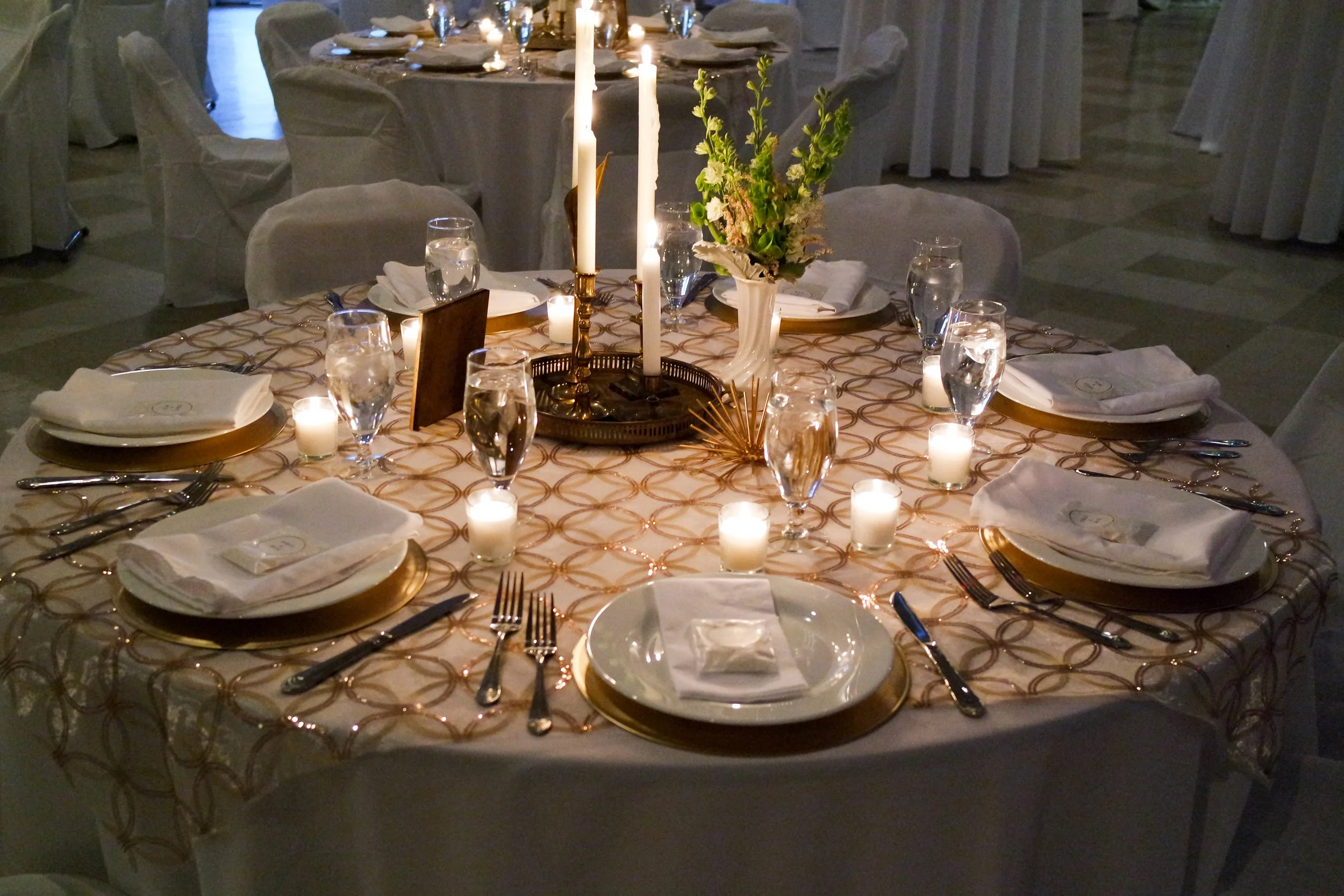
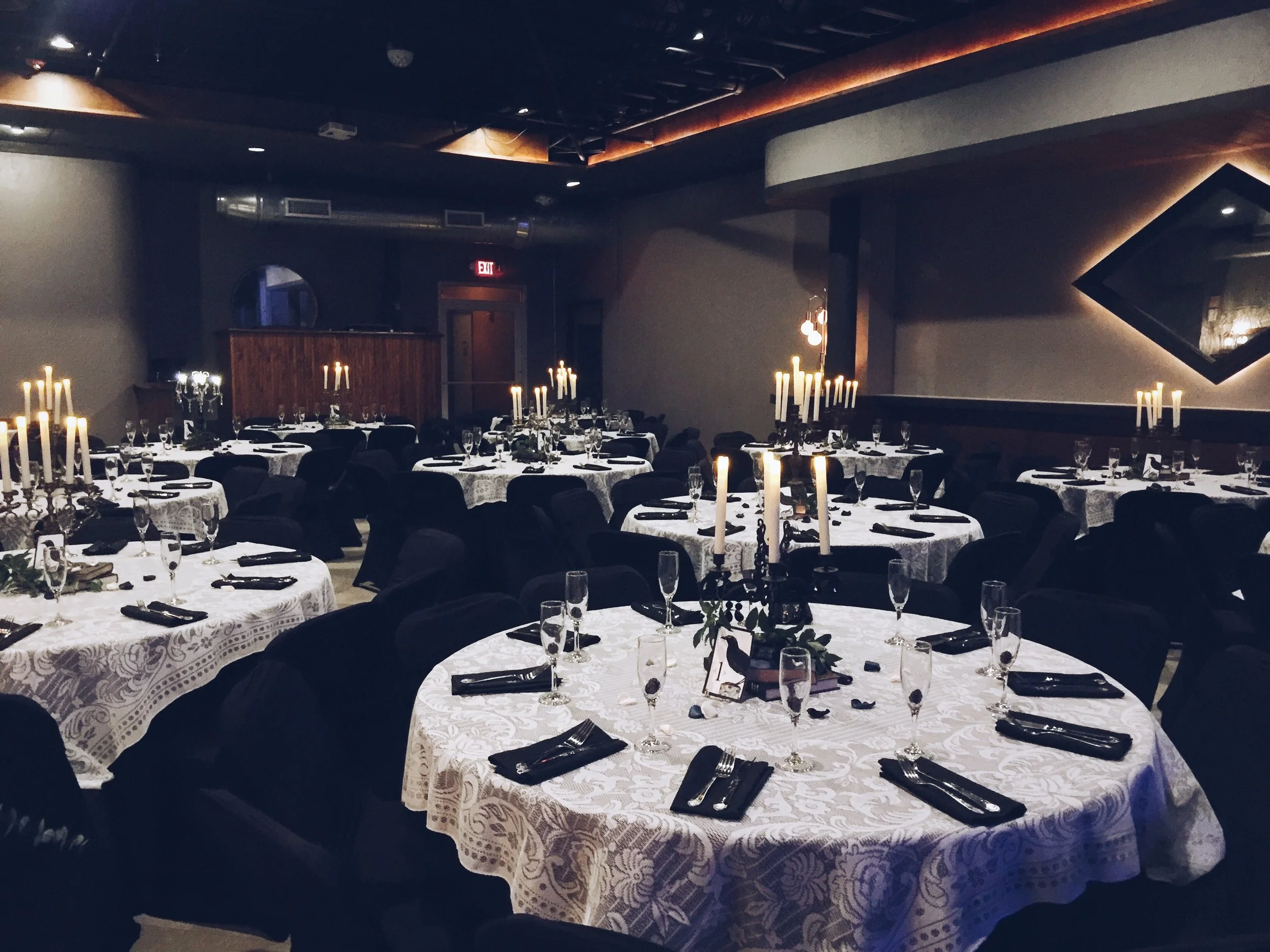
The modern Wooly is built around a changeable floor plan, its most practical inheritance from the need to serve different publics. The same room can be arranged for live performance, seated film viewing, exhibition-style displays, private dining, corporate meetings or a wedding reception. The building can change character without changing address.
Professional audio-visual support makes that change more than a rearrangement of furniture. In-house catering and a full-service bar complete the model. A corporate team can arrive to a room prepared for speakers, screens and food, while a wedding can move from ceremony to dinner, speeches and dancing without each transition becoming a separate logistical exercise.
The music and art programme shows how the calendar crosses those boundaries. A local band, an exhibition opening and a community film can use the same infrastructure, giving visitors reasons to return for something other than the event that first brought them in.
Australian organisers will recognise the logic of using one room for several kinds of celebration. Company Christmas drinks often move from speeches and shared plates to live music; weddings change from formal moments to late-night dancing. Technical support and hospitality make those transitions easier to manage.
A downtown venue with a campus-sized catchment
The Wooly’s identity cannot be separated from its location. The University of Florida and Shands Hospital sit nearby, and surrounding streets connect the venue to the city’s daily movement. A university walking guide shows how it fits into an active downtown network rather than standing apart from it.
For Australian visitors accustomed to Melbourne’s trams or Sydney’s trains, walking may require a different frame of reference. In Gainesville, walking can link campus, dinner and a live show, although the route deserves attention in daytime heat or sudden thunderstorms common to central Florida. Downtown’s mixed use keeps the destination clear once the street grid is understood.
That accessibility supports a calendar of concerts, movie nights, art openings and community events featuring local and touring performers. It also keeps The Wooly connected to the student population without making it exclusively a student venue. A visitor might arrive for a touring act, return for a local film and book a private event years later.
The seasonal comparison with Australia is reversed: Gainesville’s summer corresponds to an Australian winter, while a bright Florida winter can resemble a Melbourne or Sydney summer afternoon. Comfortable indoor rooms therefore play a familiar role in the calendar, much as pubs and theatres do during Australia’s hot months.
Reading the venue through an Australian lens
Australian audiences already know the social pattern of a licensed venue combining food, drink and live entertainment. In Melbourne, Sydney, Brisbane and regional cities, a pub gig may begin with dinner and end after the last train; a taxi, designated driver or ride-share often forms part of the night. The Wooly translates that familiar routine into a new city.
The legal framework differs even when the experience sounds similar. Australian liquor licences are administered by state or territory authorities, and most states place conditions on responsible alcohol service. Florida also regulates alcohol at state level, while the City of Gainesville and Alachua County address planning, noise and event operations. An Australian licence category should not be assumed to carry across.
Money and service customs also deserve attention. Consumer prices in Australia ordinarily include GST, while taxable purchases in Florida carry sales tax set through state and county rates; published event prices and gratuity terms should therefore be read carefully. Australians are used to paying at the table by card, so keeping a payment method handy for the bar and box office remains sensible.
Carrying the storefront into the next decade
The Wooly’s history is not simply a tale of nostalgia. It shows how a durable commercial building can keep serving a changing public, provided the old identity and present-day programme are treated as parts of the same story. The department store supplied the address and architectural memory; Jack’s Place supplied the musical audience; the modern venue added flexibility, technical support and a wider range of guests.
For Gainesville, the result is a civic room as well as a business: a stage for local performers, a polished indoor setting for residents and a capable downtown location for public and private occasions. Its past is not an obstacle to that work. It is why the room feels unlike a generic event hall.
The next step for a group organiser is a simple planning brief: one date, an estimated headcount and a clear statement of whether the event needs a stage, a meal or both.
Follow the Calendar
News, ticket links, and last-minute additions posted across our channels.
Explore the Venue
Five pages covering the full run of programming and private bookings.
Browse the schedule for movie showings, live music, and art shows.
Weddings, holiday banquets, cocktail parties, and anniversaries.
Meetings, networking, luncheons, and fundraisers with AV support.
Concerts, film screenings, art showcases, and community pop-ups.
Photos from past concerts, private functions, and gatherings.