Live shows, movie nights, art openings, private parties, and corporate meetings at 20 N Main St — minutes from the University of Florida and Shands Hospital.
Stay in the Loop
Get the next show, screening, and event announcements sent to your inbox.
Inside the Room
A look at the stage, the floor, and the nights that move through them.

The Wooly’s approach to zero-waste events
Zero-waste events are often treated as a recycling exercise after doors close. For a multi-use venue such as The Wooly, prevention is more useful when it begins with the guest journey: how people arrive, what they carry, how food and drink are served, and how each room is reset. The same principles can reduce disposal costs while preserving the atmosphere of concerts, film screenings, art openings, weddings and corporate meetings. Guest experience remains central: an organised system should feel unobtrusive, reliable and compatible with the tone of each occasion.
Australian organisers can learn from this model without copying Florida rules exactly. Local council contracts, state bans, container-deposit systems and customer expectations shape what is practical. The transferable idea is a circular service system in which products, equipment and consumables are used more than once, recovered at the right point and kept out of landfill.
Designing events to prevent waste
The official venue overview places The Wooly at 20 N Main Street in downtown Gainesville and highlights a flexible floor plan, professional audio-visual support, in-house catering and a full-service bar. Those features matter because waste follows service design. Movable barriers, a dance floor, seated dining and presentation equipment leave different room functions, so a single recycling arrangement cannot cover every configuration. Each booking can therefore be planned around the actual room use rather than around a generic sustainability promise.
Prevention should follow the waste hierarchy: refuse what guests do not need, reduce what remains, reuse serviceware and equipment, recycle clean material, then recover organics. Practical measures include digital ticketing and signs, reusable table settings, refillable water stations, shared furniture, deposit cups and take-back schemes for event merchandise. Each measure reduces the volume entering the waste stream before sorting begins.
Clear accountability keeps the system credible. Assign a waste lead for every booking, include waste duties in supplier contracts and record a simple baseline such as total waste per guest and the proportion recovered. The target should be continual improvement rather than a claim of perfection, because reusable systems only work when staff, volunteers and guests know who handles each task and when.
Practical waste systems for every event
A venue-wide plan still needs event-specific details. For a concert, backstage cables, artist hospitality and rapid bar service need separate attention from food waste during a wedding or batteries and packaging from film screenings. A short risk assessment should identify the largest material flows, available processing routes and any item that could become contaminated or enter the wrong stream. A contingency note should cover a full organics collection, broken glass or an unexpected queue at the bar.
Before doors open
- Map waste stations against the final floor plan, including the bar, catering area, toilets, stage and loading route.
- Set clear, paired containers for landfill, recyclables and organics, with food contamination kept out of dry recycling.
- Brief staff and volunteers on the same bin labels, back-of-house routes and clean-up sequence.
- Confirm which local facilities accept each material before choosing labels or ordering containers.
- Record the expected guest count, service volume and baseline waste so results can be compared.
Service controls work best when they are built into normal operations. Refill points and pre-measured drinks reduce spilled liquid, which can ruin recyclable packaging, while dedicated tables for returned cups keep deposits out of general rubbish. Organics should move to collection before they become heavily soiled or wrapped in disposable plastic.
During service and close
- Use refillable water bottles and reusable cups at bars, with a visible return point for deposits.
- Empty bar bottles and cans through the return stream instead of placing them in general recycling.
- Collect food scraps separately from plates, napkins and packaging at catering stations.
- Give artists, suppliers and guests a clearly marked take-back area for batteries, cables and merchandise.
- Inspect bins at service peaks, then complete a final sweep and a documented post-event waste check.
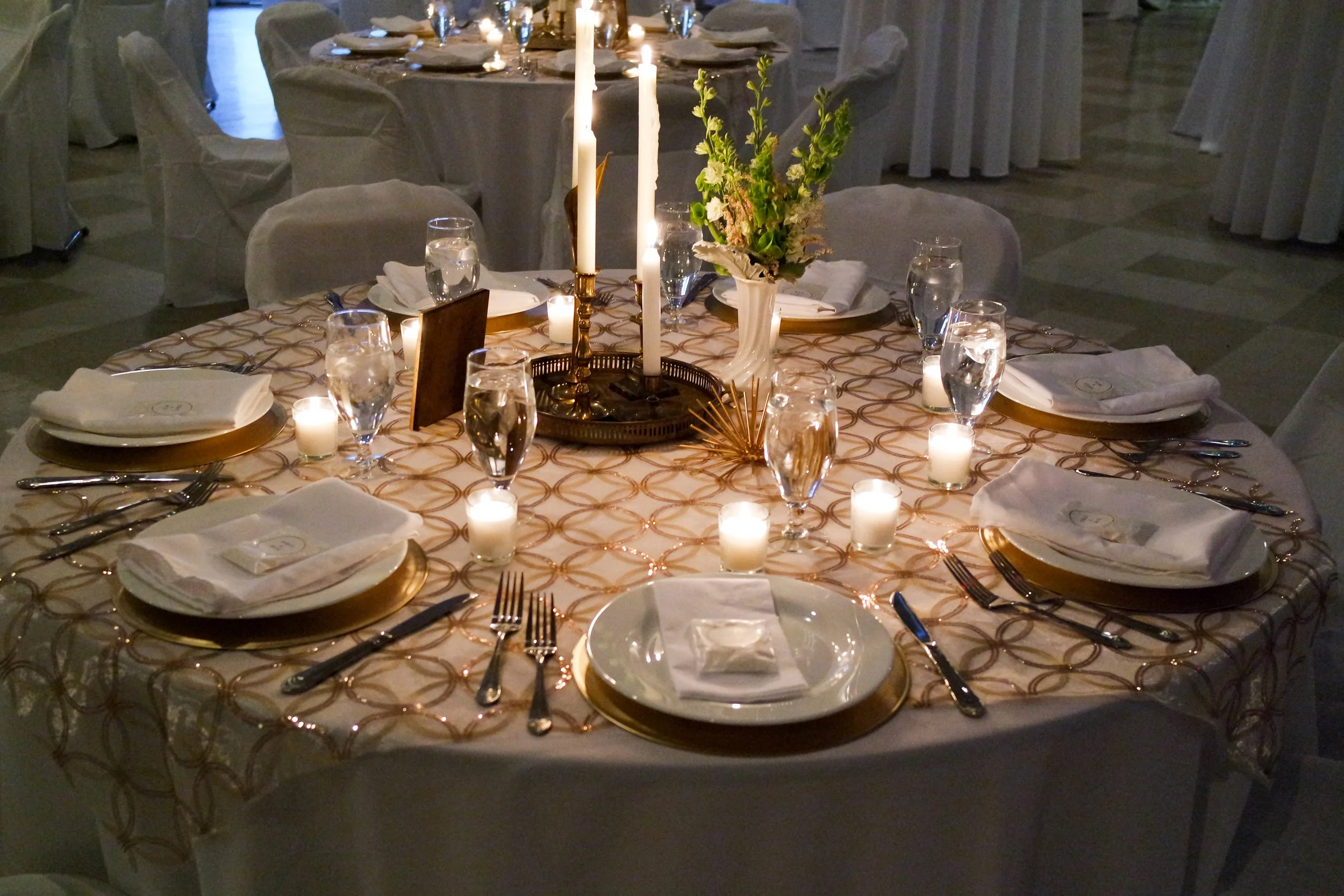
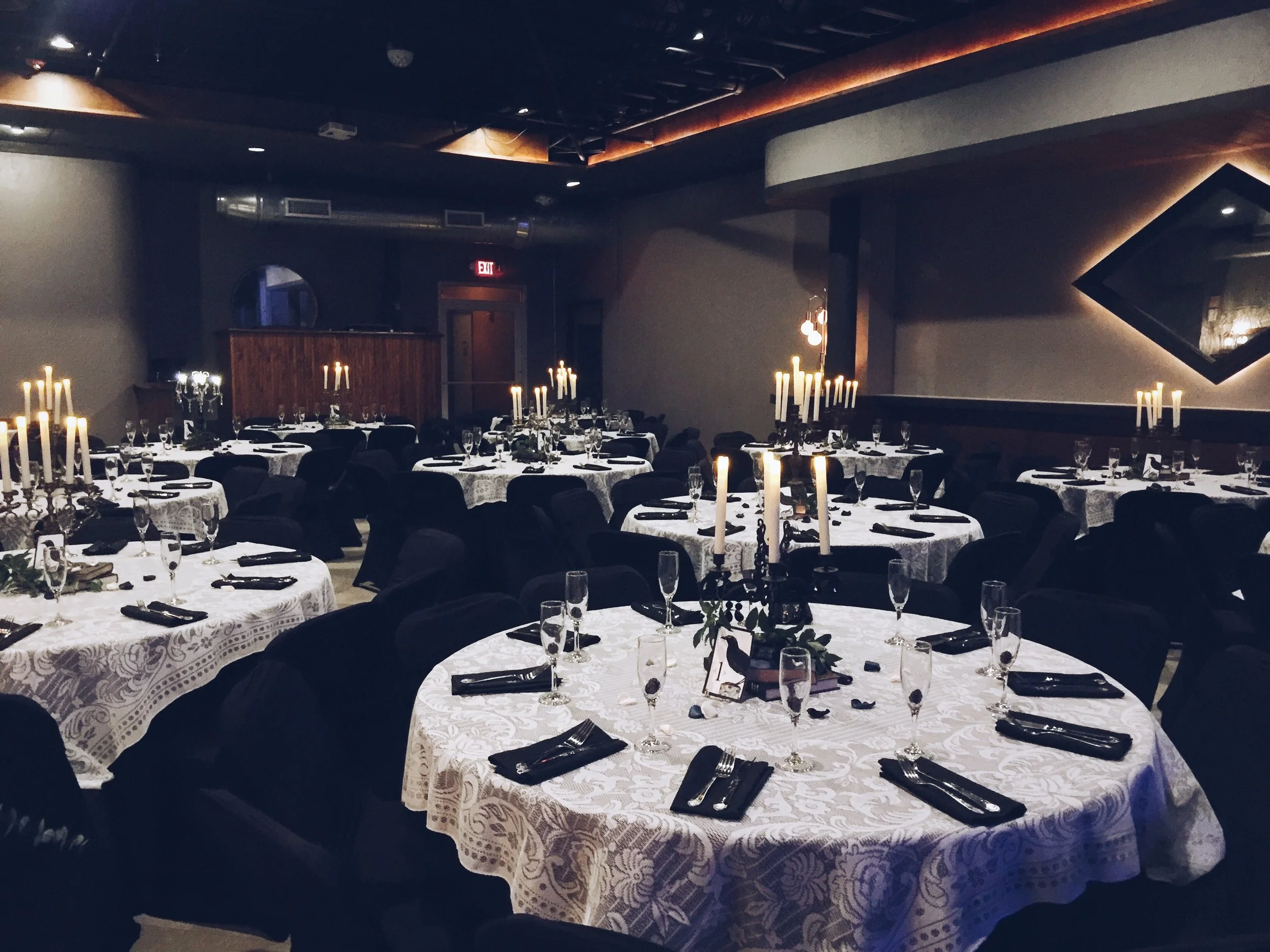
The flexibility visible in The Wooly’s event gallery also makes waste logistics a live-room problem rather than a back-office one. A glamorous opening and a late-night gig may use the same address but produce different peaks, staffing loads and cleaning tasks. Planning the reset between them can prevent a temporary stage of clutter from becoming permanent waste.
Rethinking food, drink and serviceware
Food and drink provide the clearest source-reduction gains. With in-house catering and a full-service bar, The Wooly can coordinate menu design, portion sizes and serviceware as one workflow. Forecasting covers reduce overproduction, shared or pre-ordered dishes cut plate waste, and clearly displayed refill options make lower-waste choices easy without making the event feel restrictive. Menus can also offer smaller serves and shareable formats without turning portion guidance into a lecture.
Reusable cups, plates and cutlery should be used when washing capacity, return rates and storage allow. Compostable items are a fallback rather than permission to over-order, because many certified products need specialist industrial composting and can contaminate ordinary organics streams if accepted incorrectly. Suppliers should disclose the exact material, local disposal route and expected recovery before a menu is advertised as sustainable.
Procurement extends the system beyond the venue. Event organisers can build a local supplier network, using businesses such as Pearl Grand Banana Tree as examples of hospitality partners to ask about packaging standards, shared logistics, sponsorship and practical support for return bins. Merchandise can be produced in small runs, collected for reuse or routed to an agreed charity rather than handed out and discarded.
Connecting access, programming and community
Programming affects waste as surely as menu design. A tightly staged concert creates predictable service peaks, limits idle equipment and gives staff clear moments for collection. Formats explained in a concert slot tournament guide show how several performers can be scheduled within defined windows; event planners can use similar timing to coordinate bar opening, waste rounds and auditorium resets without interrupting the audience.
Arrival and departure behaviour also belongs in the plan. Clear information about public transport, cycling, walking and rideshare locations can reduce single-use parking tickets and disposable transport materials. At a campus-focused venue, a simple route map helps guests arrive with reusable bottles, while a visible water refill point makes the right choice easier from the first drink. Signs at transport decision points can also encourage shared journeys and discourage disposable water bottles sold on site.
Engagement turns policy into participation. Volunteers can explain the waste stations, performers can adopt reusable or returnable merchandise, and organisers can offer useful incentives such as prize entries for returned cups or reusable bags. Feedback should be short and specific: which bin was unclear, where a station was missing and which item created the most avoidable rubbish. Artist riders, sponsor guidelines and supplier contracts can reinforce the same message without adding a lengthy lecture to the event.
Adapting the model for Australian events
Location is part of the service model. The walking map from campus shows the connection between the University of Florida, Shands Hospital and The Wooly, demonstrating why event access can be planned around nearby institutions rather than around car parks alone. Australian organisers can apply the same thinking in Sydney, Melbourne, Brisbane or Adelaide by linking venues with rail, bus, cycling and walking routes.
Legal requirements differ across Australia, so a reusable system should begin with the relevant state and council. Queensland has banned many single-use plastic service items since July 2022, NSW followed in July 2023, and Victoria began its own ban in July 2023. Victoria also requires businesses to separate food and garden organics, with Melbourne’s commercial organics collection making source separation part of routine business infrastructure rather than an event-only experiment.
Everyday habits make some practices easier. Container-deposit schemes in most states give empty bottles and cans a cash value, reusable cups are familiar at city markets and festivals, and bringing a water bottle is routine at gigs and university events. The Australian market offers local compostable suppliers and reusable-service companies, but price pressure and varying processing standards mean organisers should verify collection before buying supposedly greener alternatives. Independent hospitality businesses can also share delivery routes, wash facilities and surplus food with one another.
The practical takeaway is to draw a pre-event waste map, name a waste lead, remove one high-volume single-use item and document what was actually recovered. Those four actions create a repeatable operating rhythm, expose the next practical reduction and make performance measurable.
Follow the Calendar
News, ticket links, and last-minute additions posted across our channels.
Explore the Venue
Five pages covering the full run of programming and private bookings.
Browse the schedule for movie showings, live music, and art shows.
Weddings, holiday banquets, cocktail parties, and anniversaries.
Meetings, networking, luncheons, and fundraisers with AV support.
Concerts, film screenings, art showcases, and community pop-ups.
Photos from past concerts, private functions, and gatherings.