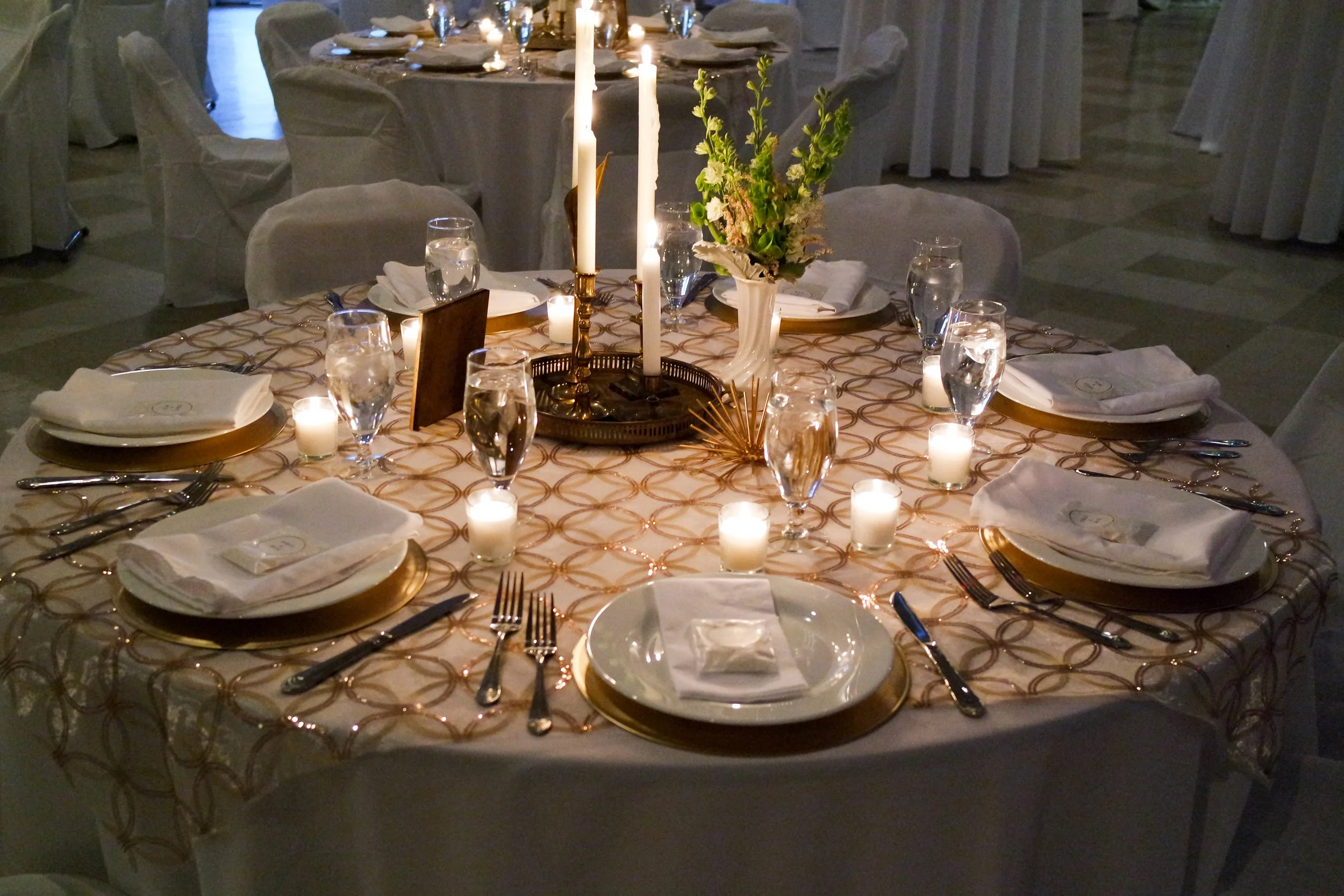
Live shows, movie nights, art openings, private parties, and corporate meetings at 20 N Main St — minutes from the University of Florida and Shands Hospital.
Stay in the Loop
Get the next show, screening, and event announcements sent to your inbox.
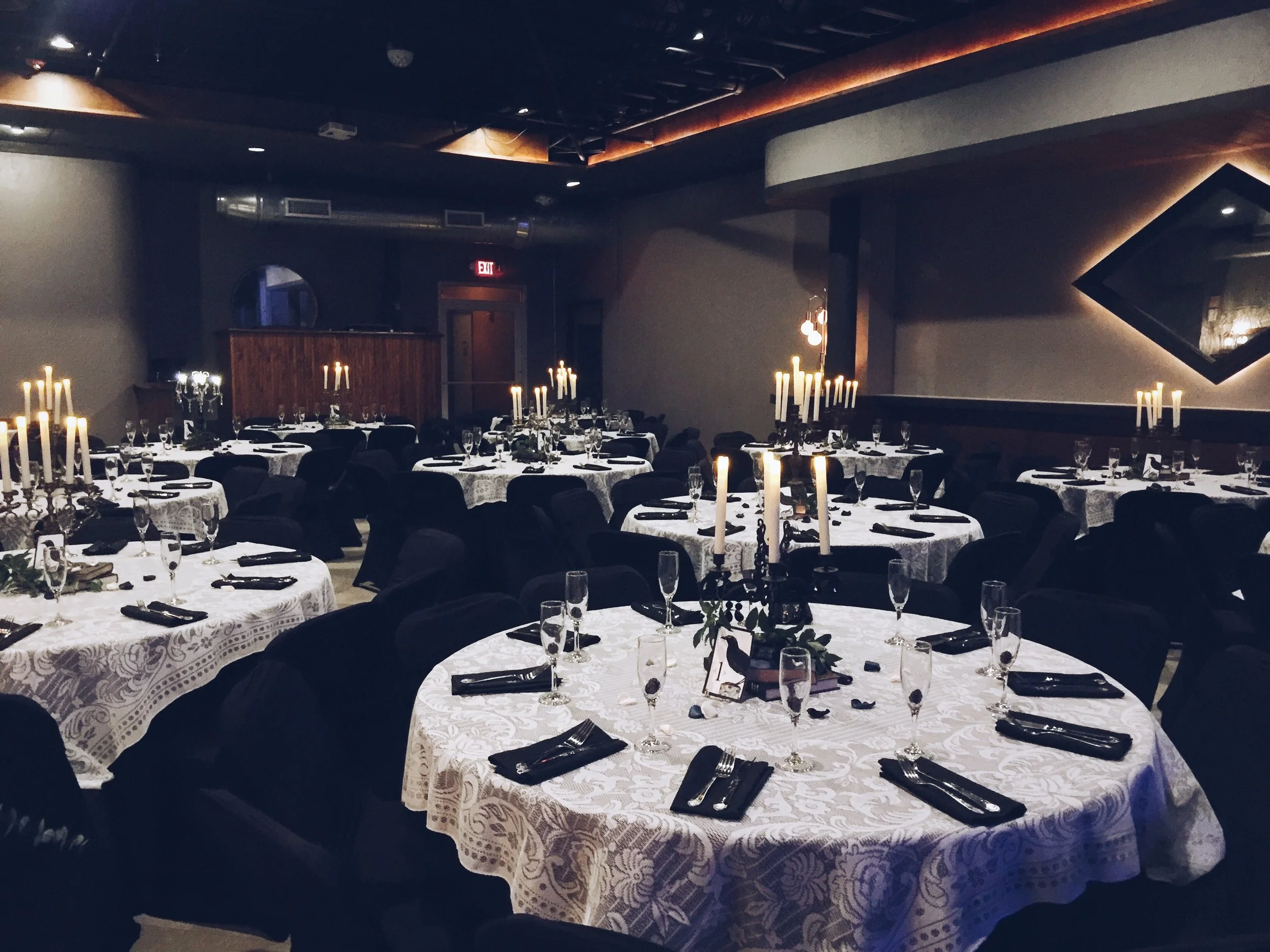
Inside the Room
A look at the stage, the floor, and the nights that move through them.
How to Host a Town Hall Meeting at The Wooly
A town hall meeting needs to feel open, organised and worthwhile. People should know why they are attending, how they can participate and what will happen with their questions afterwards. The Wooly in downtown Gainesville, Florida, provides a flexible setting for that kind of public conversation, with room for presentations, audience discussion, networking and informal follow-up.
Located at 20 N Main Street near the University of Florida and Shands Hospital, the venue is convenient for university groups, community organisations, professional associations and local campaign teams. Its adaptable floor plan can be arranged for a seated public forum, a panel discussion, a workshop-style meeting or a larger gathering with display tables.
For organisers in Australia, the practical considerations may feel familiar even though the event is taking place in the United States. Think about the same fundamentals used for a council consultation in Brisbane, a residents’ meeting in Melbourne or a community forum in Perth: clear notice, accessible participation, reliable sound and a respectful process for different viewpoints.
The Wooly’s professional audio-visual support, in-house catering and full-service bar make it possible to manage the event in one venue. A careful plan will connect those services with the purpose of the meeting, the expectations of the audience and the time difference for anyone joining from Australia.
Define The Purpose And Audience
Start by writing a short purpose statement for the town hall. It might focus on a neighbourhood development, a university initiative, a healthcare issue, a cultural programme or a consultation with members and stakeholders. The statement should explain whether the meeting is designed to share information, gather feedback, make a decision or build support for future action.
The audience will influence every venue choice. A meeting for University of Florida students may need standing room, quick registration and strong projection for slides. A forum involving residents near Shands Hospital may benefit from wider aisles, quieter seating and extra time for questions. A professional or corporate group may prefer a structured panel followed by smaller conversations over refreshments.
If Australians are joining remotely or helping to organise from overseas, create a simple schedule that shows both Gainesville time and Australian Eastern Standard Time. Gainesville operates in Eastern Time, while Sydney, Melbourne and Brisbane follow Australian time zones that can differ by many hours and shift seasonally because of daylight saving. A written run sheet should remove ambiguity about when doors open, when the livestream begins and when audience questions are accepted.
Choose A Layout That Encourages Participation
The room arrangement communicates how the meeting is meant to work. Theatre seating suits a large presentation, while a crescent or classroom layout gives attendees a better view of speakers and makes note-taking easier. A central aisle can help late arrivals move discreetly, and a clearly marked front area can separate the moderator, panellists and presentation screen from the audience.
For a genuine town hall atmosphere, consider placing the panel on a low stage or at floor level with the audience facing it in a broad arc. A standing microphone, roaming microphone or question station can make participation feel more even. If the event includes community displays, sign-in tables or information booths, position them near the entrance without creating a bottleneck.
Ask The Wooly team about the most suitable floor plan for the expected attendance, accessibility requirements and production setup. A venue that also hosts concerts, film screenings and art openings is accustomed to changing the way a space functions. That flexibility can help an organiser move from a formal presentation into a more relaxed discussion without relocating the audience.
Build A Reliable Audio-Visual Plan
Clear audio is the most important production detail in a public meeting. People will forgive a plain backdrop, but they quickly lose confidence when a speaker cannot be heard or remote participants miss half the discussion. Confirm the microphone types, speaker coverage, lectern, stage lighting and monitoring arrangements during the planning stage rather than on the day.
The Wooly offers professional audio-visual support, which can be useful for presentations, panel discussions and hybrid meetings. Provide the production team with the slide deck, videos, logos and playback requirements in advance. If the programme includes a live stream, test the internet connection, camera position, sound mix and backup recording before guests arrive.
A rehearsal should include the moderator, every panellist and anyone responsible for audience questions. Test how speakers handle interruptions, whether slides can be read from the back of the room and how a remote question will be introduced. Australian organisers often use terms such as “soundcheck”, “run sheet” and “bump-in”; sharing that language with the venue team is helpful, while also confirming American terms and procedures where they differ.
Plan Registration, Access And Guest Flow
Registration should be straightforward, whether guests sign up online, check in at the door or attend without a booking. Collect only the information needed for capacity planning, name badges, accessibility arrangements and follow-up communication. A printed attendee list can support a smooth check-in, but it should be handled carefully and kept out of public view.
Make the entrance easy to navigate, with clear signs for registration, seating, toilets, refreshments and accessible routes. Reserve suitable spaces for mobility devices and ensure that people who need to sit near the front, exit or hearing support can do so without having to explain themselves publicly. Include a contact person who can assist attendees before and during the meeting.
If the audience includes visitors unfamiliar with downtown Gainesville, send practical arrival information in advance. Mention the venue’s location on North Main Street, nearby landmarks and the expected door time. For people accustomed to Australian event planning, this is similar to giving precise directions to a town hall, RSL club or university function room rather than assuming everyone knows the precinct.
Shape The Programme And Conversation
A strong agenda leaves enough room for public participation. Begin with a welcome, a brief explanation of the meeting’s purpose and any ground rules. Keep opening remarks focused, then move quickly to the main issue. A moderator should introduce each speaker, manage time, identify recurring themes and ensure that questions are distributed across the room.
Questions can be collected through written cards, a microphone queue, a digital platform or a combination of methods. Each approach has advantages. Cards help people who dislike speaking publicly, while a microphone creates a more visible exchange. If the topic is sensitive, anonymous submissions may produce more honest contributions, but the moderator still needs a process for grouping similar questions and removing abusive or irrelevant material.
The tone can remain professional without becoming stiff. A community group celebrating a milestone might use a short tribute or personal story before the discussion; resources such as these anniversary messages can help shape warm wording for a recognition moment. The same principle applies to a university society, local arts organisation or neighbourhood association: acknowledge the people involved, then keep the focus on the meeting’s purpose.
Use Catering And Hospitality With Purpose
Food and drinks can support conversation, but they should not distract from the programme. For a daytime session, offer coffee, tea, water and easy-to-eat items before the meeting or during a planned break. For an evening forum, light catering can encourage people to stay for informal discussion after the formal agenda ends.
The Wooly provides in-house catering and a full-service bar, allowing the hospitality plan to be coordinated with the venue team. Confirm dietary requirements, service timing, quantities and whether food should be passed, placed at stations or served during a reception. Include vegetarian, vegan and gluten-aware choices where appropriate, and label common allergens clearly.
Australian guests may expect a casual “cuppa”, substantial shared platters or a simple sausage-sizzle style offering at a community event, while an American audience may have different expectations. Rather than importing a familiar format without adjustment, ask what suits the Gainesville audience, the event time and the meeting’s level of formality. Alcohol service should remain secondary to the public discussion, with the venue’s policies and applicable Florida requirements followed carefully.
Connect The Meeting With Gainesville’s Cultural Calendar
A town hall can attract more attention when it is connected to the life of the city rather than treated as an isolated booking. The Wooly presents concerts, film nights, art openings and community events, so organisers can review the upcoming event calendar when selecting a date. Avoiding a major local clash may improve attendance, while aligning with a compatible event can create useful cross-promotion.
The venue’s music and arts programme may also help an organiser think about how to welcome a broad audience. A short local performance, visual display or creative interlude could suit a community forum, provided it supports the subject and does not reduce time for questions. Details about music and art can provide context for the space’s wider cultural role.
For Australian groups working with Gainesville partners, local relevance matters. A university club from Sydney, an arts network from Adelaide or a community organisation from Canberra should identify local speakers and avoid presenting an imported agenda without listening to residents. Even a small acknowledgement of place, local history or community contribution can make the meeting feel collaborative rather than promotional.
Promote The Event And Follow Up Properly
Promotion should state the topic, speakers, location, access information, start and finish times, booking method and question process. Use a mix of email lists, community newsletters, university channels, social media and partner organisations. Short, specific wording usually works better than a long announcement because people need to understand the value of attending quickly.
If the event is linked to a community celebration or heritage programme, a relevant calendar such as Freedom Old Home Week may help organisers think about how local history, public participation and cultural programming can be presented respectfully. Any cross-promotion should be agreed with the relevant organisation and should make the relationship clear.
After the meeting, send a summary of key points, unanswered questions, agreed actions and expected dates. If a recording is available, provide it with captions or a transcript where possible. A useful follow-up distinguishes between feedback that will be acted on, issues requiring more research and matters outside the organiser’s control. This is where trust is built: attendees can see that their time and contributions were taken seriously.
The organiser’s final checklist should cover the booking agreement, floor plan, capacity, accessibility, catering, microphones, presentation files, moderator notes, signage, registration, photography permissions, emergency procedures and follow-up responsibilities. At The Wooly, the practical setup should support the larger goal: give people a comfortable place to hear clear information, speak openly and leave knowing what happens next. A focused brief, a tested run sheet and one named decision-maker on the day will keep the town hall meeting steady from bump-in to final takeaway.
Follow the Calendar
News, ticket links, and last-minute additions posted across our channels.
Explore the Venue
Five pages covering the full run of programming and private bookings.
Browse the schedule for movie showings, live music, and art shows.
Weddings, holiday banquets, cocktail parties, and anniversaries.
Meetings, networking, luncheons, and fundraisers with AV support.
Concerts, film screenings, art showcases, and community pop-ups.
Photos from past concerts, private functions, and gatherings.