Live shows, movie nights, art openings, private parties, and corporate meetings at 20 N Main St — minutes from the University of Florida and Shands Hospital.
Stay in the Loop
Get the next show, screening, and event announcements sent to your inbox.
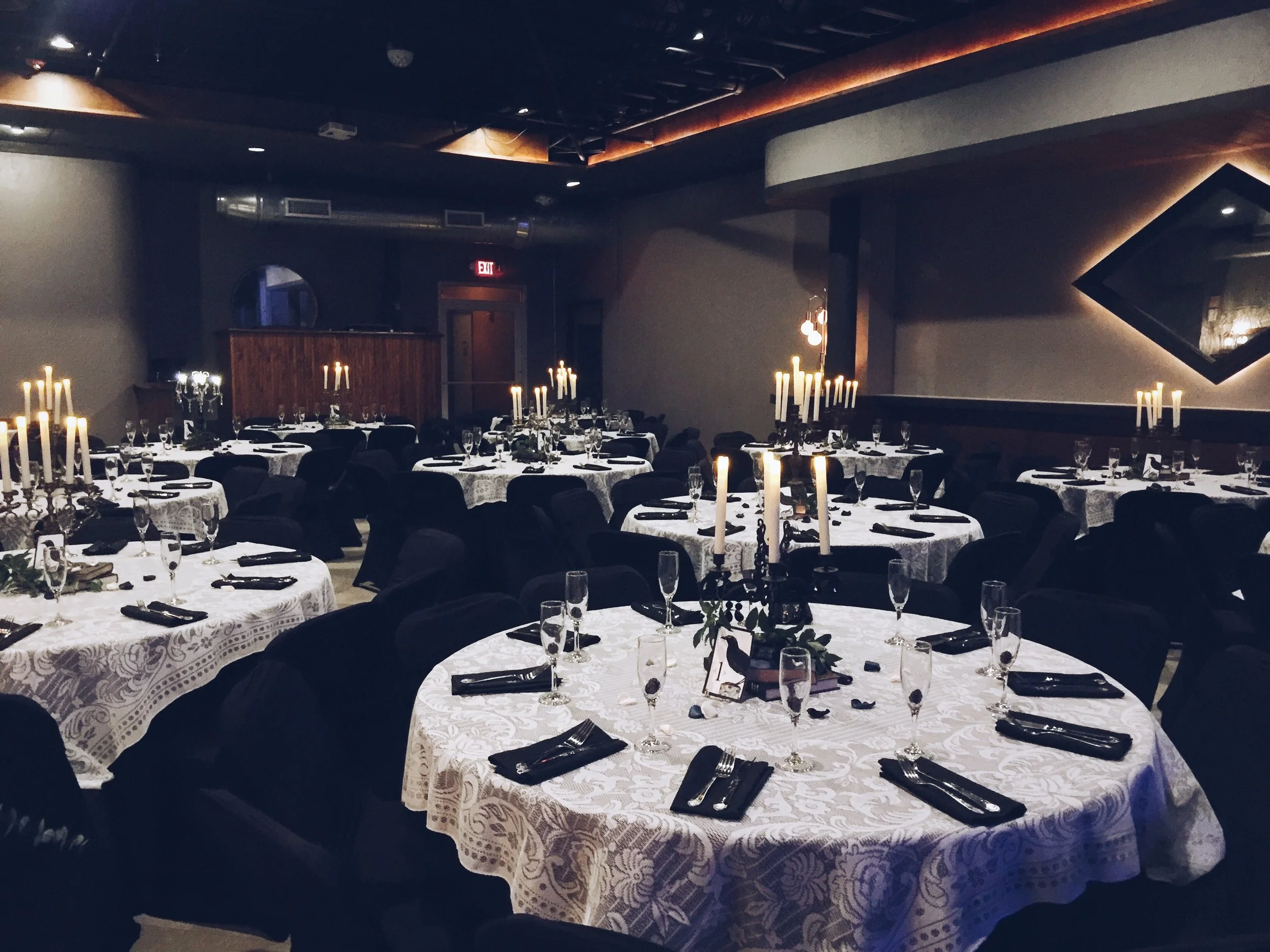
Inside the Room
A look at the stage, the floor, and the nights that move through them.

Security Protocols For Large Events At The Wooly
A successful large event at The Wooly depends on more than a reliable sound system and a well-paced programme. Security planning should protect guests, artists, staff, suppliers and the surrounding downtown Gainesville area while allowing people to enjoy the venue’s concerts, screenings, weddings, private functions and community gatherings.
For Australian event organisers, the setting may feel unfamiliar. The Wooly is at 20 N Main Street, close to the University of Florida and Shands Hospital, with a flexible indoor layout, full-service bar, catering and professional audio-visual support. A clear security plan bridges local US requirements with the practical standards familiar to teams from Sydney, Melbourne, Brisbane or Perth.
Start With A Site-Specific Risk Picture
Security begins with understanding the event rather than automatically adding guards. A sold-out live performance has different risks from a seated film screening, a wedding with an open bar, or a corporate meeting with valuable equipment. The organiser should identify expected attendance, audience profile, ticketing method, alcohol service, artist requirements, loading times, vulnerable guests and the likely movement between the entrance, bar, toilets, performance area and exits.
The building’s downtown location adds another layer. Guests may arrive by rideshare, on foot, bicycle or private vehicle, and queues can affect the public pavement outside. The proximity to the University of Florida can mean a younger audience or event traffic around campus, while nearby Shands Hospital makes clear access for emergency vehicles especially important. A venue walk-through should record exit routes, fire equipment, trip hazards, lighting levels, restricted doors and locations where a queue could obstruct pedestrians.
Florida conditions also deserve attention. Heat, sudden storms, lightning, heavy rain and wet surfaces can change an arrival plan quickly, even when the event itself is indoors. Australian planners will recognise the need to account for weather warnings and heat stress, although the local hazards differ from a Melbourne heatwave, a Sydney storm or a Queensland bushfire alert. The final risk assessment should state who monitors weather, who can pause an event and how guests receive instructions.
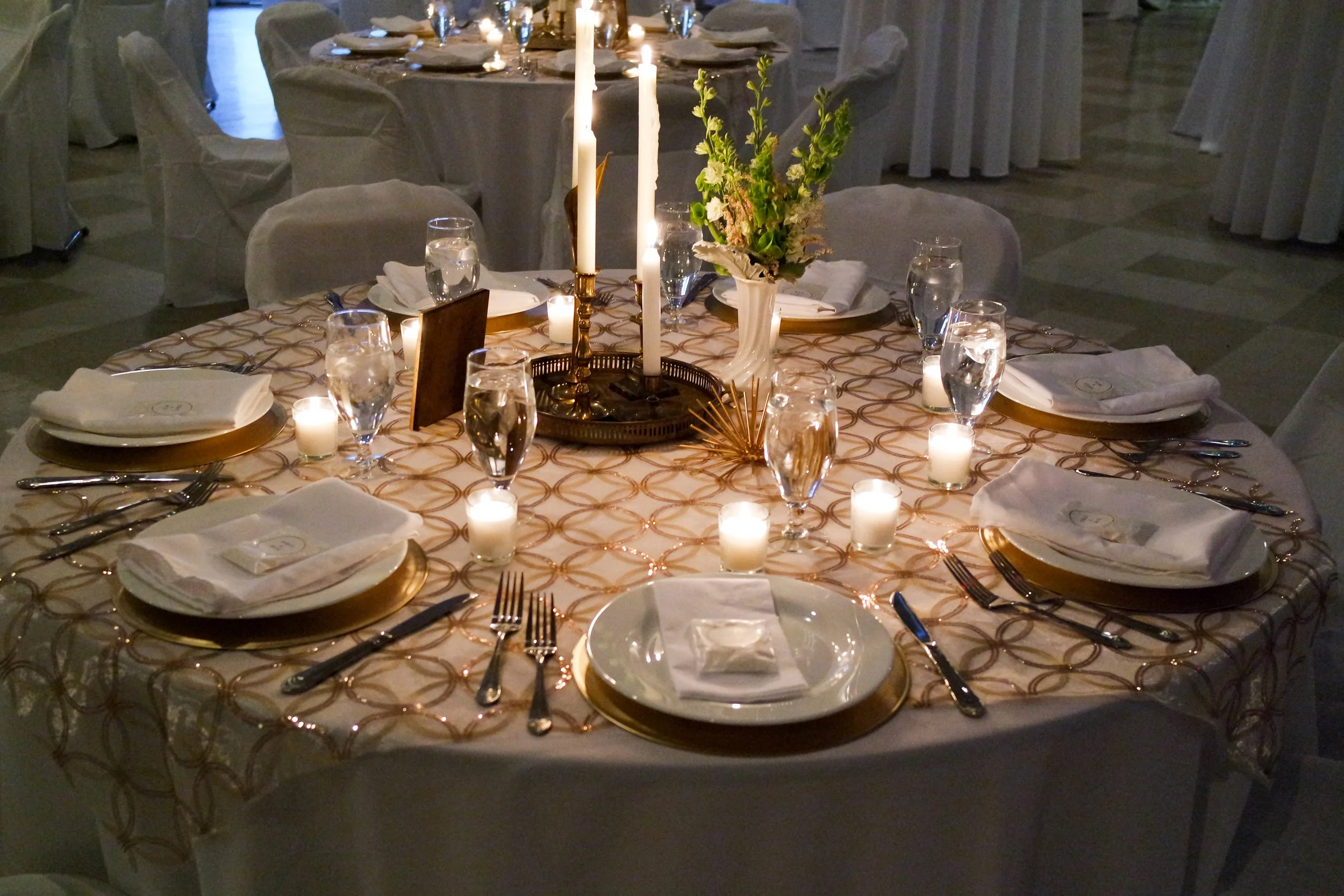
For a wedding or private celebration, security should feel discreet and welcoming. Crowd movement, supplier access and valuables still need control, but the approach can be integrated with the event’s design. Ideas such as budget reception ideas can help organisers think about decorative layouts without blocking exits, concealing safety signs or creating unstable freestanding features.
Build A Layered Entry And Crowd Plan
A layered approach avoids placing all responsibility on one person at the door. The first layer is advance communication: tickets should show the correct entrance, start time, age restrictions, prohibited items, accessibility information and any bag policy. Guests are less likely to create pressure at the door when they know what to expect. Staff should also have a consistent process for lost tickets, late arrivals, guest-list discrepancies and people who appear intoxicated.
The second layer is the physical queue. Barriers, rope lines or stanchions should create an orderly path without narrowing emergency access. A queue manager can watch density, answer questions and alert the supervisor before frustration becomes a confrontation. For high-demand shows, staggered arrival messaging, timed entry or a separate guest-list lane may reduce congestion. The plan should account for rideshare drop-off points and ensure vehicles do not stop where they compromise visibility or emergency access.
Screening must be proportionate and lawful. If bags are checked, guests should receive notice before arrival, and the venue should define what happens to prohibited items. Any search should be conducted by trained, authorised staff using the same standard for everyone, with a private alternative where necessary. Australian organisers may be used to venue conditions, Responsible Service of Alcohol, or RSA, procedures; at The Wooly, the local venue team must apply the relevant Florida licensing and service rules rather than importing an Australian process unchanged.
Inside the room, capacity control is a security measure as much as a comfort issue. Staff should know the approved occupancy limit, monitor entry and exit counts, keep aisles clear and prevent furniture, merchandise or production cases from narrowing routes. A flexible floor plan is valuable because it can support a seated layout, standing concert or mixed reception, but each configuration should have its own crowd-flow sketch approved before doors open.
Coordinate People, Communications, And Emergencies
The event security lead needs authority, a radio or reliable phone channel and a defined relationship with the venue manager. Other roles may include entrance staff, floor personnel, a bar supervisor, production lead, first-aid contact, runner and emergency liaison. The team should know who can pause the programme, close an entrance, move guests, contact emergency services and speak to performers or presenters.
Radio language should be short and neutral. Teams can use location-based descriptions such as “north entrance” or “bar side” instead of emotional labels that may cause confusion. A simple incident log should record time, location, people involved, action taken and any follow-up required. Personal information should be handled carefully and shared only with those who need it for safety or legal reasons.
Emergency arrangements need to cover medical incidents, fire, severe weather, aggressive behaviour, a missing child or vulnerable adult, suspicious items, power failure and an unauthorised person backstage. In the United States, the emergency number is 911, not Australia’s 000. Staff should know the venue address and be able to give clear directions to responders. The plan should also identify an external meeting point that does not obstruct fire trucks or hospital access.
A screening or arts event can be calmer than a concert, yet the same preparation matters. The venue’s film series guide illustrates the kind of programming where audience comfort, timed entry, lighting and quiet movement can shape the security approach. For any format, a short briefing before doors open should include a radio check, exit review, weather update, first-aid location and escalation procedure.
| Event Area | Main Exposure | Preventive Control | Responsible Lead |
|---|---|---|---|
| Entrance and queue | Overcrowding, ticket disputes, prohibited items | Clear signage, queue barriers, trained entry staff and capacity count | Door supervisor |
| Main audience space | Falls, blocked aisles, crowd pressure | Approved layout, visible exits, floor monitoring and rapid removal of hazards | Floor lead |
| Bar and service points | Intoxication, spills, disputes | Responsible service, spill response, age checks and controlled stock access | Bar supervisor |
| Stage and backstage | Unauthorised access, equipment damage, artist safety | Credentials, pass checks, a protected staff route and production briefing | Production lead |
| Outdoor frontage | Traffic conflict, weather, public nuisance | Rideshare guidance, pavement monitoring and weather escalation plan | Venue manager |
| Emergency response | Delayed assistance or confused evacuation | Radio protocol, 911 instructions, exit briefing and incident log | Event security lead |
Protect The Guest Experience Without Losing Control
Visible security should reassure rather than dominate. Staff who greet guests, provide directions and resolve small problems early often prevent incidents more effectively than a purely enforcement-focused presence. Uniforms, name badges and a calm tone make it easier for attendees to identify legitimate personnel. The same principle applies to volunteers and temporary workers, who should receive a short briefing rather than being assumed to understand the site.
Alcohol management is central to many evening events. The bar team should monitor service, refuse service when required, prevent guests from entering restricted areas with drinks and communicate quickly with floor staff when a situation is escalating. Water, food and adequate ventilation can support a safer environment, while clearly marked toilets and waste stations reduce avoidable hazards. Australian planners may be familiar with RSA training and the social expectation that staff intervene before intoxication becomes dangerous; the venue’s local licensing requirements and operating procedures remain the controlling standard in Gainesville.
A full-service bar also creates operational interfaces with catering, entertainment and guest movement. Organisers can review a mixologist’s perspective when shaping service points, but security decisions should be made with the venue’s bar manager. Deliveries, glassware, cash handling, stock storage and closing procedures should not compete with public circulation during peak periods.
Safeguarding deserves an explicit process. Staff should know how to respond to harassment, unwanted attention, discriminatory behaviour, suspected drink tampering or a guest who cannot safely care for themselves. The first response should prioritise immediate safety, separation and medical help where needed. Avoid promising absolute confidentiality; instead, explain that serious risks may need to be reported to the event lead or authorities. Accessible evacuation and communication are equally important for guests with mobility, hearing, vision or cognitive requirements, with arrangements agreed in advance rather than improvised at the door.
Prepare For Special Crowds And Operational Pressure
Some events bring distinctive pressures that are easy to underestimate. A touring artist may attract fans who arrive well before doors open. A university-linked event may have a high proportion of first-time venue visitors. A wedding can involve children, older relatives and multiple suppliers moving through the same back-of-house area. A convention or fan gathering can involve costumes, props and merchandise that require clear rules without treating expressive clothing as suspicious.
The Camden Comic Con example is a useful reminder that fan events need practical arrangements for costumes, replica items, photography and high-energy queues. At The Wooly, any convention-style programme should define permitted props in advance, provide a checking process for uncertain items and create enough space for photographs without blocking exits. The rule should be communicated in guest-facing language, applied consistently and backed by a supervisor who can make quick decisions.
Operational pressure also arrives during changeovers. When a film screening ends and a concert begins, or when a wedding moves from ceremony to reception, guests, performers, caterers and technicians may all use the same space. A changeover plan should establish which doors remain open, where equipment travels, how lighting changes and who controls the audience transition. Deliveries should be scheduled away from peak arrival, with one person responsible for checking suppliers and directing vehicles.
For larger events, organisers should consider a small incident command structure. The venue manager handles building and local coordination, the security lead manages guest safety, the production lead controls the programme, and the client representative handles event-specific priorities. No one should assume that a security contractor automatically owns every decision. Responsibilities, authority and handover points need to be written into the event brief.
Turn The Plan Into A Usable Run Sheet
A security document is useful only when staff can apply it under pressure. It should contain the event profile, approved capacity, floor plan, entrance arrangements, emergency contacts, staff positions, prohibited-item rules, alcohol escalation process, accessibility provisions, weather triggers and incident reporting method. Keep a concise operational version for staff and a fuller version for the organiser and venue leadership.
Practical Controls To Confirm
- Complete a joint venue walk-through with the organiser, venue manager and production lead before event day.
- Match the floor plan to the expected attendance, seating style, stage position, bar service and accessible routes.
- Assign named people to entry, floor, bar, backstage, first aid, communications and emergency liaison duties.
- Brief all staff on 911, evacuation routes, severe weather procedures, missing-person response and escalation authority.
- Publish ticket, bag, age, alcohol and prohibited-item information before guests travel to the venue.
- Schedule a radio check, exit inspection, lighting review and hazard sweep immediately before doors open.
- Record incidents factually and hold a short post-event debrief while staff memories and timings remain accurate.
The run sheet should include times, not just responsibilities: supplier arrival, staff briefing, doors open, performance start, expected peak entry, interval, final service, event close and guest departure. It should also identify decision points. For example, the security lead may pause entry when the internal count reaches the agreed threshold, while the venue manager may activate a weather response when lightning or flooding affects safe access.
Australian teams should allow for differences in terminology and law when briefing local contractors. A document that says “call emergency services” should specify 911 for this venue. References to RSA, public liability insurance, working-with-children checks or accessibility obligations may need translation into the applicable Florida framework. The safest approach is to ask The Wooly’s management which licences, certificates, staff qualifications and local authority requirements apply to the particular event.
The immediate next step is to schedule a site walk-through at 20 N Main Street and turn its findings into a one-page event security brief before tickets, invitations or public arrival instructions are released.
Follow the Calendar
News, ticket links, and last-minute additions posted across our channels.
Explore the Venue
Five pages covering the full run of programming and private bookings.
Browse the schedule for movie showings, live music, and art shows.
Weddings, holiday banquets, cocktail parties, and anniversaries.
Meetings, networking, luncheons, and fundraisers with AV support.
Concerts, film screenings, art showcases, and community pop-ups.
Photos from past concerts, private functions, and gatherings.